
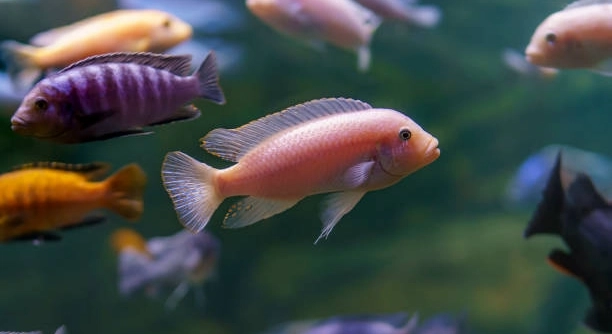
Do you ever find yourself wondering how to move your convict cichlids without causing them unnecessary stress in their tank? Handling these fish requires care, patience, and an understanding of their natural behavior in captivity.
The key to moving convict cichlids safely is minimizing environmental changes and handling time. Gradual acclimation to new conditions, gentle transport methods, and maintaining water quality are essential to reduce stress and protect the fish’s overall health during relocation.
Following proper techniques ensures your cichlids remain calm and healthy, allowing them to adjust smoothly to their new environment without risk of injury.
Preparing Your Tank and Equipment
Before moving convict cichlids, it is important to prepare both the tank and transport equipment. Ensure the new tank is clean, filled with dechlorinated water, and at the correct temperature to match the old environment. Gather a soft net, a container with a secure lid, and water from the original tank to maintain familiarity during transport. Removing any sharp decorations or objects that could injure the fish is also crucial. Take time to inspect filters and heaters to confirm they are functioning properly. This preparation reduces sudden environmental changes, which can cause stress and aggressive behavior. Additionally, having all equipment ready beforehand prevents last-minute issues that could compromise the safety of the fish.
A calm and organized setup helps the fish adapt more smoothly and lowers the risk of injury or illness during the transfer process. Proper preparation is key to a stress-free move.
Gradually acclimating the cichlids to their new tank involves floating the transport container in the new tank for 15-20 minutes. Slowly mix small amounts of tank water into the container to help the fish adjust to minor chemical differences. Avoid sudden movements or loud noises during this period, as convict cichlids are sensitive to disturbances. Once the acclimation is complete, gently release them into the new tank, using minimal handling. Monitor their behavior closely for the first few hours, checking for signs of stress, such as rapid gill movement or hiding. Maintaining consistent water conditions and providing hiding spots helps the fish feel secure and encourages natural behavior.
Moving the Fish Safely
Use a soft net or container with smooth edges to reduce the risk of injury when transferring the cichlids.
Transporting convict cichlids safely requires minimizing handling and time spent outside the water. Fill a container with water from the original tank to create a familiar environment. Move the fish calmly, covering the container to reduce visual stress. Avoid overfilling the container, leaving enough air space for oxygen exchange. Keep the container at a stable temperature and transport it quickly but carefully to prevent fluctuations that may shock the fish. Upon arrival, gently acclimate them to the new tank using the water mixing method.
Observe the fish after placement, offering minimal food for the first day to prevent additional stress. Check water quality frequently to ensure ammonia, nitrite, and nitrate levels remain safe. Providing plants or hiding spots in the new tank allows the cichlids to establish territory and reduces aggressive encounters. Over the next few days, monitor interactions between fish, adjusting the tank setup if needed to maintain a peaceful environment. This careful approach ensures their health and reduces stress during relocation.
Reducing Stress During Transport
Keeping water stable in temperature and chemistry is crucial during transport. Avoid sudden movements or shaking the container. Covering the container reduces visual stress, and handling the fish as little as possible ensures they remain calm throughout the transfer process.
Using water from the original tank helps maintain familiar chemical conditions, which reduces shock. Ensure the container has adequate oxygen by leaving space for air exchange or using a portable air pump. Move the container steadily, avoiding jostling or rapid changes in direction. Monitoring the fish for signs of stress, like rapid gill movement or erratic swimming, allows immediate adjustment of handling methods. Transporting in a quiet environment also minimizes stress.
After placing the cichlids in the new tank, allow them to settle without interference. Avoid feeding immediately and keep lights dim for a few hours. Provide hiding spots to help them feel secure. Monitor their behavior and water quality closely, making adjustments if signs of stress persist. Gradual exposure to their new environment encourages normal behavior and prevents long-term issues related to stress.
Monitoring Fish After Moving
Observing the cichlids closely in the first 24 hours is critical. Look for signs of stress, illness, or aggressive behavior.
Check water parameters regularly to ensure ammonia, nitrite, and nitrate levels are safe. Watch for unusual swimming patterns, clamped fins, or refusal to eat. Introducing minimal food helps avoid water contamination while encouraging normal behavior. Keeping the tank calm and stable during this period supports recovery.
If aggression occurs, rearrange decorations or add hiding spots to reduce conflict. Consistent water temperature and quality help the fish regain equilibrium. Gradually reintroduce normal feeding routines over the next few days. Tracking behavior, health, and interactions ensures the cichlids adapt safely to their new environment. This careful approach minimizes stress-related complications and promotes long-term well-being for your fish.
Acclimating to the New Tank
Allow the cichlids to adjust gradually to water temperature and chemistry. Introduce small amounts of tank water into their transport container over 15–20 minutes. This helps them acclimate safely and reduces shock from sudden environmental changes.
Provide hiding spots immediately after release. Rocks, plants, or caves give the fish a sense of security and help lower stress levels as they explore their new surroundings.
Handling Aggression
Convict cichlids can be territorial. Observe their interactions and separate overly aggressive fish if necessary. Rearranging decorations can break up established territories and reduce conflicts.
Maintaining Water Quality
Regularly test water for ammonia, nitrite, and nitrate levels. Frequent water changes and proper filtration maintain a healthy environment and prevent stress-related illness.
Feeding After the Move
Offer small portions of food initially. Feeding in moderation avoids water contamination while encouraging normal eating behavior and recovery from stress.
FAQ
How long can convict cichlids stay in a transport container?
Convict cichlids should not remain in a transport container for more than a few hours. Prolonged confinement increases stress and reduces oxygen levels. If the move takes longer, ensure the container has adequate aeration and stable water temperature. Frequent checks help prevent sudden changes in conditions.
What is the best way to handle convict cichlids?
Always use a soft net or gentle container transfer. Minimize physical contact, as their scales and fins are delicate. Moving them slowly and steadily helps reduce panic and the risk of injury. Avoid shaking or tapping the container during transport.
Can I use any water for moving my fish?
No, it’s best to use water from their current tank. This maintains familiar chemical parameters, reducing stress. Sudden changes in pH, hardness, or temperature can shock the fish, affecting their health and behavior. Gradual acclimation is crucial.
Should I feed them before moving?
Avoid feeding 12–24 hours before the move. Full stomachs can lead to water contamination in the transport container. A light fasting period ensures cleaner water and reduces stress, making the relocation safer for the fish.
How do I reduce aggression after moving?
Rearrange decorations or add hiding spots to disrupt established territories. Monitor interactions closely. If aggression continues, temporarily separate overly dominant individuals to prevent injury. Maintaining stable water conditions also helps reduce territorial stress.
What signs show my cichlids are stressed?
Look for rapid gill movement, erratic swimming, hiding excessively, clamped fins, or refusal to eat. Stress may also cause changes in coloration. Early detection allows you to adjust the environment or handling to improve their well-being.
How do I acclimate them to the new tank?
Float the transport container in the new tank for 15–20 minutes. Gradually add small amounts of tank water to the container. This process eases chemical and temperature differences, reducing shock and helping the fish adjust comfortably.
How often should I check water quality after moving?
Test water daily for the first week. Monitor ammonia, nitrite, nitrate, and temperature. Early detection of fluctuations prevents stress-related illness and ensures the cichlids adapt smoothly to their new environment. Proper filtration and partial water changes are key.
Is it necessary to dim the lights after moving?
Yes, keeping lights dim or off for a few hours helps reduce visual stress. Convict cichlids are sensitive to sudden changes, and dim lighting encourages calm behavior while they explore the new tank.
Can I move multiple cichlids at once?
You can, but avoid overcrowding. Ensure enough space, water, and oxygen in the container. Overcrowding increases stress, aggression, and risk of injury. Moving them in small groups is safer and allows for easier monitoring of behavior.
How long before they return to normal behavior?
Most convict cichlids adjust within a few hours to a day. However, some may take several days to fully acclimate, especially if territorial disputes occur. Providing hiding spots and stable water conditions speeds recovery and encourages natural activity.
What if one fish seems ill after moving?
Isolate the fish in a quarantine tank and monitor symptoms. Check water quality and provide stress-reducing measures like hiding spots. Early intervention prevents illness from spreading and helps the fish recover more effectively.
Can temperature changes cause stress during transport?
Yes, sudden changes can shock the fish and weaken their immune system. Keep the container at a stable temperature similar to their original tank. Use insulated bags or heaters if necessary to maintain consistent conditions.
Is it necessary to use a net at all times?
Not always. If the fish can be gently transferred using a container, a net may not be required. Minimizing contact reduces the risk of fin damage and stress. Soft nets are preferable when handling is unavoidable.
How long should I wait to resume normal feeding?
Feed small portions after a few hours or the next day, once the fish appear calm and active. Gradually return to their regular diet over several days, ensuring water quality remains stable and stress levels are low.
What equipment helps during transport?
Use a sturdy container with a secure lid, soft nets, water from their original tank, and optional aeration. Insulating the container can prevent temperature fluctuations. Having all equipment ready ensures a smooth, stress-free move.
Can I move them at night?
Night moves are possible if the environment is calm and quiet. Dim lighting helps reduce stress. Avoid sudden noises or vibrations, and ensure all equipment is ready to prevent complications during transport.
Are certain cichlids harder to move than others?
Convict cichlids are moderately hardy but territorial. Larger or more aggressive individuals may be more difficult to move calmly. Planning proper handling, acclimation, and tank setup reduces complications regardless of size or temperament.
What is the best container size for moving?
Choose a container that provides enough space for the fish to turn without overcrowding, usually one gallon per inch of fish. Leave sufficient air space for oxygen exchange and prevent water sloshing during transport.
How can I prevent injuries during moving?
Handle the fish minimally, avoid sharp decorations, use soft nets, and transport in stable containers. Gradual acclimation to the new tank reduces panic and ensures a safer transition for the cichlids.
Moving convict cichlids can seem stressful at first, but careful planning and gentle handling make the process much easier. Ensuring that both the transport container and the new tank are prepared in advance is essential. This includes checking water temperature, testing water quality, and removing any decorations that might injure the fish during the move. Using water from their original tank helps maintain familiar chemical conditions, which reduces stress. Preparing all necessary equipment ahead of time prevents last-minute problems and ensures that the cichlids remain safe during relocation. Taking these steps allows you to move your fish with confidence, knowing that their health and well-being are protected.
During the actual transfer, handling should be minimized, and movements should be slow and steady. Soft nets or smooth containers work best for moving convict cichlids without causing damage to their fins or scales. Covering the container helps reduce visual stress, and maintaining water stability during transport is critical. Gradually acclimating the fish to the new tank, by floating the container and slowly mixing tank water, allows them to adjust to temperature and chemical differences safely. Providing hiding spots in the new tank immediately after release helps the fish feel secure, reduces territorial aggression, and encourages normal behavior. Monitoring them closely during the first few hours is key to catching any signs of stress or illness early.
After the move, maintaining water quality and a calm environment is crucial. Testing for ammonia, nitrite, nitrate, and temperature fluctuations ensures the tank remains safe. Feeding should be done in small portions to avoid water contamination and encourage normal eating patterns. Observing behavior for clamped fins, rapid gill movement, or hiding excessively helps identify stress that may need attention. Rearranging decorations or adding hiding spaces can reduce aggression and create a comfortable environment for all the fish. With careful preparation, gentle handling, and consistent monitoring, convict cichlids can adapt smoothly to a new tank without unnecessary stress, supporting their health and long-term well-being.

Hello,
If you enjoy the content that we create, please consider saying a "Thank You!" by leaving a tip.
Every little bit helps us continue crafting quality advice that supports the health, happiness, and well-being of pets around the world, for pets of all shapes, sizes, and species.
We really appreciate the kindness and support that you show us!