
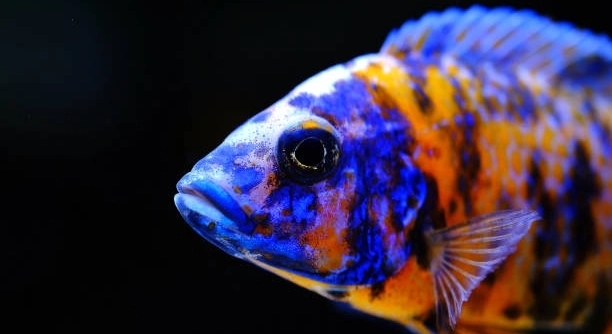
Convict cichlids are popular in home aquariums, yet many misconceptions surround their behavior and care. These fish are often misunderstood, leading to unnecessary stress for both the fish and their owners in the long term.
Several myths about convict cichlids persist, including exaggerated aggression, specific dietary misconceptions, and misunderstood breeding behaviors. Addressing these myths helps ensure proper care, healthier fish, and a more accurate understanding of their natural tendencies in captivity.
Understanding the truth behind these myths can improve your aquarium experience and foster a healthier environment for your convict cichlids. Proper knowledge makes caring for them simpler and more rewarding.
Myth 1: Convict Cichlids Are Always Aggressive
Convict cichlids are often labeled as highly aggressive, but this is not entirely accurate. While they can be territorial, their aggression usually occurs around breeding or defending a small space. Outside of these situations, they can coexist peacefully with other similarly sized fish. Stress, poor tank conditions, or overcrowding often trigger unwanted aggression. Observing their behavior carefully can help you understand when their actions are natural or a result of environmental pressures. Providing enough hiding spots and establishing clear territories reduces conflicts and promotes calm interactions. Many reports of extreme aggression stem from misunderstanding their social structure or placing incompatible species together. Keeping a balanced number of fish and maintaining clean, stable water conditions are key factors in minimizing aggressive displays. By recognizing their natural instincts, owners can create an environment where convict cichlids thrive without unnecessary confrontations, leading to a healthier and more harmonious aquarium experience overall.
Proper tank setup and observation are essential to prevent unnecessary conflicts and aggression among convict cichlids.
Many owners worry about aggression because convict cichlids show striking behavior during spawning. Male and female pairs often guard their eggs and fry vigorously, chasing away intruders. This natural instinct is commonly mistaken for unprovoked hostility. Outside of breeding, aggression is usually minor and situational. Tank size plays a significant role; overcrowded tanks intensify conflicts and stress. Providing hiding places and visual barriers can reduce tension. Understanding their triggers and observing behavior carefully ensures that aggression is controlled. Choosing compatible tank mates is also critical. Species that are too passive may be bullied, while similarly assertive species can maintain balance. Regular maintenance, consistent feeding schedules, and monitoring water quality contribute to a calm environment. Recognizing that aggression is a behavior tied to territory and reproduction, rather than inherent hostility, allows owners to manage their cichlids effectively, ensuring both safety and optimal health in the aquarium.
Myth 2: Convict Cichlids Only Eat Flakes
Many believe convict cichlids can survive on flakes alone, but a varied diet is necessary for their health.
A balanced diet including pellets, vegetables, and occasional live foods supports proper growth and coloration. Flakes provide some nutrients but lack the variety needed for long-term vitality and immune support.
Feeding convict cichlids only flakes can lead to nutritional deficiencies and dull colors. They benefit from protein-rich foods like brine shrimp or bloodworms, along with vegetables such as spinach or zucchini. Offering a range of foods stimulates natural foraging behaviors and reduces boredom, which can impact overall health. Overfeeding or relying on a single food type can also stress their digestive system. Observing their preferences and adjusting portions ensures they receive adequate nutrients. Proper feeding strengthens their immune system, supports reproductive health, and encourages vibrant coloring. By varying diet and monitoring intake, owners can meet all nutritional requirements, helping convict cichlids thrive while displaying their natural behaviors and appearance, creating a more engaging and visually appealing aquarium environment.
Myth 3: Convict Cichlids Can Live in Any Tank Size
While convict cichlids are hardy, small tanks often cause stress and aggression. A larger tank allows them space to establish territories, reducing conflicts and supporting healthier behavior overall.
Overcrowding is a common issue. When multiple cichlids share a small tank, territorial disputes escalate, and water quality can deteriorate quickly. A minimum tank size of 30 gallons is recommended for a single pair, with additional space for extra fish. Providing hiding spots, rocks, and plants helps each fish feel secure. Maintaining stable water conditions and avoiding sudden changes also contributes to reducing stress. Space and environmental enrichment are essential for long-term health and wellbeing.
Tank mates influence behavior. Aggressive or passive species affect how convict cichlids interact. Choosing compatible fish and monitoring behavior prevents unnecessary fights. Adequate swimming space, visual barriers, and consistent feeding routines promote calm interactions. Regular maintenance, such as cleaning and water changes, ensures optimal conditions. With proper planning, even multiple convict cichlids can thrive without constant aggression, highlighting the importance of thoughtful tank setup and ongoing observation to maintain a peaceful aquarium.
Myth 4: Convict Cichlids Breed Easily Without Intervention
Convict cichlids are prolific, but breeding requires proper conditions and care. Temperature, diet, and tank setup all influence successful spawning.
Breeding is influenced by environment. Pairs need a stable temperature, usually around 78–82°F, and a nutritious diet to produce healthy eggs and fry. A flat surface or breeding cave encourages spawning and reduces stress. Unstable conditions often result in failed attempts or weak fry. Monitoring water quality and maintaining a consistent light cycle supports breeding behavior.
Pairs may show aggression during breeding. They guard eggs and fry vigorously, chasing other fish away. Providing separate breeding spaces and sufficient hiding spots helps protect the young. Removing fry from overly aggressive tanks can prevent harm, but allowing natural parental care often yields stronger, healthier juveniles. Understanding these needs ensures higher survival rates and reduces stress for both parents and offspring, emphasizing the importance of controlled conditions and careful observation during breeding periods.
Myth 5: Convict Cichlids Only Like Hard Water
Convict cichlids can adapt to various water conditions, including moderately soft or slightly acidic water. While they prefer harder water, they are not strictly limited to it.
Maintaining stable water parameters is more important than exact hardness. Sudden fluctuations in pH or mineral content can stress the fish and trigger health issues.
Myth 6: Male and Female Convict Cichlids Look the Same
Males are generally larger with longer fins and more pronounced coloration, while females are smaller and show subtle patterns. Observing size and body shape helps distinguish them.
Myth 7: Convict Cichlids Can Ignore Tank Cleanliness
Dirty tanks directly affect health and behavior. Regular maintenance, including water changes and substrate cleaning, is crucial to prevent disease, stress, and aggressive behavior.
FAQ
How often should I feed my convict cichlids?
Feeding convict cichlids once or twice a day is usually enough. Offer small portions they can finish within a few minutes. Overfeeding can pollute the water and cause health problems. A varied diet including flakes, pellets, and occasional live or frozen foods ensures proper nutrition and supports growth.
Can convict cichlids live with other fish?
Yes, they can coexist with other species, but tank size and compatibility are important. Avoid keeping them with very passive fish that may be bullied or extremely aggressive species that could trigger fights. Providing hiding spots, plants, and rocks helps reduce tension. Observing behavior regularly ensures peaceful interactions.
What is the ideal tank size for a pair?
A minimum of 30 gallons is recommended for a single pair. Larger tanks are needed for additional fish to reduce territorial disputes. Adequate swimming space, hiding places, and visual barriers help each fish feel secure. Proper filtration and consistent water changes maintain a healthy environment.
How do I know when they are breeding?
Pairs usually become territorial and guard a chosen site. Eggs are laid on flat surfaces or inside caves. The female often stays close to eggs while the male patrols the area. Providing appropriate surfaces and hiding spots encourages spawning and protects the fry.
Do they need special water conditions?
Convict cichlids are hardy and tolerate a range of water conditions. Stable temperature, pH, and mineral content are more important than exact numbers. Avoid sudden changes in water chemistry, as this can stress the fish and reduce immunity. Regular monitoring ensures a safe environment.
How can I tell males from females?
Males are typically larger, with longer fins and more vivid markings. Females are smaller with subtle patterns and a rounder body shape. Observing these differences helps when planning breeding or managing tank dynamics, especially in mixed groups.
What causes aggression outside breeding periods?
Aggression often results from overcrowding, limited hiding spaces, or incompatible tank mates. Territorial disputes increase stress and can lead to injury. Maintaining adequate space, providing plants, rocks, and caves, and monitoring interactions reduces conflicts and promotes calmer behavior.
Are convict cichlids prone to disease?
They are generally hardy but can develop illnesses if water quality is poor or if stressed. Regular water changes, proper filtration, and a balanced diet reduce risks. Quarantining new fish before adding them helps prevent disease transmission in the tank.
Can they survive on flakes alone?
Flakes provide some nutrients, but a varied diet is necessary for health. Pellets, vegetables, and occasional live or frozen foods offer protein, vitamins, and minerals. Variety also encourages natural foraging behavior, reduces boredom, and promotes vibrant coloring.
Do they need a lot of maintenance?
Convict cichlids require regular water changes, monitoring of water parameters, and tank cleaning. Substrate and decorations should be checked for debris. Consistent maintenance prevents disease, stress, and excessive aggression, ensuring a healthy and balanced aquarium.
How fast do they grow?
Growth depends on diet, tank size, and water quality. In optimal conditions, juveniles grow quickly, reaching sexual maturity within six months. Proper nutrition and stable environmental conditions support steady growth, healthy development, and vibrant coloration.
Can they recognize their owners?
While convict cichlids may respond to movement or feeding routines, recognition is limited. They can learn to associate certain signals with food or activity, which may make them appear more interactive over time.
What is the best way to handle fry?
Allowing parents to care for fry is often best, as they provide protection and guidance. In aggressive setups, separating fry into a nursery tank ensures survival. Feeding small, nutritious foods and maintaining clean water supports healthy growth and development.
Are plants necessary in their tank?
Plants provide hiding spaces, reduce stress, and mimic natural habitats. While not strictly required, live or artificial plants improve tank aesthetics and create a more comfortable environment, reducing aggression and supporting natural behaviors.
How do I prevent overpopulation?
Monitoring breeding behavior and separating fry when necessary prevents overcrowding. Maintaining appropriate tank size, providing compatible tank mates, and controlling reproduction helps avoid stress and health issues caused by limited space and resources.
Final Thoughts
Convict cichlids are often misunderstood because of myths and misconceptions surrounding their behavior and care. Many believe they are overly aggressive, difficult to breed, or highly demanding, but most of these ideas are exaggerated. In reality, convict cichlids are hardy, adaptable, and capable of living peacefully in a well-maintained aquarium. Their aggression is usually situational, tied to territory or breeding, and can be managed with proper tank setup. Understanding their natural instincts and providing enough space, hiding spots, and compatible tank mates can prevent most conflicts. By observing their behavior closely and learning how they interact, owners can create a balanced environment that allows convict cichlids to thrive. A little knowledge goes a long way in ensuring that these fish remain healthy, vibrant, and interesting to watch without causing unnecessary stress for themselves or other fish in the tank.
Diet and water quality play equally important roles in the overall health of convict cichlids. While they can tolerate a range of water conditions, stability is essential. Sudden changes in pH, hardness, or temperature can stress the fish, making them more prone to illness or aggression. Feeding them a varied diet that includes flakes, pellets, vegetables, and occasional live foods ensures proper growth, strong coloration, and overall vitality. Relying on a single food type or neglecting their nutritional needs can lead to deficiencies and dull appearances. Maintaining clean water through regular changes and monitoring is just as crucial as diet. Substrate, decorations, and plants should be cleaned periodically to prevent buildup of waste and harmful bacteria. These simple steps improve water quality, reduce stress, and create a more natural environment that supports the fish’s behavior and longevity. A stable environment combined with proper feeding helps maintain peace in the tank and encourages convict cichlids to exhibit their natural behaviors.
Breeding convict cichlids is often another area where myths create confusion. While they are known for reproducing readily, successful spawning requires attention to environmental conditions and proper care. Pairs need suitable surfaces for eggs, stable water parameters, and a nutritious diet to produce healthy fry. Aggression around breeding is normal and part of their instinct to protect eggs and young, but providing enough hiding spots or a separate nursery tank can ensure the safety of the fry. Observing their behavior during this period helps owners manage potential conflicts and supports higher survival rates. Overall, keeping convict cichlids involves understanding their instincts, maintaining proper water conditions, feeding a balanced diet, and managing space and tank mates. With these steps, owners can enjoy a thriving, vibrant aquarium, free from the stress caused by common misconceptions. Convict cichlids are rewarding fish to care for when approached with knowledge and patience, making them suitable for a wide range of aquarium setups.

Hello,
If you enjoy the content that we create, please consider saying a "Thank You!" by leaving a tip.
Every little bit helps us continue crafting quality advice that supports the health, happiness, and well-being of pets around the world, for pets of all shapes, sizes, and species.
We really appreciate the kindness and support that you show us!