
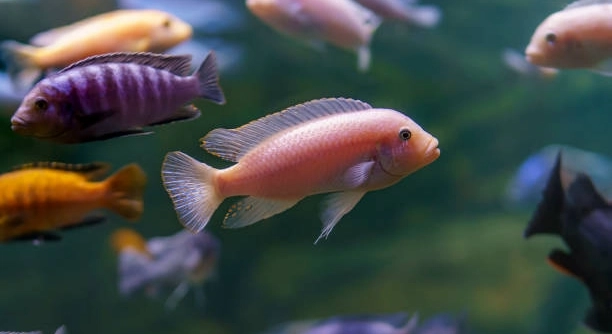
Do your convict cichlids swim actively but you are unsure if their tank really needs a filter? Many fish owners wonder if these hardy cichlids can survive comfortably without mechanical filtration in their aquarium.
Convict cichlids can survive without a filter, but doing so increases the risk of poor water quality. Regular water changes and careful monitoring are essential to maintain their health and prevent harmful ammonia and nitrite buildup.
Maintaining a clean tank without a filter requires commitment, but it can be managed with proper care and routine checks of water conditions.
Why Filters Matter for Convict Cichlids
Filters help maintain stable water conditions in your convict cichlid tank. These fish produce a significant amount of waste, which can quickly raise ammonia and nitrite levels. Without a filter, toxins build up faster than natural processes can remove them. Filters also circulate the water, improving oxygen levels and reducing stagnant areas where debris collects. While convict cichlids are hardy and adaptable, they still thrive in cleaner water. Mechanical filtration removes solid waste, while biological filtration supports beneficial bacteria that break down harmful compounds. Even with frequent water changes, filters provide a safety net against sudden spikes in toxins. Many owners notice healthier coloration and more active behavior in filtered tanks. In smaller tanks, the absence of a filter requires extra diligence, but larger setups benefit significantly from the added water movement and filtration efficiency a filter provides. Overall, filters simplify maintenance and protect your fish from preventable health issues.
Even hardy convict cichlids show more vibrant colors and energy when kept in filtered tanks.
Providing a filter reduces daily stress for both the fish and the owner. It minimizes the need for constant water testing and frequent partial changes. Filters maintain stable water parameters, which are essential for breeding and long-term health. Without a filter, the tank requires meticulous attention to prevent spikes in ammonia, nitrites, and nitrates, which can harm the fish. Using a filter allows for a more balanced ecosystem, supporting bacteria that naturally process waste. Some filters also provide gentle water flow, which stimulates natural behaviors in cichlids and helps prevent algae buildup. While it is possible to maintain convict cichlids without a filter, the workload increases, and the margin for error decreases. Choosing an appropriate filter type for tank size and stocking levels ensures your fish remain healthy and the tank remains clean over time.
Managing a No-Filter Tank
Maintaining a tank without a filter requires frequent water changes and careful monitoring of water quality.
In a no-filter setup, water changes are critical. Small weekly adjustments are not enough; larger, more frequent changes help keep ammonia and nitrite at safe levels. Testing the water daily allows early detection of harmful spikes. Gravel vacuuming removes uneaten food and waste that could otherwise accumulate. Overfeeding must be avoided, as excess food degrades water quality quickly. Adding live plants can help absorb some waste naturally, though they cannot fully replace filtration. Tank size plays a role—larger volumes of water dilute toxins more effectively, giving the owner more leeway. It is also important to observe fish behavior; lethargy, gasping, or unusual coloring can indicate water problems. Maintaining a stable, healthy environment without a filter demands attention and consistency. While it is achievable, owners must commit to a more intensive routine to ensure convict cichlids thrive.
Water Changes Without a Filter
Frequent water changes are essential for a no-filter convict cichlid tank. Changing 25–50% of the water multiple times a week helps maintain safe ammonia and nitrite levels, keeping fish healthy and active while preventing sudden water quality issues.
To manage water quality, start by testing ammonia, nitrite, and nitrate levels daily. Remove uneaten food immediately and vacuum the substrate during water changes to prevent waste buildup. Larger tanks dilute toxins better, reducing risk, but smaller setups require more attention. Adjusting water temperature and using dechlorinated water during changes prevents stress on the fish and maintains stability. Maintaining a consistent schedule ensures convict cichlids thrive without mechanical filtration.
Live plants can complement water changes by naturally absorbing nitrates and producing oxygen. Fast-growing species like hornwort or water sprite work well. However, plants alone cannot fully replace filtration, so continued monitoring and careful maintenance are still necessary. Observing fish behavior regularly helps detect early signs of poor water conditions. Combining frequent water changes with planted areas creates a more balanced, manageable tank environment for convict cichlids. Consistency and attention to detail are key to success without a filter.
Monitoring Water Parameters
Maintaining safe water parameters requires regular testing for ammonia, nitrites, nitrates, and pH. Even hardy convict cichlids are sensitive to sudden changes, so monitoring helps prevent stress and health problems.
Use reliable test kits and track readings daily, especially in a no-filter tank. Record data to notice trends and intervene early. If ammonia or nitrite rises, increase water changes and check for hidden waste. Keep pH stable, as sudden shifts can cause aggression or illness. Temperature consistency is equally important, as convict cichlids thrive in moderately warm water. Monitoring parameters allows proactive care and reduces the risk of sudden fish loss.
In addition to testing, observe fish behavior for subtle signs of water issues. Lethargy, loss of appetite, or gasping at the surface often indicate toxins are building up. Maintaining a clean tank, avoiding overfeeding, and removing debris promptly help stabilize conditions. Using water conditioners can neutralize harmful chemicals, while aeration supports oxygen levels in stagnant areas. Combining these practices ensures convict cichlids remain healthy and active, even in a tank without mechanical filtration. Consistent attention to parameters prevents preventable stress and disease over time.
Tank Size Considerations
Larger tanks make maintaining convict cichlids without a filter more manageable. Increased water volume dilutes waste, reducing toxin spikes and giving fish more stable living conditions. Small tanks require more frequent attention and rapid interventions to prevent water quality issues.
A tank over 30 gallons is recommended for no-filter setups. Smaller tanks can work but demand daily maintenance and monitoring. Larger tanks offer more space for natural behaviors, reduce stress, and make water changes less disruptive. They also allow adding plants or decorations that aid in water stability. Proper tank size balances convenience with fish health.
Feeding Practices
Overfeeding increases waste, which quickly deteriorates water in a no-filter tank. Feeding small portions ensures fish consume food completely and reduces leftover debris.
Benefits of Live Plants
Live plants help absorb nitrates and provide shelter. Fast-growing species improve water stability and create a healthier environment for convict cichlids.
FAQ
Can convict cichlids survive long-term without a filter?
Convict cichlids can survive without a filter, but long-term health depends on diligent care. Frequent water changes, substrate cleaning, and careful feeding are essential. Without filtration, ammonia and nitrite levels can rise quickly, causing stress and illness. Regular monitoring of water parameters is crucial to prevent problems and ensure the fish thrive.
How often should water be changed in a no-filter tank?
Water should be changed at least 25–50% multiple times a week. Smaller tanks require more frequent changes due to faster toxin accumulation. Larger tanks dilute waste more effectively but still benefit from consistent partial water changes. Using dechlorinated water at the same temperature helps prevent stress on the fish.
Is tank size important for no-filter setups?
Yes, tank size plays a major role. Larger tanks make maintaining water quality easier because waste is diluted and fluctuations are slower. Small tanks demand daily monitoring, rapid interventions, and careful feeding to prevent toxic buildup. A tank of 30 gallons or more is recommended for a no-filter setup.
Can live plants replace a filter?
Live plants help improve water quality by absorbing nitrates and producing oxygen, but they cannot fully replace a filter. They provide partial natural filtration, slow toxin buildup, and offer hiding spaces. Fast-growing species like hornwort or water sprite work best, but water changes and monitoring remain essential.
What are the risks of not using a filter?
The main risk is poor water quality leading to ammonia and nitrite spikes. These toxins stress fish, reduce immunity, and can cause disease or death. Stagnant water may encourage algae growth and reduce oxygen levels. Without a filter, consistent maintenance and observation are required to prevent these issues.
How can feeding be managed without a filter?
Feed small portions and remove uneaten food promptly. Overfeeding leads to excess waste, which deteriorates water quality quickly. Feeding once or twice a day in controlled amounts helps prevent leftover debris. Avoiding overfeeding is especially important in small, no-filter tanks.
How do I monitor water parameters without a filter?
Use reliable test kits to measure ammonia, nitrites, nitrates, and pH. Testing daily allows early detection of harmful spikes. Record readings to track trends and intervene quickly. Observing fish behavior, like gasping or lethargy, is also a key indicator of water quality issues.
Do convict cichlids behave differently without a filter?
They may be less active if water quality declines. Stress from poor conditions can lead to hiding, aggression, or loss of appetite. Maintaining stable water parameters through frequent changes and careful feeding supports natural behaviors and reduces stress in no-filter tanks.
Can water conditioners help in a no-filter tank?
Yes, water conditioners neutralize harmful chemicals like chlorine and chloramine. Some also detoxify ammonia temporarily, giving more time to perform water changes. Using conditioners in combination with regular water changes provides extra protection for convict cichlids in a no-filter environment.
Is it harder to breed convict cichlids without a filter?
Breeding is possible but more challenging. Stable water conditions are critical for egg and fry survival. Frequent monitoring, water changes, and careful feeding support breeding efforts. Live plants provide hiding spaces for fry, but filtration would reduce the maintenance workload and increase survival rates.
How do I prevent algae growth without a filter?
Algae can grow quickly in stagnant water. Reduce excess nutrients by avoiding overfeeding and removing debris promptly. Incorporating live plants helps compete with algae for nutrients. Regular partial water changes and moderate lighting further control algae without the need for a filter.
Can I switch from no-filter to filtered later?
Yes, transitioning to a filtered system is straightforward. Introduce a filter gradually to allow fish to adjust to water flow. Beneficial bacteria may need time to establish on the filter media. Continue monitoring water parameters closely during the transition to avoid sudden changes.
Are there any tools besides filters to help maintain water quality?
Aerators and sponge filters can improve oxygen levels and provide minimal biological filtration. Gravel vacuums help remove debris during water changes. Combining these tools with live plants and careful maintenance makes a no-filter setup more manageable and supports convict cichlid health.
How do I know if my fish are stressed in a no-filter tank?
Signs of stress include lethargy, loss of appetite, hiding, gasping at the surface, or unusual coloration. Stress often indicates water quality issues, insufficient oxygen, or overcrowding. Observing behavior daily helps catch problems early and allows corrective action before health declines.
Can I maintain multiple convict cichlids in a no-filter tank?
Yes, but stocking density must be low. More fish produce more waste, increasing the risk of toxic buildup. Larger tanks are essential, and water changes must be more frequent. Monitoring water parameters becomes even more critical to maintain a safe environment for multiple fish.
What is the easiest way to start a no-filter setup?
Begin with a larger tank, add live plants, and establish a cleaning and testing routine. Feed small amounts, remove uneaten food promptly, and perform regular partial water changes. Consistency and attention to water quality are the most important factors for success without a filter.
How often should substrate be cleaned without a filter?
Gravel or sand should be vacuumed during water changes at least once a week. Accumulated waste in the substrate can release ammonia and nitrites, deteriorating water quality. Cleaning helps reduce toxins, prevent algae, and maintain a healthier environment for convict cichlids.
Are there specific water parameters ideal for convict cichlids in no-filter tanks?
Maintain ammonia and nitrite at zero and nitrates below 40 ppm. pH should stay between 6.5 and 8.0, and temperature around 75–82°F. Stable conditions reduce stress and encourage natural behaviors. Frequent testing ensures parameters remain safe without relying on a filter.
Can I keep other fish with convict cichlids in a no-filter tank?
Compatibility is limited. Convict cichlids are aggressive and territorial. Adding other species increases waste, complicating maintenance, and raises stress levels. Only hardy, similarly sized fish may work, and close observation is necessary to prevent aggression and maintain water quality.
What should I do if water quality suddenly drops?
Perform an immediate large water change, remove debris, and test parameters. Reduce feeding temporarily to minimize waste. Observe fish for signs of stress and repeat partial changes until water stabilizes. Quick action prevents long-term damage and keeps convict cichlids healthy in a no-filter environment.
Is it worth keeping convict cichlids without a filter?
It is possible for experienced hobbyists willing to commit to frequent maintenance and monitoring. The fish can survive and thrive with careful attention to water quality, feeding, and tank conditions. For convenience and long-term stability, using a filter is generally recommended.
How do I prevent overfeeding without a filter?
Feed small amounts that fish can finish in a few minutes. Remove leftover food immediately to avoid decay. Stick to a consistent schedule and avoid free-feeding. Proper portion control reduces waste, keeps water cleaner, and supports healthy growth in a no-filter tank.
Can I use decorations in a no-filter tank?
Yes, but choose items that are easy to clean. Avoid porous decorations that trap waste and contribute to ammonia buildup. Smooth surfaces are easier to vacuum and maintain. Decorations also provide hiding spaces, reducing stress and encouraging natural behaviors in convict cichlids.
What is the most common mistake in no-filter tanks?
The most common mistake is underestimating the need for frequent water changes and monitoring. Owners may overfeed or neglect substrate cleaning, allowing toxins to accumulate. Staying consistent with maintenance routines is essential to keep convict cichlids healthy without a filter.
Are there any signs that a filter might still be needed?
Rapid algae growth, persistent cloudy water, or frequent fish stress indicate that natural maintenance alone is insufficient. If daily water changes and plant use fail to stabilize the tank, introducing a filter is the safest solution to protect fish health.
How long can water remain stable without a filter?
Stability depends on tank size, stocking levels, and maintenance. Large, lightly stocked tanks with plants and regular care may remain stable for days, but small or heavily stocked tanks can deteriorate within hours. Consistency in water changes and monitoring is critical for stability.
Can I automate any aspects of a no-filter tank?
Timers for lighting and automated feeders can help, but manual water changes and testing cannot be fully automated. Regular observation remains necessary. Automation reduces workload slightly but does not replace the attention needed for a no-filter convict cichlid setup.
Are juvenile convict cichlids more sensitive without a filter?
Yes, fry and juveniles are particularly sensitive to toxins. Small spikes in ammonia or nitrites can be fatal. Extra care with water changes, feeding, and monitoring is required to ensure healthy growth in a no-filter environment.
How do I gradually reduce filter reliance if needed?
Reduce filter flow slowly while increasing water changes to compensate. Monitor water parameters closely and adjust feeding. Introduce live plants to help maintain balance. Gradual adjustments allow fish to adapt and prevent sudden stress or water quality problems.
Is it more difficult to maintain water temperature without a filter?
Temperature control is not directly tied to filtration, but stagnant water may heat or cool unevenly. Use a reliable heater and monitor temperatures daily to ensure stability, especially in small no-filter tanks. Proper temperature supports metabolism and overall health.
Can I use a sponge filter instead of a regular filter?
Yes, sponge filters provide gentle water movement and biological filtration. They are safer for fry and reduce maintenance stress. While not as efficient as full mechanical filters, they help maintain cleaner water in low-tech setups.
What maintenance schedule works best for no-filter tanks?
Daily observation, checking water parameters, and removing uneaten food are essential. Partial water changes 2–3 times per week, weekly substrate cleaning, and plant care create a consistent routine. Following a strict schedule minimizes risks and keeps convict cichlids healthy without a filter.
Are there any advantages to keeping convict cichlids without a filter?
Some enjoy the hands-on approach and greater control over tank conditions. Observing fish behavior and water chemistry more closely can be rewarding. It can also reduce energy use and equipment costs, but requires more time and dedication to maintain stable conditions.
How do I prevent disease without a filter?
Consistent water changes, clean substrate, controlled feeding, and observation help prevent disease. Stress from poor water quality is the main trigger for illness. Maintaining stable conditions and removing waste promptly reduces the likelihood of infections and promotes long-term health.
Can I use chemical filtration in a no-filter tank?
Chemical filtration like activated carbon is not practical without water flow. It requires circulation to remove impurities effectively. Without a filter, relying on water changes, live plants, and careful feeding remains the most effective approach for maintaining clean water.
Do convict cichlids require special care when transitioning to a no-filter tank?
Yes, gradually reduce filter usage while increasing water changes. Monitor water parameters closely and ensure stable conditions. Avoid sudden changes to prevent stress. Introducing live plants helps maintain water quality and creates a more balanced environment for the fish.
Is it possible to fully automate water changes in a no-filter setup?
While some systems exist, most hobbyists manually perform water changes. Automation can help maintain consistency, but close observation is still required to detect issues and adjust care as needed. Full automation cannot replace attention to fish health.
How do I handle breeding without a filter?
Breeding requires stable water conditions. Use frequent water changes, monitor ammonia and nitrites, and provide hiding spaces with plants. Remove uneaten food promptly. Maintaining a stress-free environment improves egg and fry survival, though it demands more frequent maintenance than filtered setups.
Can I keep multiple species with convict cichlids in a no-filter tank?
Compatibility is limited. Convict cichlids are aggressive, and additional fish increase waste, complicating maintenance. Only hardy, similarly sized species may coexist, but careful monitoring is essential to prevent aggression and maintain water quality.
What are emergency steps if fish appear stressed or sick?
Perform a large water change, remove debris, check parameters, and reduce feeding. Observe closely and isolate sick individuals if needed. Acting quickly prevents worsening conditions and helps maintain a healthy tank in a no-filter environment.
How do I maintain oxygen levels without a filter?
Aeration from air stones or surface agitation improves oxygen. Live plants also contribute oxygen during the day. Ensuring proper oxygenation prevents fish from gasping at the surface and reduces stress in stagnant water conditions.
What role does substrate choice play in a no-filter tank?
Smooth gravel or sand is easiest to clean and prevents waste buildup. Porous substrates trap debris, increasing ammonia and nitrite risk. Selecting the right substrate simplifies maintenance and contributes to better water quality for convict cichlids.
Can small water changes prevent ammonia spikes entirely?
Partial water changes help but cannot guarantee complete prevention. Regular cleaning, controlled feeding, and monitoring are necessary. Even with changes, high stocking or overfeeding can still cause spikes, requiring prompt intervention to protect fish.
Is manual cleaning more effective than a filter in some cases?
Manual cleaning allows targeted removal of waste and uneaten food. While filters automate some processes, hands-on maintenance ensures debris is fully removed and water parameters are monitored closely. This method is effective but requires consistent effort.
Can I rely on natural bacteria in a no-filter tank?
Beneficial bacteria develop on surfaces, substrate, and plants, helping process waste. However, without mechanical filtration, bacterial colonies may not fully handle waste, making frequent water changes and careful monitoring essential for stable conditions.
How do I gradually add fish to a no-filter tank?
Add one fish at a time, monitoring water parameters for several days before adding another. This prevents sudden ammonia or nitrite spikes, giving natural bacteria time to establish and maintain water quality.
Are there signs of nitrogen cycle imbalance without a filter?
Cloudy water, algae blooms, lethargy, or sudden fish stress indicate imbalance. Frequent testing of ammonia, nitrites, and nitrates helps detect issues early. Maintaining consistent cleaning and feeding routines supports a stable nitrogen cycle without filtration.
How important is observation in a no-filter setup?
Daily observation is critical. Fish behavior, water clarity, and plant health provide immediate clues to potential problems. Close attention allows early intervention, preventing long-term damage and ensuring convict cichlids remain healthy and active.
Can I keep fry alive without a filter?
Yes, but it is more difficult. Fry are sensitive to toxins, require stable water, and benefit from plants for shelter. Frequent water changes and careful feeding are essential to prevent mortality in a no-filter tank.
Are there specific challenges during hot or cold seasons?
Temperature fluctuations can stress fish. Use heaters or insulation to maintain stability. Stagnant water without a filter may heat or cool unevenly, making monitoring more important. Stable temperature supports metabolism and overall health year-round.
How do I combine live plants, water changes, and feeding effectively?
Feed small portions, remove leftovers, and perform scheduled water changes. Plants absorb some nutrients, helping maintain balance. Observation ensures adjustments are made as needed, creating a stable and healthy environment for convict cichlids.
Is a sponge filter a good compromise?
Yes, sponge filters provide gentle water flow and biological filtration. They help maintain water quality and are safer for fry. While not as effective as mechanical filters, they reduce maintenance stress in low-tech setups.
What is the recommended stocking density for no-filter tanks?
Keep numbers low to reduce waste. Overcrowding increases toxin buildup and stress. One pair per 20–30 gallons is safer, allowing water changes and monitoring to be more effective. Proper stocking ensures healthier, more active fish.
How do I handle sudden illness outbreaks?
Isolate affected fish, perform water changes, and check parameters immediately. Reduce feeding and remove debris. Rapid intervention prevents spread and supports recovery in a no-filter environment.
Are there long-term disadvantages to not using a filter?
Yes, it increases maintenance workload and risk of sudden water quality problems. Stability depends entirely on human intervention. While manageable, a filter generally provides safer, more consistent conditions for convict cichlids over the long term.
How do I gradually reduce maintenance if conditions stabilize?
Even with stability, regular checks are required. You can slightly extend time between water changes but must continue monitoring water parameters and fish behavior. Reducing effort too much risks sudden toxin buildup.
Can I use artificial plants in place of live ones?
Artificial plants provide hiding spaces but do not absorb nitrates or improve water quality. They help reduce stress but cannot replace live plants for partial natural filtration and oxygen production in a no-filter tank.
What is the biggest challenge in keeping convict cichlids without a filter?
Maintaining consistent water quality is the biggest challenge. It requires daily observation, frequent water changes, careful feeding, and substrate cleaning. Missing any step can lead to toxic buildup and stress, affecting fish health and survival.
How do I prevent ammonia and nitrite spikes naturally?
Feed sparingly, remove waste promptly, maintain plants, and perform regular water changes. Gradual introduction of fish allows beneficial bacteria to process toxins. Consistency and attention to detail are essential to prevent harmful spikes in a no-filter tank.
Can I rely on surface agitation alone to improve water quality?
Surface agitation helps oxygenate water but does not remove toxins. Combining it with water changes, live plants, and proper feeding is necessary to maintain a safe environment for convict cichlids.
How do I balance convenience with fish health?
A no-filter tank requires more time but offers hands-on control. Frequent monitoring, water changes, and careful feeding are essential. Balancing effort with stable conditions ensures convict cichlids remain healthy and active without mechanical filtration.
What are the key takeaways for a successful no-filter setup?
Consistency in water changes, careful feeding, substrate cleaning, live plants, and monitoring water parameters are crucial. Observing fish behavior and maintaining stable conditions ensures long-term success and minimizes stress for convict cichlids.
Keeping convict cichlids without a filter is possible, but it requires careful planning and consistent maintenance. These fish are hardy, which allows them to survive in simpler setups, but their resilience does not eliminate the need for proper care. Without a filter, water quality can change quickly, and ammonia or nitrite levels can become dangerous if left unchecked. Frequent water changes, careful feeding, and substrate cleaning are essential to maintain a healthy environment. Using dechlorinated water at the correct temperature and monitoring water parameters daily helps prevent stress and illness. Live plants can assist by absorbing some waste and producing oxygen, but they cannot replace human intervention entirely. Understanding the responsibilities of a no-filter setup is important before deciding to rely solely on natural processes.
A tank without a filter demands more attention than a filtered setup. It is important to observe fish behavior closely, as signs like gasping, hiding, or loss of appetite can indicate problems. Tank size plays a significant role in stability. Larger tanks dilute toxins more effectively and provide space for natural behaviors, making maintenance easier. Small tanks are more sensitive to overfeeding and waste buildup, so daily monitoring and more frequent water changes are necessary. Overfeeding is a common issue that accelerates water deterioration, so portions must be controlled. Gravel or sand should be vacuumed regularly to prevent debris accumulation. Combining these practices ensures water quality remains stable and reduces the risk of stress-related illness. Consistency is the key to success in a no-filter environment.
While filters make aquarium maintenance more convenient and stable, avoiding one is achievable with dedication and planning. A no-filter tank offers the advantage of direct control over water conditions and closer observation of fish behavior. However, it is not a setup that can be neglected. Regular testing of ammonia, nitrites, nitrates, and pH, along with controlled feeding and proper cleaning, is essential for the long-term health of convict cichlids. Using live plants, monitoring fish activity, and maintaining appropriate tank size all contribute to a balanced ecosystem. Those willing to commit to these routines can successfully keep convict cichlids in a healthy, thriving environment without mechanical filtration. The effort is higher, but with consistent care, these hardy fish can live comfortably and exhibit natural behaviors even in a no-filter tank.

Hello,
If you enjoy the content that we create, please consider saying a "Thank You!" by leaving a tip.
Every little bit helps us continue crafting quality advice that supports the health, happiness, and well-being of pets around the world, for pets of all shapes, sizes, and species.
We really appreciate the kindness and support that you show us!