
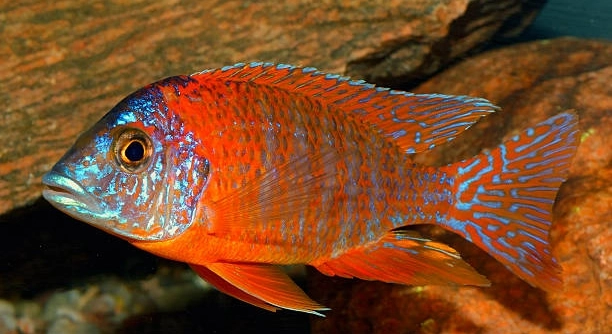
Adding a cichlid to your tank can bring vibrant colors and lively activity to your aquarium. These fish are popular for their unique behaviors, but they require careful consideration before introduction to ensure a healthy environment.
Before adding a cichlid, it is essential to assess tank size, water parameters, compatibility with existing species, and territorial behaviors. Proper planning ensures a stable environment, reduces stress, and promotes the long-term health of all aquatic inhabitants.
Understanding these key factors will help you create a balanced tank and enjoy the benefits of a thriving aquatic community. Proper preparation is the first step toward success.
Choosing the Right Tank Size
Cichlids are active fish that need space to swim and establish territories. A small tank can cause stress and aggressive behaviors, which may lead to illness or injury. Generally, larger cichlids need tanks of at least 55 gallons, while smaller species may do well in 30 gallons, depending on their temperament. Overcrowding should be avoided, as it increases competition for resources and can result in conflicts. Consider not just the number of fish but also their adult size. Decorations, rocks, and hiding places are important for creating boundaries, but they do not replace adequate swimming space. A tank that is too small can also make it difficult to maintain stable water conditions, which are crucial for cichlid health. Planning your tank size carefully ensures your fish remain active, healthy, and display their natural behaviors. This preparation is key to a successful aquarium setup.
Tank size affects both fish behavior and water quality, making it a critical consideration before adding cichlids.
Providing enough room reduces stress and aggressive interactions, supports natural behaviors, and makes maintaining stable water conditions easier.
Water Conditions and Maintenance
Cichlids are sensitive to water quality, and poor conditions can quickly affect their health. Regular testing of pH, ammonia, nitrite, and nitrate levels is necessary to prevent disease. Most cichlids prefer slightly alkaline water with stable temperatures between 74 and 82°F, depending on the species. Sudden changes in water chemistry can lead to stress, which suppresses their immune system. Filtration is crucial to remove waste, uneaten food, and toxins, while water changes of 20-30% weekly help maintain cleanliness. Using dechlorinated water prevents harmful chemicals from entering the tank. Attention to substrate, rocks, and plants can also impact water conditions, as some materials may alter pH levels. Monitoring water parameters consistently allows for early detection of issues, giving you time to correct them before they harm your fish. Proper water maintenance ensures your cichlids thrive and exhibit their natural colors and behaviors.
Maintaining stable water conditions keeps your cichlids healthy and active, preventing common illnesses caused by neglect or improper care.
Consistent water care involves testing, filtering, and regular changes to maintain the proper environment. Adjusting pH and temperature to match species requirements supports natural behaviors and reduces stress. Even small tanks benefit from careful monitoring, and investing in quality equipment like heaters, filters, and test kits makes daily upkeep manageable. Beyond equipment, observing fish behavior helps identify subtle signs of poor water quality. Cloudy water, sluggish activity, or unusual hiding may indicate a need for intervention. Balancing all these factors creates a tank where cichlids can thrive, display their colors, and interact naturally. Over time, maintaining water quality becomes a routine that ensures long-term health and a more enjoyable aquarium experience.
Compatibility with Other Fish
Cichlids can be aggressive, making compatibility a key concern. Avoid housing them with small, timid fish that may be bullied. Research species that tolerate each other well to prevent conflicts and ensure a harmonious tank environment.
Even within cichlid species, aggression levels vary. African cichlids from the Rift Lakes are often territorial and may fight over space, while South American cichlids can show more flexibility. Gender ratios also matter; keeping one male with multiple females can reduce fighting. Introducing new fish slowly and providing ample hiding spots helps minimize stress. Observing behavior daily allows quick intervention if aggression escalates. Choosing compatible tankmates ensures your cichlids live in a stable and less stressful environment, encouraging natural behaviors and social interaction.
Tank setup impacts compatibility as much as species selection. Rock formations, plants, and open swimming areas create boundaries, helping reduce confrontations. Separating aggressive fish or using dividers during introductions can prevent injuries. Additionally, feeding routines influence interactions; consistent, adequate feeding reduces competition and tension. Avoid overcrowding, as limited space increases stress and triggers disputes. Matching temperament, size, and environmental needs of all species in the tank is essential. Proper planning and observation result in a more peaceful aquarium, where cichlids can display natural behaviors without constant conflict.
Diet and Feeding Requirements
Cichlids need a balanced diet tailored to their species, including protein, vegetables, and occasional treats. Feeding multiple times a day in small amounts prevents overfeeding and maintains water quality.
Some species are primarily carnivorous, while others thrive on plant matter or a mixed diet. High-quality pellets, frozen or live food, and fresh vegetables provide essential nutrients. Avoid overfeeding, which can lead to obesity and poor water conditions. Observing feeding behavior helps determine if all fish are receiving adequate nutrition. Rotate food types to cover nutritional needs and promote natural foraging behavior. Feeding schedules and portion control are key to keeping cichlids healthy and active.
Consistency in feeding encourages predictable behavior and supports growth. Uneaten food should be removed to prevent water contamination. Supplements like spirulina or vitamins can enhance coloration and immune function. Live food encourages natural hunting instincts, especially for more active species. Adjusting diet according to age, size, and species ensures optimal health, while avoiding processed foods high in fillers reduces digestive issues. Proper feeding practices enhance longevity and overall vitality, making cichlids more resilient to stress and environmental changes. Monitoring dietary habits also provides early signs of illness or imbalance, allowing prompt corrective action to maintain a thriving aquarium.
Tank Decorations and Hiding Spots
Cichlids need places to hide and establish territories. Rocks, caves, and plants help reduce aggression and create a natural environment. Proper decoration prevents stress and allows fish to exhibit natural behaviors, promoting a balanced tank community.
Spacing decorations to leave open swimming areas is important. Overcrowding with ornaments can trigger fights, while too few hiding spots leaves fish exposed. A balanced setup ensures both safety and freedom.
Monitoring Health
Regular observation is essential to catch early signs of illness. Look for changes in behavior, appetite, or appearance, such as faded colors, clamped fins, or unusual swimming patterns. Early detection allows prompt intervention, improving recovery chances.
Breeding Considerations
Cichlids may breed readily in home tanks. Be prepared for increased aggression, territorial disputes, and the need to separate fry from adults to ensure survival.
Quarantine New Fish
New additions should be quarantined for at least two weeks. This prevents introducing diseases or parasites into the established tank, protecting all residents.
FAQ
What is the best tank size for a cichlid?
The ideal tank size depends on the species. Larger African cichlids usually require 55 gallons or more, while smaller South American species can thrive in 30 gallons. Providing ample space reduces aggression, allows natural swimming behaviors, and makes water maintenance easier. Overcrowding often causes stress, fights, and health issues.
How do I maintain proper water conditions?
Regular testing of pH, ammonia, nitrite, and nitrate is crucial. Most cichlids prefer slightly alkaline water and stable temperatures between 74 and 82°F. Weekly water changes of 20-30% and a good filtration system maintain cleanliness. Dechlorinated water prevents chemical damage, and observing fish behavior helps spot early problems.
Can cichlids live with other fish?
Compatibility depends on species, size, and temperament. African cichlids are often territorial, while South American species may tolerate more companions. Avoid mixing them with small, timid fish that can be bullied. Gender ratios and tank layout with hiding spots also influence aggression levels.
What should I feed cichlids?
Cichlids need a balanced diet including pellets, live or frozen food, and vegetables. Overfeeding can harm water quality and fish health. Carnivorous species need more protein, while herbivores thrive on plants. Feeding small amounts multiple times a day ensures proper nutrition and reduces waste. Rotating food types encourages natural behaviors.
How do I prevent aggression?
Provide plenty of hiding spots, caves, and plants to break sight lines and reduce territorial disputes. Avoid overcrowding, introduce new fish gradually, and maintain proper gender ratios. Observing daily behavior helps detect early conflicts, allowing quick action before fights escalate.
How often should I check on my fish?
Daily observation is important to monitor health, behavior, and water quality. Look for changes in appetite, swimming patterns, or coloration. Quick attention to unusual signs helps prevent illness and ensures a stable tank environment.
Do cichlids breed easily?
Many cichlid species breed readily, often leading to aggressive behaviors around spawning. Separate fry from adults to prevent predation and ensure survival. Proper hiding spots and tank layout can minimize stress during breeding periods, allowing adults and young to thrive safely.
How do I quarantine new fish?
New fish should be quarantined for at least two weeks in a separate tank. This prevents introducing parasites or diseases into the main aquarium. Monitor water conditions and behavior closely, treating any health issues before adding them to the established tank.
What equipment is essential for cichlids?
A reliable filter, heater, thermometer, test kits, and lighting are essential. Decorations like rocks and plants create hiding spots and territories. Using high-quality equipment ensures stable conditions, reduces stress, and supports the health and well-being of all fish in the tank.
How do I handle a sick cichlid?
Isolate the affected fish in a hospital tank, check water conditions, and identify symptoms. Use appropriate treatments based on the illness. Maintaining good hygiene and monitoring all tank inhabitants reduces the risk of spreading disease and ensures faster recovery.
Can I mix different cichlid species?
Mixing species requires careful research. Consider size, temperament, and origin. Aggressive combinations may lead to constant fighting, injuries, or stress. Proper tank setup, hiding spots, and monitoring can help, but some species are best kept with their own kind to ensure peace.
How do I manage water temperature?
Most cichlids thrive between 74 and 82°F. Use a reliable heater and thermometer to maintain stability. Sudden changes can cause stress and weaken the immune system, increasing susceptibility to disease. Gradual adjustments are safer if changes are necessary.
What signs indicate a healthy cichlid?
Bright colors, active swimming, regular appetite, and clean fins are indicators. Fish should explore their environment, interact normally with tankmates, and respond to feeding. Any deviation from these behaviors may signal stress, illness, or poor water conditions, requiring prompt attention.
How do I prevent overfeeding?
Feed small amounts multiple times daily, removing uneaten food promptly. Overfeeding leads to poor water quality, obesity, and increased aggression. Observe your fish during feeding to ensure all receive enough nutrition without leaving excess waste behind.
How important is tank decoration?
Decorations provide hiding spots, break up territories, and reduce stress. Rocks, caves, and plants allow fish to display natural behaviors and prevent conflicts. Proper spacing ensures swimming freedom while still offering protection, creating a more balanced and comfortable environment for cichlids.
Caring for cichlids requires attention to several key factors to ensure their health and well-being. Tank size, water conditions, diet, and compatibility all play a critical role in creating a stable environment. Without proper planning, cichlids can become stressed, aggressive, or prone to illness. Providing a spacious tank with open swimming areas and adequate hiding spots allows them to exhibit natural behaviors, reduces conflicts, and creates a balanced atmosphere for all fish. Regular observation helps identify potential problems early, whether it is signs of illness, aggression, or water quality issues. Taking the time to research species-specific needs, such as pH preference, temperature range, and dietary requirements, ensures that each fish receives the care it needs to thrive. Consistency in maintenance and careful monitoring will help prevent common problems and make the tank a healthier and more enjoyable environment.
Maintaining water quality is perhaps the most important aspect of cichlid care. Stable parameters, such as pH, temperature, and ammonia levels, are essential for long-term health. Weekly water changes, a reliable filtration system, and routine testing help prevent buildup of toxins that can harm your fish. Observing your cichlids daily allows you to notice subtle changes in behavior or appearance, which often indicate early signs of stress or disease. Proper feeding practices also support water quality. Providing balanced nutrition in small portions multiple times a day reduces uneaten food and waste, which can otherwise contaminate the tank. Rotating food types, including protein sources, vegetables, and occasional live or frozen foods, ensures that cichlids receive the nutrients they need. By focusing on both water maintenance and proper feeding, you create conditions that allow your fish to flourish naturally, showing their vibrant colors and active personalities.
Compatibility and social structure are also key to a thriving cichlid tank. Some species are naturally aggressive and territorial, making it important to choose tankmates carefully. Gender ratios, hiding spots, and tank layout all influence how fish interact. Introducing new fish gradually and monitoring behavior closely helps prevent fights and injuries. Breeding should also be considered, as it can increase aggression or require separation of fry to ensure survival. Quarantining new additions protects the established population from disease and parasites. Decorations, plants, and rocks provide territories, reduce stress, and allow fish to explore their environment safely. By paying attention to social dynamics and environmental design, you can create a peaceful and stimulating habitat. Consistent care, careful observation, and attention to species-specific needs are essential for a successful cichlid aquarium, ensuring long-term health and a more enjoyable experience for both fish and caretaker.

Hello,
If you enjoy the content that we create, please consider saying a "Thank You!" by leaving a tip.
Every little bit helps us continue crafting quality advice that supports the health, happiness, and well-being of pets around the world, for pets of all shapes, sizes, and species.
We really appreciate the kindness and support that you show us!