
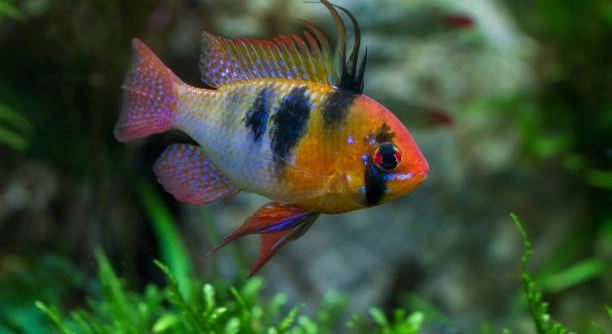
Cichlids are colorful and lively fish, but they can become stressed easily if their environment is not carefully managed. Many hobbyists overlook small details that can affect their health and behavior.
Cichlids experience stress due to poor water quality, overcrowding, improper temperature, lack of hiding spots, incompatible tank mates, inadequate diet, and sudden environmental changes. Each of these conditions can negatively impact their immune system and overall well-being.
Learning about these common stressors helps ensure your cichlids remain healthy and vibrant, providing a more balanced and comfortable home for them to thrive.
Poor Water Quality
Maintaining clean water is essential for cichlids’ health. Dirty water causes stress and can lead to disease, reduced appetite, and unusual behavior. Uneaten food, waste, and decaying plants release harmful chemicals like ammonia and nitrites, which accumulate quickly if filtration is inadequate. Regular testing of pH, ammonia, nitrites, and nitrates helps identify problems early. Changing water partially each week keeps conditions stable and safe for your fish. Temperature fluctuations can worsen poor water quality effects. Even slight changes in pH or hardness can stress sensitive cichlids. Using a reliable filter, removing debris, and vacuuming the substrate are simple steps that significantly improve water conditions. Avoid overcrowding because more fish produce more waste, overwhelming filtration systems. Aquatic plants can help absorb toxins but should not replace consistent cleaning. Observing your cichlids’ behavior daily allows you to catch signs of stress early, including lethargy, faded colors, or unusual hiding patterns, which often indicate water issues.
Regular water testing and weekly partial water changes are necessary to maintain a stable and healthy environment, reducing stress and preventing illness in cichlids.
Maintaining clean water affects all aspects of a cichlid tank. Proper filtration and regular cleaning prevent toxins from building up and keep fish active. It also supports beneficial bacteria, which help break down waste and maintain a balanced ecosystem. Over time, stable water quality encourages normal behavior, bright colors, and a strong immune system. Observing the tank carefully helps identify early signs of stress before problems worsen. Small daily habits, like removing uneaten food and checking filter performance, make a significant difference. Adding plants, decorations, and hiding spots improves oxygen levels and provides comfort, further reducing stress. Overall, consistent maintenance and monitoring ensure your cichlids live longer, healthier lives.
Overcrowding
Too many cichlids in one tank can create tension, aggression, and poor water quality. Crowding increases stress and reduces hiding spots, causing constant conflict.
Overcrowding leads to aggression, stunted growth, and weakened immunity. Each fish needs space to establish territory and swim freely, especially territorial species.
Proper stocking requires knowledge of your cichlids’ size, behavior, and tank dimensions. Overcrowded tanks force fish to compete for food, oxygen, and territory, often leading to injuries and chronic stress. Territorial species, like African cichlids, are particularly sensitive to crowding, and even small increases in numbers can trigger fights. Providing enough swimming space, using dividers or decorations to create territories, and monitoring interactions helps prevent conflicts. Overcrowding also affects filtration efficiency, causing faster toxin buildup. Choosing compatible species, maintaining appropriate numbers, and separating aggressive individuals ensures a peaceful environment. Observing behavior regularly allows for timely adjustments before stress affects health. Properly managing tank population is key to keeping cichlids vibrant and active, maintaining a balanced and enjoyable aquarium for both the fish and the caretaker.
Improper Temperature
Cichlids need stable water temperatures. Sudden changes or extremes can shock their system, affecting appetite and behavior. Maintaining the recommended range for your species prevents stress and keeps fish active and healthy.
A heater and thermometer are essential tools for keeping the temperature steady. Tropical cichlids typically thrive between 75°F and 82°F, but slight variations can be harmful. Rapid drops or rises in temperature can weaken their immune system, making them prone to disease. Even a small fluctuation can cause hiding, lethargy, or aggressive behavior. Consistent monitoring ensures the tank stays within the safe range, reducing unnecessary stress and supporting normal activity. Avoid placing tanks near drafts, vents, or direct sunlight that could change water temperature suddenly.
Gradual adjustments are safer when changing water or relocating the tank. Allowing fish to acclimate slowly prevents shock. Using reliable equipment, like adjustable heaters and accurate thermometers, makes maintaining the proper range easier. Temperature stability works hand in hand with clean water and proper stocking, creating an environment where cichlids can thrive. Observing behavior daily helps detect issues early. Healthy cichlids display active swimming, regular feeding, and vibrant coloration, all signs that temperature is suitable and stress is minimized.
Lack of Hiding Spots
Cichlids need places to feel secure. Without adequate hiding spots, stress increases and aggressive behavior becomes more common. Rocks, caves, and plants provide shelter and reduce tension in the tank.
Hiding spots allow cichlids to establish territory and escape conflicts. They also create a sense of security, reducing stress-induced illnesses.
Providing a variety of shelters improves tank dynamics and supports natural behavior. Different species prefer different types of cover—some hide under rocks, while others retreat among plants or decorations. Lack of hiding places forces timid fish into constant exposure, increasing stress and triggering aggression from dominant individuals. Structured territories allow cichlids to interact more peacefully, minimizing fights and injuries. Even small additions, like clay pots or driftwood, can make a significant difference. Observing fish behavior helps identify whether hiding spots are sufficient. Proper tank design with adequate shelters supports healthy social interactions, reduces stress, and promotes active swimming and normal feeding habits.
Incompatible Tank Mates
Some cichlids do not get along with others. Aggressive or overly dominant species can stress quieter fish, causing injuries or hiding behavior.
Choosing compatible species is crucial. Mixing territorial cichlids with peaceful ones often leads to constant conflict and stress, affecting health and growth.
Inadequate Diet
A poor diet affects energy, coloration, and immunity. Feeding the wrong food or inconsistent amounts can lead to malnutrition and weakened resistance to disease.
Providing high-quality, species-appropriate food ensures proper growth and vitality. Supplementing with occasional live or frozen options helps mimic natural feeding habits and supports overall health.
Sudden Environmental Changes
Cichlids are sensitive to abrupt changes. Moving the tank, altering decorations, or rapid water changes can shock them, triggering stress responses and hiding behavior.
FAQ
How can I tell if my cichlid is stressed?
Signs of stress include faded colors, hiding frequently, loss of appetite, and unusual swimming patterns. Aggressive behavior or constant darting around the tank can also indicate stress. Monitoring these behaviors daily helps catch problems early before they affect health.
What is the best way to maintain water quality?
Regular partial water changes, testing pH, ammonia, nitrites, and nitrates, and using a reliable filter are key steps. Removing uneaten food and vacuuming the substrate also prevent toxin buildup. Consistency is important to keep water conditions stable and safe for your fish.
How many cichlids can I keep in my tank?
Tank size and species determine proper stocking levels. Overcrowding causes stress, aggression, and poor water quality. Territorial species need more space per fish. Providing enough room for swimming and hiding reduces conflict and keeps fish healthier.
What temperature is ideal for cichlids?
Most tropical cichlids thrive between 75°F and 82°F. Sudden changes outside this range can shock their system and weaken immunity. Using a heater and thermometer ensures consistent temperature, reducing stress and supporting normal behavior.
How important are hiding spots?
Hiding spots reduce stress and allow cichlids to establish territory. Rocks, caves, plants, and decorations give fish security, limit aggression, and encourage natural behavior. Providing a variety of shelters improves social dynamics and overall well-being.
Can incompatible tank mates cause stress?
Yes. Aggressive species can harm or intimidate peaceful fish. Choosing compatible species and observing interactions helps maintain a calm environment. Territorial cichlids especially need separation or adequate hiding areas to prevent stress-related injuries.
What diet is best for cichlids?
A balanced diet with high-quality flakes, pellets, and occasional live or frozen food supports growth and coloration. Feeding the right amounts prevents malnutrition and reduces stress. Variety mimics natural habits and keeps fish active.
How should I handle sudden environmental changes?
Introduce changes gradually, including water, decorations, or tank relocation. Sudden alterations can shock fish, causing hiding or erratic swimming. Slow adjustments allow cichlids to acclimate and maintain normal behavior, reducing stress.
How often should I check my tank?
Daily observation is important. Check water parameters, feeding habits, and behavior to catch stress early. Even small changes can affect health, so consistent monitoring ensures your cichlids remain active and vibrant.
What else can help reduce stress?
Adding plants and decorations, maintaining stable water conditions, and avoiding overcrowding all contribute to a calm environment. Observing fish regularly and addressing any issues immediately keeps your cichlids healthy and reduces long-term stress.
Can stress affect cichlid lifespan?
Yes. Chronic stress weakens the immune system, slows growth, and increases vulnerability to disease. Proper care, diet, and tank management help prevent stress and promote a longer, healthier life for your fish.
Are some species more sensitive than others?
Certain cichlids are naturally more territorial or delicate, making them more prone to stress. Researching species-specific needs, tank size requirements, and compatibility helps reduce problems and ensures a stable environment.
What equipment is essential for reducing stress?
Reliable heaters, accurate thermometers, quality filters, and test kits for water parameters are crucial. These tools allow you to maintain stable conditions, detect problems early, and support overall health. Proper equipment makes tank management easier and stress less likely.
How does stress affect behavior?
Stressed cichlids may hide excessively, swim erratically, refuse food, or show aggression. Observing behavior carefully provides early warning signs, allowing adjustments to water, tank mates, or environment to restore calm.
Can I prevent stress completely?
While some stress is unavoidable, careful tank management, proper diet, compatible species, and adequate hiding spots minimize chronic stress. Daily observation and maintenance keep fish healthy and reduce the risk of illness, aggression, or abnormal behavior.
What is the role of tank decorations?
Decorations provide shelter, establish territories, and reduce conflicts. They also create a stimulating environment, encouraging natural exploration and reducing boredom. Properly arranged décor supports physical and mental well-being for cichlids.
How often should I feed my cichlids?
Feeding small, consistent portions once or twice daily works best. Overfeeding pollutes water and underfeeding causes malnutrition, both contributing to stress. Observing appetite ensures proper feeding and supports long-term health.
What is the impact of lighting on stress?
Excessive or inconsistent lighting can stress fish. Maintaining a regular day-night cycle and using moderate intensity reduces anxiety and supports natural rhythms. Plants can also provide shaded areas for comfort.
How can I introduce new fish without causing stress?
Quarantine new fish first and acclimate them slowly to the main tank. Gradual introduction and observation prevent aggression and reduce environmental shock. Proper planning helps maintain harmony among existing and new cichlids.
Are there signs that stress is resolved?
Fish regain bright colors, eat regularly, explore the tank, and interact normally. Reduced hiding and calm swimming indicate improved conditions. Consistent care and monitoring ensure stress does not return.
Caring for cichlids requires attention to detail and consistency. These fish are highly sensitive to their environment, and small changes can create stress that affects their health and behavior. Ensuring proper water quality is one of the most important steps in keeping cichlids healthy. Regular testing for ammonia, nitrites, nitrates, and pH levels allows you to identify problems before they escalate. Partial water changes help maintain stable conditions, while a reliable filtration system removes waste and debris efficiently. Clean water not only supports a strong immune system but also encourages normal behavior and vibrant coloration. Even simple habits, like removing uneaten food and vacuuming the substrate, play a crucial role in creating a safe and stable habitat.
Temperature stability and adequate hiding spots also contribute significantly to reducing stress. Cichlids are sensitive to sudden changes in temperature, which can weaken their immunity and cause lethargy or erratic swimming. Using a heater and thermometer ensures the tank stays within a suitable range for the species you are keeping. Providing rocks, caves, plants, or decorations gives fish secure spaces to retreat and establish territories. These shelters reduce aggression among tank mates and create a more peaceful environment. Observing fish behavior regularly allows you to see which areas they prefer and adjust the arrangement of hiding spots if necessary. A well-structured tank gives cichlids the confidence to explore, feed, and interact naturally.
Diet, compatibility, and environmental stability are equally important for their overall well-being. Feeding a balanced and species-appropriate diet ensures proper growth, coloration, and energy levels. Incompatible tank mates or overcrowding can lead to constant tension, injuries, and chronic stress. Planning the number of fish in the tank, choosing compatible species, and introducing any changes gradually helps maintain a calm and healthy environment. Sudden alterations in decorations, water, or tank location can trigger stress, so gradual acclimation is always preferable. By combining proper water management, temperature control, hiding spots, diet, and careful stocking, you can create a habitat where cichlids thrive. Consistent observation and maintenance are key to keeping your fish healthy, active, and vibrant for years to come.

Hello,
If you enjoy the content that we create, please consider saying a "Thank You!" by leaving a tip.
Every little bit helps us continue crafting quality advice that supports the health, happiness, and well-being of pets around the world, for pets of all shapes, sizes, and species.
We really appreciate the kindness and support that you show us!