
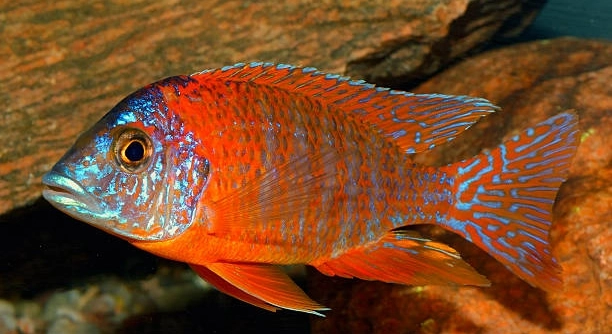
Is your convict cichlid suddenly breathing faster than usual in its tank? Fast breathing can be alarming, but it is a common issue many fish owners notice. Understanding the causes early can help protect your fish’s health.
Rapid gill movement in convict cichlids is often caused by low oxygen levels, poor water quality, or stress from environmental changes. It can also indicate illness, including parasites or bacterial infections, requiring prompt attention to maintain the fish’s wellbeing.
Observing your fish closely and maintaining proper tank conditions will help you address any problems effectively. Small changes can make a big difference for your cichlid’s comfort.
Common Causes of Rapid Breathing in Convict Cichlids
Fast breathing in convict cichlids usually points to issues with their tank environment or health. Poor water quality, including high ammonia or nitrite levels, can make fish struggle to get enough oxygen. Low oxygen levels caused by insufficient aeration or overcrowding also force the fish to breathe faster. Stress from sudden changes, like moving the tank, adding new fish, or altering water temperature, can trigger rapid gill movement. Diseases such as bacterial infections, parasites, or gill damage often manifest through faster breathing. Even something as simple as leftover food decomposing can affect water quality and oxygen levels. Monitoring your tank regularly and keeping it clean can prevent many of these problems.
Maintaining stable water parameters and avoiding overcrowding are key to reducing stress and supporting your convict cichlid’s health.
Addressing water quality issues starts with testing ammonia, nitrite, nitrate, and pH levels. Regular water changes, proper filtration, and avoiding overfeeding can restore a safe environment. If illness is suspected, observe for other symptoms like lethargy, clamped fins, or discoloration. Quarantining new fish helps prevent disease spread. Aerating the water or adjusting tank decoration can improve oxygen circulation. Understanding the fish’s normal behavior helps identify problems early. Acting quickly can prevent long-term health damage and create a stable, comfortable tank for your convict cichlid. Consistent care makes a significant difference.
How to Improve Your Cichlid’s Breathing
Simple adjustments in tank care can often resolve rapid breathing. Ensuring proper aeration and clean water is the first step.
Regular water changes, using an air stone or filter, and monitoring temperature help maintain oxygen levels. Avoid overfeeding and remove uneaten food promptly. Observing your fish daily allows you to spot signs of stress or illness early. If issues persist, consulting a veterinarian or aquatic specialist can provide treatment options. Consistent attention and small changes can quickly improve your cichlid’s breathing and overall comfort.
Keeping your convict cichlid healthy requires ongoing care and attention. Water quality plays a critical role in breathing and overall well-being. Even minor fluctuations in temperature, pH, or ammonia can trigger stress and rapid gill movement. Aeration is essential, especially in densely planted or crowded tanks, to maintain oxygen availability. Filtration helps remove waste and toxins, supporting long-term health. Nutrition also matters; overfeeding increases waste, while a balanced diet keeps the fish strong and resilient. Observing behavior daily, including swimming patterns and gill activity, allows early detection of problems. If illness is suspected, isolating the fish and seeking professional advice can prevent complications. Creating a stable, clean, and oxygen-rich environment reduces stress and supports your cichlid’s natural behavior, ensuring it thrives in its tank.
Monitoring Water Quality
Testing your tank regularly is crucial for convict cichlid health. Checking ammonia, nitrite, nitrate, and pH levels helps identify problems early and prevents stress or illness caused by poor water conditions. Consistency is key.
Maintaining water quality involves frequent monitoring and prompt action. Even small amounts of waste, leftover food, or decaying plants can raise ammonia and nitrite levels, which are toxic to fish. Using a reliable water test kit allows you to detect these changes before they become harmful. Regular water changes, proper filtration, and avoiding overcrowding are essential steps. Keeping a consistent schedule for testing and maintenance ensures a stable environment and reduces stress that leads to rapid breathing in convict cichlids.
Filtration and aeration work together to maintain healthy water. Filters remove debris and toxins, while aeration ensures sufficient oxygen for your fish. Balancing these elements supports proper gill function. Proper care keeps your cichlid comfortable and prevents common breathing issues from arising.
Identifying Signs of Stress
Convict cichlids under stress may exhibit rapid breathing, clamped fins, or hiding. Observing behavior closely helps detect problems early. Stress often signals environmental or health issues.
Changes in swimming patterns, sudden lethargy, or reduced appetite are indicators of stress. Overcrowding, sudden temperature shifts, or aggressive tank mates can trigger these signs. Stress weakens the immune system, making fish more susceptible to illness. Monitoring these behaviors alongside water quality checks can pinpoint the source of discomfort. Acting quickly by adjusting tank conditions, providing hiding spots, or isolating aggressive fish can restore comfort. Understanding your cichlid’s normal behavior is essential to identifying stress and maintaining long-term health.
Tank Temperature and Oxygen Levels
Maintaining the right temperature is essential for convict cichlids. Water that is too warm or too cold can reduce oxygen levels, forcing fish to breathe faster. Stable temperature helps them remain comfortable and healthy.
Oxygenation can be improved with an air stone, sponge filter, or proper water circulation. Even small adjustments in flow and aeration can make a noticeable difference in gill activity and overall behavior.
Diet and Feeding Habits
Overfeeding or poor-quality food can affect water quality and lead to rapid breathing. Uneaten food decomposes, increasing ammonia and nitrite levels, which stresses the fish. Feeding smaller portions and choosing high-quality, balanced food helps maintain both water quality and your convict cichlid’s health.
Observing Behavior Patterns
Regularly watching your fish can reveal early signs of problems. Sudden changes in activity, aggression, or hiding may indicate stress or illness. Early detection allows for quicker interventions.
FAQ
Why is my convict cichlid breathing fast even though the water looks clean?
Clean-looking water can still have harmful chemical levels. Ammonia, nitrite, and nitrate might be present even if the tank appears clear. Using a water test kit helps ensure parameters are safe. Filtration and regular water changes keep these chemicals under control and prevent stress.
Can rapid breathing be caused by temperature changes?
Yes, convict cichlids are sensitive to sudden temperature shifts. Water that is too warm holds less oxygen, while cold water slows metabolism. Both extremes can cause faster gill movement. Maintaining a stable temperature within the recommended range keeps your fish comfortable.
Is stress a reason for rapid breathing?
Stress is a common factor. Overcrowding, aggressive tank mates, or sudden changes in the environment can trigger rapid breathing. Providing hiding spots, reducing aggression, and keeping a consistent routine can help minimize stress. Observing your fish daily makes it easier to spot signs early.
Could poor oxygen levels be the problem?
Low oxygen directly affects breathing. Insufficient aeration or stagnant water forces convict cichlids to move their gills faster. Adding an air stone, increasing water circulation, or using a filter with strong flow can improve oxygenation and calm the fish.
Can illness cause fast breathing?
Yes, diseases like bacterial infections, parasites, or gill damage can cause rapid breathing. Watch for other symptoms like clamped fins, lethargy, or discoloration. If illness is suspected, isolating the fish and consulting an aquatic veterinarian is the safest approach.
Does diet affect breathing?
Overfeeding or poor-quality food can worsen water quality, indirectly causing rapid breathing. Leftover food decomposes and increases ammonia levels. Feeding smaller, high-quality meals and removing uneaten food promptly helps maintain both water quality and your cichlid’s health.
Is it normal for convict cichlids to breathe fast occasionally?
Occasional fast breathing can happen after activity or excitement, like during feeding. This is normal if it returns to a steady rate soon after. Persistent rapid breathing, however, signals an underlying issue that needs attention.
Can tank decorations affect breathing?
Yes, decorations that block water flow or overcrowd the tank can create areas of low oxygen. Proper arrangement ensures good circulation, preventing stagnant zones and helping your fish breathe comfortably.
How can I prevent rapid breathing in the future?
Maintaining stable water conditions, providing proper aeration, feeding correctly, and monitoring behavior consistently are the best preventative measures. Regular testing and maintenance reduce the risk of stress and illness, ensuring a healthier environment.
What should I do if rapid breathing continues?
If your convict cichlid keeps breathing fast despite good water and stable conditions, monitor for disease signs. Quarantine the fish if needed and seek advice from an aquatic veterinarian. Early intervention can prevent serious health issues.
Can seasonal changes affect breathing?
Yes, seasonal temperature fluctuations in the room can alter water temperature, indirectly affecting oxygen levels and breathing. Using a reliable heater and avoiding drafts helps maintain a stable environment year-round.
How long does it take for breathing to return to normal?
If the cause is environmental, improvements in water quality, oxygenation, or stress reduction often normalize breathing within hours to a few days. Persistent fast breathing may indicate illness, requiring treatment for recovery.
Is rapid breathing always visible?
Not always. Sometimes subtle increases in gill movement are missed if the fish is resting or hiding. Regular observation, including during feeding and activity, helps detect early changes before problems escalate.
Can water hardness or pH affect breathing?
Yes, convict cichlids prefer slightly hard, neutral to mildly alkaline water. Significant deviations can stress them, increasing breathing rates. Regular testing and gradual adjustments prevent sudden changes that might cause rapid gill movement.
Does tank size influence breathing?
Overcrowded or small tanks reduce oxygen availability and increase stress, leading to faster breathing. Providing adequate space for swimming and proper filtration helps maintain a calm environment and supports healthy respiration.
Can I use medication to help with breathing?
Medication is only necessary if illness is diagnosed. Treating healthy fish unnecessarily can cause more stress. Focus first on water quality, aeration, and diet. Consult an aquatic veterinarian before administering any treatment.
Are there long-term effects of prolonged rapid breathing?
Prolonged rapid breathing can weaken the immune system, reduce activity, and increase susceptibility to disease. Early identification and correction of environmental or health issues are essential to prevent long-term harm.
How can I tell if my fish is recovering?
A recovering fish will gradually return to steady gill movement, normal swimming, and regular feeding. Observing these behaviors daily provides reassurance that conditions are improving.
Fast breathing in convict cichlids is often a signal that something in their tank environment or health needs attention. Many owners notice their fish moving their gills faster and immediately worry. While it can be alarming, it is usually caused by factors that are manageable with careful observation and proper tank maintenance. Poor water quality, low oxygen levels, and stress from environmental changes are among the most common reasons for this behavior. Even when a tank looks clean, harmful chemicals such as ammonia or nitrite can accumulate and affect fish health. Checking water parameters regularly with a test kit is essential to catch any problems early. Ensuring that the tank is properly aerated and not overcrowded can make a significant difference in your convict cichlid’s breathing patterns.
Diet and feeding habits also play a role in how your cichlid breathes. Overfeeding or leaving uneaten food in the tank can lead to water contamination, which stresses the fish and increases gill activity. Feeding smaller portions and choosing high-quality, balanced food supports overall health and reduces the risk of breathing problems. Observing your fish’s behavior daily allows you to notice changes such as lethargy, clamped fins, or hiding, which can indicate stress or illness. Small adjustments, like rearranging decorations to improve water circulation, providing hiding spaces, and keeping tank conditions consistent, can help your fish feel more comfortable. Maintaining a stable temperature and monitoring seasonal changes in room conditions also supports proper oxygen levels, keeping your convict cichlid calmer and healthier.
If rapid breathing persists despite addressing water quality, oxygen levels, and feeding routines, illness may be the cause. Bacterial infections, parasites, or gill damage can all trigger faster gill movement. In such cases, isolating the affected fish and consulting an aquatic veterinarian or specialist is the safest approach. Acting early can prevent serious health issues and improve recovery chances. Over time, creating a well-maintained, stable, and oxygen-rich environment reduces stress and supports your convict cichlid’s natural behavior. Paying attention to these details ensures that your fish remains active, healthy, and comfortable, allowing you to enjoy observing it without constant worry. Consistent care and careful monitoring are key to preventing future breathing issues and keeping your tank a safe, thriving habitat for your convict cichlid.

Hello,
If you enjoy the content that we create, please consider saying a "Thank You!" by leaving a tip.
Every little bit helps us continue crafting quality advice that supports the health, happiness, and well-being of pets around the world, for pets of all shapes, sizes, and species.
We really appreciate the kindness and support that you show us!