
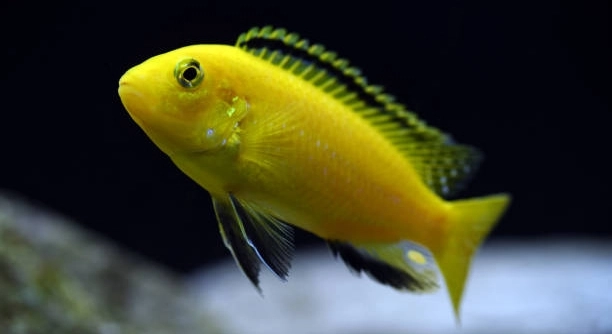
Convict cichlids are lively little fish that often show interesting behavior in home aquariums. Many people enjoy keeping them because they are active, colorful, and seem aware of their surroundings, even in smaller tanks.
Convict cichlids can experience boredom if their environment lacks stimulation. Providing hiding spots, varied decorations, and interaction opportunities helps maintain mental engagement and encourages natural behaviors, reducing stress and promoting overall health in captive conditions.
Adding enrichment and changing their environment occasionally can keep these fish active and happy, ensuring they display their natural behaviors more consistently.
How Boredom Shows in Convict Cichlids
Convict cichlids can show boredom through repetitive or unusual behavior. They may pace along the tank glass, dig excessively in the substrate, or constantly rearrange decorations. Some fish become less active or hide more often when unstimulated. Noticing these patterns early can help you improve their environment. Even small changes, like adding rocks, plants, or driftwood, can make a big difference. These fish are naturally curious, and without enough enrichment, they can become restless. Over time, boredom can affect their health, reducing appetite or making them more aggressive. Observing their behavior regularly helps you understand what they enjoy and what triggers stress. Interacting with your fish by changing the tank layout or offering new stimuli keeps them mentally sharp. Tank mates, if compatible, also provide interaction. Overall, paying attention to subtle signs of boredom allows you to make practical adjustments that enhance their daily life.
Adding some plants or hiding spots helps reduce stress and keeps convict cichlids more engaged with their surroundings.
Keeping convict cichlids stimulated doesn’t have to be complicated. You can rotate tank decorations, introduce new hiding spots, or provide small floating objects to explore. Even varying feeding routines with occasional live or frozen foods encourages natural hunting and foraging behavior. Social interactions with compatible tank mates give them more activity and reduce repetitive pacing. By observing what they enjoy, you can create a more dynamic and interesting habitat. Regular adjustments prevent them from getting too comfortable and bored, which supports better overall health. Simple changes like rearranging rocks, adding a small plant, or giving them new textures to explore can make a noticeable difference. Their curiosity drives them to explore, so providing opportunities keeps their minds active. A thoughtful setup also minimizes aggression by giving each fish space to claim territory. Over time, these small efforts create a happier, more active tank environment that feels natural and engaging for your convict cichlids.
Simple Ways to Keep Them Engaged
Regular environmental changes make a big difference for their mental stimulation.
Adding enrichment items like rocks, plants, and hiding spots keeps convict cichlids active and curious. Offering occasional live or frozen foods encourages natural foraging. Small adjustments, such as changing the tank layout or introducing compatible tank mates, help reduce boredom. By keeping their environment dynamic, these fish stay healthy and display more natural behaviors consistently. Monitoring their reactions to changes allows for a balanced setup that meets their needs.
Providing a stimulating tank does not require complex techniques. Rotating decorations every few weeks keeps their environment fresh and prevents monotony. Including varied textures, like smooth stones and rough rocks, adds tactile exploration opportunities. Plants, both live and artificial, create hiding spaces and areas to explore, promoting natural behaviors. Introducing compatible tank mates encourages social interaction and provides mental challenges. Feeding routines that vary in timing, type, and presentation engage their senses and mimic natural foraging. Observing their behavior helps you understand what works best, making it easier to maintain a dynamic and healthy tank. By implementing these strategies, you can ensure your convict cichlids remain active, curious, and less prone to stress-related problems, creating a balanced and lively aquarium environment.
Tank Size and Its Impact
Smaller tanks can increase stress and boredom in convict cichlids. Limited space restricts natural swimming and exploration, which may lead to aggression or lethargy. Providing a larger tank allows them more freedom and opportunities for activity.
A tank that is too small can make convict cichlids restless. They need space to establish territories, swim freely, and interact with their environment. Overcrowding can lead to constant fighting, which increases stress and reduces overall activity. A tank of at least 30 gallons for a pair allows for proper movement and enrichment. Adding plants, rocks, or caves can divide space and reduce aggression, giving each fish its own area. Observing their behavior helps identify if the tank size is suitable.
Proper tank size promotes healthier behaviors and reduces signs of boredom. Larger tanks encourage exploration and natural interaction, allowing them to display more complex social patterns. Fish in spacious environments are generally more active and less prone to repetitive behaviors. Territory division prevents constant disputes and helps maintain a calmer tank. With sufficient room, they can dig, swim, and explore freely, which supports mental and physical well-being. Providing a well-sized tank also makes enrichment more effective, as objects can be spaced out to encourage movement. Overall, a spacious tank is key to keeping convict cichlids engaged and healthy.
Interaction and Enrichment
Regular enrichment keeps convict cichlids mentally stimulated and reduces stress. Simple additions like hiding spots, toys, or plants help them explore and stay active.
Interaction with the environment and tank mates is essential for convict cichlids’ well-being. They thrive when given opportunities to explore, dig, and rearrange objects in the tank. Rotating decorations or adding new structures encourages curiosity and prevents boredom. Feeding variations, such as offering live or frozen foods, provide mental challenges and mimic natural foraging. Observing their behavior after these changes ensures that the enrichment is effective. These strategies also support healthier social dynamics, reducing aggression and promoting natural territorial behaviors. Consistent interaction with their surroundings keeps them alert and engaged.
Enrichment is most effective when it changes over time. Rotating plants, rocks, and hiding spots introduces novelty, encouraging exploration. Providing both open swimming areas and sheltered spaces balances security with activity. Feeding routines that vary in type and presentation stimulate natural instincts. Introducing compatible tank mates adds social interaction, mental challenges, and opportunities for hierarchy establishment. Monitoring how fish respond allows adjustments to maximize benefits. Even small changes, like moving a rock or adding a floating object, can keep them engaged. Regular enrichment supports physical activity, mental stimulation, and overall tank harmony, ensuring convict cichlids remain active, healthy, and less prone to stress or boredom-related behaviors.
Signs of Boredom
Restless swimming along the tank glass or constant digging in the substrate often indicates boredom in convict cichlids. These behaviors show they need more stimulation to stay mentally and physically active.
Excessive hiding or aggression toward tank mates can also signal boredom. When their environment lacks engagement, fish may show unusual behaviors, reduced activity, or increased stress. Recognizing these signs early helps make adjustments to improve their well-being.
Varied Diet for Engagement
Offering a varied diet keeps convict cichlids interested and encourages natural foraging behaviors. Live, frozen, or high-quality pellet foods stimulate exploration and hunting instincts. Treats like brine shrimp or bloodworms provide enrichment while improving nutrition. Rotating food types prevents monotony and maintains their curiosity.
Interaction with Tank Mates
Compatible tank mates can reduce boredom by providing social interaction. Convict cichlids engage more actively when they have companions, but aggression levels should be monitored to ensure a harmonious environment.
How can I tell if my convict cichlid is bored?
Boredom in convict cichlids often shows through repetitive behaviors. Pacing along the glass, digging constantly in the substrate, or rearranging decorations repeatedly are common signs. Some fish may hide more than usual or become unusually aggressive toward tank mates. Monitoring their behavior over time helps identify these patterns.
What are simple ways to prevent boredom in a tank?
Adding enrichment items like rocks, plants, and caves encourages exploration. Rotating decorations or introducing new hiding spots keeps the environment fresh. Offering varied foods, including live or frozen options, stimulates natural foraging instincts. Providing compatible tank mates can also offer interaction, reducing repetitive behavior and promoting mental engagement.
Does tank size affect boredom?
Yes, tank size plays a significant role in a convict cichlid’s activity level. Small tanks restrict swimming and exploration, increasing stress and restlessness. A larger tank allows for territorial behaviors, exploration, and social interactions. Ideally, a pair of convict cichlids should have at least 30 gallons, with decorations and hiding spots spaced to encourage movement.
Can changing the tank layout help?
Rearranging decorations, rocks, or plants every few weeks introduces novelty to the tank. Convict cichlids are curious and enjoy exploring new environments. Small changes, like moving a rock or adding a new hiding spot, stimulate natural behaviors. This helps reduce repetitive actions and keeps their minds active without causing stress.
How often should I provide new enrichment?
Introducing changes every two to four weeks is usually effective. This can include adding new decorations, altering hiding spots, or providing new textures to explore. Regular rotation prevents monotony while allowing fish to adapt comfortably. Observing their responses ensures that enrichment is beneficial without overwhelming them.
Will food variety help prevent boredom?
Offering a mix of pellets, live food, and frozen options encourages natural foraging behaviors. Treats like brine shrimp, bloodworms, or daphnia keep them engaged and provide nutritional benefits. Changing the type and presentation of food prevents routine feeding from becoming boring and stimulates their curiosity and activity.
Are tank mates necessary for mental stimulation?
Tank mates can provide social interaction, which reduces boredom. Compatible species or additional convict cichlids help them establish territories and engage in natural behaviors. Aggression should be monitored carefully, as overcrowding or incompatible fish can create stress. Proper spacing and hiding spots ensure a balanced, harmonious environment.
Can boredom affect health?
Yes, unstimulated convict cichlids may eat less, become lethargic, or show increased aggression. Chronic stress from boredom can weaken their immune system, making them more prone to disease. Keeping them mentally engaged through enrichment, tank mates, and varied diet supports both physical and mental health.
What types of enrichment are most effective?
Live plants, rocks, caves, and driftwood provide hiding spots and exploration opportunities. Floating objects or textured surfaces allow tactile interaction. Introducing small changes gradually, like a new rock formation or a plant rearrangement, keeps their environment dynamic. Combining environmental enrichment with varied diet and social interaction produces the best results.
How can I monitor if enrichment is working?
Observe changes in activity levels, aggression, and curiosity. A well-stimulated convict cichlid will explore, swim actively, and display natural behaviors. Reduced pacing, less digging, and improved interaction with tank mates indicate that enrichment strategies are effective. Adjustments can be made based on their responses to maintain ongoing engagement.
Is it necessary to provide both environmental and social stimulation?
Yes, combining environmental changes, enrichment, and compatible social interaction creates a balanced habitat. This ensures mental stimulation, encourages natural behaviors, and reduces stress. Convict cichlids thrive in environments that allow exploration, territorial activity, and engagement with their surroundings, promoting long-term health and well-being.
Can boredom lead to aggression?
Boredom can increase irritability and territorial disputes. Fish may attack tank mates or become overly possessive of hiding spots when understimulated. Providing space, enrichment, and compatible companions helps manage aggression while encouraging healthy social interactions. Monitoring behavior and adjusting the tank environment minimizes stress-related conflicts.
How important is observation in preventing boredom?
Regularly watching your convict cichlids is key to spotting early signs of boredom or stress. Noticing changes in behavior, activity, or interactions allows timely adjustments. Observation helps tailor enrichment, feeding routines, and tank setup to meet their needs, ensuring a mentally stimulating and healthy environment for your fish.
Can boredom affect breeding behavior?
Yes, unstimulated convict cichlids may show reduced courtship or parental care. Providing hiding spots, proper tank size, and enrichment encourages natural breeding behaviors. A dynamic and engaging environment supports reproduction by reducing stress and allowing fish to focus on territory establishment and mating activities.
What role does hiding space play in mental stimulation?
Hiding spots give convict cichlids a sense of security and territory. They encourage exploration and reduce stress, especially in the presence of tank mates. Varying the location of caves or plants introduces novelty, stimulating natural behaviors while maintaining a calm and engaging environment.
How do I balance activity and safety?
Ensure there is enough open swimming space along with hiding areas. Avoid overcrowding, and provide compatible tank mates to reduce conflicts. Gradual changes to enrichment and layout prevent stress. A balance between exploration opportunities and safety ensures convict cichlids remain active, curious, and healthy in the tank.
Can boredom be fully eliminated?
While it may not be possible to completely remove boredom, consistent enrichment, a proper tank size, varied diet, and social interaction greatly reduce it. Observing behavior and making ongoing adjustments ensures convict cichlids remain mentally stimulated, active, and less prone to stress or repetitive behaviors over time.
Keeping convict cichlids healthy and happy requires attention to both their physical and mental needs. These fish are naturally active and curious, and without enough stimulation, they can become restless, aggressive, or lethargic. Providing a well-sized tank is the first step in preventing boredom. A small tank limits their movement and makes it difficult for them to explore or establish territories. Even a pair of convict cichlids benefits from a tank of at least 30 gallons, with decorations, hiding spots, and open swimming areas spaced to encourage natural behaviors. Observing their activity and interactions helps determine whether the space is adequate and whether adjustments are necessary. A properly sized tank forms the foundation for a healthy environment where the fish can explore, swim, and interact comfortably.
Enrichment plays a crucial role in keeping convict cichlids engaged. Simple additions like rocks, caves, plants, or textured surfaces allow them to explore and interact with their surroundings. Changing the layout or adding new items every few weeks keeps the environment fresh and prevents repetitive behaviors. Feeding routines can also be adjusted to stimulate mental activity. Offering a variety of foods, including live or frozen options, encourages natural foraging behaviors and curiosity. Even small changes, such as moving a rock or introducing a new plant, make a noticeable difference in their activity levels. Enrichment should be a mix of environmental changes and opportunities for social interaction with compatible tank mates, ensuring that the fish remain active and mentally stimulated. A dynamic setup reduces stress, limits aggression, and supports overall well-being.
Monitoring behavior is equally important in maintaining a healthy and engaging tank. Signs of boredom, like pacing, excessive digging, hiding, or aggression, indicate that adjustments are needed. Regular observation allows you to respond quickly, whether by rearranging the tank, introducing new enrichment items, or adjusting feeding routines. Interaction with compatible tank mates provides additional mental stimulation, while hiding spots and territory divisions reduce stress. Boredom may not be completely avoidable, but consistent care, enrichment, and attention to tank conditions greatly improve the quality of life for convict cichlids. With a thoughtful approach, these fish remain active, curious, and healthy, allowing them to display natural behaviors and enjoy their environment. Over time, a well-maintained and stimulating tank ensures that your convict cichlids thrive physically and mentally.

Hello,
If you enjoy the content that we create, please consider saying a "Thank You!" by leaving a tip.
Every little bit helps us continue crafting quality advice that supports the health, happiness, and well-being of pets around the world, for pets of all shapes, sizes, and species.
We really appreciate the kindness and support that you show us!