
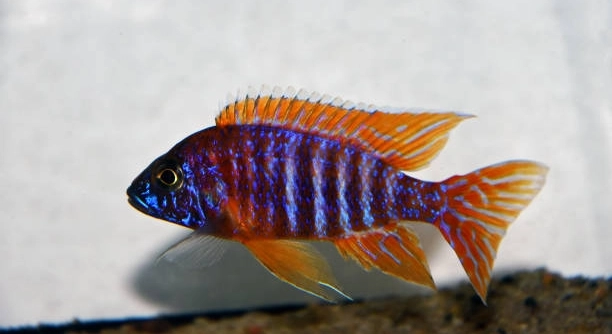
Many fish owners enjoy keeping convict cichlids because of their bright colors and playful nature. These fish usually swim actively around the tank, exploring decorations, interacting with other fish, and showing off their natural curiosity every day.
A convict cichlid lying on the bottom of the tank is usually a sign of stress, illness, or poor water quality. Common causes include low oxygen levels, unsuitable temperature, internal parasites, or sudden changes in the tank environment.
Learning the reasons behind this behavior will help you care for your fish better. Small changes in the tank setup can improve their health and activity quickly.
Common Causes of Bottom-Lying Behavior
Convict cichlids often rest on the bottom when they are uncomfortable or unwell. Poor water quality is a major factor. High ammonia, nitrite, or nitrate levels can make fish weak and lethargic. Temperature fluctuations also affect their behavior, as convict cichlids thrive in stable, warm water between 75°F and 82°F. Stress from overcrowding or aggressive tank mates can push them to hide on the bottom. Sometimes, illness like parasites or bacterial infections causes a loss of energy, leading them to stay near the substrate. Even sudden changes, like moving decorations or introducing new fish, can unsettle them. Observing your cichlid’s movements and noting any changes in appetite or color can help determine the problem. Regular water testing, partial water changes, and proper tank maintenance are essential. Providing hiding spots and monitoring interactions with other fish helps reduce stress.
Monitoring water quality and tank conditions is crucial to prevent bottom-laying behavior and maintain healthy, active convict cichlids.
Keeping the tank stable and stress-free encourages your cichlid to explore more and remain active. Even minor adjustments, like spacing decorations or controlling light cycles, can improve their comfort.
Health Concerns to Watch For
Lethargy and staying at the bottom often indicate illness.
Internal parasites, bacterial infections, or fungal problems are common issues in convict cichlids. Fish may show signs like clamped fins, pale color, or labored breathing. Stress weakens the immune system, making them more prone to sickness. Treating the water with proper medication and maintaining cleanliness helps recovery. Nutrition is another key factor; underfeeding or poor-quality food can lower energy levels. Observing daily behavior and responding quickly to changes prevents serious health problems. Regular tank checks and keeping records of water tests and feeding habits support long-term health. In severe cases, isolating the sick fish in a quarantine tank allows for better treatment and reduces the risk to other tank mates. Early action can often restore a cichlid’s activity and prevent long-term damage. Proper care ensures your fish remain vibrant and strong while reducing the chances of repeated bottom-laying behavior.
Adjusting Tank Conditions
Keeping water clean and stable is essential for convict cichlids. Regular partial water changes, proper filtration, and maintaining consistent temperature help prevent stress. Avoid sudden changes in lighting, decorations, or tank mates, as these can trigger bottom-laying behavior and lethargy in your fish.
Proper filtration ensures toxins like ammonia and nitrites stay low, creating a healthier environment. Maintaining a stable temperature around 78°F prevents stress that can weaken your cichlid’s immune system. Adding rocks, caves, and hiding spots provides security, especially if the fish feels threatened by others. Overcrowding should be avoided, as too many fish increase competition and aggression. Observation is key; noticing changes in swimming patterns or appetite early allows quick adjustments. Maintaining consistent feeding routines with high-quality food also supports health. These steps together reduce bottom-laying behavior and keep your fish active and comfortable.
Even minor changes in tank setup can affect a convict cichlid’s mood. Spacing decorations properly and monitoring interactions with other fish helps them feel safe. Gradual adjustments prevent sudden stress. Feeding high-quality food at regular intervals supports energy and resilience. Watching behavior daily ensures any signs of illness or discomfort are noticed quickly. Using a thermometer, testing water regularly, and observing fish color and fin condition are simple but effective ways to maintain a healthy environment. Implementing these strategies consistently helps keep your cichlid swimming and exploring rather than staying at the bottom.
Nutrition and Feeding Tips
Balanced nutrition directly impacts energy and behavior. Feeding high-quality pellets or flakes designed for cichlids keeps them healthy.
Convict cichlids need a diet rich in protein, with occasional vegetables for variety. Overfeeding can pollute the water and cause lethargy, while underfeeding leaves them weak. Small, frequent meals help maintain energy and prevent overeating. Fresh or frozen foods like brine shrimp, bloodworms, or daphnia supplement their diet and encourage natural hunting behavior. Observing how quickly your fish eats can indicate appetite changes or illness. Adjusting feeding portions to match activity levels reduces waste and keeps water quality high. A consistent schedule and varied diet ensure your cichlid remains active and alert, minimizing bottom-laying behavior and promoting overall well-being.
Reducing Stress in the Tank
Providing hiding spots like rocks and caves helps convict cichlids feel secure. Avoid overcrowding and aggressive tank mates, as these increase stress and cause bottom-laying behavior. Regular observation helps identify stress triggers early before serious issues develop.
Maintaining a calm environment also includes stable lighting and minimal sudden movements near the tank. Gentle water flow reduces stress while keeping water oxygenated. Rearranging decorations should be done gradually to prevent startling your fish. Even small disruptions, like adding new plants or introducing new fish, can trigger stress if done too quickly. Consistent routines and a quiet environment help your cichlid stay active and confident, reducing the tendency to lie at the bottom of the tank.
Recognizing Early Signs of Illness
Lethargy, faded color, clamped fins, or unusual swimming patterns often indicate illness. Catching these signs early allows for faster treatment and recovery.
Isolating a Sick Fish
Separating a sick convict cichlid in a quarantine tank prevents spreading disease. It also allows for easier monitoring and targeted treatment.
FAQ
Why is my convict cichlid lying on the bottom of the tank all the time?
A convict cichlid resting on the bottom often signals stress, illness, or poor water conditions. Temperature fluctuations, low oxygen levels, or high levels of ammonia and nitrites can weaken them. Overcrowding and aggressive tank mates also contribute. Observing their behavior and maintaining stable tank conditions helps prevent this.
Is it normal for convict cichlids to rest on the bottom occasionally?
Yes, occasional resting is normal, especially at night or after feeding. However, prolonged inactivity, pale color, or clamped fins indicates a problem. Short periods of bottom-laying are part of their natural behavior and energy conservation.
Can water quality affect bottom-laying behavior?
Absolutely. Poor water quality is one of the most common causes. High ammonia, nitrites, and nitrates, sudden pH changes, or temperature fluctuations can make fish weak. Regular water testing, partial water changes, and proper filtration are essential to prevent stress and illness.
Could diet be causing my convict cichlid to lie on the bottom?
Yes. Underfeeding or poor-quality food can reduce energy and make fish lethargic. Overfeeding can also harm water quality, indirectly causing stress. Feeding small, frequent meals of high-protein cichlid food, along with occasional live or frozen supplements, keeps them active.
What health issues should I look for?
Internal parasites, bacterial infections, or fungal diseases can make a cichlid lethargic. Watch for clamped fins, labored breathing, faded colors, or loss of appetite. Early detection and treatment improve recovery and prevent the condition from worsening.
Should I isolate my fish if it is lying on the bottom?
Isolation is recommended if the fish shows signs of illness. A quarantine tank allows easier treatment, reduces stress, and prevents disease from spreading to other fish. Monitor closely and provide proper care during this period.
Can stress from other fish cause bottom-laying behavior?
Yes. Aggressive or territorial tank mates can make convict cichlids retreat to the bottom for safety. Providing hiding spots and sufficient space reduces conflict and encourages normal activity. Observing interactions helps manage aggression before it becomes a problem.
How quickly should I act if my cichlid stays on the bottom?
Immediate attention is important. Check water parameters, tank conditions, and diet first. If behavior persists, consider isolating the fish and assessing for illness. Quick response increases the chances of recovery.
Will adding plants or decorations help?
Yes. Hiding spots reduce stress and give fish a sense of security. Rocks, caves, and plants allow retreat areas from aggressive tank mates. Avoid rearranging the tank suddenly, as it can cause further stress.
Can temperature changes make my cichlid lie on the bottom?
Temperature instability is stressful. Convict cichlids prefer stable, warm water between 75°F and 82°F. Sudden drops or spikes weaken their immune system, making them lethargic. Using a reliable heater and thermometer ensures consistent conditions.
How long can a convict cichlid safely stay on the bottom?
Short periods are normal, but prolonged inactivity is concerning. If the fish remains at the bottom for hours or days, it indicates stress, illness, or poor tank conditions that need immediate attention.
Are there behavioral signs that indicate recovery?
Yes. Increased swimming, brighter colors, active feeding, and normal interaction with tank mates indicate improvement. Maintaining consistent care and addressing the root causes helps restore natural behavior.
Can I prevent bottom-laying behavior in the future?
Yes. Stable water quality, proper diet, suitable tank mates, hiding spots, and careful observation all prevent prolonged bottom-laying. Routine maintenance and attention to subtle behavior changes reduce stress and improve long-term health.
Is it normal for newly introduced fish to lie on the bottom?
Yes, new fish often explore cautiously and may rest on the bottom initially. Providing hiding places and a calm environment helps them adjust. Observe for more than a few days; prolonged inactivity may indicate stress or illness.
Does overfeeding or underfeeding affect activity levels?
Both can. Overfeeding pollutes water and reduces oxygen, causing lethargy. Underfeeding leaves fish weak. Balanced portions of high-protein food with occasional live or frozen supplements maintain energy and encourage natural swimming behavior.
How can I tell if my fish is stressed or sick?
Stress signs include hiding, clamped fins, pale color, and erratic swimming. Illness may also show labored breathing, loss of appetite, or visible spots or wounds. Early observation and response are essential for recovery and preventing further issues.
What steps should I take first when my cichlid lies on the bottom?
Check water quality, temperature, and tank conditions first. Assess diet and feeding routines. Observe for signs of illness. Adjust environment gradually, provide hiding spots, and isolate if necessary. Quick, informed action improves outcomes and supports the fish’s well-being.
How does tank size impact bottom-laying behavior?
Small or overcrowded tanks increase stress, aggression, and competition for resources. Larger tanks with sufficient space allow natural swimming, hiding, and interaction, reducing prolonged bottom-laying and promoting healthier, more active behavior.
Can lighting affect bottom-laying behavior?
Yes. Sudden or harsh lighting can stress fish. A consistent light cycle with gradual transitions helps maintain normal activity and reduces hiding or resting on the bottom. Dim or shaded areas provide comfort.
Are there signs that indicate an immediate visit to a vet is needed?
Severe lethargy, rapid breathing, visible wounds, bloating, or sudden color changes require urgent attention. Consulting a vet or fish health specialist ensures correct diagnosis and treatment, increasing the chances of recovery.
Does social behavior influence bottom-laying?
Convict cichlids are territorial. Aggressive or dominant tank mates can force submissive fish to the bottom. Observing interactions and separating aggressive individuals when needed encourages normal activity and reduces stress.
What role does oxygen play in bottom-laying behavior?
Low oxygen levels make fish weak and lethargic. Ensuring proper aeration, surface movement, and water circulation keeps oxygen high, encouraging swimming and reducing bottom-laying tendencies.
Can seasonal changes affect behavior?
Yes. Changes in room temperature or natural light cycles can slightly stress fish. Keeping water temperature stable and maintaining a consistent tank environment minimizes these effects and prevents prolonged inactivity.
Is occasional bottom-laying always a problem?
No. Short rests are normal, especially after feeding or during nighttime. The issue arises when inactivity is prolonged, paired with other signs of stress or illness. Consistent observation helps distinguish normal rest from concerning behavior.
How do I balance water changes without stressing my fish?
Partial water changes done gradually prevent shock. Avoid removing too much water at once. Matching temperature and pH during changes reduces stress and maintains healthy activity levels.
Does tank decoration placement matter?
Yes. Proper spacing of rocks, caves, and plants creates hiding spaces and swimming areas. Avoid clutter, which can trap or stress fish. Gradual rearrangement prevents sudden stress.
Can frequent observation itself stress fish?
Minimal observation is fine, but constant tapping or sudden movements near the tank can cause stress. Quiet, regular monitoring is best for detecting issues without disturbing the fish.
What is the most effective way to maintain long-term activity?
Stable water conditions, balanced diet, adequate tank size, hiding spots, and compatible tank mates are key. Regular maintenance, observation, and gradual changes ensure your convict cichlid remains active and healthy, reducing bottom-laying behavior.
How can I tell if recovery is progressing?
Signs include brighter color, regular swimming, improved appetite, and normal interactions with tank mates. Recovery may take days or weeks, depending on the cause. Consistent care and attention help restore natural behavior.
Should I adjust feeding if my cichlid is sick?
Yes. Offer smaller, more frequent meals of high-quality, easy-to-digest food. Remove uneaten food promptly to maintain water quality. Proper nutrition supports immune function and recovery during illness.
Can environmental enrichment reduce bottom-laying?
Yes. Adding caves, plants, or rocks encourages exploration, reduces stress, and promotes activity. Structured hiding areas prevent fear of aggressive tank mates and help fish feel secure.
Does age affect bottom-laying behavior?
Older fish may rest more frequently, but sudden inactivity in healthy adults should still be monitored. Age-related behavior differs from stress or illness, so observation is important.
Are there signs that behavior is temporary adjustment?
Yes. New tank additions or minor changes may cause brief bottom-laying. If the fish becomes active again within a few days, the behavior is likely a temporary adjustment rather than illness.
What should I do if multiple fish are lying on the bottom?
Check water quality, oxygen levels, temperature, and tank conditions immediately. Multiple fish showing the same behavior usually indicate an environmental problem rather than individual illness. Quick correction prevents worsening conditions.
How can I prevent future occurrences?
Consistent maintenance, proper diet, adequate space, hiding spots, compatible tank mates, and gradual environmental changes prevent stress and illness. Regular monitoring allows early detection, ensuring convict cichlids remain active and healthy over time.
Convict cichlids are active, curious fish, and seeing one lying on the bottom of the tank can be worrying. This behavior often signals that something in their environment or health is off. It can result from stress, poor water conditions, illness, or even temporary adjustment to a new tank setup. Understanding the potential causes helps you respond quickly and provide the right care. Maintaining clean water, stable temperature, and a well-balanced diet are key factors in keeping these fish healthy. Small details, like providing hiding spots and observing interactions with other fish, can also make a big difference. Being aware of subtle behavior changes allows you to catch problems before they become serious, helping your convict cichlid return to its normal, energetic routine.
Water quality is one of the most important aspects of caring for convict cichlids. High levels of ammonia, nitrites, or nitrates can quickly weaken a fish, making it more likely to stay at the bottom. Temperature fluctuations or insufficient oxygen also affect activity and overall health. Regular testing of water, combined with partial water changes and proper filtration, prevents these issues from developing. Keeping the tank stable helps reduce stress, which in turn lowers the risk of illness. Providing hiding spots, such as caves or rocks, gives fish a sense of security, especially when they feel threatened by other tank mates or environmental changes. Small adjustments in tank conditions often produce noticeable improvements in energy levels and overall behavior.
Feeding and monitoring behavior are equally important. A balanced diet with high-quality protein, along with occasional live or frozen food, ensures that your fish have enough energy to swim and explore the tank. Overfeeding or underfeeding can lead to lethargy, while poor nutrition weakens the immune system and makes them more prone to illness. Watching for signs such as clamped fins, faded color, labored breathing, or sudden changes in swimming patterns helps detect stress or illness early. Acting promptly, whether by adjusting the environment, improving nutrition, or isolating a sick fish, increases the chances of recovery. Consistent care, attention to tank conditions, and patience are essential in supporting your convict cichlid’s health and encouraging it to remain active, happy, and thriving in its home.

Hello,
If you enjoy the content that we create, please consider saying a "Thank You!" by leaving a tip.
Every little bit helps us continue crafting quality advice that supports the health, happiness, and well-being of pets around the world, for pets of all shapes, sizes, and species.
We really appreciate the kindness and support that you show us!