
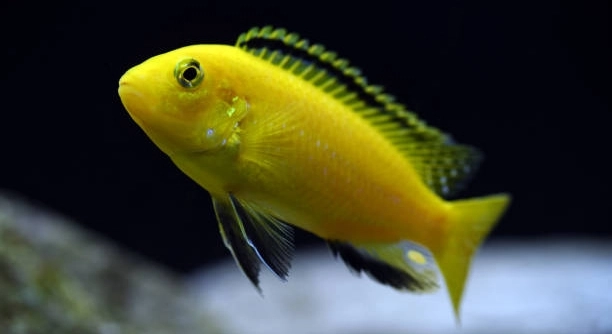
Convict cichlids are popular freshwater fish known for their bold colors and energetic behavior. Many aquarium enthusiasts enjoy their presence but often consider whether these fish can coexist peacefully with other species. Their strong personalities can make this decision important.
Convict cichlids can live in a community tank, but careful planning is required. Selecting compatible tank mates and providing adequate space, hiding spots, and a balanced environment reduces aggression and ensures a stable, harmonious aquatic community for all species.
Learning the right setup and understanding their behavior can make a significant difference. With proper preparation, these fish can thrive alongside others in a shared tank environment.
Understanding Convict Cichlid Behavior
Convict cichlids are known for their territorial nature and strong instincts. They establish clear boundaries in their space, often defending specific areas against intruders. While they are relatively small, their boldness makes them a dominant presence in a tank. These fish display aggressive tendencies especially during breeding periods, which can lead to conflicts with other fish. Observing their body language, such as flared fins or rapid movements, helps identify potential tension. They are intelligent and can recognize tank mates over time, adapting their interactions accordingly. Environmental enrichment, including rocks, plants, and caves, allows them to claim territories without constant confrontation. Their social behavior also includes subtle displays like fin flicks or chasing, which indicate hierarchy. Feeding routines and consistent care contribute to reduced stress and aggression. By understanding these patterns, it is easier to manage a community tank and prevent unnecessary harm to other fish. Their behavior, while challenging, is predictable and manageable with preparation.
Their bold nature requires careful selection of tank mates to avoid stress and harm.
Providing enough space, hiding spots, and monitoring interactions are key. Convict cichlids thrive when their environment is stable and well-structured, allowing coexistence with compatible species.
Choosing Compatible Tank Mates
Small, passive fish are often not suitable for sharing space with convict cichlids.
Suitable tank mates include larger, semi-aggressive species that can handle occasional displays of dominance. Species such as certain tetras, catfish, or larger livebearers often adapt well. It is important to avoid slow-moving or delicate fish that cannot compete for space or food. Observing interactions during initial introductions helps gauge compatibility. Tank size plays a crucial role, as overcrowding increases stress and aggression. Creating multiple territories within the tank using plants, rocks, and decorations reduces direct conflict. Feeding strategies also matter; distributing food in several areas ensures all fish receive nourishment without confrontation. Regular monitoring, particularly during breeding periods, helps prevent escalated aggression. If conflicts arise, temporary separation may be necessary to maintain balance. Over time, with patience and proper management, convict cichlids can live harmoniously with carefully chosen species. A well-planned community tank accommodates their natural behaviors without compromising the safety of other fish.
Tank Setup for Convict Cichlids
A well-structured tank minimizes aggression and provides safe spaces. Rocks, caves, and plants create territories that reduce conflict. Hiding spots are essential for both cichlids and tank mates to feel secure and maintain balance.
Proper tank size is critical when housing convict cichlids in a community environment. A minimum of 30 gallons is recommended for a pair, with extra space required for additional fish. Dividing the tank with natural barriers like driftwood and dense plants helps establish multiple territories, preventing constant confrontation. Water parameters should remain stable, with temperatures between 74-82°F and neutral pH. Strong filtration ensures clean water, reducing stress and maintaining health. Substrate selection, such as sand or fine gravel, allows natural digging behavior without harming the fish or plants. Proper lighting enhances plant growth while avoiding excessive stress for the fish.
Regular maintenance and observation are essential to a successful setup. Cleaning the tank, monitoring water parameters, and checking for signs of aggression or stress help maintain a healthy environment. Rotating decorations or rearranging hiding spots periodically keeps fish engaged and prevents dominance over a single territory. Feeding in multiple locations prevents food-based competition and supports harmonious behavior. Watching interactions closely during breeding periods ensures other species are not threatened. Adjusting tank elements based on fish behavior promotes coexistence. With careful planning and ongoing management, a community tank can function smoothly.
Feeding and Diet Considerations
A balanced diet helps reduce aggression and supports healthy growth. Convict cichlids require protein-rich food along with vegetables.
Feeding convict cichlids involves a mix of high-quality flakes, pellets, and occasional live or frozen food like brine shrimp or bloodworms. Supplementing their diet with vegetables such as peas, spinach, or zucchini ensures proper nutrition and promotes overall health. Offering food in small, frequent portions prevents overeating and reduces competition. Observing how all fish feed is important, as more aggressive individuals may dominate. Adjusting feeding locations and times allows slower fish to access food safely. A consistent feeding routine stabilizes behavior, reducing stress-induced aggression and maintaining harmony in a community tank.
It is crucial to consider the dietary needs of all tank mates. Omnivorous or herbivorous fish should receive supplementary meals if cichlids dominate feeding. Monitoring food intake ensures no species is underfed, which can trigger stress or aggression. Rotating food types keeps all fish interested and encourages healthy growth. Avoiding overfeeding helps maintain water quality, preventing excess waste that could harm the tank ecosystem. Keeping a log of feeding schedules and amounts can be useful for tracking health and behavior trends. Proper diet management directly influences the success of a mixed-species tank, allowing convict cichlids to coexist without negatively impacting other fish.
Breeding Behavior
Convict cichlids become highly territorial during breeding. They guard their eggs and fry aggressively, often chasing other fish away. Hiding spots and separate areas help reduce stress for non-breeding tank mates.
Breeding pairs may dig in the substrate or rearrange decorations. This natural behavior can disrupt tank layout, but it is essential for their reproductive instincts. Observing from a distance helps ensure other fish are not harmed.
Managing Aggression
Aggression is normal, especially in males. Clear territories and adequate space help limit conflicts.
Using dividers temporarily can prevent fights during heightened aggression. Ensuring multiple hiding spots allows subordinate fish to escape and reduces stress. Consistent observation is key to maintaining balance and safety in the tank.
Water Quality Maintenance
Stable water conditions are vital for convict cichlids. Regular testing and partial water changes prevent stress and disease.
FAQ
Can convict cichlids live peacefully with other fish?
Yes, they can, but it depends on the species chosen. Larger, semi-aggressive fish are better companions, while small, passive fish may become stressed or targeted. Providing plenty of hiding spots and space reduces conflict and allows all fish to coexist.
How many convict cichlids can I keep in a community tank?
The number depends on tank size and setup. A single pair requires at least 30 gallons, with additional fish requiring more space. Overcrowding increases aggression and stress. Dividing territories with rocks and plants helps manage multiple individuals safely.
Do convict cichlids get along during breeding?
Breeding periods increase territorial behavior significantly. Pairs guard eggs and fry aggressively, often chasing other fish away. Temporary dividers or additional hiding spots for other tank mates help maintain peace during these times.
What tank size is ideal for a community setup?
A minimum of 30 gallons is required for a pair, but larger tanks are recommended for mixed species. Extra space reduces stress and aggression, allows proper territories, and ensures enough room for swimming and hiding for all fish.
What kind of diet should I feed them in a community tank?
Convict cichlids need a balanced diet of flakes, pellets, and occasional live or frozen food. Vegetables like peas or zucchini provide nutrients. Feeding in multiple locations ensures all fish, especially slower or less dominant species, get enough food.
How do I prevent aggression in a community tank?
Providing adequate space, multiple hiding spots, and environmental enrichment reduces fights. Observing interactions and temporarily separating aggressive individuals helps maintain balance. Consistent feeding and tank maintenance also decrease stress-induced aggression.
Can convict cichlids damage plants or decorations?
Yes, they often dig in the substrate and may uproot plants. Using sturdy plants or decorative items, and arranging the tank to accommodate digging behavior, helps protect fragile plants and keeps the environment stable.
How do I monitor their health in a community tank?
Watch for signs of stress, aggression, or illness, such as faded colors, rapid breathing, or injuries. Regular water testing and maintenance support overall health. Observing daily interactions ensures all fish are thriving and reduces potential problems early.
Is filtration important for a community tank with convict cichlids?
Yes, strong filtration keeps water clean and stable, which reduces stress and prevents disease. Convict cichlids produce significant waste, so efficient filters and regular water changes are necessary to maintain healthy conditions for all tank inhabitants.
Can I keep other territorial fish with convict cichlids?
Yes, but careful planning is essential. Combining similarly sized, semi-aggressive species can work if enough space and hiding areas exist. Avoid placing them with very passive or slow-moving fish that cannot handle competition or occasional chasing.
How often should I rearrange tank decorations?
Occasional rearrangement can reduce dominance over specific territories. Moving hiding spots or adding new features helps break established hierarchies, giving subordinate fish safer areas and reducing conflicts. Frequent changes should be avoided, as stability is also important.
Do convict cichlids require specific water parameters?
They thrive in water temperatures of 74-82°F with neutral pH. Stability is key, as fluctuations cause stress and increase aggression. Regular testing and adjustments ensure all fish in the tank remain healthy and safe.
What should I do if aggression escalates?
Temporarily separating aggressive fish using dividers or separate tanks is effective. Increasing hiding spots and rearranging territories can help. Consistent monitoring ensures conflicts do not result in injuries or long-term stress for any fish.
Can juvenile convict cichlids live with adults?
Juveniles are often targeted by adults, especially during breeding. Providing separate areas or additional hiding spots is necessary to protect smaller fish. Gradually introducing them with caution helps ensure survival and reduces stress.
How can I tell if a tank mate is compatible?
Observe interactions carefully. Compatible fish will maintain distance, share feeding areas without conflict, and adapt to convict cichlids’ behavior. Signs of stress, injury, or constant chasing indicate incompatibility, requiring adjustments in tank setup or species selection.
Do convict cichlids need enrichment in a community tank?
Yes, environmental enrichment such as caves, plants, and decorations allows natural behaviors like digging and territorial displays. Enrichment keeps fish active, reduces aggression, and creates a more stable and engaging habitat for all species.
Are certain fish completely unsuitable with convict cichlids?
Very small, slow-moving, or delicate fish are not recommended. They may be bullied, stressed, or injured. Choosing species that can hold their own or retreat to safe areas ensures all fish remain healthy and reduces conflict in the tank.
How do I handle breeding in a community tank?
During breeding, providing extra hiding spots and monitoring interactions is crucial. Temporary dividers or separate tanks for fry may be necessary to protect both young and other tank mates from aggression. Maintaining water quality and consistent feeding supports successful breeding.
Can I keep multiple pairs of convict cichlids together?
Yes, in large tanks with plenty of space and divided territories. Overcrowding can increase aggression and stress. Careful observation and additional hiding areas are essential to maintain peace among multiple pairs.
What is the best way to introduce new fish?
Introduce fish gradually, using quarantine tanks if possible. Acclimating new arrivals slowly reduces stress and aggression. Observing early interactions allows adjustments, such as adding hiding spots or temporarily separating incompatible fish.
How important is regular water change?
Very important. Regular water changes remove waste, maintain water quality, and reduce aggression caused by poor conditions. Consistent maintenance supports the health of convict cichlids and all tank mates.
Can cichlids be aggressive at night?
Yes, especially during breeding or in crowded tanks. Providing hiding spots and maintaining stable conditions helps reduce nighttime conflicts and keeps all fish safe.
Do I need to monitor breeding behavior closely?
Yes, close observation prevents aggressive encounters from harming other fish. Watching for digging, chasing, or egg guarding allows timely intervention and ensures a harmonious community tank environment.
How do I balance food distribution in a community tank?
Feed in multiple locations to prevent dominant fish from monopolizing food. Observing feeding behavior ensures all species receive adequate nutrition and reduces competition-induced aggression.
Is tank size more important than species selection?
Both matter, but space is critical. A large, well-decorated tank reduces territorial disputes, while compatible species ensure interactions remain safe and stress-free. Proper combination of both factors ensures a stable community tank.
What is the main challenge of keeping convict cichlids in a community tank?
Managing aggression and territorial behavior is the primary challenge. Careful planning, adequate space, environmental enrichment, and consistent monitoring help maintain balance and allow peaceful coexistence with compatible species.
How often should I observe the tank?
Daily observation is ideal. Noticing early signs of aggression, illness, or stress allows quick intervention and prevents long-term issues. Regular checks help maintain a healthy, stable environment for all fish.
Can plants survive with convict cichlids?
Some plants are uprooted due to digging. Using hardy species or securing plants in pots prevents damage and maintains a structured environment. Proper placement balances decoration and natural behavior.
Do convict cichlids need companions of the same species?
Not necessarily. While pairs can form bonds, they can thrive with compatible species in a well-planned community tank. Careful selection ensures peaceful interactions without stressing other fish.
How do I know if a tank is too small?
Signs include frequent chasing, injuries, or constant stress. Increasing space, adding hiding spots, or reducing the number of fish helps restore balance and reduce aggression.
Can water temperature affect aggression?
Yes, fluctuations or unsuitable temperatures increase stress and aggressive behavior. Maintaining stable conditions keeps fish healthy and reduces territorial disputes.
Are convicts aggressive only during breeding?
No, they show baseline territorial behavior even outside breeding periods. Aggression is heightened during breeding, but planning and proper tank management are necessary at all times.
How do I prevent bullying in the tank?
Provide ample space, multiple territories, hiding spots, and balanced feeding. Observing interactions and temporarily separating aggressive fish helps reduce bullying and maintain harmony.
Can I mix juvenile and adult fish safely?
With caution. Juveniles need hiding spots and gradual introduction to prevent attacks. Proper observation and protective areas ensure safe coexistence and growth.
Is tank decor essential for aggression management?
Yes, rocks, caves, and plants create territories and reduce direct confrontation. Rearranging occasionally helps prevent dominance over single areas while maintaining stability.
Do convict cichlids recognize tank mates?
Yes, over time they adapt to neighbors, learning boundaries and hierarchy. Observation ensures interactions remain safe, especially when introducing new fish.
How important is hiding space for smaller fish?
Critical. Hiding spots allow subordinate or smaller species to avoid aggressive encounters and reduce stress, supporting a peaceful community environment.
Can aggressive behavior be completely eliminated?
No, it is natural. The goal is to manage it with space, enrichment, compatible species, and monitoring, ensuring it does not harm other fish or destabilize the tank.
How do I introduce multiple pairs?
In large tanks with separated territories, gradual introduction works best. Observing interactions and adding hiding spots minimizes aggression and ensures coexistence.
Should I quarantine new fish?
Yes, quarantine prevents disease spread and allows observation of temperament before adding new fish to the community tank.
Is water quality more important than tank decoration?
Both matter, but clean, stable water is essential for health. Decorations support behavior and aggression management but cannot compensate for poor water conditions.
How do I know when aggression is a problem?
Frequent chasing, injuries, or stress behaviors indicate a problem. Immediate action, such as separating fish or adjusting the environment, is necessary to maintain harmony.
Can I keep convicts with tetras?
Yes, larger or fast-moving tetras may coexist if the tank is spacious and has multiple hiding spots. Small or slow species risk stress or attacks.
Do convict cichlids need a diet supplement?
Vegetables and occasional live or frozen food supplement protein-based diets. Balanced nutrition supports health, reduces stress, and helps maintain peaceful behavior.
How do I handle aggressive feeding?
Feed in multiple areas, observe interactions, and ensure slower fish have access. This prevents dominance and maintains balanced nutrition.
Are males more aggressive than females?
Typically, males are more territorial, especially during breeding. Observing gender-specific behavior helps manage aggression and prevent harm to other fish.
Can tank lighting affect behavior?
Yes, proper lighting reduces stress and encourages natural behavior. Too bright or inconsistent light may increase agitation or aggression.
Do convicts need specific substrates?
Sand or fine gravel supports digging and reduces injury risk. Substrate choice also helps plants anchor securely and maintains overall tank stability.
Is observation more important than intervention?
Observation is crucial to identify problems early. Intervention should follow when aggression or stress threatens fish health, ensuring timely resolution without over-managing.
Can convicts live with catfish?
Yes, bottom-dwelling catfish often coexist well, as they occupy different areas. Adequate hiding spots and space further reduce conflict.
How do I maintain peace long-term?
Stable water, proper feeding, hiding spots, compatible species, and ongoing observation support long-term harmony and reduce aggression in a community tank.
What is the biggest mistake when keeping convicts in a community tank?
Overcrowding and poor tank setup. Lack of space, hiding spots, or incompatible species increases aggression, stress, and potential injuries. Proper planning ensures successful coexistence.
How do I introduce tank mates gradually?
Acclimate slowly, monitor interactions, and add hiding areas. This allows adjustment and reduces stress, ensuring peaceful integration.
Can breeding pairs harm other fish permanently?
If unmonitored, yes. Aggression during breeding can injure or stress other fish. Temporary separation and careful observation prevent lasting harm.
How do I keep juveniles safe?
Provide hiding spots, monitor interactions, and consider temporary separation during aggressive periods. Gradual introduction helps ensure growth and safety.
Do convict cichlids require enrichment outside of breeding?
Yes, caves, rocks, and plants support natural behavior, reduce boredom, and minimize territorial aggression, promoting a healthier environment.
Can aggression increase with overcrowding?
Absolutely. Overcrowding leads to constant territorial disputes, stress, and injuries. Adequate space and environmental management are essential.
How do I balance multiple aggressive pairs?
Divide territories, add hiding spots, and monitor closely. Large tanks with clear boundaries minimize conflicts and maintain harmony among pairs.
Is water testing necessary?
Yes, regular testing ensures stable parameters, preventing stress-related aggression and promoting health for all species in the tank.
Can I use dividers permanently?
Permanent dividers may limit space and natural behavior. Temporary use during aggression or breeding is more effective for maintaining balance.
Do I need to feed more during breeding?
Slightly increasing food ensures energy for breeding pairs while maintaining balance in the tank. Multiple feeding spots prevent dominance.
How often should hiding spots be changed?
Occasionally, to prevent established dominance. Frequent changes may cause stress, while strategic adjustments support peaceful interactions.
Can plants reduce aggression?
Yes, dense plants provide cover and help create territories, allowing subordinate fish to escape and reducing direct conflicts.
How do I introduce juvenile convicts?
Provide protection, hideouts, and gradual acclimation. Observing early interactions ensures safe integration without harm from adults.
Can aggression affect water quality?
Indirectly, yes. Stressed or injured fish produce more waste, which can impact water parameters. Regular maintenance mitigates this.
Do convict cichlids calm over time?
Yes, with proper setup and compatible tank mates, aggression may decrease as fish establish boundaries and adapt to their environment.
How do I prevent fights over food?
Feed in multiple areas, provide enough portions, and observe to ensure all fish have access, reducing competition-induced aggression.
Is tank monitoring daily necessary?
Yes, daily checks help identify early issues with aggression, health, or water quality, ensuring timely intervention and a harmonious tank.
Can males and females live together peacefully?
Outside breeding periods, they can coexist if space and territories are adequate. During breeding, aggression management is essential.
Do tank decorations influence hierarchy?
Yes, decorations help define territories. Rearranging strategically prevents dominance and allows safer interactions among fish.
Can aggression cause long-term stress?
Yes, unresolved aggression leads to chronic stress, weakened immune systems, and potential injuries. Proper management prevents these issues.
How do I handle aggressive newcomers?
Gradual introduction, hiding spots, and observation allow adjustment. If aggression persists, temporary separation may be required to maintain peace.
Can convicts coexist with goldfish?
Not recommended. Different temperature requirements and aggression potential make coexistence risky and stressful for both species.
Does tank complexity affect behavior?
Yes, a complex layout with caves, plants, and hiding spots reduces aggression and allows natural behavior, supporting harmony.
Are aggressive displays normal outside breeding?
Yes, they establish hierarchy and territories. Monitoring ensures it does not escalate into harmful aggression.
How do I separate aggressive fish temporarily?
Use a divider or a quarantine tank. This prevents injuries while maintaining visual contact and allows for later reintegration safely.
Can substrate type reduce aggression?
Indirectly, yes. Sand or fine gravel allows natural digging without injuring others or plants, reducing conflicts over territory.
Is daily feeding observation necessary?
Yes, to ensure all fish get adequate food and prevent dominance or stress-related aggression, especially in community tanks.
Do breeding pairs require extra care?
Yes, monitoring aggression, providing hiding spots, and maintaining water quality ensures safety for other fish during reproductive periods.
Can aggression be completely avoided?
No, but it can be managed effectively with proper tank setup, compatible species, enrichment, and regular observation.
Are convict cichlids suitable for beginners in community tanks?
With careful planning and monitoring, yes. Beginners must understand behavior, tank requirements, and management strategies to maintain harmony.
How do I balance aggressive and passive species?
Provide space, multiple hiding spots, and careful feeding. Observation ensures passive fish are not dominated or stressed, supporting coexistence.
Can aggression impact overall health?
Yes, chronic stress from fights can weaken immune systems, reduce appetite, and increase susceptibility to disease. Preventing aggression protects health.
How important is acclimation for new tank mates?
Crucial. Gradual acclimation reduces stress and allows fish to adapt to new neighbors safely, minimizing early aggression.
Do convicts recognize territories over time?
Yes, they learn boundaries, which reduces conflicts. Strategic placement of decorations supports natural territorial behavior.
Can aggression be predicted?
Partially. Observing species compatibility, tank size, and setup helps anticipate potential conflicts and allows preventive measures.
How often should I adjust feeding locations?
Occasionally, to ensure all fish have access and prevent dominant individuals from controlling food resources.
Is aggression more common in smaller tanks?
Yes, limited space increases territorial disputes and stress. Larger tanks reduce conflict by providing multiple territories and hiding areas.
Do environmental changes affect aggression?
Yes, sudden changes in water parameters, decorations, or tank mates can increase stress and aggressive behavior. Gradual adjustments minimize impact.
How do I maintain long-term stability?
Consistent water quality, proper feeding, compatible species, hiding spots, and regular observation support peaceful coexistence over time.
Can aggression escalate suddenly?
Yes, especially during breeding or changes in tank conditions. Immediate intervention with hiding spots or temporary separation prevents injuries.
Are community tanks with convicts challenging?
Yes, but manageable with careful planning, proper tank setup, monitoring, and compatible species selection. Proper management ensures harmony.
Can aggressive pairs coexist with juveniles?
Only with protective hiding areas and careful observation. Gradual integration reduces risk to smaller or younger fish.
Do males defend territory more than females?
Yes, males are typically more territorial, particularly during breeding. Managing space and boundaries reduces conflict.
Is regular observation the key to success?
Yes, watching interactions daily allows quick intervention, ensures health, and maintains balance in the community tank.
Do hiding spots need to match tank size?
Yes, proportionate hiding areas ensure all fish, regardless of size or status, have access and can avoid aggressive encounters.
Can aggression be influenced by feeding times?
Yes, irregular or limited feeding increases competition. Consistent schedules reduce stress and aggressive incidents.
**Are convict cichlids suitable for large community
Convict cichlids are lively and intelligent fish that can add color and activity to a community tank. Their behavior, while sometimes aggressive, is natural and predictable with proper management. Understanding their territorial instincts, feeding patterns, and social interactions is key to creating a peaceful environment. These fish are not inherently incompatible with other species, but their bold personalities require careful planning when selecting tank mates. Providing ample space, hiding spots, and enrichment helps reduce conflict and allows both the cichlids and their companions to thrive. Observing their interactions over time gives insight into how they adapt and coexist, making adjustments easier if issues arise.
A successful community tank with convict cichlids relies heavily on preparation and monitoring. Tank size, layout, and water conditions are all critical factors that influence their behavior. Maintaining stable water parameters and a balanced diet supports health and reduces stress-induced aggression. Hiding areas and multiple feeding zones help manage dominance, giving smaller or less assertive fish a safe place and access to food. During breeding periods, aggression may increase, and temporary measures such as dividers or extra shelters may be necessary to protect other tank mates. With careful observation, these periods can be managed without long-term disruption to the tank’s harmony.
Ultimately, convict cichlids can coexist with compatible species when their natural behaviors are respected and their environment is thoughtfully arranged. Success depends on understanding their needs, anticipating potential conflicts, and responding appropriately. Adjusting tank decorations, providing enrichment, and regularly monitoring water quality contribute to a stable, healthy aquarium. While they require attention and planning, the rewards include vibrant activity and a dynamic community setup. With consistent care and observation, these fish can thrive alongside other species, making them a valuable addition to a well-managed community tank.

Hello,
If you enjoy the content that we create, please consider saying a "Thank You!" by leaving a tip.
Every little bit helps us continue crafting quality advice that supports the health, happiness, and well-being of pets around the world, for pets of all shapes, sizes, and species.
We really appreciate the kindness and support that you show us!