
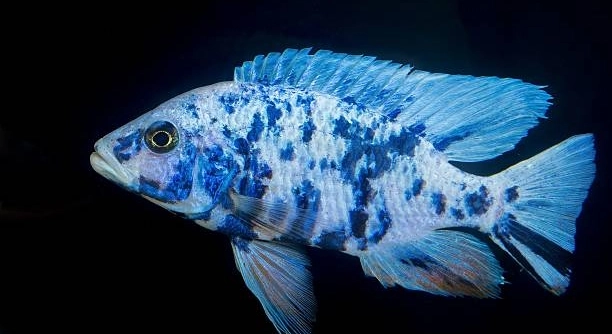
Are your cichlids showing signs of aggression and making your tank a stressful place? Aggressive behavior is common among these fish, but it can be managed with careful attention and small changes to their environment and routine.
Managing aggressive cichlids involves addressing their environment, diet, and social dynamics. Adjusting tank size, providing hiding spots, regulating feeding schedules, and observing behavior consistently can significantly reduce hostility and promote a healthier, calmer aquarium community.
Implementing these simple adjustments will improve your fish’s behavior and create a more balanced, peaceful tank environment for everyone.
Adjust Tank Size Appropriately
A small tank can easily increase aggression among cichlids because they feel crowded and territorial. Ensuring each fish has enough space to swim freely reduces stress and limits conflict. A larger tank also allows for multiple territories, which can help distribute dominant behavior more evenly. Consider tank dimensions based on the species and number of cichlids. Adding vertical and horizontal space with decorations or plants can create visual barriers, giving shy fish areas to escape. Overcrowding can worsen aggression, so avoid adding too many new fish at once. Regularly check the tank for signs of stress, such as torn fins or constant chasing, which indicate the current space may be insufficient. Observing interactions and making incremental changes in tank layout can drastically improve harmony among your cichlids, helping them coexist without constant conflict.
Proper tank size helps maintain calm fish and reduces overall tension in the aquarium.
Spacing and layout adjustments can transform a chaotic tank into a more peaceful habitat, promoting healthier interactions.
Introduce Hiding Spots
Adding rocks, caves, and plants gives cichlids places to hide and retreat when threatened. These spaces reduce stress and help establish personal territories.
Hiding spots can prevent fights and give timid fish confidence, making the tank more balanced.
Strategically placing decorations throughout the aquarium allows fish to choose their own space, limiting direct confrontations. Cichlids are naturally territorial, and having multiple hiding spots ensures they can escape aggressive encounters without causing injury. Rocks, driftwood, and dense plants not only provide refuge but also break line-of-sight, which discourages constant chasing. Some cichlids prefer caves, while others like overhanging plants; offering variety accommodates different personalities. Observing how fish use these spots helps you adjust their placement for optimal effect. A well-decorated tank encourages natural behaviors and reduces stress-related aggression. By giving each fish a safe zone, overall tension drops, creating a calmer and healthier aquarium environment that supports long-term well-being.
Maintain a Consistent Feeding Schedule
Regular feeding reduces competition and stress among cichlids. Feeding at the same times each day helps fish anticipate meals and decreases aggressive behavior over food.
Providing measured portions prevents overfeeding and ensures all fish receive adequate nutrition. Uneven feeding can trigger fights as dominant cichlids try to claim more than their share. Using multiple feeding spots allows less aggressive fish to eat without harassment. Including a balanced diet with proteins, vegetables, and occasional treats supports overall health, keeping cichlids less irritable. Observing feeding behavior can help adjust the schedule or portions to minimize conflict and maintain harmony in the tank.
Monitoring meal times also helps detect health issues early, as changes in appetite often indicate stress or illness. Consistency in feeding reduces anxiety and supports a calmer aquarium environment.
Separate Aggressive Individuals
Isolating the most aggressive cichlids can prevent injuries and give others room to establish territories.
Identifying overly dominant fish and moving them temporarily to a separate tank allows the remaining cichlids to settle and reduces constant chasing. Aggression can escalate if one fish continually harasses others, affecting the health and behavior of the group. Isolation also provides the dominant fish with a chance to calm down before reintegration. During separation, ensure proper water conditions and enrichment to maintain their well-being. Reintroducing them gradually, while monitoring interactions, helps maintain balance in the main tank and prevents repeated conflicts.
Consistent observation and timely intervention prevent long-term stress and support a more peaceful tank dynamic, keeping all fish healthier and less aggressive over time.
Monitor Water Quality
Keeping water clean is essential to reduce aggression. Poor water conditions stress cichlids, making them more likely to fight. Regular water changes and proper filtration maintain a stable environment.
Testing for ammonia, nitrite, and nitrate levels helps catch problems early. Stable water parameters support calmer behavior.
Maintain Stable Temperatures
Sudden temperature changes can trigger stress and aggression. Use a reliable heater to keep water within the species’ ideal range. Fluctuating temperatures disrupt metabolism and increase hostility, making fish more reactive. A consistent, appropriate temperature encourages natural behavior and reduces unnecessary conflicts among tank mates.
Introduce Plants Gradually
Adding plants slowly prevents territorial disputes. New plants can create hiding spots and break sight lines, but sudden changes may provoke aggression. Gradual introduction allows cichlids to adjust and establish new territories without constant fighting.
Observe Behavior Closely
Frequent observation helps identify signs of stress or escalating aggression. Early detection allows for timely adjustments, protecting all fish in the tank.
How can I tell if my cichlid is stressed or aggressive?
Signs of stress or aggression in cichlids include frequent chasing, biting, torn fins, and hiding more than usual. Color changes, rapid breathing, or refusal to eat are also indicators. Observing daily interactions helps identify which fish are dominant and which are stressed, allowing for timely adjustments in tank management to reduce conflict.
Will adding more decorations really calm aggressive cichlids?
Yes, decorations like rocks, caves, and plants create natural barriers and territories. This allows fish to establish personal spaces and retreat when threatened. Providing varied hiding spots encourages natural behavior, reduces direct confrontations, and helps less dominant cichlids gain confidence without constant harassment.
Is tank size really that important for reducing aggression?
Tank size is critical. Overcrowded tanks force cichlids into close contact, increasing stress and fights. A larger tank provides room for multiple territories, swimming space, and escape routes. Ensuring each species has enough space based on its size and behavior is one of the most effective ways to maintain peace.
How often should I feed my cichlids to prevent fighting?
Feeding on a consistent schedule reduces competition and stress. Two to three small meals per day are better than one large feeding. Distributing food in multiple locations ensures all fish get a share and prevents dominant fish from controlling access to food, minimizing aggressive encounters.
Can separating aggressive individuals permanently solve the problem?
Separation is a temporary solution to prevent injuries and allow tank balance. It does not address the root causes of aggression, which may include territory, hierarchy, or environmental stressors. After a period, gradual reintegration with careful monitoring often works better than permanent isolation.
Do water quality issues really affect cichlid aggression?
Yes, poor water quality increases stress and irritability. High ammonia, nitrite, or nitrate levels, as well as fluctuating pH, can trigger aggression. Regular water changes, testing, and proper filtration maintain a healthy environment and reduce hostile behavior among cichlids.
Will introducing plants suddenly cause more fights?
Sudden changes in tank layout can trigger territorial disputes. Introducing plants gradually gives fish time to adjust and claim new territories. This method reduces stress and prevents frequent skirmishes while still providing necessary hiding spots for shy or submissive fish.
Are some cichlid species naturally more aggressive than others?
Yes, certain species have stronger territorial instincts and higher dominance tendencies. African cichlids, for example, are often more aggressive than South American species. Knowing the temperament of each species before adding them to a community tank helps plan compatible groupings.
Can adjusting temperature reduce aggression?
Maintaining a stable, species-appropriate temperature reduces stress-induced fights. Sudden drops or spikes in water temperature can increase irritability and trigger aggressive behavior. Using a reliable heater and monitoring fluctuations ensures a calm and consistent environment.
Does observation really make a difference in managing aggression?
Frequent observation allows early detection of conflicts, stress, or illness. Timely interventions, such as rearranging decorations, adjusting feeding schedules, or temporarily separating aggressive fish, help maintain balance and reduce injuries. Consistent monitoring is essential for a harmonious cichlid tank.
How can I encourage natural behavior without causing fights?
Providing structured territories, hiding spots, and proper feeding routines allows fish to exhibit natural behaviors safely. By offering enough space and environmental enrichment, dominant and shy fish can coexist without constant confrontation, creating a stable and healthier community.
Is it necessary to quarantine new cichlids to prevent aggression?
Quarantining new fish helps reduce disease risk and allows observation of temperament before adding them to the main tank. Aggressive or highly stressed individuals can be addressed early, preventing conflicts and protecting established fish in the aquarium.
How long does it take to see results from these strategies?
Calming aggressive cichlids varies depending on species, tank conditions, and fish personalities. Some improvements may be visible within days, while establishing a stable hierarchy and reducing stress fully can take several weeks. Patience and consistent care are essential.
Can diet changes influence aggression?
Yes, a balanced diet supports overall health and reduces irritability. High-protein foods, occasional vegetables, and proper portioning prevent overfeeding and competition. Feeding in multiple locations ensures fairness, helping maintain calm behavior among all fish.
Are cichlids less aggressive in groups or pairs?
Group dynamics depend on species. Some cichlids thrive in larger groups where hierarchy spreads aggression, while others may do better in pairs or smaller communities. Understanding each species’ social behavior is key to reducing constant fights and maintaining a stable tank environment.
What should I do if aggression continues despite changes?
Persistent aggression may require reevaluating tank size, species compatibility, or territory availability. In some cases, separating specific fish permanently or rehoming aggressive individuals may be necessary to protect others. Consistent monitoring and incremental adjustments are crucial to finding long-term balance.
Managing aggressive cichlids requires patience, observation, and consistent care. These fish are naturally territorial, and some level of dominance is normal. However, constant aggression can cause injuries, stress, and overall disharmony in the tank. By focusing on key factors such as tank size, hiding spots, feeding routines, and water quality, it is possible to reduce hostility and create a calmer environment. Small adjustments, like adding plants gradually or providing multiple feeding locations, make a significant difference in daily interactions among your fish. Observing their behavior regularly helps identify early signs of stress or conflict, allowing you to act before minor problems escalate into serious issues. Over time, these practices encourage more balanced behavior and healthier social dynamics.
Consistency is essential in maintaining a peaceful aquarium. Feeding at set times, monitoring water parameters, and ensuring stable temperatures support both physical health and emotional well-being in cichlids. A sudden change in any of these factors can trigger fights or stress responses. While separation of aggressive individuals can be effective in the short term, it is important to use this strategy strategically, rather than relying on it as a permanent solution. Introducing decorations, caves, or plants provides territorial boundaries, allowing dominant fish to assert themselves without harming others. Proper tank layout also helps less aggressive fish feel secure, giving them confidence to explore and feed. By addressing both environmental and social factors, tank owners can create a setting where all fish coexist more peacefully, reducing injuries and improving overall health.
Understanding cichlids’ natural tendencies helps guide practical solutions to manage aggression. Each species may require slightly different care, but the principles of space, structure, and routine apply universally. Adjusting tank conditions, providing enrichment, and observing fish regularly are proactive steps that prevent unnecessary stress and conflict. Over time, these efforts promote a stable hierarchy, healthier interactions, and a more enjoyable aquarium experience. Managing aggression is not about eliminating natural behaviors but about supporting a balanced and safe environment. With patience, careful observation, and thoughtful changes, cichlids can thrive in a peaceful and well-maintained tank, making daily care more rewarding and less stressful.

Hello,
If you enjoy the content that we create, please consider saying a "Thank You!" by leaving a tip.
Every little bit helps us continue crafting quality advice that supports the health, happiness, and well-being of pets around the world, for pets of all shapes, sizes, and species.
We really appreciate the kindness and support that you show us!