
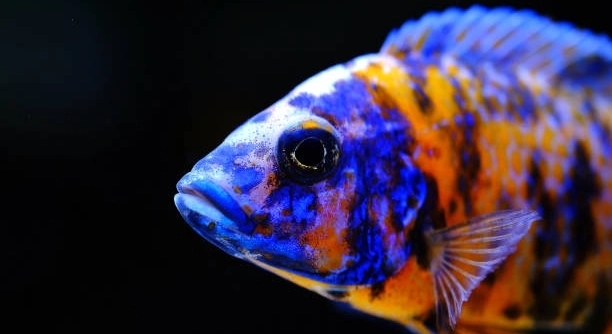
Many aquarium owners notice their cichlids hiding throughout the day, creating concern about health, comfort, and tank balance. This behavior often signals underlying issues that deserve attention to maintain a stable, calm aquatic environment home.
Cichlids hide all day primarily due to environmental stress, including improper tank size, poor water quality, aggressive tank mates, inadequate shelter, or sudden changes. These stressors trigger defensive behavior, causing fish to retreat to reduce exposure and conserve energy levels.
Understanding these hiding behaviors helps restore confidence, improve tank conditions, and support healthier, more active cichlids over time consistently daily.
Poor Tank Environment Causes Constant Stress
I have seen many cichlids retreat into rocks when their environment feels unstable. Limited tank space, weak filtration, and inconsistent water parameters create constant pressure. Elevated ammonia, nitrite, or nitrate levels irritate gills and skin, pushing fish to seek shelter. Sudden lighting changes and loud surroundings also increase tension. Cichlids rely on routine, and disruption affects their confidence. Without stable conditions, hiding becomes a protective habit rather than a temporary response. Even decorative choices matter, since sharp rocks or crowded layouts reduce safe movement. Over time, chronic stress weakens immunity, making fish quieter and less visible. Addressing environmental balance is essential for encouraging natural swimming patterns and visible behavior throughout the day. When I corrected these basics, hiding slowly decreased, showing how stability restores comfort and allows cichlids to display normal activity without fear or constant withdrawal during daily observation periods within a well maintained aquarium setting overall for owners.
Hiding linked to poor conditions rarely resolves on its own. Improvements in water quality, tank layout, and lighting consistency often produce visible behavioral changes within weeks, supporting calmer movement and reduced dependency on constant shelter use. These adjustments create predictability that sensitive cichlids strongly depend on for security and comfort.
Environmental stress is often overlooked because fish remain alive, yet behavior tells the real story. When cichlids hide excessively, it reflects discomfort rather than preference. I learned that stable parameters, proper filtration, and thoughtful aquascaping change activity levels noticeably. Regular testing, gradual adjustments, and calm surroundings support confidence. Providing caves without overcrowding allows choice rather than forced hiding. Once conditions stabilize, cichlids emerge more frequently, interact naturally, and display healthier coloration. Consistency matters more than perfection, and small corrections often lead to meaningful behavioral improvement. This approach promotes long term stability for both fish and keeper within shared tanks successfully.
Aggression and Social Structure Influence Hiding
Tank mates play a major role in daily behavior. Dominant cichlids can intimidate weaker fish, leading them to remain hidden. Even subtle chasing or territorial displays increase stress, especially in confined spaces without clear boundaries or visual breaks. This pattern often develops gradually and becomes normalized over time within groups.
Cichlids establish hierarchies, and imbalance disrupts comfort. Overstocking intensifies competition for territory, food, and breeding areas. Smaller or less aggressive fish retreat to avoid repeated confrontations. I have noticed that even compatible species hide when introduced improperly or without rearranging décor. Visual barriers, such as plants and rock formations, reduce direct line of sight and ease tension. Adequate space allows subordinate fish to move freely without constant monitoring by dominant individuals. Feeding routines also matter, since aggressive feeding increases anxiety. Spreading food across the tank reduces competition and encourages movement. Monitoring interactions daily helps identify stress early. Adjusting population size, rehoming overly aggressive fish, or redesigning territory often restores balance. Once social pressure decreases, hiding behavior fades, revealing healthier interaction patterns and calmer swimming throughout the aquarium. I found patience essential, as changes require observation rather than immediate results. Stable groups form slowly and reward consistency. Providing enough hiding areas initially helps reduce fear until trust develops. Over time, fish begin sharing space without retreating constantly. This balance improves visibility and supports long term aquarium stability. Consistent observation keeps social stress from returning unnoticed. That awareness made a clear difference in my tanks over months of care and adjustment cycles.
Inadequate Hiding Spaces Increase Fear
Lack of proper hiding areas forces cichlids to retreat into corners or remain motionless. Without caves or structured décor, they feel exposed. This constant vulnerability increases stress levels and discourages exploration. Even confident fish reduce activity when shelter options are limited during daytime hours within busy household environments often observed.
I learned that cichlids rely on territory markers to feel secure. Rock piles, caves, and plants break sightlines and provide resting zones. When décor is sparse, fish stay hidden behind filters or heaters instead. This behavior limits natural movement and feeding confidence. Adding multiple shelters at different heights supports varied species needs. Spacing matters, since clustered caves create competition rather than comfort. Smooth materials prevent injury while allowing quick retreats. Once hiding spots were improved, my fish emerged more often, patrolled territories calmly, and showed brighter coloration during normal daily routines after consistent tank adjustments and observation over time periods.
Providing adequate shelter does not encourage constant hiding when done correctly. Instead, it gives fish choice and control. I noticed that balanced layouts reduced panic responses during lighting changes. Fish used shelters briefly, then resumed swimming. Overcrowding shelters creates tension, so variety matters. Open swimming lanes between structures support activity. Regular rearrangement should be avoided, since familiarity builds confidence. When décor remains stable, cichlids establish territories without fear. This stability reduces stress hormones and supports healthier behavior patterns long term across different species sizes ages within community tanks maintained carefully by attentive keepers seeking consistent results over extended care periods.
Health Issues Can Lead to Withdrawal
Underlying health problems often cause cichlids to hide for extended periods. Parasites, infections, or internal discomfort reduce energy and confidence. Fish conserve strength by remaining still and avoiding interaction. Subtle signs include clamped fins, faded color, and reduced appetite. These symptoms may appear before visible illness, making behavior changes an early warning sign for attentive aquarium owners monitoring daily routines closely at home tanks with care and consistency over time periods regularly observed quietly inside.
From my experience, health related hiding rarely improves without intervention. Water quality testing should come first, since poor parameters worsen illness. Quarantine tanks help prevent spread and allow focused treatment. I learned to observe breathing rate, posture, and feeding habits closely. Medications should match symptoms, not guesses. Stress free recovery depends on stable temperature and gentle filtration. Skipping treatment often leads to prolonged hiding and decline. Once health improves, activity returns gradually. Patience matters, because recovery takes time even after symptoms fade. Consistent care restores confidence and normal movement patterns within home aquariums managed carefully with regular observation and record keeping habits that support early detection and responsible response over long term maintenance cycles by dedicated keepers seeking stability and healthier fish behavior outcomes overall.
Improper Lighting Disrupts Natural Behavior
Improper lighting often keeps cichlids hidden during the day because bright or inconsistent light increases anxiety and disrupts natural rhythms. Sudden on and off cycles cause fish to seek cover. Constant exposure without dim areas removes comfort and reduces daytime movement significantly for sensitive species housed indoors under artificial conditions.
From my tanks, adjusting light intensity made a clear difference. Using timers, floating plants, and gradual transitions helped fish stay visible. Stable lighting schedules reduced startle responses and encouraged routine swimming. Once glare was softened, hiding decreased and daily activity became more predictable overall within calm indoor aquarium environments consistently.
Poor Feeding Practices Increase Stress
Improper diet and irregular feeding patterns also cause cichlids to hide. Poor nutrition weakens energy levels and increases stress responses. Infrequent feeding creates competition, while overfeeding degrades water quality. I noticed timid fish avoided open areas during meals. Providing balanced food, consistent schedules, and multiple feeding spots improved confidence. High quality pellets, frozen foods, and vegetable matter support digestion and immunity. When fish expect food calmly, they remain visible. Controlled portions prevent waste buildup. Feeding routines, when predictable, reduce anxiety and encourage natural social behavior throughout the tank daily for healthier interaction patterns and stable long term care results overall.
Sudden Routine Changes Cause Withdrawal
Sudden changes in routine often push cichlids into hiding. Tank cleanings, décor shifts, or temperature swings disrupt familiarity. I learned that slow adjustments matter. Gradual maintenance, stable schedules, and gentle movements around the tank help fish feel secure and remain visible longer during normal daily aquarium care routines consistently observed.
Why are my cichlids hiding all day?
Cichlids hide all day primarily because of stress or discomfort. Common causes include poor water quality, limited tank space, aggressive tank mates, inadequate hiding spaces, improper lighting, or health problems. I noticed that when one factor is addressed, such as water quality, fish slowly start exploring more. Their behavior is a survival instinct, helping them avoid perceived threats and conserve energy when conditions feel unsafe. Observing their patterns over time gives insight into what triggers hiding, allowing gradual improvements. Providing shelters, monitoring water parameters, and maintaining consistent routines often reduces excessive hiding and restores confidence in daily tank activity.
Is hiding always a sign of illness?
Not always. While disease can cause hiding, it’s often linked to environmental or social stress. I have seen perfectly healthy cichlids stay hidden due to poor tank layout or aggressive tank mates. Health-related hiding is usually accompanied by other symptoms, such as faded color, clamped fins, labored breathing, or reduced appetite. Observing their behavior alongside physical signs helps determine whether medical intervention is needed. I learned to check water parameters, monitor interactions, and look for early warning signs before assuming illness. Addressing stress first often prevents unnecessary medication and encourages fish to return to normal activity gradually.
How can I reduce hiding behavior in my cichlids?
The most effective way is improving the tank environment. I rearranged décor to provide multiple caves and plants, giving fish choice over safe spaces. Stable lighting and gradual transitions reduced sudden stress. Maintaining consistent feeding routines and monitoring social hierarchies also helped. Water quality is critical, so regular testing and filtration adjustments make a big difference. Avoid overcrowding and provide open swimming areas between shelters. Small changes, consistently applied, gradually encourage cichlids to explore rather than stay hidden. I found patience essential, as behavior shifts take days or weeks, but results were rewarding once fish became more active and confident.
Can aggressive tank mates cause my cichlids to hide?
Yes. Dominant or territorial cichlids intimidate weaker fish, causing them to retreat for safety. I observed that even subtle chasing or displays of dominance were enough to make shy species hide. Overcrowding increases competition, while visual barriers, like plants and rock formations, reduce constant exposure to aggression. Rebalancing populations, rearranging décor, or providing additional hiding spots can restore confidence. Gradually introducing fish and monitoring interactions reduces stress and allows natural social structures to develop. Once the dominant fish is less threatening or adequate space is provided, hidden cichlids emerge more frequently, display normal activity, and regain healthier coloration.
Does lighting affect hiding behavior?
Absolutely. Too bright or inconsistent lighting can stress cichlids, prompting them to hide. I noticed my fish avoided open areas when light intensity was high or sudden changes occurred. Using timers, floating plants, and dimming strategies created safer areas and encouraged normal movement. Gradual lighting transitions mimic natural patterns, helping cichlids feel secure. Stable lighting reduces startle responses and improves overall behavior. Even small adjustments, like adding shaded areas or soft overhead light, make fish more willing to swim openly. Over time, consistent lighting supports predictable activity patterns and reduces unnecessary hiding without causing further stress.
What role does diet play in hiding behavior?
Feeding practices directly affect energy and stress levels. Irregular schedules, overfeeding, or poor nutrition can cause fish to hide to conserve energy. I learned that distributing food in multiple spots reduces competition and encourages timid fish to eat without fear. High-quality pellets, frozen foods, and vegetables strengthen immunity and increase confidence. Predictable routines make fish expect food calmly and feel safe during meals. Poor feeding can also impact water quality, further discouraging activity. Balancing diet, portion size, and feeding consistency supports healthy behavior, reduces stress-induced hiding, and promotes more visible, active cichlids in the tank daily.
When should I be concerned about hiding?
Hiding becomes concerning when accompanied by health or environmental issues that don’t improve. Persistent hiding with signs like weight loss, clamped fins, faded color, or labored breathing may indicate disease. I found that early intervention—testing water, checking tank mates, and adjusting environment—prevents prolonged stress and illness. Consistent monitoring and noting changes in routine behavior help distinguish normal hiding from problems. When multiple factors are addressed and fish continue to hide excessively, professional guidance or quarantine may be necessary to ensure safety and recovery. Observing both physical and behavioral signs gives the clearest picture of overall well-being.
How long does it take for cichlids to stop hiding?
It varies depending on the cause. I observed that environmental improvements, like adding shelters, stabilizing water, or adjusting lighting, usually show results in days to weeks. Social adjustments or treating health issues may take longer. Patience is key, as sudden changes can create more stress. Consistency in care, feeding, and observation gradually encourages fish to emerge, explore, and regain normal activity patterns. Tracking behavior over time helps gauge progress, and small, steady improvements often yield the most lasting results. Once conditions are stable, cichlids display natural curiosity and spend more time swimming openly, reflecting regained confidence.
Cichlids hiding all day is a behavior that often signals underlying issues rather than simple preference. Stress from environmental factors, social interactions, or health problems can push fish to retreat for long periods. Poor water quality, improper tank size, aggressive tank mates, and lack of shelters are common reasons for this behavior. I have observed that even minor disruptions in their environment, like sudden lighting changes or rearranged décor, can increase hiding. Fish rely on stability and predictability to feel safe. Without proper conditions, they may remain withdrawn, limiting natural swimming and feeding behavior. Over time, chronic hiding can affect their overall health, including immune function and coloration. Addressing these issues involves careful observation, patience, and gradual adjustments to the tank environment. Providing adequate space, proper water conditions, and multiple hiding spots encourages fish to explore and become more active during the day.
Understanding the social dynamics within the tank is equally important. Cichlids establish hierarchies, and dominant individuals can intimidate others, leading to prolonged hiding among less aggressive fish. I noticed that timid fish often retreat when confronted repeatedly, even if aggression is mild. Proper population management, visual barriers, and rearranged territories help balance social stress. Feeding practices also play a significant role. Irregular schedules, competition during meals, or poor nutrition can increase anxiety and hiding. When feeding is consistent, food is distributed evenly, and nutrition meets their needs, fish tend to feel more secure and are more likely to come out from shelters. Health considerations should never be overlooked. Parasites, infections, or internal discomfort often manifest as extended hiding before other physical signs appear. Observing subtle changes in color, fin posture, or breathing helps identify when medical attention is necessary. Combining environmental improvements with social and dietary adjustments supports long-term confidence and active behavior in cichlids.
Patience and consistency are crucial when addressing hiding behavior. Changes should be gradual and monitored carefully to avoid additional stress. I learned that even small improvements in décor, lighting, or water quality can have noticeable effects if maintained over time. Stable routines, adequate shelters, and proper tank management gradually reduce hiding and encourage natural behaviors. While every fish is unique, observing patterns and responding thoughtfully allows cichlids to regain comfort, explore their environment, and interact with tank mates in healthier ways. Long-term success comes from a combination of proper care, careful observation, and a stable environment, ensuring that cichlids spend more time visible, active, and displaying their natural behaviors consistently. Over time, a well-maintained tank reduces stress triggers, supporting both physical health and overall well-being for all fish within the aquarium.

Hello,
If you enjoy the content that we create, please consider saying a "Thank You!" by leaving a tip.
Every little bit helps us continue crafting quality advice that supports the health, happiness, and well-being of pets around the world, for pets of all shapes, sizes, and species.
We really appreciate the kindness and support that you show us!