
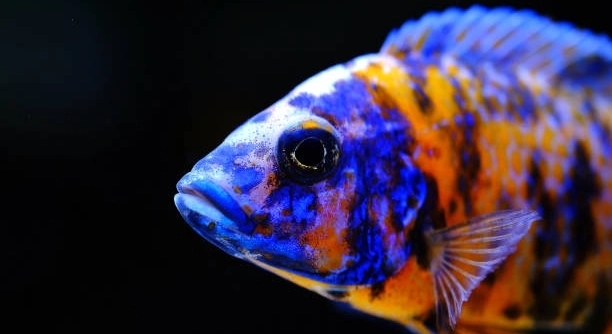
Have you ever noticed your convict cichlids showing curious behaviors that seem playful and intentional inside the aquarium, revealing personality beyond survival and feeding while interacting with objects, tank mates, and their environment daily routinely.
Convict cichlids engage in playful behaviors through structured exploration, object manipulation, social chasing, territory games, substrate digging, bubble interaction, and environmental testing. These activities support cognitive stimulation, stress reduction, and social development within captive aquarium settings under controlled observational conditions.
By recognizing these playful patterns, aquarists can better enrich tanks, encourage natural behaviors, and strengthen overall well-being in home aquariums.
Object Pushing and Rearranging
Convict cichlids often show playful interest in small objects placed inside the tank. Smooth stones, shells, or lightweight decorations are pushed, lifted, and relocated repeatedly. This behavior resembles exploration mixed with problem solving. I have noticed they return to the same item daily, treating it like a familiar toy. Rearranging objects allows them to test strength, space, and control. It also keeps boredom low in confined environments. Tanks with movable items tend to show more activity throughout the day. The fish pause, observe, then act with intention. This is not random movement. It reflects curiosity and awareness of surroundings. Providing safe, fish friendly objects supports mental stimulation. It also reduces aggressive focus toward tank mates. When given choices, convict cichlids often select one object and interact with it consistently. This repeated interaction is a strong sign of play driven behavior rather than survival based actions alone during routine captive care.
This playful rearranging becomes more visible in calm tanks with stable lighting and minimal stress. I find consistent layouts encourage bolder interaction. Sudden changes reduce play temporarily. Patience allows these behaviors to reappear naturally, often stronger and more focused over time when environments remain predictable and supportive for observation routines.
To support this behavior, choose objects without sharp edges or loose coatings. Rotate items slowly rather than replacing everything at once. I prefer introducing one piece at a time. This keeps interest steady. Watch how each fish responds before adding more. Play increases when the fish feel secure. Stable water parameters and clear territory boundaries help greatly. Object play often pairs with digging and sand movement. This combination shows comfort within the tank. Over time, these playful habits create a more balanced and active aquarium environment that supports natural behavior and reduces idle aggression levels during long term care periods.
Social Chasing and Mock Displays
Convict cichlids often chase each other without contact, especially during quiet periods. This movement is fast but controlled. I see it as social play rather than conflict. The behavior builds coordination and reinforces awareness of boundaries within shared spaces while allowing energy release without lasting stress effects in stable tanks.
This type of play usually happens between familiar tank mates of similar size. It looks intense but lacks biting or damage. I pay attention to duration rather than speed. Short bursts followed by calm behavior signal play. Chasing helps establish communication without harm. It also strengthens social structure in small groups. Adequate space is essential. Crowded tanks can turn playful motion into tension. Clear sightlines and defined territories reduce that risk. Plants, rocks, and open swimming areas create balance. Lighting also plays a role. Softer lighting encourages relaxed movement. Feeding schedules matter as well. Well fed fish display more controlled interactions. When stress is low, chasing remains brief and repetitive. Over time, fish learn limits through these exchanges. Observing this behavior helps me judge tank harmony. Consistent playful chasing usually indicates comfort, stability, and proper environmental design. It reflects mental engagement, not unrest, and supports long term behavioral health in captivity. This form of interaction becomes a reliable indicator when monitoring changes after adjustments to layout, lighting, or stocking levels, offering clear feedback without intrusive testing methods or constant intervention from the keeper over extended observation periods within established home aquarium systems designed for long term stability and behavioral balance.
Substrate Digging Games
Convict cichlids dig repeatedly in the same areas, moving sand or gravel with purpose. I notice this happens even without breeding. The action appears playful, allowing them to reshape space, release energy, and interact physically with their environment in a controlled, repetitive manner during calm daily aquarium conditions observed consistently.
Digging often becomes a repeated routine rather than a single task. I have seen fish return to cleared spots daily, refining edges and depth. This behavior supports muscle use and coordination. It also provides mental stimulation through cause and effect. Substrate texture matters. Fine sand encourages smoother motion, while coarse gravel increases effort. Both create engagement. Stable layouts help this play remain calm. Sudden changes can interrupt digging patterns. When left undisturbed, convict cichlids show patience and focus. This quiet activity fills long periods between feeding and social interaction without increasing stress levels within established home aquarium systems consistently observed.
Providing depth variation increases this playful digging behavior. I prefer layering sand over small gravel to allow choice. Fish test areas repeatedly, adjusting effort based on resistance. This shows awareness and learning. Tank mates often watch but do not interfere. Clear boundaries reduce conflict. Digging may pair with object moving, forming combined play patterns. Lighting stability also matters. Bright shifts reduce activity. Gentle flow keeps particles moving slightly, increasing interest. Over time, these routines signal comfort. Regular digging suggests the fish feel secure and mentally engaged within their surroundings on a daily basis under stable care conditions long term observation.
Playing With Bubbles and Flow
Convict cichlids often interact with bubbles from filters or air stones. They swim into rising streams, pull back, then repeat. I notice this during low activity hours. The movement appears intentional and rhythmic. Water flow becomes a physical stimulus. Controlled currents offer resistance without threat. This interaction supports balance and strength while providing simple, repeatable engagement within the tank environment, especially when lighting and noise remain consistent and stress levels stay low throughout daily care.
Flow based play increases when equipment runs smoothly and quietly. I avoid sudden surges that disrupt rhythm. Gentle, steady output invites repeated interaction. Fish learn where resistance is strongest and adjust swimming patterns. This shows coordination and spatial awareness. Bubbles also create visual stimulation. Chasing and weaving through them becomes part of routine behavior. Placement matters. Positioning air stones near open areas prevents territorial issues. Too much flow near nests or resting zones reduces comfort. Balanced circulation keeps interest high without exhaustion. Over time, fish return to favored spots, treating them like familiar play areas. This predictable use of flow indicates stability. Consistent interaction with bubbles often reflects low stress, good health, and an environment that meets both physical and mental needs in captivity settings.
Glass Tracking and Light Play
Convict cichlids often follow moving reflections along the glass, swimming back and forth with steady focus. I notice this during quiet moments. Light shifts from windows or room movement trigger tracking behavior that repeats calmly and shows visual engagement rather than stress within stable tanks over extended observation periods daily.
This behavior appears playful because it stops when lighting changes abruptly. I keep reflections mild to prevent obsession. Frosted backgrounds help. When balanced, glass tracking offers simple stimulation, letting fish practice focus and movement without causing agitation or territorial reactions during calm daily aquarium routines under stable conditions long term.
Reflection Displays and Shadow Play
Convict cichlids sometimes interact with their own reflections or shadows in playful displays. I have seen them flare briefly, then swim away, repeating the motion without escalation. This behavior supports awareness and self recognition limits. It also releases energy safely. To manage this, I avoid mirrored surfaces and harsh lighting. Soft backgrounds reduce fixation. When reflections are brief and controllable, these displays remain short and calm. The fish learn boundaries through repetition. Over time, the behavior fades naturally. Consistent tank lighting and positioning help prevent stress while still allowing mild visual play that keeps daily activity levels steady over time.
Gentle Tapping and Texture Testing
Convict cichlids also engage in gentle object tapping with mouths or fins. I notice this near décor edges. The action seems exploratory, not destructive. Repeated tapping tests texture and movement, offering subtle play that fits well into calm community tanks during stable daily routines with minimal stress levels observed consistently.
FAQ
Do convict cichlids actually play or is it just instinct?
Convict cichlids show behaviors that go beyond feeding, breeding, and defense. Repeated object interaction, controlled chasing, and intentional movement patterns suggest play. These actions occur even when survival needs are met. I notice they repeat behaviors during calm periods, which points to mental engagement rather than instinct alone. Play helps release energy and maintain balance.
Can play reduce aggression in convict cichlids?
Yes, play can reduce misplaced aggression. When convict cichlids have outlets like digging, object movement, and flow interaction, they focus less on tank mates. I have seen calmer group dynamics in tanks with enrichment. Play redirects energy and supports clearer boundaries, especially in stable layouts with enough space.
What tank size supports playful behavior best?
Larger tanks allow safer play. Space lets convict cichlids chase, dig, and explore without constant contact. I find that cramped tanks limit play and increase tension. Open areas combined with defined zones work best. This balance allows movement while maintaining comfort and predictability throughout daily activity.
Do toys help or stress convict cichlids?
Simple, natural items help when introduced slowly. Smooth stones and shells work well. I avoid bright or floating objects. Stress appears when too many changes happen at once. One item at a time keeps curiosity steady. When fish approach objects willingly, it usually means comfort rather than fear.
How often should enrichment items be changed?
Changes should be gradual. I prefer rotating one item every few weeks. Frequent changes interrupt routines and reduce play temporarily. Convict cichlids seem to enjoy familiarity. Small adjustments maintain interest without removing security. Observing reaction matters more than following a strict schedule.
Does lighting affect playful behavior?
Lighting has a strong effect. Sudden brightness reduces activity. Soft, consistent lighting encourages calm play like tracking and digging. I keep lighting cycles predictable. Natural light shifts can trigger glass tracking, but too much glare increases stress. Balance supports steady interaction.
Is bubble play safe for long periods?
Yes, when flow is gentle. Convict cichlids swim in and out of bubbles by choice. I avoid strong currents that force constant movement. Short, repeated interaction shows control. If fish rest afterward, it usually means the activity is well tolerated and not exhausting.
Can playful behavior indicate good health?
Often, yes. Active exploration and repeated interaction suggest comfort and physical strength. When play decreases suddenly, I check water quality and tank changes. Healthy convict cichlids maintain routines. Play acts as an early signal when something feels off in the environment.
Do all convict cichlids play the same way?
No, personalities vary. Some focus on digging, others on movement or objects. I notice consistent preferences over time. Individual behavior patterns remain stable unless the environment changes. Recognizing these differences helps tailor enrichment to each tank setup.
Can play occur during breeding periods?
Play usually decreases during active breeding. Focus shifts to territory defense and care. However, light interaction like digging may continue. Once breeding ends, playful behaviors return gradually. I avoid major changes during these periods to reduce stress.
Is it possible to overstimulate convict cichlids?
Yes. Too many objects, strong flow, or constant changes can overwhelm them. I watch for frantic swimming or hiding. Play should look controlled and repeatable. Calm pauses between activity signal healthy stimulation rather than overload.
Do tank mates affect playful behavior?
Tank mates influence how freely convict cichlids play. Compatible species reduce tension. I avoid pairing them with overly aggressive fish. When social balance is right, play increases naturally. Clear territory boundaries help all fish coexist with less conflict.
How can beginners encourage play safely?
Start simple. Stable water, consistent lighting, and basic décor come first. I suggest adding one enrichment element and observing behavior for several days. Let the fish lead. When convict cichlids feel secure, play follows without forcing interaction.
Final Thoughts
Convict cichlids show that play is not limited to mammals or complex animals. Their behaviors, while simple, reveal intention, repetition, and awareness. Watching them interact with objects, substrate, light, and water flow highlights how much their environment shapes daily activity. I find that when their basic needs are met, these fish naturally look for stimulation. Play becomes part of their routine, not an occasional event. It fills the quiet space between feeding and rest. These moments show comfort more than excitement. Calm play suggests stability. It reflects an environment where the fish feel safe enough to explore without pressure. This understanding shifts how tanks are viewed. Aquariums become more than containers. They turn into living spaces that respond to structure, consistency, and care. Observing play also encourages patience. These behaviors appear slowly and strengthen over time. They cannot be forced. They grow from balance and familiarity.
Providing opportunities for play does not require complexity. Small adjustments often have the biggest impact. Substrate choice, object placement, lighting stability, and gentle flow all matter. I have learned that restraint is important. Too many changes disrupt behavior patterns. Consistency builds trust. When convict cichlids recognize their surroundings, they interact with confidence. Play then becomes natural rather than reactive. This approach also helps reduce stress and unwanted aggression. Instead of reacting to problems, enrichment prevents them. Watching play offers feedback without intervention. Changes in activity often signal environmental shifts before health issues appear. This makes play a useful indicator. It reflects both physical and mental well-being. Over time, patterns become familiar. Each fish shows preferences. Respecting those preferences improves long-term care. Simple observation becomes one of the most valuable tools for understanding these fish and supporting steady behavior.
Play also strengthens the keeper’s connection to the aquarium. Not through interaction, but through awareness. Sitting back and observing reveals detail that routine maintenance can miss. Subtle habits form. Repeated movements tell stories of comfort and control. These moments make care feel purposeful rather than mechanical. Convict cichlids may not demand attention, but they respond clearly to thoughtful setups. Their play reflects the effort placed into their environment. When tanks are stable and enriched, behavior becomes predictable and calm. This consistency brings confidence to long-term care. It reinforces the idea that good aquarium keeping is built on observation, patience, and simplicity. Play is not decoration. It is function. It supports balance and reflects health. Recognizing this adds depth to daily care and encourages a more mindful approach to keeping convict cichlids in captivity.

Hello,
If you enjoy the content that we create, please consider saying a "Thank You!" by leaving a tip.
Every little bit helps us continue crafting quality advice that supports the health, happiness, and well-being of pets around the world, for pets of all shapes, sizes, and species.
We really appreciate the kindness and support that you show us!