
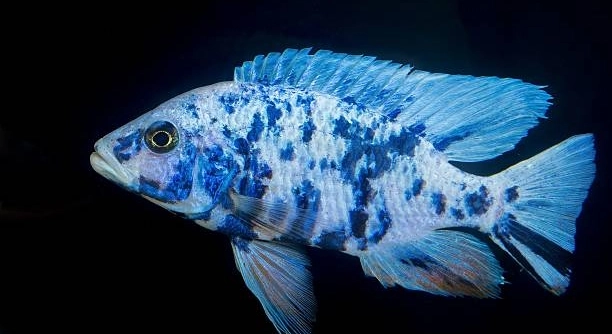
Do you ever notice your convict cichlid growing quickly and wonder when it will reach its full size? Watching their patterns and colors change can be fascinating as they develop in your aquarium over time.
A convict cichlid is generally considered fully grown at about 4 to 6 inches in length for females and 6 to 8 inches for males. Growth depends on diet, tank size, water conditions, and overall care provided by the owner.
Understanding the growth stages of your convict cichlid helps ensure proper care, tank setup, and feeding practices for its long-term health and well-being.
How to Identify a Fully Grown Convict Cichlid
As your convict cichlid grows, there are clear signs that indicate it has reached maturity. Females are usually smaller, reaching about 4 to 6 inches, while males can grow 6 to 8 inches. Their body shape becomes more robust, and the distinctive black stripes are more defined. Coloration can also deepen, especially in males, who often display a more vivid pattern when fully grown. Behavior changes are another key indicator. Mature cichlids often show territorial tendencies, especially during breeding periods. They become more assertive with tank mates, marking their preferred areas. Watching these patterns develop over several months can help you recognize when your fish has reached its full size. Maintaining a balanced diet and proper tank conditions supports steady growth and healthy development. Overfeeding or inconsistent water quality can slow growth or affect overall health, so consistent care is essential to help your cichlid reach its potential.
Growth signs are easier to notice with regular observation, especially as size and behavior stabilize.
Patience is crucial. By monitoring size, stripe clarity, and behavior, you’ll know when your convict cichlid has matured. Proper care ensures they remain healthy and vibrant, fully displaying their natural colors and patterns. Watching this process is rewarding and helps maintain a balanced tank environment for all your aquatic pets.
Factors Affecting Growth
Tank size, diet, and water conditions directly impact how quickly your convict cichlid reaches full size. Smaller tanks can restrict growth, while overcrowding may stress the fish.
Nutrition plays a major role in growth. Feeding a mix of high-quality pellets, occasional live or frozen food, and vegetables provides necessary proteins and vitamins. Inadequate feeding can slow growth, weaken the immune system, and affect coloration. Water quality is equally important. Regular water changes, proper filtration, and stable temperature levels reduce stress and promote healthy development. pH and hardness should also remain consistent, as sudden changes can stunt growth. Observing your fish for signs of stress, such as hiding or reduced appetite, allows early intervention. Social dynamics matter too; aggressive tank mates can interfere with feeding and create stress. Ensuring enough space, balanced diet, and calm tank conditions encourages steady growth, healthy behavior, and vivid coloring, helping your convict cichlid reach its full potential and live a longer, healthier life in your care.
Common Signs Your Convict Cichlid Has Stopped Growing
When a convict cichlid reaches full size, growth slows significantly. Their stripes are fully developed, body shape is solid, and males display brighter colors. Behavioral changes like territorial displays and nesting habits also become more frequent.
A fully grown convict cichlid has a consistent size and shape. Males tend to be larger and more muscular, while females remain smaller but stocky. Their fins are fully formed, and the characteristic black stripes are sharp and clear. Behaviorally, adults are more assertive, often guarding territory or showing interest in breeding. Feeding patterns stabilize, with less rapid growth despite regular meals. These indicators together signal that your cichlid has reached its mature stage.
Monitoring growth requires attention to both physical and behavioral traits. A consistent environment, proper diet, and minimal stress are key to ensuring your fish maintains health after growth slows. Fully grown cichlids may still gain minor weight but will not increase significantly in length. Maintaining stable water conditions and balanced nutrition allows your adult cichlid to thrive while preserving vibrant coloration and overall vitality throughout its adult life.
Average Lifespan and Growth Timeline
Convict cichlids typically live 8 to 10 years in well-maintained aquariums, reaching full size within the first year.
Growth is fastest during the initial months after hatching, with juveniles showing rapid size increases when provided proper care. By around 6 to 12 months, most cichlids reach near-adult size. Males often continue slight growth for several months after, while females stabilize sooner. Feeding high-quality food, keeping water clean, and maintaining adequate tank space accelerates development. Environmental stress, overcrowding, or poor nutrition can delay full growth. Observing their physical characteristics and behaviors over this period helps confirm when they have matured fully. Consistent care ensures they reach adult size while remaining healthy and active.
Differences Between Male and Female Growth
Male convict cichlids generally grow larger than females, often reaching 6 to 8 inches, while females typically max out at 4 to 6 inches. Coloration in males is more vivid, and body shape appears more robust.
Females develop slightly earlier and tend to be less aggressive. They display clear stripes but lack the pronounced bulk of males. Males maintain larger fins and a stockier frame, which helps in territory defense and breeding displays. Behaviorally, males are more assertive, often patrolling the tank, while females focus on nesting and caring for fry when breeding occurs.
How Tank Size Impacts Growth
A larger tank allows convict cichlids more space to swim, explore, and establish territory. Small tanks can stunt growth and increase stress levels, slowing development.
Ideal Diet for Maximum Growth
Feeding a balanced diet is essential. High-quality pellets, supplemented with occasional live or frozen foods and vegetables, provide the necessary proteins and nutrients for steady growth. Consistency in feeding helps maintain health, coloration, and energy levels in adult cichlids.
Monitoring Water Conditions
Stable water conditions are vital for healthy growth. Temperature, pH, and cleanliness directly influence how well your convict cichlid develops and maintains its adult size.
FAQ
How long does it take for a convict cichlid to fully grow?
Convict cichlids grow fastest during their first few months. Most reach near-adult size within 6 to 12 months. Males may continue slight growth beyond this period, while females stabilize earlier. Providing a proper diet, clean water, and enough space ensures steady development and healthy adult size.
What is the average size of a fully grown convict cichlid?
Males typically reach 6 to 8 inches in length, while females usually grow 4 to 6 inches. Size can vary slightly depending on tank conditions, nutrition, and genetics. Observing both body shape and stripe clarity helps confirm full growth.
Does tank size affect growth?
Yes. Smaller tanks can restrict movement and increase stress, which slows growth. Larger tanks allow fish to swim freely, establish territory, and grow steadily. A minimum of 30 gallons for a pair is recommended, with extra space for more fish to reduce stress.
What diet helps convict cichlids grow properly?
A balanced diet is crucial. High-quality cichlid pellets form the base, while occasional live or frozen foods and vegetables provide extra protein and nutrients. Feeding small portions consistently ensures they maintain energy, develop strong bodies, and display bright coloration. Overfeeding should be avoided to prevent water quality issues.
How do water conditions impact growth?
Stable water is essential for development. Temperature, pH, and cleanliness all affect growth. Sudden changes can stress the fish and slow growth. Regular water changes, proper filtration, and monitoring parameters help maintain a healthy environment, supporting consistent growth and vibrant colors.
Can stress prevent a convict cichlid from fully growing?
Yes. Stress from overcrowding, aggressive tank mates, or poor water quality can hinder growth. Adults are particularly sensitive to territorial disputes, so providing sufficient space and monitoring interactions helps reduce stress and allows fish to reach full size naturally.
Do convict cichlids keep growing after one year?
Growth slows significantly after the first year. Most reach their adult length within 12 months, but minor increases in size may continue for several months, mainly in males. Proper nutrition and care during this period help maintain health and body condition.
How can I tell if my cichlid has stopped growing?
Signs include a stable body length, fully defined stripes, and adult behaviors like territory guarding or breeding interest. Fins are fully developed, and males show robust body shapes. Monitoring size over several weeks or months confirms that growth has plateaued.
Are there differences in growth between captive and wild convict cichlids?
Wild cichlids may grow slower due to variable food and environmental conditions. Captive fish in well-maintained tanks with a consistent diet and optimal water conditions often reach full size faster and display more vivid colors.
Does breeding affect growth?
Yes, breeding can influence size and energy levels. Adult cichlids may expend energy protecting eggs and fry, which can temporarily affect weight and body condition. However, with proper nutrition and a healthy tank, they continue to maintain their full adult size.
How often should I monitor growth?
Regular observation is recommended. Watching daily behaviors, feeding patterns, and changes in size and coloration helps detect potential issues early. Keeping track of measurements monthly can confirm steady growth and ensure fish remain healthy throughout adulthood.
What signs indicate improper growth?
Slow growth, faded stripes, loss of appetite, or frequent hiding are indicators. These issues often stem from poor diet, small tank size, aggressive tank mates, or unstable water conditions. Addressing the cause quickly supports recovery and healthy development.
Can a cichlid shrink or lose size?
Cichlids do not shrink in length once fully grown, but weight loss can occur due to illness, stress, or poor nutrition. Maintaining proper care, diet, and water quality prevents weight loss and preserves the fish’s adult body shape.
Is male growth always larger than female growth?
Typically, yes. Males develop larger bodies and more vivid coloration, while females remain smaller but robust. Differences in size are linked to natural territorial and breeding roles, with males needing strength for defense and dominance.
How can I support continued health after full growth?
Even after reaching full size, maintaining proper tank conditions, diet, and monitoring behavior is important. Clean water, sufficient space, and high-quality food ensure your adult convict cichlid remains active, colorful, and healthy for years to come.
Do environmental changes affect adult cichlids?
Yes, sudden changes in water parameters, tank layout, or population can cause stress and impact health. Adults may show behavioral changes like hiding or aggression. Maintaining a stable environment preserves overall well-being and keeps growth at its maximum potential.
What is the role of genetics in growth?
Genetics determine potential size and coloration. Some fish naturally grow larger or smaller than average. While care, diet, and tank conditions influence growth, genetic factors set the baseline for the ultimate size your convict cichlid can achieve.
How long should I expect to see growth changes?
Most growth occurs within the first year. After that, changes are minor and gradual. Regular observation helps track these small developments, ensuring that your cichlid remains healthy, properly nourished, and thriving in the tank environment.
Can aggression affect growth?
Aggressive tank mates or conflicts within a tank can reduce feeding opportunities and increase stress, slowing growth. Monitoring interactions and providing sufficient hiding spots helps minimize aggression and supports healthy development for all fish.
Are there any supplements for growth?
Occasional vitamins or supplements can support health, especially if the diet lacks variety. High-quality foods with natural vitamins often provide enough nutrients, making supplements unnecessary unless recommended by a professional. Overuse can cause water quality issues, so moderation is key.
Reaching the point where your convict cichlid is fully grown is rewarding, especially after months of careful observation and care. Knowing when your fish has matured helps you better manage its environment, diet, and overall well-being. Fully grown cichlids show clear signs of maturity, including defined stripes, robust body shapes, and adult behaviors such as territorial displays or interest in breeding. Males are generally larger and more colorful, while females remain slightly smaller but stocky and strong. Observing these traits consistently over time ensures that you can identify when growth has stabilized and allows you to make adjustments to maintain optimal tank conditions. Understanding the physical and behavioral markers of maturity is key to keeping your fish healthy and preventing potential stress or health issues.
Proper care during both juvenile and adult stages directly influences the health and longevity of your convict cichlid. Feeding a balanced diet with high-quality pellets supplemented by live or frozen foods and vegetables ensures steady growth and vibrant coloration. Maintaining stable water conditions, including temperature, pH, and cleanliness, minimizes stress and promotes overall health. Tank size also plays an important role, as larger tanks provide space for swimming, exploration, and territory establishment, which supports proper development. Monitoring interactions with tank mates and minimizing aggression further helps reduce stress and supports consistent growth. Even after reaching full size, convict cichlids benefit from attention to diet and environment, which allows them to maintain their adult size, display vivid colors, and exhibit normal behaviors.
Patience and observation are essential when caring for a convict cichlid. Growth happens steadily over time, with most changes occurring during the first year, but minor adjustments may continue afterward. Paying attention to size, stripe clarity, and behavioral changes helps confirm maturity and provides insight into your fish’s overall health. While genetics set the potential size, proper care ensures that your cichlid reaches that potential. Fully grown convict cichlids thrive in stable, well-maintained tanks where diet, space, and water quality are consistently managed. By understanding growth patterns, environmental needs, and nutritional requirements, you create an environment that supports long-term health and vitality. This knowledge allows your convict cichlid to live a healthy, active life, fully displaying its natural colors and behaviors, making your time as a caretaker both successful and fulfilling.

Hello,
If you enjoy the content that we create, please consider saying a "Thank You!" by leaving a tip.
Every little bit helps us continue crafting quality advice that supports the health, happiness, and well-being of pets around the world, for pets of all shapes, sizes, and species.
We really appreciate the kindness and support that you show us!