
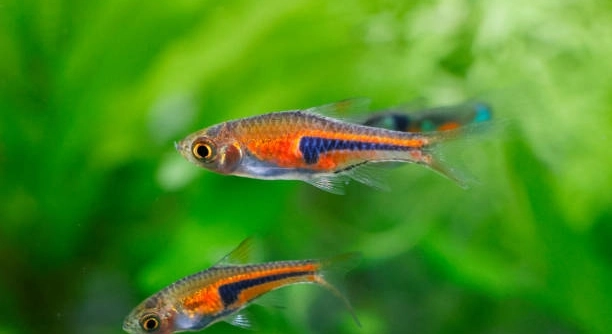
Are your rasboras showing signs of stress or unusual behavior in your community tank? Many aquarists face challenges when certain species do not coexist peacefully, affecting both the health of the fish and the overall harmony of the tank.
The main approach to fixing rasbora tank incompatibility involves adjusting tank mates, water parameters, and habitat structure. Ensuring species compatibility, appropriate schooling, proper temperature, and adequate hiding spaces can significantly reduce stress and aggressive interactions among fish.
By making these simple adjustments, you can improve your rasboras’ well-being and create a more balanced, peaceful aquarium environment for all its inhabitants.
Choosing Compatible Tank Mates
Selecting tank mates that coexist peacefully with rasboras is essential. Some species may be aggressive, outcompete them for food, or stress them with constant chasing. Small, calm schooling fish often do best. Avoid large, territorial, or fin-nipping fish, as they can provoke fights. Observing interactions when introducing new fish helps ensure harmony. Gradual acclimation allows rasboras to adjust without sudden stress. Keeping a group of at least six rasboras reduces anxiety and encourages natural schooling behavior. Their small size and peaceful nature make them sensitive to sudden changes, so carefully considering their companions prevents long-term health issues. Balanced feeding and monitoring water quality also support compatibility, ensuring both new and existing fish thrive. Proper selection of tank mates is a foundational step that improves the overall environment, making conflicts rare and promoting a calm, healthy aquarium. Taking time with these choices reduces frustration and creates a more enjoyable tank experience.
Choosing compatible tank mates protects your rasboras from stress and aggression, maintaining a peaceful aquarium.
Regular observation is crucial. Even calm fish may show signs of tension, and minor adjustments can prevent major issues. Feeding schedules, hiding spots, and tank layout all play a role in compatibility.
Adjusting Water Parameters
Maintaining consistent water conditions is critical for rasbora health. They prefer slightly acidic to neutral pH and stable temperatures around 74–80°F. Sudden fluctuations in pH or temperature can trigger stress, weaken immunity, and increase susceptibility to disease. Monitoring ammonia, nitrite, and nitrate levels keeps the water safe for all tank inhabitants. Regular partial water changes help maintain clarity and chemical balance. Soft, slightly acidic water encourages natural behavior, while stable temperature supports metabolism and swimming patterns. Using gentle filtration prevents strong currents that may tire the fish. Adjusting water parameters slowly ensures rasboras adapt without shock. Pairing these adjustments with proper tank mates enhances overall harmony, reducing incidents of aggression or hiding. Even minor improvements in water quality can have noticeable effects on activity, coloration, and appetite, making the tank more vibrant. Consistency, careful monitoring, and gradual adjustments are key to creating an ideal environment for rasboras and other species in the same tank.
Proper water conditions directly affect fish health, reducing stress and promoting peaceful coexistence.
Providing Adequate Hiding Spots
Rasboras need places to retreat. Plants, rocks, and driftwood reduce stress and prevent conflicts with other fish. Hiding spots encourage natural behavior and keep timid individuals from being bullied.
Dense plantings and carefully arranged decorations give rasboras multiple options for shelter. Floating plants can diffuse light and create shaded areas, helping them feel secure. Caves or small rock formations allow shy fish to escape aggressive interactions. Even open swimming areas benefit from nearby cover, giving the group a sense of safety. Changing the layout occasionally keeps the environment interesting without causing stress, as long as adjustments are gradual. By designing the tank with both open spaces and adequate hiding spots, rasboras can swim confidently while having quick access to shelter when needed.
Consistent hiding areas contribute to calmer fish, better coloration, and improved overall health. Observing their use of shelters helps identify stress points.
Regular maintenance of plants and decorations ensures that hiding spots remain functional and safe. Dead leaves or unstable rocks can become hazards. Trimming overgrown plants prevents overcrowding, which can limit swimming space and disrupt schooling behavior. Layering plants of different heights adds depth, and placing rocks strategically creates natural pathways. Hiding spots near feeding areas allow shy fish to eat without fear. Maintaining a balance between shelter and open areas ensures that all fish can coexist peacefully. Gradual rearrangements prevent sudden stress, while consistent access to safe spaces encourages natural swimming patterns and reduces aggression. A well-planned tank layout with secure hiding spots supports the health and social stability of the rasbora group.
Monitoring Schooling Behavior
Rasboras rely on schooling to feel secure, and small group sizes can increase stress and aggression. Keeping at least six individuals allows them to display natural behavior and reduces vulnerability.
Schooling behavior helps rasboras navigate the tank safely. When in larger groups, they exhibit synchronized swimming, which lowers stress levels and creates a sense of safety. Fish isolated from their group may hide excessively or become targets for more dominant species. Observing how they interact during feeding and general swimming reveals the stability of the school. Adding new individuals should be done gradually to prevent disruption of established patterns. Proper tank size supports effective schooling, allowing fish to maintain formation without overcrowding.
If schooling issues arise, adjusting group size or rearranging tank decorations can help restore balance. Careful observation ensures the school remains cohesive and the tank stays harmonious.
Managing Feeding Competition
Uneven feeding can cause stress among rasboras, especially if more aggressive fish dominate meals. Distributing food across multiple areas helps ensure all fish eat adequately.
Using small portions several times a day reduces competition and prevents overeating. Floating and sinking foods allow rasboras to feed at their own pace without interference.
Maintaining Clean Water
Regular water changes are essential to prevent toxic buildup. Even slight increases in ammonia or nitrites can stress rasboras and trigger aggressive behavior. Cleaning the substrate and filter supports a healthy environment and keeps water clarity optimal.
Controlling Tank Size
A crowded tank increases stress and aggression. Rasboras thrive in moderate to large tanks where they have enough swimming space and can maintain proper schooling behavior. Adequate space allows for natural movement and reduces territorial disputes.
Observing Behavior Daily
Daily observation helps identify early signs of stress or aggression. Quick intervention can prevent long-term health problems and maintain harmony in the tank.
FAQ
What are the signs that my rasboras are stressed due to tank incompatibility?
Stressed rasboras may hide excessively, stop swimming in schools, or show faded coloration. They may become lethargic or display erratic swimming. Aggressive chasing from other fish can trigger these behaviors, making it important to monitor daily interactions.
How many rasboras should I keep together?
Rasboras are schooling fish and need at least six individuals to feel secure. Smaller groups can cause anxiety and may lead to abnormal behavior or vulnerability to other species. A proper group allows natural swimming patterns and reduces aggression.
Can rasboras live with other small fish?
Yes, but careful selection is necessary. Small, peaceful species like certain tetras or danios usually coexist well. Avoid large, aggressive, or fin-nipping fish that can intimidate or harm rasboras. Observation is key when introducing new tank mates.
How do I introduce new fish to a rasbora tank?
Introduce new fish slowly using a quarantine or divider method if possible. Gradual acclimation to water parameters and visual contact before full integration reduces stress and helps maintain social stability.
What water parameters are ideal for rasboras?
Rasboras prefer slightly acidic to neutral pH (6.5–7.0) and temperatures between 74–80°F. Consistent water quality is crucial. Monitor ammonia, nitrite, and nitrate levels regularly, and perform partial water changes to maintain a stable environment.
Do hiding spots really make a difference?
Yes. Plants, rocks, and driftwood provide refuge, reducing stress and preventing conflicts. Shy or weaker fish can escape aggressive interactions, while open spaces paired with hiding spots allow comfortable swimming and natural schooling.
How do I prevent feeding competition?
Feed small portions in multiple areas to ensure all fish get enough food. Offering both floating and sinking foods allows rasboras to eat without being blocked by faster or more aggressive tank mates. Regular feeding schedules reduce stress.
What should I do if aggression persists?
Assess tank size, water quality, hiding spots, and group size. Remove aggressive individuals if necessary. Gradual changes to tank layout or group composition can help restore peace without shocking the fish.
How often should I check the tank?
Daily observation is recommended. Check water clarity, fish behavior, and feeding patterns. Early detection of stress or aggression allows quick intervention, preventing injuries or long-term health problems.
Can rasboras adapt to new tank mates over time?
They can, but adaptation depends on temperament, tank size, and group stability. Gradual introductions and proper hiding spaces increase the likelihood of successful coexistence without stress. Observation is essential during the first few weeks.
Is tank size important for compatibility?
Yes. Crowded tanks increase stress and aggression, while larger tanks provide swimming space and help maintain natural schooling. Adequate room also allows placement of hiding spots and reduces territorial disputes.
How do I know if my tank adjustments are working?
Monitor fish behavior and coloration. Calm, active swimming, healthy appetite, and visible schooling indicate positive results. Adjustments should be gradual, and continued observation ensures lasting compatibility.
Can water changes help reduce stress?
Yes. Regular partial water changes keep ammonia, nitrite, and nitrate levels low, maintaining a safe environment. Stable water conditions directly reduce stress and support overall health.
How long does it take for rasboras to feel comfortable after changes?
It varies depending on the type of change. Gradual adjustments to tank mates, water parameters, or layout usually take a few days to a couple of weeks. Consistency and patience help fish settle into a balanced environment.
Are live plants better than artificial plants for rasboras?
Live plants offer natural hiding spaces, improve water quality, and encourage natural behavior. Artificial plants provide shelter but do not contribute to water chemistry. A mix can work if live plants are not feasible, ensuring adequate cover.
Can rasboras get along with bettas or gouramis?
It depends on temperament. Some bettas and gouramis may be aggressive, especially males. Monitoring interactions is crucial. If aggression is observed, separating species or providing ample hiding spots may prevent injury.
How often should I rearrange decorations or plants?
Only occasionally and gradually. Frequent or sudden changes can stress rasboras. Minor rearrangements can add variety without disturbing established hiding spots and swimming routes.
What is the best way to observe schooling behavior?
Watch the tank during feeding and active swimming periods. A cohesive group indicates comfort and security. Disrupted schooling may signal stress, inadequate group size, or aggressive tank mates.
Do rasboras require specialized lighting?
Standard aquarium lighting is sufficient. Moderate light encourages natural activity and plant growth. Avoid intense lighting that stresses fish or forces them to seek shelter constantly.
How do I prevent long-term incompatibility problems?
Maintain stable water conditions, appropriate tank mates, adequate hiding spots, and proper group size. Daily observation and gradual adjustments ensure rasboras remain healthy, calm, and well-adapted to their environment.
Final Thoughts
Rasboras are small, peaceful fish that thrive in well-planned community tanks. Their natural behavior depends heavily on the environment and the company they keep. When issues arise, such as stress, aggression, or hiding, the root often lies in tank compatibility. Paying attention to tank mates, water parameters, and the overall setup makes a significant difference. Choosing peaceful species and keeping a proper group of rasboras reduces stress and encourages natural schooling behavior. Even small changes, like adding extra hiding spots or adjusting feeding routines, can improve harmony and help fish feel secure. Observing behavior daily allows aquarists to notice early signs of stress before it develops into a larger problem.
Water conditions play a critical role in maintaining compatibility and fish health. Consistent pH levels, temperature, and chemical balance support a stable environment. Fluctuations in ammonia, nitrite, or nitrate can trigger aggression and weaken immunity, making rasboras more vulnerable. Regular partial water changes, proper filtration, and monitoring the tank ensure long-term stability. Tank size also matters; overcrowding increases stress, disrupts schooling, and can lead to territorial disputes. Combining these adjustments with adequate hiding spots and a thoughtful tank layout helps fish feel safe while allowing open swimming areas for exercise and social interaction. Gradual changes are always better than sudden modifications, preventing unnecessary stress while maintaining the tank’s overall balance.
Feeding and social dynamics also influence compatibility. Distributing food in multiple areas and providing both floating and sinking options prevents dominant fish from blocking access. Maintaining a healthy school size helps rasboras feel secure and display natural behavior, while observing interactions ensures minor issues are corrected before they escalate. Over time, a well-maintained, thoughtfully arranged tank encourages calm, active, and vibrant fish. Paying attention to these details, even in a small tank, supports long-term health and reduces the chances of conflict. By understanding and addressing the factors that affect rasbora tank compatibility, aquarists can create an environment where these fish flourish, showcasing their natural behavior and beauty without ongoing stress or aggression.

Hello,
If you enjoy the content that we create, please consider saying a "Thank You!" by leaving a tip.
Every little bit helps us continue crafting quality advice that supports the health, happiness, and well-being of pets around the world, for pets of all shapes, sizes, and species.
We really appreciate the kindness and support that you show us!