
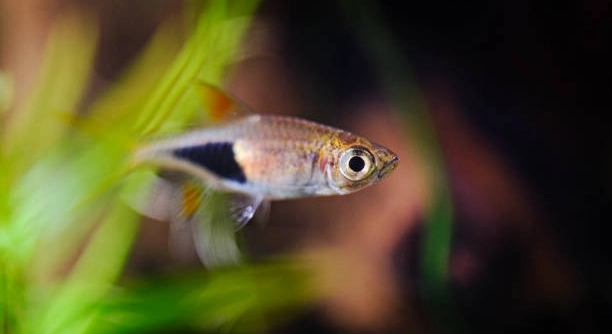
Are your aquariums filled with active rasboras, yet you notice they avoid brightly lit areas? Many fish owners encounter this behavior, leaving them wondering why their small, colorful companions shy away from lighted spaces.
Rasboras tend to avoid lighted areas primarily due to stress and natural instincts. Bright lighting can trigger a sense of exposure, making them feel vulnerable to predators and encouraging them to seek shaded or hidden spots within their environment.
Understanding this behavior helps maintain a comfortable habitat for your fish. Adjusting light intensity and providing shaded areas can improve their overall well-being.
How Light Affects Rasbora Behavior
Rasboras are naturally timid fish, and their behavior is strongly influenced by light levels. In brightly lit areas, they may feel exposed, which triggers stress responses. When stressed, these fish often hide among plants, decorations, or shaded areas, avoiding open water entirely. Continuous exposure to intense light can lead to fatigue, reduced activity, and a weakened immune system. Light affects their perception of safety and their daily patterns, including feeding and swimming routines. Many hobbyists notice that adjusting the aquarium lighting gradually helps rasboras adapt without triggering fear. Offering varied light conditions throughout the day can simulate natural patterns, encouraging natural swimming and social behaviors. Dense plant coverage or floating plants can provide additional shaded areas, giving rasboras secure spaces. Observing how your fish respond to different light levels allows for fine-tuning the environment to match their comfort. Proper lighting management supports their health and reduces stress-related behaviors.
Gradually dimming bright lights and providing shaded areas can encourage rasboras to explore more freely while reducing stress and hiding.
Careful placement of lights, plants, and decorations is essential. Using dimmers or adjustable LED lighting helps simulate dawn and dusk conditions. Shaded zones allow fish to rest and maintain social interactions without feeling threatened. Observing their activity during these periods ensures they remain healthy and comfortable.
Signs of Stress from Bright Lighting
Rasboras often show stress through sudden hiding, erratic swimming, or loss of color when exposed to bright lights.
Stress can affect feeding habits and long-term health. Fish may avoid open areas entirely, reducing exercise and interaction. Over time, persistent stress can suppress growth, lower immunity, and make them more susceptible to disease. In severe cases, constant avoidance of lighted zones may indicate chronic stress. Identifying these signs early is crucial. Fishkeepers can mitigate stress by adjusting light intensity, introducing plants or floating covers, and providing areas with natural shadows. Regular monitoring of behavior, combined with gradual light adjustments, ensures that the aquarium environment supports natural routines. Creating a balanced lighting schedule, mimicking natural day and night cycles, helps maintain normal activity. Even small changes, like relocating decorations or adding taller plants, can make a significant difference. Keeping water quality optimal and maintaining stable temperatures further reduces stress factors. By combining these approaches, rasboras can regain confidence in exploring their aquarium without constant fear or hiding.
Adjusting Aquarium Lighting
Lowering light intensity can immediately make rasboras more comfortable. Using dimmable LEDs or placing lights farther from the water surface helps reduce brightness.
Gradual adjustments to lighting are key. Sudden changes can startle fish, causing them to hide more often. Introduce shaded areas with floating plants or taller decorations, which allow rasboras to explore safely without feeling exposed. Observe their behavior during these adjustments, noting whether they swim more freely or remain in hiding. A consistent light schedule, mimicking natural day and night cycles, helps maintain normal activity patterns. Balancing light intensity with shaded areas ensures fish remain active and healthy.
Adjusting the duration of light exposure is also important. Rasboras thrive under a regular schedule, typically 8 to 10 hours of light daily. Using timers ensures consistency and prevents overexposure. Dense plants or driftwood can create natural shadows, giving fish safe zones to rest. Monitoring water temperature and quality alongside light adjustments supports overall well-being. Small, gradual changes help rasboras feel secure, encouraging natural swimming and feeding behaviors while reducing stress-related reactions.
Choosing the Right Plants
Tall or bushy plants provide natural cover and reduce perceived threats for rasboras.
Plants that float or grow densely give fish shaded areas to rest and hide. This reduces stress and allows them to feel secure in open water areas. Varieties like Java fern, hornwort, or floating water lettuce are ideal. Placement near light sources softens intensity while maintaining aesthetic balance. Rotating plants periodically can simulate natural environments, keeping fish active and curious. Ensuring plants are healthy and free from algae also maintains water quality. The combination of lighting adjustments and plant coverage creates a habitat where rasboras can exhibit natural behavior consistently.
Using Dimmer Lights
Dimming aquarium lights helps rasboras feel secure. Lower intensity reduces stress and encourages natural swimming patterns.
Placing lights farther from the water surface or using adjustable LEDs allows gradual adaptation. Combining dim lighting with shaded areas ensures fish remain active without hiding excessively.
Creating Shaded Zones
Shaded areas in the aquarium give rasboras safe spaces to rest. Plants, rocks, and driftwood are effective tools for creating these zones.
Properly arranged shaded areas reduce fear of open spaces, encouraging fish to explore at their own pace. Dense planting near light sources softens brightness, helping rasboras maintain a healthy balance between activity and rest.
Monitoring Fish Behavior
Regular observation is key to understanding how lighting affects rasboras. Look for changes in swimming, hiding, or feeding patterns.
Why do rasboras hide under plants during the day?
Rasboras naturally feel vulnerable in open spaces. Bright light can make them feel exposed, so they seek cover under plants. Dense foliage provides a sense of security and simulates conditions found in their natural habitats. Hiding also reduces stress, allowing them to rest and conserve energy.
Can bright aquarium lights harm rasboras?
Excessive brightness can cause stress, fatigue, and reduced activity. Prolonged exposure may affect feeding habits and weaken immunity, making fish more prone to illness. Gradual light adjustments and shaded zones prevent these negative effects while maintaining visibility in the tank.
How can I make my aquarium comfortable for rasboras?
Use dimmable or adjustable lights to control brightness. Add tall or floating plants and driftwood to create shaded areas. Maintaining a consistent day-night light cycle helps rasboras feel secure and encourages natural behavior. Observing their reactions during these changes ensures their environment suits them.
Is it normal for rasboras to avoid open spaces?
Yes, this is natural behavior. In the wild, open spaces increase exposure to predators. Hiding and swimming near plants or decorations helps them feel safe. Creating similar conditions in an aquarium allows rasboras to exhibit normal activity patterns without excessive stress.
Do rasboras prefer certain types of plants?
They favor dense or tall plants that offer coverage and shade. Java fern, hornwort, and floating plants are excellent choices. Healthy plants also improve water quality, making the aquarium environment safer and more comfortable for the fish. Variety helps simulate a natural habitat and encourages exploration.
How long should the aquarium lights be on for rasboras?
A regular schedule of 8 to 10 hours of light per day works well. Using timers ensures consistency, preventing overexposure or sudden changes that could stress the fish. Balancing light duration with shaded areas allows rasboras to maintain normal swimming and feeding behavior.
Can adding decorations help reduce light stress?
Yes, rocks, driftwood, and ornaments provide shelter and break up bright areas. Strategically placing them creates safe zones and shaded pockets, making rasboras feel less exposed. Combining decorations with plants supports natural hiding and resting behavior while keeping the tank visually appealing.
Will rasboras stop hiding if the lighting is right?
Proper lighting and shaded areas encourage rasboras to explore more freely. While some hiding is normal, balanced conditions reduce constant avoidance of open areas. Observing their behavior over time confirms whether adjustments are effective, ensuring a healthier and more active aquarium environment.
How can I tell if my rasboras are stressed from light?
Signs include hiding excessively, erratic swimming, loss of color, or reduced appetite. Stress affects overall health and immune function. Adjusting light intensity, adding shaded areas, and maintaining water quality can alleviate these symptoms and restore natural behavior.
Are floating plants better than rooted plants for shade?
Floating plants offer more flexible coverage and diffuse light effectively. Rooted plants provide shelter at the bottom, allowing rasboras to choose preferred zones. Combining both types creates layered protection, mimicking natural conditions and supporting healthy activity and social interaction.
How often should I observe their behavior after light adjustments?
Daily observation during the first week of changes is recommended. Note swimming patterns, hiding frequency, and feeding habits. Gradual adjustments combined with consistent monitoring help determine whether the new lighting setup is effective and ensures the fish remain comfortable.
Do rasboras need total darkness at night?
Yes, darkness simulates natural night conditions and promotes rest. Sudden or prolonged light exposure during nighttime can disrupt sleep, increase stress, and affect feeding schedules. Maintaining a clear light-dark cycle supports healthy circadian rhythms and overall well-being.
Can stress from light affect breeding?
High stress levels reduce breeding activity and can delay spawning. Providing shaded areas, balanced lighting, and a secure environment improves comfort, encouraging natural mating behavior and increasing the likelihood of successful reproduction in the aquarium.
Is it necessary to move the light source farther from the tank?
Increasing distance between the light and water surface reduces intensity, which benefits rasboras sensitive to bright conditions. Combining distance with dimmers and shaded zones ensures gradual adaptation without shocking the fish or disrupting normal behavior.
How long does it take for rasboras to adjust to new lighting?
Adjustment varies, but most fish adapt within several days to a week if changes are gradual. Observing behavior ensures they are comfortable. Persistent hiding or stress signs may indicate the need for further modifications, including additional shading or light reduction.
Do rasboras respond differently to LED and fluorescent lights?
Yes, LEDs can be more intense and directional, while fluorescent lights distribute light more evenly. Dimmable LEDs offer better control, allowing gradual adaptation. Choosing the appropriate type and adjusting intensity ensures rasboras remain active and stress-free in their environment.
Can stress from bright light affect color?
Yes, prolonged stress can dull coloration. Providing shaded areas, reducing brightness, and maintaining a secure environment helps restore vibrant colors. Healthy lighting and minimal stress contribute to a visually appealing and active aquarium.
What role does water quality play alongside lighting?
Good water quality reduces overall stress, making fish more resilient to bright light. Clean water, proper temperature, and stable parameters support immune function and healthy behavior, allowing rasboras to explore their environment confidently without excessive hiding.
Are all rasbora species sensitive to bright light?
Most species prefer shaded areas and moderate light. Sensitivity levels vary, so observing behavior is essential. Providing a balanced environment with plants, decorations, and adjustable lighting accommodates different species’ needs while maintaining activity and comfort.
How do I know if the lighting adjustments are effective?
Effective adjustments are evident when rasboras swim more freely, feed normally, and show reduced hiding. Consistent observation of activity, color, and social behavior confirms that the environment supports their natural instincts and overall health.
Creating a comfortable environment for rasboras requires attention to lighting and shelter. These fish are naturally timid, and bright lights can make them feel exposed. Observing their behavior is the first step to understanding their needs. When rasboras avoid lighted areas, it is often a sign that they feel unsafe or stressed. Adjusting the intensity and duration of aquarium lighting helps them feel more secure. Using dimmable lights or placing lights farther from the water surface can reduce brightness. Combining this with shaded areas created by plants, rocks, or driftwood gives the fish places to rest without feeling threatened. Providing natural-looking cover allows them to maintain normal activity levels and interact socially with other fish. Gradual changes are always better than sudden adjustments, as abrupt modifications can cause more stress and hideaway behavior.
Plants play a key role in improving comfort for rasboras. Dense, tall, or floating plants provide areas where fish can hide or rest under softer light. Plants also help diffuse bright light, creating gentle shadows in the aquarium. This layering of light and shade mimics natural conditions, encouraging fish to explore open areas more confidently. Combining floating plants with rooted or bushy plants gives multiple levels of shelter, letting each fish choose a space that suits its comfort level. Maintaining healthy plants ensures water quality remains high, which is essential for the overall well-being of rasboras. Alongside lighting adjustments, decorations and rocks can create additional shaded zones, offering security and reducing the need for constant hiding. This careful setup supports both their physical health and natural behaviors, making them more active and vibrant. Observing how rasboras interact with these shaded zones can help determine whether additional adjustments are needed.
Consistent monitoring of behavior and environmental conditions is important for long-term success. Rasboras will gradually adjust to appropriate light levels if changes are implemented carefully. Tracking swimming patterns, feeding habits, and social interactions allows for early detection of stress or discomfort. Using timers for lighting ensures a stable day-night cycle, which supports normal circadian rhythms. Over time, fish that initially avoided bright areas will explore more freely and maintain healthy activity. Addressing lighting, shelter, and water quality together creates an environment where rasboras feel secure, reducing stress-related behavior and supporting overall health. By paying attention to these factors, you can create a balanced aquarium where rasboras thrive, showing natural colors, active swimming, and healthy social interactions with minimal stress.

Hello,
If you enjoy the content that we create, please consider saying a "Thank You!" by leaving a tip.
Every little bit helps us continue crafting quality advice that supports the health, happiness, and well-being of pets around the world, for pets of all shapes, sizes, and species.
We really appreciate the kindness and support that you show us!