
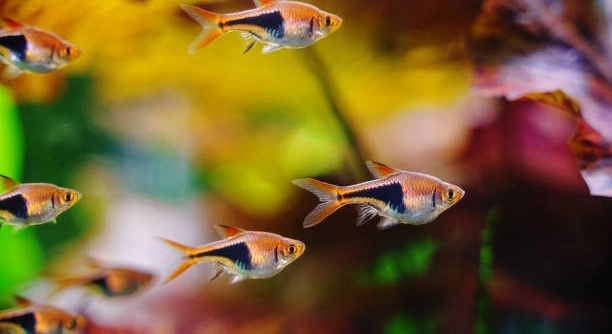
Rasboras are small, peaceful fish that thrive in groups. Observing their behavior can tell you a lot about their health and environment. A lively school is a sign of proper care and a balanced aquarium.
A thriving rasbora school exhibits active swimming patterns, bright coloration, consistent feeding behavior, and social cohesion. Proper water parameters, regular maintenance, and a stress-free environment are essential for maintaining their health and overall well-being.
Recognizing these signs can help you maintain a happy, healthy aquarium. Understanding their needs ensures your rasboras live harmoniously in their environment.
Active and Synchronized Swimming
Rasboras that are thriving move together in fluid, coordinated patterns. You will notice the group gliding across the tank, changing direction almost simultaneously. Each fish stays aware of its companions, avoiding collisions and maintaining distance while still appearing cohesive. This swimming behavior shows that the fish feel safe, comfortable, and unstressed in their environment. A healthy school will explore the entire tank, occasionally resting near plants or decorations but never staying isolated for long. Observing these movements regularly helps you gauge water quality and social dynamics. Stagnant water or a crowded tank can disrupt these patterns, causing the fish to hide or scatter. The more natural and confident their movements, the better their overall health. Watching them move as a group provides insight into their energy levels, social interactions, and comfort. This behavior is a clear indicator that your aquarium setup is suitable for their needs, from temperature to hiding spots.
Consistent, coordinated swimming demonstrates that rasboras feel secure and maintain healthy social interactions. Active movement indicates proper tank conditions and minimal stress.
By paying attention to their swimming patterns, you can catch early signs of distress. Adjusting tank conditions promptly ensures they continue thriving.
Bright and Vibrant Colors
Healthy rasboras display clear, vivid colors that stand out against their surroundings. Faded or dull coloring often signals stress or illness.
Color intensity is influenced by diet, lighting, and water quality. Feeding high-quality foods rich in natural pigments supports vibrant coloration. Regular water changes and stable parameters prevent stress that can cause dulling. Sunlight or aquarium lights on a consistent schedule also help maintain their hues. Observing their color daily provides immediate feedback on their health, allowing you to detect problems early. Changes in brightness or patterns can indicate issues such as poor nutrition, disease, or unsuitable water conditions. By prioritizing their environment and diet, you support natural coloration. Stress-free habitats, paired with the right food and care, allow rasboras to maintain their characteristic beauty. Over time, these visual cues become a reliable measure of well-being. A thriving school will display uniform brightness, with fish appearing alert, energetic, and confident in their tank.
Healthy Appetite
Rasboras that eagerly eat at feeding time are showing good health. They approach food confidently, grabbing it quickly and competing naturally within the school.
A consistent appetite is a strong indicator of overall well-being. Healthy rasboras respond promptly to feeding, taking flakes, pellets, or live foods without hesitation. Uneaten food is usually minimal, and fish rarely leave the feeding area. Appetite reflects not only health but also proper water conditions. Stress, illness, or poor water quality often reduces interest in food. Tracking feeding habits daily helps identify changes early. When all members of the school eat regularly, it shows that tank conditions, social dynamics, and nutrition are balanced, supporting their growth and energy.
Maintaining a diet that meets nutritional needs ensures rasboras stay active and colorful. Regular feeding schedules, high-quality food, and variety help prevent deficiencies. Observing food intake confirms health, social balance, and energy levels. Consistent interest in food is a clear sign your school is thriving.
Social Interaction
Rasboras that interact frequently with each other, forming small groups, show strong social cohesion. Schooling behavior remains consistent and natural.
Healthy social behavior involves swimming in coordinated groups, resting together, and avoiding aggression. Members maintain personal space while staying connected to the school. Isolation or hiding can indicate stress or illness, disrupting social balance. A thriving school displays communication through subtle movements, fin flicks, and synchronized turns, reinforcing group structure. Maintaining multiple hiding spots and open swimming areas supports natural interactions. Watching their social patterns helps you detect changes in behavior or dominance issues. Consistent interaction also promotes mental stimulation, preventing boredom and lethargy. A tank designed to allow social freedom encourages thriving behavior and harmony within the group.
Active Exploration
Thriving rasboras explore all areas of the tank, swimming through plants, decorations, and open spaces. They show curiosity while maintaining group cohesion.
They rarely stay in one corner for long and move confidently. This behavior indicates comfort, low stress, and satisfaction with their environment.
Smooth Breathing
Rasboras that breathe evenly and calmly are in good health. Rapid gill movement or gasping at the surface can indicate water issues or illness. Observing regular, smooth breathing shows that oxygen levels, temperature, and water quality are suitable for the school, ensuring long-term well-being.
Consistent School Size
A stable number of fish in the tank reflects a thriving group. No unexpected losses or hiding patterns are present, indicating health and safety.
Interaction with Environment
Rasboras that respond naturally to plants, rocks, and other tank features show engagement and comfort. They explore without signs of fear, using the environment for resting and play. This interaction highlights a balanced, stress-free habitat that supports their daily needs and overall health.
How many rasboras should I keep in a school?
A healthy rasbora school should have at least six fish, though larger groups are better. Smaller numbers can lead to stress and erratic behavior because rasboras rely on social interactions for safety and confidence. Groups of ten or more allow natural schooling behavior, coordinated swimming, and reduced aggression. Maintaining an appropriate number helps them feel secure and supports mental stimulation. Observing them in a smaller group often shows nervousness or frequent hiding. Ensuring there is enough space and environmental enrichment also supports larger schools, giving each fish room to swim freely while still staying connected to the group.
What is the best diet for rasboras?
Rasboras thrive on a varied diet. High-quality flake or pellet food should be the main staple, supplemented with frozen or live foods like brine shrimp, daphnia, and bloodworms. Including plant-based foods occasionally ensures balanced nutrition. Feeding small portions twice a day prevents overfeeding, reduces water pollution, and encourages healthy growth. Variety in diet supports coloration, activity, and immunity. Observing how eagerly the school eats helps you determine if the food meets their needs. Poor diet often leads to faded colors, low energy, or uneven growth. Consistency in feeding routines keeps them healthy and engaged.
How often should I change the water?
Regular water changes are essential for a thriving school. Changing 25–30% of the tank water weekly helps remove toxins, excess nutrients, and waste that can harm rasboras. Clean water ensures proper oxygen levels and stable pH, which reduces stress and encourages natural behaviors. Using a water conditioner removes harmful chemicals like chlorine or chloramine. Frequent water monitoring for parameters like ammonia, nitrite, and nitrate keeps the environment safe. Observing the fish after water changes ensures they adapt well. Proper maintenance prevents disease and promotes vibrant coloration, active swimming, and a healthy appetite in the school.
What tank conditions are ideal for rasboras?
Rasboras prefer a tank with stable temperature, moderate pH, and soft to slightly hard water. A temperature range of 72–79°F supports their metabolism and swimming activity. Plants, rocks, and hiding spots provide security and stimulate natural behavior. Moderate lighting prevents stress while highlighting colors. Avoid overcrowding to reduce aggression and competition. A gentle filter maintains clean water without creating strong currents that stress the school. Monitoring water parameters regularly ensures stability. Proper tank conditions allow rasboras to maintain synchronized swimming, vibrant coloration, and social cohesion, all signs of a thriving school.
How can I tell if my rasboras are stressed?
Stressed rasboras may isolate themselves, lose color, or show erratic swimming. Reduced appetite, clamped fins, and frequent hiding are additional signs. Stress often comes from poor water quality, overcrowding, or sudden environmental changes. Observing the school daily helps catch early signs. Correcting the water parameters, providing adequate space, and maintaining a calm environment reduces stress. Healthy schools swim actively, explore the tank confidently, and interact naturally. Addressing stress promptly ensures long-term health, prevents illness, and supports the overall balance and harmony within the group.
Can rasboras breed in a home aquarium?
Yes, rasboras can breed if conditions are suitable. They prefer soft, slightly acidic water and plenty of plants or spawning mops. Separate a pair or a small group in a breeding tank for better success. Feed high-quality live foods to condition them. Eggs are usually scattered among plants and should be protected from adults, as they may eat them. Proper temperature, stable water conditions, and minimal disturbance increase spawning success. Observing courtship behavior, such as chasing and color brightening, indicates readiness. Breeding contributes to a lively, active tank but requires careful attention to care for both adults and fry.
What common health issues affect rasboras?
Rasboras are generally hardy but can be affected by fin rot, ich, and bacterial infections. Poor water quality, stress, or overcrowding often causes these issues. Early signs include clamped fins, white spots, or lethargy. Quarantining new fish, maintaining clean water, and providing a nutritious diet prevent disease. Treatment may include medicated foods or water additives. Observing behavior, color, and appetite regularly helps detect problems before they escalate. Healthy rasboras show smooth swimming, active schooling, bright colors, and consistent eating patterns, indicating the tank environment supports their long-term health.
How can I encourage natural schooling behavior?
To encourage schooling, keep at least six rasboras in the same tank and provide open swimming areas with plants for shelter. Avoid sudden changes in tank conditions that cause stress. Gentle water flow and moderate lighting support natural coordination. Observing the group daily helps identify signs of social balance. When conditions are stable, the school swims cohesively, interacts naturally, and shows synchronized movements. Encouraging this behavior improves confidence, reduces stress, and enhances overall vitality. Consistent feeding, clean water, and a calm environment allow the school to maintain its natural social structure and thrive over time.
Are decorations important for a rasbora tank?
Yes, plants, rocks, and hiding spots are crucial. Decorations provide shelter, reduce stress, and encourage exploration. Live plants improve water quality and offer natural resting spots, while smooth rocks or driftwood create boundaries and visual interest. Avoid sharp edges that can harm fins. Proper decoration supports healthy schooling, interaction, and comfort, making the tank a stable and stimulating environment. Observing how the school navigates the space shows whether the setup meets their needs. A well-decorated tank enhances activity, encourages natural behavior, and contributes to a thriving, visually vibrant rasbora school.
How important is tank size for a school?
Tank size directly affects comfort, swimming behavior, and social interactions. A minimum of 20 gallons is recommended for a small school, with larger tanks supporting more fish and natural movement. Adequate space prevents aggression, reduces stress, and promotes active exploration. Insufficient space can lead to hiding, erratic swimming, and decreased health. Combining proper tank size with decorations and open areas ensures the school maintains coordinated movements, healthy appetites, and vibrant coloration. Observing their swimming patterns and social behavior indicates whether the tank size supports a thriving group. Regular evaluation helps maintain long-term well-being.
Maintaining a thriving rasbora school requires attention to both their environment and daily care. These fish rely on social interaction and proper living conditions to stay healthy. Observing their behavior, such as coordinated swimming, active exploration, and consistent feeding, provides clear signs of their well-being. Bright coloration and smooth breathing also indicate that the tank environment meets their needs. Ensuring stable water parameters, appropriate temperature, and a balanced diet supports these natural behaviors and reduces stress. Over time, paying close attention to these factors allows you to recognize patterns that reflect health, comfort, and happiness within the school. By addressing even small changes in behavior or appearance early, potential problems can be corrected before they become serious.
Providing enough space and maintaining a clean tank are essential components of long-term care. Rasboras feel most secure in groups of six or more, where natural schooling behavior emerges. Overcrowding can lead to stress, aggression, and illness, while a tank that is too small restricts movement and prevents them from expressing normal behaviors. Decorations like plants, rocks, and hiding spots add structure and comfort, allowing the fish to explore while feeling protected. Regular water changes remove waste and toxins, keeping the tank healthy. Coupled with high-quality, varied food, these factors create an environment that supports energy, coloration, and proper growth. Understanding their needs and consistently maintaining a stable, safe habitat ensures the school continues to thrive.
Watching a thriving rasbora school can be rewarding and informative. Their coordinated movements, natural curiosity, and active social interactions provide insight into their health and comfort. Even small daily observations, like how they respond to feeding or move through the tank, can indicate overall well-being. Maintaining proper care not only benefits the fish but also creates a more enjoyable and visually pleasing aquarium. Healthy rasboras show resilience, adaptability, and liveliness when their environment meets their needs. Focusing on water quality, diet, tank size, and social dynamics ensures that your school remains vibrant and harmonious. Consistent care and attention to detail help you support a balanced and thriving aquarium, where your rasboras can display natural behaviors and flourish over time.

Hello,
If you enjoy the content that we create, please consider saying a "Thank You!" by leaving a tip.
Every little bit helps us continue crafting quality advice that supports the health, happiness, and well-being of pets around the world, for pets of all shapes, sizes, and species.
We really appreciate the kindness and support that you show us!