
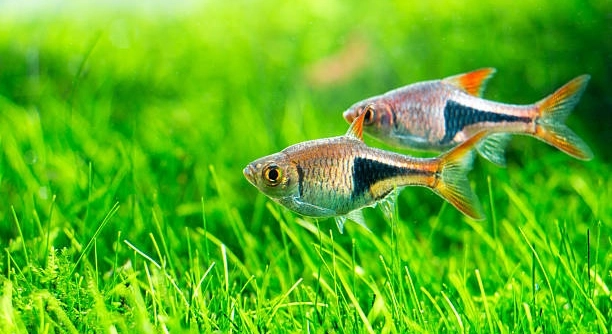
Keeping rasboras and shrimp together can create a lively and colorful aquarium. These peaceful creatures generally coexist well, but certain conditions must be met to maintain harmony and ensure both species thrive in a shared environment.
To successfully keep rasboras with shrimp, it is important to maintain stable water parameters, provide adequate hiding spaces, avoid aggressive tank mates, and feed appropriately. Careful attention to temperature, pH, and diet ensures both species remain healthy and stress-free.
Proper planning and care will help your aquarium flourish, creating a balanced environment where both rasboras and shrimp can thrive together peacefully.
Choosing Compatible Rasboras and Shrimp
Selecting the right species is essential for a peaceful tank. Harlequin rasboras, chili rasboras, and other small, calm species are ideal companions for shrimp. Avoid larger or more aggressive fish that may stress or prey on your shrimp. Observing behavior before introducing them together can prevent future issues. Shrimp species like cherry shrimp or Amano shrimp are hardy and adaptable, making them excellent choices for community tanks. Compatibility also depends on the tank size and available hiding spots. Smaller tanks may increase stress, so monitor interactions closely. Providing a balanced diet and proper water conditions keeps both fish and shrimp healthy. Even with careful selection, occasional disputes may occur, so be prepared to separate individuals if needed. Tracking water parameters regularly ensures that both species thrive. Over time, you will notice how they adapt and coexist, creating a vibrant and active aquarium without constant intervention.
Smaller, peaceful rasboras generally pose no threat to adult shrimp, allowing them to swim and feed without stress.
Careful pairing of compatible species ensures a stable and harmonious tank environment. Paying attention to size, temperament, and habitat preferences reduces conflict, allowing both rasboras and shrimp to thrive. Monitoring their behavior consistently helps maintain a balanced community, preventing unforeseen stress or predation.
Providing Adequate Hiding Spaces
Hiding spaces are crucial for shrimp, especially during molting. Plants, driftwood, and rocks create natural shelters where shrimp can feel safe. Dense foliage also helps rasboras feel secure, reducing overall stress. Mosses, Java ferns, and floating plants offer cover while maintaining water flow and oxygenation. Shrimp often hide when preparing to molt, which is a vulnerable period. Without proper shelter, they may be targeted by curious fish or stressed by constant activity. Creating multiple hiding spots ensures that shrimp have escape routes and areas to retreat without interfering with fish swimming space. Even in smaller tanks, a few well-placed decorations can provide sufficient cover. Over time, shrimp will become more confident, gradually exploring open areas. Observing their behavior will guide adjustments to the layout, ensuring everyone has access to shelter and feeding zones. A well-structured environment balances open swimming areas for rasboras and secure retreats for shrimp.
Dense planting and strategic decorations give shrimp safe spaces, allowing them to molt and feed without risk from curious tank mates.
Providing multiple shelters prevents stress and encourages natural behavior. Plants, driftwood, and rocks should be arranged to create accessible hiding spots without overcrowding the tank. This setup allows shrimp to molt safely while rasboras swim freely, reducing tension and promoting a stable community. Properly spaced shelters also enhance tank aesthetics and support overall well-being for both species, ensuring long-term harmony.
Maintaining Stable Water Parameters
Stable water conditions are essential for both rasboras and shrimp. Keep temperature, pH, and hardness within suitable ranges for each species to prevent stress and health issues. Frequent testing ensures parameters remain consistent.
Regular water testing allows you to detect changes before they affect tank inhabitants. Rasboras prefer slightly acidic to neutral water, while most shrimp thrive in similar conditions. Sudden fluctuations in temperature or pH can cause shrimp to molt prematurely or weaken their immune system. Using a reliable heater, filter, and partial water changes helps maintain stability. Observing the fish and shrimp daily for signs of stress, such as hiding, lethargy, or unusual behavior, can indicate water parameter issues. Consistency reduces disease risks and promotes active, healthy behavior. A well-maintained tank also encourages shrimp breeding and keeps rasboras vibrant.
Keeping parameters stable is not only about health but also about creating a calm environment. Predictable water conditions reduce stress, support feeding, and ensure both species flourish without constant intervention. Monitoring temperature, pH, and hardness prevents unnecessary problems and maintains harmony in the tank.
Feeding Both Species
Rasboras and shrimp have different feeding habits, so plan accordingly. Feed small portions to prevent leftover food, which can deteriorate water quality.
Shrimp primarily graze on biofilm, algae, and specially formulated foods, while rasboras need protein-rich flakes or micro pellets. Overfeeding can lead to water pollution and stress for both species. Feeding multiple times a day in tiny amounts ensures that each animal receives adequate nutrition without competition. Observe feeding behavior to adjust portion sizes. Adding plant matter or blanched vegetables benefits shrimp health, while occasional live or frozen foods keep rasboras active and vibrant. Consistency in feeding times creates a routine, helping both species feel secure. Proper nutrition supports growth, molting, and immunity, reducing the likelihood of disease and aggression.
Balanced feeding maintains harmony in the tank and encourages natural behavior. Providing appropriate diets for both rasboras and shrimp ensures health, reduces waste, and fosters coexistence. Watching interactions during feeding helps fine-tune portions, preventing stress and promoting long-term stability.
Avoiding Aggressive Tank Mates
Keep only peaceful species with rasboras and shrimp. Aggressive fish can stress or harm shrimp, especially during molting.
Even small, seemingly calm fish can harass shrimp if overcrowded. Avoid larger, territorial, or nippy species to maintain a peaceful aquarium environment for all inhabitants.
Monitoring Health Regularly
Check shrimp and rasboras for signs of stress, disease, or injury. Early detection prevents serious problems and promotes longevity. Observe behavior, coloration, and activity levels daily to catch any issues promptly. Healthy shrimp molt regularly, and rasboras swim actively in schools.
Maintaining Clean Water
Regular water changes prevent buildup of toxins and waste. Cleaning the substrate and filter ensures a stable, healthy environment for both species.
FAQ
How many rasboras can I keep with shrimp?
The number of rasboras depends on tank size and available hiding spaces. Small tanks with limited cover should house fewer fish to reduce stress on shrimp. In larger tanks with dense plants and decorations, you can keep small schools of 6 to 10 rasboras safely, ensuring shrimp have room to retreat when needed. Avoid overcrowding to maintain water quality and prevent aggression.
Can shrimp survive with adult rasboras?
Yes, most small rasboras such as harlequins or chili rasboras do not see adult shrimp as food. Shrimp will still need hiding spots, especially during molting. Molting shrimp are vulnerable, so dense plants, moss, or rock structures are important for safety. Providing both open swimming areas and secure retreats helps maintain a stress-free environment for both species.
What is the best water temperature for this combination?
Rasboras and most freshwater shrimp prefer slightly warm, stable water. A temperature range of 72–78°F (22–26°C) works well for both. Avoid sudden fluctuations, as rapid changes can stress shrimp, delay molting, and reduce immunity in both fish and shrimp. Using a reliable heater with a thermometer helps maintain consistency.
What should I feed them together?
Rasboras eat flake food, micro pellets, or frozen/live protein options, while shrimp feed on biofilm, algae, and specialized shrimp food. Feeding small portions several times a day ensures everyone gets enough nutrition. Adding blanched vegetables such as zucchini or spinach benefits shrimp without overfeeding the tank. Observing eating patterns helps adjust portions and reduce leftover food that may harm water quality.
Do rasboras bother baby shrimp?
Very small rasboras generally ignore baby shrimp, but some curious individuals may nip at tiny shrimp. Dense plants, moss, and small hiding areas increase survival rates. Baby shrimp often cling to plant surfaces or substrate, staying out of the way while they grow. Monitoring interactions ensures that baby shrimp have access to food and shelter without being stressed by fish activity.
How often should I perform water changes?
Weekly or biweekly water changes of 20–30% help maintain stable water parameters. Removing debris and cleaning the substrate prevents toxins from building up. Frequent water testing ensures ammonia, nitrite, and nitrate levels remain safe. Using dechlorinated water at similar temperature prevents shocking sensitive shrimp and keeps rasboras active and healthy.
Can shrimp breed in a tank with rasboras?
Yes, they can breed successfully if conditions are favorable. Provide plenty of plants or moss for baby shrimp to hide. Maintaining stable water parameters, feeding nutritious foods, and avoiding aggressive fish increases survival rates of juveniles. Rasboras usually ignore baby shrimp when sufficient hiding spots are available, allowing the population to grow naturally.
How do I know if shrimp are stressed?
Signs of stress include hiding constantly, not eating, or failing to molt properly. Shy behavior, faded coloration, and lethargy also indicate problems. Stress often results from poor water quality, aggressive tank mates, or insufficient hiding spots. Adjusting conditions, improving cover, and monitoring water parameters usually resolves these issues quickly.
Is it necessary to separate shrimp during molting?
Not always, if sufficient hiding spots exist. Shrimp will often retreat into moss, plants, or small caves naturally. However, in sparsely decorated tanks or with curious fish, temporary separation can prevent predation and stress. Observing shrimp behavior helps determine if extra protection is needed during vulnerable periods.
What are common problems when keeping them together?
Common issues include poor water quality, aggression from other tank mates, and insufficient hiding spaces for shrimp. Overfeeding can also lead to algae growth and polluted water. Maintaining stable parameters, providing shelters, and monitoring interactions reduces most problems and encourages a peaceful coexistence of rasboras and shrimp.
Keeping rasboras and shrimp together can be very rewarding, but it requires attention to detail and consistent care. Both species thrive in stable environments, so monitoring water quality, temperature, and pH is essential. Sudden changes can stress the animals, affect molting in shrimp, or cause disease in fish. Providing dense planting and hiding spots is equally important. Shrimp need places to retreat, especially during molting, while rasboras benefit from cover to feel secure. A well-planned tank layout reduces stress and creates a peaceful coexistence, allowing both species to show natural behavior. Observing the aquarium regularly helps identify problems early, whether it is leftover food, water quality issues, or unusual behavior from either species. Simple maintenance routines, such as regular water changes and gentle cleaning, ensure the environment remains healthy and stable for everyone in the tank.
Feeding routines also play a critical role in keeping both species healthy. Rasboras need protein-rich flakes, micro pellets, or occasional live or frozen foods to stay active and colorful. Shrimp, on the other hand, feed on biofilm, algae, and specialized shrimp food, as well as blanched vegetables like zucchini or spinach. Feeding small portions multiple times a day prevents leftover food from polluting the water. Balanced nutrition supports shrimp molting, growth, and reproduction while maintaining rasboras’ vitality. Observing their feeding habits allows adjustments in portion sizes and feeding frequency to reduce competition and stress. A consistent schedule helps both species feel secure, while providing opportunities to watch interactions and ensure everyone is thriving.
Finally, compatibility and careful planning are the keys to a successful community tank. Choosing small, peaceful rasboras and hardy shrimp species prevents unnecessary stress or predation. Avoid aggressive or territorial fish that may harm shrimp or disturb rasboras. Overcrowding can lead to competition for food and hiding spaces, so maintaining a balanced number of each species is essential. By focusing on water stability, proper feeding, adequate shelter, and careful monitoring, it is possible to create an aquarium where rasboras and shrimp coexist peacefully. This combination brings color, movement, and life to the tank while allowing both species to display natural behaviors. With consistent attention and simple routines, the aquarium can remain healthy and enjoyable for years, providing a calm and vibrant environment for both rasboras and shrimp.

Hello,
If you enjoy the content that we create, please consider saying a "Thank You!" by leaving a tip.
Every little bit helps us continue crafting quality advice that supports the health, happiness, and well-being of pets around the world, for pets of all shapes, sizes, and species.
We really appreciate the kindness and support that you show us!