
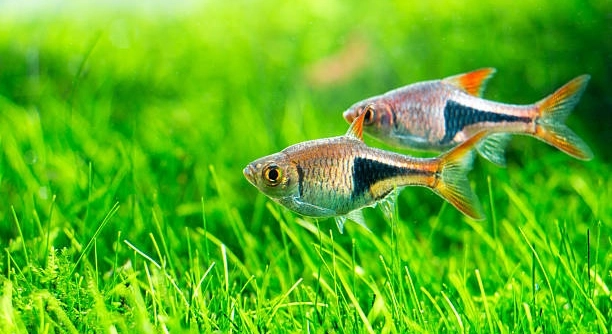
Rasboras are small, peaceful fish that add vibrant colors to any aquarium. They adapt well to a variety of water conditions and enjoy swimming in groups, making them a lively addition to planted tanks. Their calm nature complements lush greenery.
Rasboras can thrive in planted tanks when provided with stable water parameters, moderate lighting, and a well-balanced diet. Dense vegetation offers hiding spots and reduces stress, while open swimming areas ensure healthy activity and natural behaviors.
Maintaining the right balance of plants, space, and water quality will ensure your rasboras remain active, healthy, and visually appealing in their environment.
Choosing the Right Plants for Rasboras
Rasboras feel most comfortable in aquariums with soft, leafy plants. Species like Java fern, Anubias, and Cryptocoryne provide hiding spaces and reduce stress. Floating plants can diffuse light, mimicking their natural habitat and encouraging natural behaviors. Avoid sharp or rigid plants that could injure delicate fins. Dense vegetation in corners creates safe zones, while leaving open swimming areas in the center allows rasboras to move freely and exercise. These fish are schooling creatures, so the tank should balance cover with open space to support group dynamics. Proper plant selection also contributes to water quality, as plants absorb excess nutrients and reduce algae growth. Light levels should be moderate to prevent overgrowth that limits swimming areas. Regular trimming ensures plants stay healthy and don’t overcrowd the tank. Substrate choice matters too; fine gravel or sand allows plant roots to anchor easily while keeping the tank safe for rasboras.
Proper plant placement and variety make a planted tank both attractive and comfortable for rasboras.
Providing the right mix of tall and low plants, along with floating greenery, creates a balanced environment where rasboras feel secure and active, supporting overall health.
Water Conditions and Tank Setup
Stable water parameters are essential for rasboras to thrive.
Rasboras prefer slightly acidic to neutral water, with temperatures between 22–28°C. Regular water changes maintain cleanliness, and a gentle filter keeps the water moving without creating strong currents.
Maintaining the right water conditions ensures your rasboras remain healthy and active. The tank should have a capacity that allows schooling, ideally 20 gallons or more for a small group. Substrate choice, decorations, and plant density all affect water flow and circulation, so arrange them to avoid dead spots. Monitoring water chemistry, including pH, ammonia, nitrite, and nitrate levels, prevents stress-related illnesses. Heating and lighting should be consistent, as fluctuations can weaken the fish’s immune system. A lid or cover prevents accidental jumping, while open swimming areas support natural behavior. Regular observation helps detect early signs of stress or disease, ensuring interventions happen quickly. This careful setup creates an environment where rasboras can display their natural colors and behaviors, making the tank both lively and visually appealing.
Feeding Rasboras in Planted Tanks
Rasboras thrive on a varied diet that includes high-quality flakes, micro pellets, and live or frozen foods like daphnia or brine shrimp. Feeding small amounts multiple times a day prevents overfeeding and maintains water quality.
Balanced nutrition supports growth, vibrant colors, and active behavior. Supplementing their diet with plant matter, such as blanched spinach or algae wafers, can provide extra nutrients and fiber. Observe how quickly they consume food and adjust portions to avoid leftover waste that could harm water quality. Feeding at different levels of the tank encourages natural foraging behavior. A consistent feeding schedule helps maintain their health and reduces stress.
Treats like bloodworms or mosquito larvae can be offered occasionally. Rotate between dry, frozen, and live foods to ensure rasboras receive all essential nutrients while keeping their diet interesting. Monitor their response and adjust as needed.
Tank Mates and Community Considerations
Rasboras are peaceful and do best with other non-aggressive species that occupy different swimming levels.
Suitable tank mates include small tetras, guppies, and Corydoras catfish, which share similar water requirements and temperaments. Avoid large or aggressive fish that could intimidate or stress the school. Rasboras should be kept in groups of at least six to maintain social behavior and reduce anxiety. Proper spacing in the tank prevents overcrowding and allows each species to establish its preferred swimming areas. Consider the personality and activity level of each fish to create a harmonious community.
Mixing species with complementary behaviors enhances the visual appeal and overall balance of the tank. Monitor interactions and adjust groupings if signs of stress or bullying appear. Keeping compatible tank mates ensures rasboras remain healthy, active, and display natural schooling patterns.
Light and Temperature Requirements
Rasboras do best under moderate lighting that supports plant growth without stressing the fish. Too bright light can cause them to hide excessively, while too dim light may affect plant health.
Water temperature should remain stable between 22–28°C. Sudden fluctuations can stress rasboras and make them more susceptible to disease. Maintaining a consistent environment encourages normal activity and coloration, while stable lighting helps plants thrive, creating a balanced and comfortable habitat for the fish.
Common Health Concerns
Rasboras are generally hardy but can be prone to ich, fin rot, and stress-related illnesses if water quality drops. Regular observation and maintenance prevent these issues. Healthy water parameters and a clean tank minimize risks and keep the fish active.
Breeding Rasboras
Breeding rasboras requires a separate, well-planted tank with slightly softer water. Pair healthy adults in groups to encourage natural spawning behavior.
Provide fine-leaved plants or spawning mops for eggs. Removing adults after spawning prevents egg predation. Maintain gentle water flow and stable temperature to support egg development and fry survival.
FAQ
How many rasboras should I keep in a planted tank?
Rasboras are schooling fish, so they feel most comfortable in groups of at least six. Smaller numbers can cause stress and shy behavior. A larger group helps them display natural swimming patterns and makes the tank feel lively. Ensure the tank is spacious enough for free swimming.
Can rasboras live with other fish?
Yes, they are peaceful and compatible with small, non-aggressive species. Good tank mates include tetras, guppies, and Corydoras catfish. Avoid large or territorial fish that could bully or stress them. Grouping compatible species supports a harmonious environment where all fish thrive.
What do rasboras eat in a planted tank?
Rasboras thrive on a varied diet. High-quality flakes and micro pellets should form the base, supplemented with live or frozen foods like daphnia, brine shrimp, or bloodworms. Small portions multiple times daily prevent overfeeding and maintain water quality. Occasional plant matter like blanched spinach adds nutrients.
How do I maintain water quality for rasboras?
Stable water parameters are key. Aim for slightly acidic to neutral pH and temperatures between 22–28°C. Regular water changes remove waste, and a gentle filter maintains circulation without stressing the fish. Monitoring ammonia, nitrite, and nitrate levels prevents illness and supports overall health.
Do rasboras need special lighting?
Moderate lighting works best for both the fish and plants. Too bright lighting can stress rasboras and cause them to hide, while too dim light can affect plant growth. Floating plants can help diffuse light and provide shaded areas, creating a natural feel.
Can rasboras live without plants?
While they can survive without plants, vegetation provides hiding spots and reduces stress. Plants also improve water quality by absorbing excess nutrients. A planted tank encourages natural behavior and makes rasboras feel secure, resulting in healthier, more active fish.
How often should I feed rasboras?
Feed small amounts two to three times daily. Observe how quickly they consume food to avoid leftovers that pollute the tank. Rotating between dry, frozen, and live foods ensures balanced nutrition and keeps their diet interesting.
Are rasboras difficult to breed?
Breeding requires a separate, planted tank with soft water. Pair adults in groups to encourage spawning and provide fine-leaved plants or spawning mops for eggs. Remove adults after spawning to prevent egg predation, and maintain gentle water flow and stable temperature for successful fry development.
Why are my rasboras hiding?
Hiding can indicate stress from poor water quality, sudden temperature changes, or aggressive tank mates. Dense plants and shaded areas help them feel secure. Regular monitoring and stable conditions reduce stress and encourage normal swimming behavior.
How do I prevent diseases in rasboras?
Maintaining clean water, stable temperatures, and a balanced diet is the best prevention. Quarantine new fish before introducing them and avoid overcrowding. Regular observation allows early detection of illnesses like ich or fin rot, ensuring prompt treatment and healthier fish.
Can rasboras live in small tanks?
Small tanks can house rasboras, but group size and swimming space are crucial. A minimum of 20 gallons is recommended for a small school. Too little space can cause stress, weaken immune systems, and reduce activity. Proper decoration and plant placement optimize available space.
How long do rasboras live?
With proper care, rasboras can live 4–6 years on average. Stable water conditions, a balanced diet, and a stress-free environment contribute to longevity. Keeping them in a planted tank with compatible species supports natural behavior and overall health.
Can rasboras jump out of the tank?
Yes, rasboras are small and agile swimmers that may jump if startled or stressed. A secure lid or cover prevents accidents. Floating plants and gentle lighting reduce stress and make the tank safer for the fish.
Is it necessary to trim plants in a rasbora tank?
Yes, trimming prevents overgrowth that can reduce swimming space. Maintaining plant health and open areas supports both the fish and the plants, ensuring a balanced environment where rasboras can swim freely and stay active.
How do I introduce rasboras to a new tank?
Acclimate them slowly using the drip method or floating the bag in the tank. Gradually mix tank water with the bag water to reduce stress. Avoid sudden temperature or water chemistry changes for a smooth transition.
Can rasboras tolerate cooler water?
They prefer tropical temperatures but can tolerate slight drops if stable. Rapid temperature changes are harmful. Use a heater to maintain consistency, especially in planted tanks where temperature affects both plants and fish.
How do I know my rasboras are happy?
Healthy rasboras swim actively in groups, display bright colors, and eat regularly. Stress signs include hiding, clamped fins, or erratic swimming. A planted tank with open swimming areas and hiding spots encourages natural, relaxed behavior.
Do rasboras need a heater in planted tanks?
A heater is recommended to maintain stable tropical temperatures. In cooler rooms or during seasonal changes, it ensures the fish remain healthy. Stability in temperature prevents stress and supports both fish and plant growth.
Can rasboras live with shrimp or snails?
Yes, small shrimp and peaceful snails are compatible tank mates. They occupy different niches and do not stress rasboras. Avoid aggressive or predatory invertebrates that could harm the fish or compete for food.
How do I know if my tank is overcrowded?
Overcrowding causes stress, poor water quality, and disease. Signs include constant hiding, sluggish swimming, or aggression. Follow general stocking guidelines, maintain proper filtration, and monitor behavior to ensure a healthy balance for rasboras and other species.
What type of substrate is best for planted tanks with rasboras?
Fine gravel or sand works well, allowing plant roots to anchor while keeping the tank safe for rasboras. Avoid sharp substrates that can damage delicate fins. A nutrient-rich substrate supports plant growth, creating a comfortable environment for the fish.
How do I clean a planted tank without stressing rasboras?
Perform partial water changes, clean debris carefully, and avoid strong currents. Move decorations slowly and trim plants gradually. Use a gentle siphon and maintain stable water parameters to minimize stress while keeping the tank clean and healthy.
Can rasboras tolerate low oxygen levels?
Rasboras need well-oxygenated water. Low oxygen causes lethargy and stress. Aeration, moderate filtration, and live plants help maintain oxygen levels. Avoid overcrowding and stagnant water to keep fish active and healthy.
How important is tank cycling before adding rasboras?
Cycling is essential. It establishes beneficial bacteria that break down waste, preventing ammonia and nitrite spikes. A fully cycled tank ensures a stable, safe environment, reducing stress and supporting long-term health for rasboras and plants.
Are rasboras compatible with bettas?
It depends on the betta’s temperament. Peaceful bettas may coexist, but aggressive ones can stress or harm rasboras. Observe interactions closely, and be prepared to separate them if signs of aggression appear. Choosing calm, non-territorial tank mates is safer.
Can rasboras change color?
Yes, colors may deepen when healthy and well-fed. Stress, illness, or poor water quality can dull colors. Maintaining stable conditions, a balanced diet, and proper lighting enhances their natural vibrancy and overall appearance.
Do rasboras need a dark area in the tank?
Providing shaded areas with plants or decorations reduces stress. Rasboras feel secure when they have hiding spots, especially in planted tanks with open swimming zones. Balanced light and shade promote natural behavior and a comfortable environment.
How do I prevent algae in a planted tank with rasboras?
Moderate lighting, proper fertilization, and regular maintenance control algae growth. Adding algae-eating tank mates like snails can help. Avoid overfeeding, as excess nutrients encourage algae, while healthy plants compete effectively for resources.
Can rasboras live in brackish water?
No, they are freshwater fish. They require soft to moderately hard water with stable pH. Brackish conditions can stress or harm them, affecting health and survival. Maintaining freshwater conditions ensures long-term well-being.
How do I acclimate baby rasboras?
Gradually introduce fry to tank water using small water additions over several hours. Provide gentle flow, fine-leaved plants, and suitable micro-foods like infusoria or liquid fry food. Stable conditions improve survival rates and support healthy growth.
Do rasboras need a specific tank shape?
Long, horizontal tanks are ideal for schooling behavior, giving them room to swim freely. Tall tanks are less suitable as rasboras prefer open horizontal space with plants for hiding. Proper layout supports natural activity and reduces stress.
Can rasboras live in unheated tanks?
They may survive in stable, warm ambient conditions, but fluctuating temperatures are risky. A heater ensures consistent tropical temperatures, supporting health, activity, and plant growth. Stability prevents stress-related illnesses and promotes vibrant coloration.
What should I do if my rasboras show signs of disease?
Isolate affected fish if possible and test water parameters immediately. Treat based on the diagnosed condition, adjusting temperature, medication, and maintenance as needed. Early intervention improves recovery chances and prevents spreading to healthy fish.
How do I handle sudden fish deaths in a planted tank?
Check water parameters for ammonia, nitrite, nitrate, and pH spikes. Inspect tank mates for aggression or disease. Remove dead fish promptly, clean the tank if necessary, and monitor remaining fish closely to prevent further losses.
Can rasboras live with African dwarf frogs?
Yes, they share peaceful temperaments and similar water requirements. Ensure enough space and hiding spots for both species. Monitor interactions initially to confirm compatibility and maintain a calm, balanced tank environment.
Are there different types of rasboras suitable for planted tanks?
Several species thrive in planted tanks, including Harlequin, Chili, and Lambchop rasboras. Each has slightly different preferences, but all benefit from groups, moderate lighting, and dense plants. Choose species based on tank size, water parameters, and desired visual effect.
How often should I test water in a planted tank with rasboras?
Regular testing, at least weekly, helps maintain stable conditions. Focus on pH, ammonia, nitrite, nitrate, and temperature. Early detection of imbalances prevents stress and disease, ensuring the tank remains safe and healthy for all inhabitants.
What is the best way to introduce new plants to a rasbora tank?
Rinse thoroughly to remove pests or chemicals, then plant gradually to avoid disturbing existing vegetation. Observe fish behavior, as sudden changes in layout can stress them. Gradual integration supports both plant health and fish comfort.
Do rasboras need a specific pH range?
Yes, they prefer slightly acidic to neutral water, around 6.5–7.5. Stable pH prevents stress, supports plant growth, and maintains overall health. Sudden shifts can trigger illness and reduce activity levels.
Can rasboras adapt to tap water?
They can adapt if treated properly to remove chlorine and heavy metals. Using water conditioners and monitoring parameters ensures safe conditions. Gradual acclimation helps prevent stress and supports long-term health.
Are rasboras suitable for beginner aquarists?
Yes, they are hardy, peaceful, and adapt to a range of conditions. With proper feeding, water maintenance, and plant selection, even beginners can keep rasboras healthy and active in a planted tank.
Rasboras are small, peaceful fish that bring movement and color to planted tanks. They thrive best in groups, and having at least six in a tank allows them to swim naturally and display their schooling behavior. A planted environment provides hiding spots and reduces stress, which keeps them active and healthy. Choosing the right plants, such as Java fern, Anubias, or Cryptocoryne, helps create a comfortable space while also maintaining good water quality. Floating plants and tall vegetation can provide shaded areas, while open swimming spaces allow them to move freely and exercise. This balance between cover and open areas is essential for their well-being, as it mimics their natural habitat. Regular observation of their behavior ensures that they remain comfortable and that any potential issues can be addressed quickly. Maintaining clean water through consistent filtration and water changes is also critical to their health, as rasboras are sensitive to high levels of ammonia or nitrites.
Feeding rasboras a balanced diet is another key aspect of their care. They thrive on high-quality flakes and micro pellets, supplemented with live or frozen foods like brine shrimp, daphnia, or bloodworms. Small, frequent feedings prevent overfeeding and maintain water quality. Occasionally providing plant-based foods such as blanched spinach or algae wafers can offer extra nutrients and fiber. Observing how quickly they consume their food helps ensure they receive the right portions without leaving excess waste that could negatively affect water conditions. A varied diet not only supports their growth and coloration but also keeps their feeding routine interesting. Pairing proper nutrition with a stable environment allows rasboras to display natural behaviors and maintain overall health. Paying attention to their diet and tank setup together creates a balanced ecosystem that benefits both fish and plants.
Rasboras are generally hardy but require stable conditions to thrive. Temperature fluctuations, poor water quality, or aggressive tank mates can stress them and lead to health problems. Providing a moderate, consistent temperature between 22–28°C and maintaining stable water parameters is essential. Choosing compatible community fish helps prevent stress and ensures peaceful interactions. Regular monitoring of the tank and observing your rasboras for signs of illness, stress, or unusual behavior allows for timely intervention. A planted tank with healthy vegetation not only supports their physical health but also encourages natural behaviors, creating a visually appealing and balanced environment. By carefully managing diet, tank setup, water quality, and social interactions, rasboras can live comfortably and display their vibrant colors for many years. This attention to detail ensures a thriving, active community where both the fish and plants benefit from a well-maintained ecosystem.

Hello,
If you enjoy the content that we create, please consider saying a "Thank You!" by leaving a tip.
Every little bit helps us continue crafting quality advice that supports the health, happiness, and well-being of pets around the world, for pets of all shapes, sizes, and species.
We really appreciate the kindness and support that you show us!