
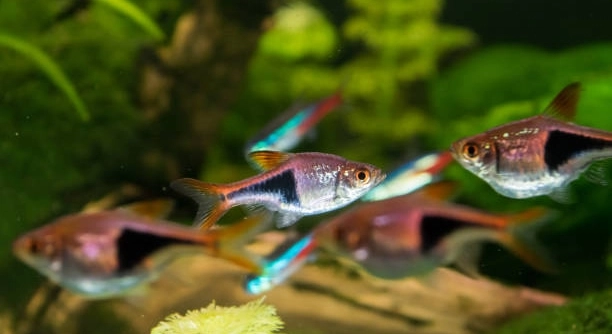
Rasboras are lively and colorful fish that bring charm to any aquarium. However, they can sometimes display timid behavior that surprises even experienced fish keepers in familiar environments. Understanding their reactions can help maintain a peaceful tank.
Rasboras often become timid due to sudden changes in their environment, overcrowding, aggressive tank mates, poor water conditions, insufficient hiding spaces, irregular feeding, or intense lighting. Recognizing these triggers is essential for ensuring their comfort and promoting natural behavior.
Observing these situations closely will help you create a calm and safe environment for your rasboras to thrive.
Sudden Changes in the Aquarium
Rasboras are highly sensitive to sudden changes in their surroundings. Moving them to a new tank, rearranging decorations, or introducing new plants can make them skittish. Even minor adjustments in water temperature or chemistry can trigger hesitation and hiding. These fish rely on consistency to feel secure, and unexpected shifts in their environment can temporarily disrupt their natural confidence. Observing their behavior closely after any change helps you respond appropriately and reduce stress. Gentle acclimation and gradual adjustments can ease the transition, allowing rasboras to explore without fear.
Frequent monitoring after changes ensures they adapt quickly and maintain normal activity levels.
Providing gradual introductions and maintaining stable conditions allows rasboras to regain confidence. Regular water testing and careful placement of new elements can prevent long-term stress, making the aquarium safer and more predictable for these delicate fish.
Overcrowding and Aggressive Tank Mates
Too many fish in one tank can overwhelm rasboras, causing them to hide or swim frantically. Small, timid species are particularly affected by aggressive or larger companions, which can dominate swimming space and food sources.
Overcrowding limits movement and increases stress, reducing overall health and activity.
It is essential to plan tank populations carefully. Each species has specific space requirements, and providing adequate hiding areas can alleviate tension. Aggressive fish should be avoided in mixed tanks, especially when housing rasboras. Regular observation helps identify any signs of stress early. Adjusting the number of inhabitants or rearranging territory markers can restore balance. Additionally, feeding routines should ensure all fish receive enough food, preventing competition. Creating distinct zones with plants or decorations gives rasboras the confidence to explore without constant threat, promoting healthier interactions and natural behavior.
Poor Water Conditions
Dirty or unstable water can make rasboras skittish and inactive. Ammonia, nitrite, or nitrate spikes, as well as sudden pH changes, create stress, forcing them to hide more often and avoid open areas.
Maintaining clean, balanced water is essential for rasboras’ comfort. Regular water testing helps detect fluctuations early. Partial water changes, careful filtration, and avoiding overfeeding contribute to a stable environment. Stress from poor water quality can weaken their immune system, making them more susceptible to illness. Observing behavior after adjustments can indicate whether conditions are improving.
Stable water conditions support natural activity, reduce hiding, and encourage confident swimming. Keeping temperature, pH, and cleanliness consistent ensures that rasboras feel secure and thrive in their tank environment.
Insufficient Hiding Spaces
Rasboras need plenty of hiding spots to feel safe, especially when they are shy or stressed. Lack of cover increases nervousness and limits their movement.
Providing plants, rocks, or decorations creates sheltered areas where they can retreat when feeling threatened. Dense foliage or small caves give them comfort and reduce stress. Without adequate hiding spots, timid rasboras may spend excessive time in corners or at the bottom of the tank, which can affect their health. Proper arrangement of cover allows them to explore gradually and return to safety as needed.
Thoughtful placement of hiding areas supports natural schooling behavior. It allows rasboras to balance curiosity and caution, promoting a calmer and more active tank environment. This approach also helps less dominant fish feel secure around more assertive tank mates.
Irregular Feeding
Rasboras can become timid if their feeding schedule is inconsistent. Skipping meals or offering food at varying times makes them anxious and hesitant to approach the center of the tank.
Consistent feeding times help them feel secure and reduce stress. Small, frequent portions encourage natural foraging behavior and maintain confidence during feeding.
Intense Lighting
Bright or direct lighting can startle rasboras, causing them to hide or cling to shaded areas. They prefer moderate, diffused light that mimics their natural habitat. Adjusting the intensity gradually prevents sudden stress reactions.
Introduction of New Fish
Adding new fish can disrupt the established hierarchy. Timid rasboras may retreat or avoid swimming openly until they adjust. Observing interactions and providing hiding spots helps them regain confidence.
FAQ
Why do my rasboras hide constantly?
Rasboras hide when they feel threatened or stressed. Common causes include sudden changes in the tank, aggressive or large tank mates, poor water quality, or insufficient hiding spots. Providing a stable environment with plants, rocks, and gentle lighting helps them feel secure and encourages normal activity.
How can I make rasboras more confident?
Consistency is key. Keep water parameters stable, maintain a regular feeding schedule, and provide adequate hiding spaces. Avoid sudden changes in tank layout or adding aggressive species. Gradual introductions of new elements allow rasboras to explore at their own pace, reducing fear and promoting confident swimming.
Are rasboras shy by nature?
Some species of rasboras are naturally more timid than others. While they are generally social and active in schools, individual temperament varies. Timid behavior can be amplified by environmental stressors, so observing their behavior and adjusting conditions is important.
Can lighting affect rasboras’ behavior?
Yes. Bright, direct lighting can startle them and increase hiding behavior. Moderate, diffused lighting simulates their natural environment and encourages exploration. Using floating plants or shaded areas can further reduce stress caused by intense light.
Do water changes stress rasboras?
Sudden or large water changes can make rasboras anxious. Performing gradual water changes and keeping temperature and pH stable minimizes stress. Regular maintenance ensures a healthy environment without causing frequent fear responses.
What role do tank mates play in their timidity?
Aggressive or larger fish can intimidate rasboras. They may hide more often or avoid open spaces if they feel threatened. Choosing compatible, peaceful tank mates and ensuring ample swimming space helps maintain calm behavior.
Is overcrowding a problem for rasboras?
Yes. Overcrowding increases stress and reduces territory. Timid fish may struggle to access food or hiding spots. Maintaining proper stocking levels and providing decorations for shelter reduces fear and allows rasboras to swim confidently.
How important are hiding spaces?
Hiding spaces are crucial. Rasboras feel safe in plants, rocks, or caves, especially when stressed. Lack of cover can lead to constant hiding and inactivity. Properly arranged hiding areas balance security and freedom to explore.
Can feeding routines influence their behavior?
Irregular feeding can make rasboras nervous or aggressive over food. Regular, predictable feeding routines with small portions encourage natural foraging behavior and reduce anxiety, helping them feel more secure.
How long does it take for rasboras to adjust to new conditions?
Adjustment depends on the severity of changes and the species’ temperament. With gradual introductions, consistent water parameters, and sufficient hiding spots, rasboras usually regain normal behavior within a few days to a week. Observing their response helps ensure they adapt safely.
Do temperature changes make them timid?
Yes. Rasboras are sensitive to sudden temperature shifts. Maintaining a consistent, appropriate temperature for their species prevents stress. Gradual adjustments, if needed, allow them to remain active and confident in the tank.
What signs indicate rasboras are stressed?
Hiding excessively, clinging to corners, reduced swimming, or loss of appetite are common signs. Quick response with water testing, environmental adjustments, and ensuring sufficient cover helps reduce stress and restores normal behavior.
Can tank decorations influence their confidence?
Decorations create territory and provide visual barriers. Properly arranged plants, rocks, and caves allow timid rasboras to feel safe while exploring. Sparse or poorly arranged tanks can increase anxiety and hiding behavior.
Are all rasboras affected the same way by stressors?
No. Individual temperament varies. Some rasboras are naturally bolder, while others are easily frightened. Observing their reactions and making tailored adjustments ensures a more comfortable and balanced environment for all fish.
How do I introduce new fish without causing timidity?
Quarantine new fish first to prevent disease. Introduce them gradually with partitions or floating cages. Monitor interactions, provide extra hiding spots, and keep feeding consistent. Minimizing sudden interactions reduces fear and allows rasboras to regain confidence in their territory.
Can poor diet make rasboras shy?
Yes. Malnutrition or irregular feeding can weaken them, increasing stress and hiding. Providing a balanced diet suitable for rasboras’ species supports overall health and reduces timid behavior, encouraging active swimming and schooling behavior.
Does tank size affect their behavior?
Small or crowded tanks restrict movement and increase stress. Providing adequate space for schooling and swimming, along with hiding areas, encourages confident behavior and reduces excessive timidity. Proper tank size is essential for healthy social and physical activity.
How do I know if hiding is normal or stress-related?
Occasional hiding is normal, especially at night or during feeding. Constant hiding, reduced activity, or refusal to eat indicates stress. Monitoring patterns and addressing environmental factors can help distinguish normal behavior from signs of anxiety.
Can seasonal changes affect rasboras?
Seasonal fluctuations in temperature or light can influence behavior. Sudden changes may cause temporary timidity. Maintaining consistent tank conditions and adjusting lighting gradually helps minimize stress throughout the year.
Are baby rasboras more timid than adults?
Yes. Juveniles are often more cautious and easily stressed. Providing extra cover, gentle feeding, and a calm environment allows young rasboras to develop confidence as they grow.
Does noise or vibration affect them?
Rasboras are sensitive to vibrations from tapping or external movement. Excessive noise near the tank can increase hiding behavior. Placing the aquarium in a stable, quiet location reduces stress and promotes natural swimming patterns.
What is the best way to help timid rasboras feel safe?
Ensure stable water conditions, consistent feeding, adequate hiding spots, moderate lighting, and peaceful tank mates. Observing behavior and making gradual adjustments creates a secure environment, allowing rasboras to swim confidently and interact naturally.
How long should I wait to see changes in timid behavior?
With consistent care, behavioral improvements can be observed within a few days to a week. Patience, observation, and maintaining a stable environment are key to encouraging rasboras to regain confidence and reduce hiding.
Can temperature, lighting, and water chemistry be adjusted together?
Yes, but gradual adjustments are essential. Sudden simultaneous changes can increase stress. Modify one factor at a time, observe behavior, and proceed slowly to ensure rasboras adapt without excessive fear or hiding.
Are certain rasbora species more sensitive than others?
Yes. Some species, like the harlequin rasbora, are naturally bolder, while others, like the lambchop rasbora, are easily startled. Knowing species-specific tendencies helps tailor tank conditions to reduce stress and encourage confident behavior.
Does schooling behavior affect timidity?
Rasboras feel safer in groups. Keeping at least six or more together reduces fear and promotes natural swimming patterns. Isolated individuals may hide more and display timid behavior due to lack of security in numbers.
How important is water filtration for timid rasboras?
Effective filtration keeps water clean and stable, reducing stress. Poor filtration leads to fluctuating water quality, which increases hiding and timid behavior. Choosing gentle filtration avoids strong currents that could startle them while maintaining a healthy environment.
Do seasonal decorations or changes affect them?
Frequent rearrangement of decorations can temporarily stress rasboras. Maintaining consistent layouts and gradually introducing new elements helps them adjust without excessive hiding or fear responses.
Can human activity near the tank cause timidity?
Yes. Rapid movements, tapping, or sudden shadows can startle rasboras. Placing the aquarium in a quieter area and interacting calmly reduces stress and encourages natural swimming behavior.
Is it normal for rasboras to hide after introducing new plants?
Yes. New plants alter the environment and create temporary uncertainty. Allowing them to explore gradually and ensuring proper placement of cover helps rasboras feel secure while adapting to changes.
How do I reduce stress when moving rasboras to a new tank?
Acclimate them slowly with temperature and water parameter matching. Provide plenty of hiding spaces and introduce changes gradually. Careful handling minimizes fear and encourages confident swimming in the new environment.
Can disease make them timid?
Yes. Illness often causes hiding, reduced swimming, and loss of appetite. Prompt diagnosis, treatment, and maintaining optimal tank conditions are essential for restoring normal behavior and reducing stress.
Does tank size influence schooling and confidence?
Larger tanks allow natural schooling behavior, reducing timidity. Small or overcrowded tanks limit movement, causing stress. Providing enough space for free swimming and adequate cover supports confident, active rasboras.
Are rasboras more timid at night?
They may hide more during low light, but constant nocturnal hiding can indicate stress. Ensuring adequate day-night lighting cycles and sufficient cover helps regulate normal activity and reduces anxiety.
Can sudden temperature drops make them hide?
Yes. Sudden drops shock their system, increasing hiding behavior. Maintaining stable temperatures and avoiding abrupt changes reduces stress and supports natural swimming patterns.
How can I tell if my tank environment is suitable for timid rasboras?
Look for regular swimming, feeding, and schooling behavior. Limited hiding, active exploration, and minimal stress signs indicate a well-maintained, secure environment tailored to their needs.
Rasboras are delicate and sensitive fish that thrive in stable and well-maintained environments. Observing their behavior closely helps identify when they feel timid or stressed. Sudden changes in the tank, poor water quality, aggressive tank mates, or insufficient hiding spaces can all contribute to shy behavior. Providing a consistent environment with proper water parameters, adequate space, and gentle lighting is essential for their well-being. Regular maintenance, such as water testing and partial water changes, ensures their habitat remains healthy and reduces stress. Paying attention to small details, like placement of plants or decorations, can make a significant difference in how secure they feel. When rasboras have areas to retreat to, they feel more confident and are more likely to display natural, active behavior.
Consistency in feeding and careful introduction of new fish also play an important role in reducing timidity. Rasboras respond well to regular routines and gradual adjustments. Sudden additions of new tank mates or irregular feeding schedules can create anxiety, causing them to hide or swim less. Providing multiple hiding spots and ensuring a balanced diet encourages exploration and maintains energy levels. Observing their interactions with other fish helps determine if the environment is suitable and if adjustments are needed. Overcrowding should be avoided, and tank mates should be carefully selected to ensure peaceful coexistence. Even small steps, like adjusting lighting intensity or providing floating plants for shade, can make rasboras feel safer and more comfortable in their surroundings.
Understanding their natural behavior and tendencies is key to creating a calm and secure aquarium. Timid behavior is often temporary and can improve with attention to water conditions, tank layout, feeding, and social dynamics. Offering a mix of open swimming areas and sheltered spots allows rasboras to balance curiosity with caution, gradually building confidence. Patience is important, as some individuals may take longer to adjust than others. By carefully monitoring their behavior and making thoughtful adjustments, their well-being and activity levels improve, making them more enjoyable to observe. With proper care, rasboras can thrive in a peaceful, balanced tank where they feel safe and confident.

Hello,
If you enjoy the content that we create, please consider saying a "Thank You!" by leaving a tip.
Every little bit helps us continue crafting quality advice that supports the health, happiness, and well-being of pets around the world, for pets of all shapes, sizes, and species.
We really appreciate the kindness and support that you show us!