
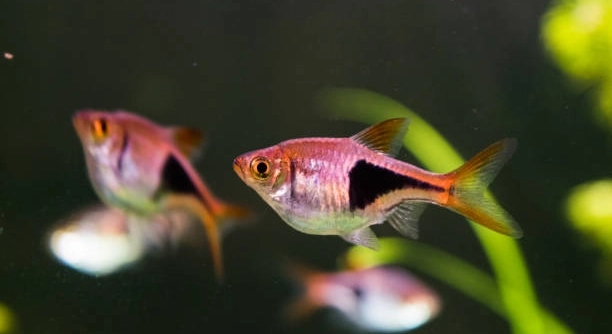
Rasboras are small, colorful fish that brighten up any aquarium. Their lively movements and social behavior make them a joy to watch, especially when they show signs of excitement during feeding or play.
When rasboras are excited, they display quick, energetic swimming patterns, often darting in synchronized groups. They may flare fins slightly, chase each other, and approach the front of the tank, signaling heightened activity and engagement with their environment.
Observing these behaviors can help you understand your fish better and improve their daily care and interaction in the aquarium.
Rapid Swimming in Groups
When rasboras get excited, one of the first things you might notice is their sudden bursts of speed. They often swim in tight, synchronized groups, weaving through the tank with precision. This behavior is common during feeding time or when they notice movement outside the tank. Watching them move together can be mesmerizing, as their patterns shift quickly and seem almost choreographed. These quick movements are not just random; they are a natural way for rasboras to communicate and interact. Swimming in groups also helps them feel safe, as small fish are instinctively more alert to potential threats when in numbers. Even small tanks can allow this behavior to appear, and it can make the fish more visually engaging. Observing their group swimming regularly can also indicate their overall health and comfort in the tank, as lethargic fish rarely display these energetic patterns.
Rapid group swimming is a clear sign of excitement, signaling that the fish are engaged, stimulated, and responding to stimuli in their environment.
Watching rasboras zip together across the tank can be surprisingly calming. Their energy and coordination make even simple tank observation feel lively and dynamic.
Fin Flaring and Darting
Excited rasboras often flare their fins and make sudden, sharp movements around the tank. This behavior usually happens in response to feeding or the approach of a new object.
Fin flaring serves multiple purposes. It can be a way to show dominance within the group or a signal to other fish that food is present. Darting movements, often accompanied by quick directional changes, help rasboras explore their environment efficiently and alertly. When I watch my fish, I notice that some individuals lead the movements while others follow closely, creating a fascinating dynamic. Over time, these behaviors can also indicate which fish are more assertive or playful. Keeping the tank enriched with hiding spots, plants, and open areas allows these behaviors to appear naturally, ensuring the fish remain mentally and physically active. Observing these small gestures adds a deeper layer to caring for rasboras and understanding how they communicate excitement in subtle, yet telling ways.
Chasing Each Other
Excited rasboras often chase each other around the tank in playful bursts. This behavior happens most during feeding times or when new decorations are added, showing their heightened energy and social interaction in a visible way.
Watching them chase each other can be entertaining, but it also provides insight into their social hierarchy. Some rasboras take the lead while others follow, and the speed and intensity of these chases often reflect the fish’s mood. In my experience, a tank with plenty of open space allows these bursts to occur naturally, encouraging healthy movement and exercise. It also strengthens their group cohesion, as they respond quickly to one another’s actions. Over time, these chases can become predictable patterns, showing which fish are more assertive or more playful, helping me understand their individual personalities.
When rasboras engage in these chases, it keeps them active and mentally stimulated. Regular observation of this behavior helps maintain a healthy and lively tank environment.
Approaching the Glass
Rasboras often swim up to the glass when they are excited, especially during feeding times. This movement shows curiosity and engagement with their surroundings.
This behavior indicates that the fish are alert and aware of activity outside the tank. They may follow your movements, anticipating food or interaction. I notice that some fish approach boldly while others hang back, highlighting differences in confidence and temperament. Approaching the glass can also be a way for rasboras to claim space or signal interest in objects placed near the tank. It’s important to maintain a calm presence so the fish do not become stressed from excessive tapping or sudden movements. Over time, this behavior becomes part of their daily routine, creating a small but consistent interaction with their environment.
Regularly observing rasboras at the glass provides insight into their excitement levels and responsiveness. It also helps gauge their comfort and curiosity in the tank, making it easier to manage feeding routines and enrich their habitat appropriately.
Quick Darts Between Plants
Rasboras make rapid, short movements between plants when they are excited. This behavior allows them to explore the tank actively while staying close to cover, balancing curiosity with safety.
These quick dashes help the fish stay alert and agile. I often watch them weave in and out of leaves, showing both energy and a sense of security. It is fascinating to see how they use the plants as both playgrounds and protective zones, especially during feeding times or when the tank is slightly disturbed. This behavior also encourages natural exercise, keeping their bodies strong and responsive.
Group Circling
When excited, rasboras often swim in tight circles together. This synchronized movement strengthens social bonds and shows high levels of engagement.
Flicking and Tail Movement
Tail flicks increase in frequency when rasboras are stimulated or excited. It is a subtle but clear sign of alertness and interest in their surroundings.
How can I tell if my rasboras are excited?
Rasboras show excitement through noticeable changes in movement and behavior. Quick swimming, chasing each other, or darting between plants are clear indicators. They may also flare their fins slightly, approach the tank glass, or display synchronized group swimming. Watching for these behaviors regularly gives a clear sense of their energy levels and mood.
Is chasing behavior normal for rasboras?
Yes, chasing is a typical social behavior. It often happens during feeding times or when they explore new decorations. Some fish take the lead while others follow, reflecting their personalities. This behavior encourages activity, strengthens group cohesion, and keeps the fish mentally stimulated. Occasional chases are healthy and expected in a lively tank.
Why do rasboras swim to the glass?
Swimming to the glass usually indicates curiosity or anticipation of food. Some fish approach boldly, while others hang back. This behavior helps them interact with the environment and signals alertness. Maintaining gentle movements around the tank prevents stress, while consistent observation shows their comfort and engagement.
Do rasboras always swim in groups when excited?
Mostly, yes. Rasboras are schooling fish, so group swimming is a natural response to excitement. Tight, synchronized movements provide safety and help them communicate. Even in smaller tanks, group activity can be observed, which reflects both their social nature and their overall well-being.
Can fin flaring indicate excitement?
Fin flaring is a common sign of excitement or heightened energy. It can also communicate dominance or signal food availability. In my experience, flaring is often accompanied by short, fast movements or darting between objects. Observing these subtle gestures helps track their mood and interactions.
Why do they dart between plants so quickly?
Quick dashes between plants balance curiosity with safety. Excited rasboras use this movement to explore while staying near cover. This behavior stimulates exercise and alertness. Watching them navigate the plants reveals both their energy and comfort level in the tank, showing how they interact with their environment naturally.
Is tail flicking a sign of excitement?
Yes, tail flicks increase when rasboras are stimulated. It’s a subtle but consistent sign of alertness and interest. Frequent flicking often appears alongside other excited behaviors like rapid swimming, chasing, or approaching the glass, indicating that the fish are fully engaged with their surroundings.
Should I encourage these excited behaviors?
Encouraging natural behaviors is beneficial. Providing open swimming space, plants for cover, and regular feeding opportunities allows rasboras to express energy safely. Observing their excitement patterns helps maintain a healthy, stimulating environment. Sudden disturbances or excessive tapping should be avoided to prevent stress.
Do excited behaviors indicate good health?
Often, yes. Active, energetic behaviors such as darting, chasing, and fin flaring generally reflect a healthy, comfortable fish. Lethargy, lack of movement, or unusual hiding can signal issues. Monitoring excitement levels alongside general health helps ensure that the tank conditions meet their needs.
Can excitement lead to aggression in rasboras?
Aggression is usually mild and temporary. While chasing and darting might seem intense, it rarely leads to serious harm. Dominant fish may assert themselves briefly, but excitement-driven behavior mostly reflects playfulness, curiosity, and engagement rather than true hostility. Proper tank setup minimizes conflicts.
How often do rasboras show excitement?
Excitement can occur daily, especially during feeding or when environmental changes happen. Observing their behavior at consistent times provides insight into their routine and energy levels. Excited periods are generally short but frequent, giving the tank a lively, dynamic atmosphere that reflects their natural habits.
Does tank size affect excited behavior?
Yes, a larger tank provides more room for swimming, chasing, and darting, enhancing visible excitement. Even small tanks can show these behaviors, but space limitations may restrict full expression. Providing both open areas and hiding spots ensures natural behavior without causing stress or overcrowding.
Can excitement be overstimulated?
It can be if the tank environment is chaotic or if there’s constant tapping and disturbance. While natural excitement is healthy, overexposure to stimuli can cause stress. Maintaining a balanced environment with calm observation allows rasboras to show energy safely and encourages long-term health and engagement.
Do all rasboras react the same way when excited?
Individual personality matters. Some lead movements and chase actively, while others stay back or approach cautiously. Observing these differences helps understand social dynamics and each fish’s temperament. Respecting individual behaviors ensures a harmonious tank and allows all fish to express excitement naturally.
How can I encourage healthy excitement?
Providing a varied environment with plants, open spaces, and regular feeding routines helps. Gentle interaction, careful placement of new objects, and avoiding sudden disturbances allow rasboras to show excitement safely. Healthy excitement improves activity, mental stimulation, and overall tank enjoyment.
Are excited behaviors seasonal or constant?
They are mostly constant but can fluctuate based on feeding, light, or environmental changes. Excited behaviors are part of daily life, reflecting alertness and engagement. Observing patterns over time provides insight into their comfort and well-being in the tank.
Can I tell excitement apart from stress?
Yes. Excitement involves quick, coordinated movement, chasing, or flaring without hiding or erratic trembling. Stress often shows as frantic, uncontrolled swimming, hiding, or clamped fins. Knowing the difference allows for better care and ensures the tank environment supports positive stimulation rather than fear.
Do excited behaviors change with tankmates?
Yes, the presence and behavior of other fish affect excitement. Schooling with compatible tankmates encourages synchronized swimming and social interactions. Aggressive or shy tankmates may limit visible excitement. Observing interactions helps maintain balance and ensures all rasboras can express energy naturally.
Can excitement improve health?
Engaging in natural excited behaviors supports physical fitness, mental stimulation, and social interaction. Active swimming, chasing, and exploring keep muscles strong, reduce stress, and enhance overall well-being. Encouraging these behaviors in a safe, enriched environment contributes to long-term health.
How long do excited episodes last?
Excited periods are usually short, ranging from a few seconds to several minutes. They often occur around feeding or environmental changes. Observing these episodes regularly helps understand energy cycles and provides opportunities to enrich the tank to match their natural activity levels.
Is it normal for rasboras to calm down after excitement?
Yes, after bursts of activity, they often rest among plants or in open areas. This balance between excitement and calm is natural, reflecting energy management and healthy behavior patterns. Watching these cycles provides insight into their well-being and comfort in the tank.
Rasboras are small but lively fish, and their excited behaviors reveal a lot about their health, comfort, and social nature. From darting between plants to chasing each other in synchronized bursts, these behaviors are normal and natural. Observing them closely allows you to understand their personalities and how they interact with one another. Each fish may show excitement differently; some lead movements, while others follow or stay slightly behind. Even subtle gestures, like tail flicking or fin flaring, indicate that the fish are alert and engaged with their environment. Recognizing these signs makes caring for rasboras more rewarding because it shows you when they are active, stimulated, and happy in the tank.
Maintaining a suitable environment is key to supporting these behaviors. Rasboras need space to swim freely and plants or decorations for shelter and exploration. A well-arranged tank allows them to express excitement safely while minimizing stress or potential conflicts. Feeding times are often the most obvious moments when excitement appears, but subtle movements between plants or toward the tank glass are also important indicators. Watching these behaviors regularly helps gauge their overall health. If the fish seem lethargic, hide excessively, or avoid interaction, it could indicate issues with water quality, tank size, or social dynamics. Ensuring proper tank conditions, regular feeding, and gentle observation encourages healthy excitement and keeps the fish active and engaged daily.
Excited behaviors are not only enjoyable to watch but also essential for the fish’s well-being. Swimming energetically, chasing in groups, and exploring their surroundings keep their bodies strong and minds stimulated. Rasboras are social creatures, and their interactions contribute to a balanced and harmonious tank environment. Even brief bursts of activity provide exercise and reinforce social bonds among the fish. Understanding and appreciating these behaviors makes it easier to provide care that matches their natural instincts. Over time, you can notice patterns in when and how they show excitement, which helps anticipate their needs and enrich their habitat. Observing these behaviors closely not only adds enjoyment to keeping rasboras but also ensures they remain healthy, active, and well-adjusted in their home. Creating a supportive environment, paying attention to their energy levels, and understanding their social dynamics allows these small fish to thrive, making the experience of caring for them both satisfying and rewarding.

Hello,
If you enjoy the content that we create, please consider saying a "Thank You!" by leaving a tip.
Every little bit helps us continue crafting quality advice that supports the health, happiness, and well-being of pets around the world, for pets of all shapes, sizes, and species.
We really appreciate the kindness and support that you show us!