
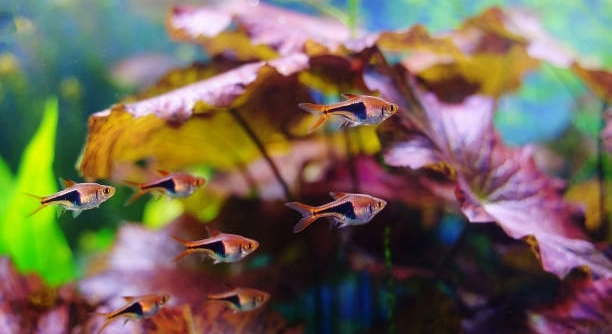
Rasboras are small, active fish often seen darting around aquariums. They respond to their environment and interact with each other in fascinating ways, making them popular among fish enthusiasts and casual aquarium owners alike.
Rasboras do show awareness of movement and presence around their tank. Observations indicate they can detect changes in their surroundings, often reacting to nearby activity with cautious movements or schooling behavior, suggesting a basic perception of being watched.
Learning about these reactions can help you better understand their behavior and create a more comfortable environment for your fish.
How Rasboras React to Movement
Rasboras are sensitive to movement near their tank. They often notice changes in light or shadows, which can make them dart or gather together. When I first set up my tank, I saw them pause whenever someone walked by. Their schooling behavior is especially noticeable when they feel observed. Small movements above the water, like reaching for the filter or adding food, trigger a quick swirl in the group. This reaction isn’t out of fear alone but is linked to survival instincts. In the wild, sudden motion often signals predators. Watching them adapt to these signals in a home tank shows how alert they remain at all times. Even subtle gestures, like leaning over the tank, prompt a gentle ripple of activity. Over time, they seem to recognize repeated, non-threatening movements and become calmer, showing they can differentiate between harmless and potentially concerning stimuli.
Rasboras’ reactions to movement are consistent across different tank setups, making it clear that awareness is part of their daily behavior.
Observing these responses closely allows for better tank management. Adjusting lighting, feeding times, and interaction helps reduce stress and ensures they maintain healthy schooling patterns, improving both their activity levels and overall wellbeing in captivity.
Understanding Their Social Behavior
Rasboras are social fish that prefer being in groups.
Being in a school helps them feel safe. Each fish reacts to the others, creating synchronized movements. When one senses something unusual, the entire group often moves together. This behavior reduces the chance of being singled out by threats. In a home aquarium, it’s fascinating to notice how quickly they adjust to the presence of humans. They may initially scatter, but repeated calm interactions help them settle. Their social structure also impacts feeding and exploration. Fish at the edges of the group are often more cautious, while those in the center are bolder. Maintaining a minimum group of six or more promotes natural schooling. Tanks that are too small or have too few individuals can lead to stress, reducing activity and making them more sensitive to every movement outside the tank. Observing their social interactions gives insight into both their comfort levels and their alertness, which is linked to their awareness of being watched.
How Lighting Affects Awareness
Rasboras react quickly to changes in lighting. Sudden shadows or bright spots can make them pause or swim in tighter groups. I noticed that dimmer lights in the evening calm them, while sudden overhead light triggers small bursts of movement across the tank.
Consistent lighting helps them feel secure. When lights shift gradually, they continue normal swimming and schooling behaviors without abrupt reactions. Rapid flashes or reflections from glass can confuse them, causing temporary stress. Over time, they seem to learn which light changes are harmless and which require caution. Observing them during feeding, I see how light angles influence their approach to food, often making them more hesitant when brightness is uneven. Adjusting lights slowly and maintaining a stable environment helps reduce unnecessary stress, ensuring they remain active and comfortable in their tank.
Even small changes, like moving a lamp closer or adjusting blinds, affect their movement. Monitoring light exposure can improve overall behavior and reduce unnecessary scattering in the tank.
Feeding and Human Presence
Rasboras respond strongly when food is introduced. Even before the food touches the water, they often gather near the surface, sensing movement above the tank. Their schooling behavior becomes more coordinated, with bold individuals moving first while others follow.
Timing and consistency matter. Feeding at regular times allows them to anticipate human presence, reducing stress and sudden reactions. I observed that when I approach the tank at mealtime, they swim calmly to the surface instead of scattering. Over time, they recognize repeated movements like reaching for the food container and react with controlled excitement rather than panic. The type of food also influences their response; flakes or small pellets elicit quick, synchronized swimming, while larger items encourage careful nibbling. Watching these interactions demonstrates how human presence and feeding routines shape their behavior and comfort level, showing a subtle but clear awareness of nearby activity.
Tank Placement and Visibility
Rasboras notice movement outside the tank more easily when the aquarium is in a high-traffic area. Placing the tank in a quieter corner reduces constant reactions. I moved mine away from the hallway, and they became calmer, swimming more freely without frequent interruptions.
Clear sightlines influence their comfort. Tanks with large, unobstructed viewing areas let them see activity without feeling trapped. They respond less to shadows or sudden movement when they have room to observe and retreat.
Interaction with Other Species
Rasboras are influenced by tankmates. Calm species encourage relaxed schooling, while fast or aggressive fish increase alertness and quick movements. I saw them shift positions and tighten groups when new fish were introduced, showing how other inhabitants affect their perception of safety.
Environmental Enrichment
Adding plants and hiding spots helps Rasboras feel secure. They dart less and explore more when they have places to retreat. Providing varied decorations creates a sense of control over their environment, reducing stress from external movements.
Consistency in Care
Regular feeding, lighting, and cleaning routines help Rasboras maintain calm behavior. Sudden changes make them scatter or react defensively, while predictable care fosters trust and stability in the tank.
FAQ
Do Rasboras recognize their owners?
Rasboras can notice repeated movements near the tank, which may include the presence of a person who cares for them. Over time, they associate specific actions, like approaching with food or cleaning the tank, with safe interactions. I’ve seen mine swim closer during feeding, showing recognition of familiar routines. This recognition is subtle and not the same as human-like attachment, but it demonstrates their ability to respond to repeated, non-threatening stimuli. Fish in general rely on patterns and consistency, so establishing predictable interactions can encourage them to be more comfortable around you.
Why do Rasboras scatter when someone moves near the tank?
Scattering is a natural survival response. In the wild, sudden movement can signal predators. Even in a home aquarium, Rasboras retain this instinct. I noticed when a friend leaned over my tank unexpectedly, they swirled quickly, regrouping once the movement stopped. This behavior is heightened in smaller tanks where escape routes feel limited. Over time, frequent gentle approaches reduce extreme reactions. They learn that not every movement is dangerous, although their instincts remain alert. Maintaining calm movements around the tank helps minimize stress and keeps schooling behavior natural.
How does tank size affect their awareness?
Larger tanks allow Rasboras more space to swim freely and respond to external movement without feeling trapped. In smaller tanks, they react more dramatically to shadows or sudden motion. I’ve seen a difference firsthand when upgrading from a 10-gallon to a 20-gallon tank; the fish seemed calmer and more confident. A larger environment supports natural schooling patterns and gives them the option to retreat when they feel observed. This reduces stress and allows their alertness to appear more measured instead of frantic. Tank dimensions directly influence how they perceive and react to activity outside the tank.
Do they respond differently to different people?
Yes, Rasboras can distinguish between familiar and unfamiliar movements. They tend to approach or remain calm around people who feed them regularly, while new visitors trigger quick, synchronized movements. I noticed that even my partner, who rarely feeds them, causes more darting than I do. Fish rely on routine rather than recognition of individual appearance, so repeated, consistent interaction is key. Their reaction reflects pattern recognition and learned associations, not a personal connection, but it does influence how calm or alert they appear when someone is near the tank.
Can environmental changes increase their awareness?
Changes in lighting, decorations, or tank placement heighten their alertness. I added a new plant near the front, and they paused more often when I walked by, clearly monitoring the environment. Even minor shifts in surroundings can trigger temporary schooling adjustments. They rely on familiar cues for comfort, so sudden changes make them hyper-aware of movement outside the tank. Gradual introductions help them adapt without stress. Consistent layout and stable conditions allow Rasboras to behave naturally, responding to humans and other stimuli without unnecessary panic, making their behavior predictable and easier to observe.
Does feeding influence their perception of being watched?
Feeding routines directly affect awareness. Fish anticipate movement associated with food, so they often swim to the surface before food enters the tank. I noticed my Rasboras watching closely whenever I approach at feeding time, showing both excitement and attentiveness. Over repeated interactions, they learn to remain calm while observing, indicating awareness without stress. The type of food also matters; small pellets elicit faster, synchronized movement, while larger flakes encourage slower, more deliberate approaches. Predictable feeding schedules reduce stress and allow them to respond to human presence in controlled, less frantic ways, reinforcing learned patterns of observation.
How do tankmates impact their reactions?
Other fish influence their alertness. Calm, slow-moving species help Rasboras feel secure, while fast or aggressive tankmates trigger quicker, more frequent reactions to movement. I observed that adding a small shoal of peaceful tetras reduced frantic schooling, whereas more active species caused repeated bursts of movement. Their reactions are shaped by the behavior of neighbors, highlighting the importance of careful species selection. Compatible tankmates create a balanced environment, allowing Rasboras to monitor surroundings without unnecessary stress. The presence of other fish teaches them subtle cues about when external movement is safe versus threatening.
Are Rasboras more alert during the day or night?
Rasboras are generally more active and alert during the day when lighting is bright. At night or in dim light, their activity decreases, though they still respond to shadows or vibrations. I noticed mine hiding among plants in the evening, responding only to sudden motion near the tank. Daytime alertness is linked to natural feeding and schooling instincts, while reduced night activity helps conserve energy. Providing a consistent light cycle ensures predictable behavior, helping them balance awareness with relaxation. It also allows observers to notice natural patterns without disturbing their routine, maintaining comfort and normal activity levels.
Can repeated observation change their behavior?
Yes, repeated, calm observation helps Rasboras become more comfortable with human presence. Over weeks, they may swim closer or remain less reactive to routine movements. I saw my fish adjust after consistent, gentle tank visits. This shows that their awareness is flexible and influenced by predictable interactions. Establishing steady routines in feeding, cleaning, and lighting builds a sense of safety. While they remain alert by nature, predictable patterns reduce stress and allow more natural behavior. Over time, repeated observation can shift their reactions from instinctive scattering to measured, calm awareness, reflecting adaptability in response to consistent human activity.
Rasboras are small fish, but they are surprisingly aware of their surroundings. From the moment they enter a tank, they react to movement, changes in light, and even the presence of people nearby. Their behavior reflects instincts that have been shaped by their natural environment. In the wild, being alert to movement is essential for survival. Even in a home aquarium, these instincts remain, showing in the way they school tightly, pause, or dart away when something changes near the tank. Observing them over time reveals that their awareness is not random but a consistent response to stimuli. The smallest shadow or the approach of a hand can trigger noticeable reactions, and understanding these responses helps in managing their environment effectively. Providing a calm, predictable space allows Rasboras to behave naturally, reducing unnecessary stress while maintaining their alertness.
Consistency in care plays a big role in how comfortable Rasboras feel. Regular feeding times, stable lighting, and minimal sudden changes in tank setup all contribute to a sense of safety. When they know what to expect, they are less likely to react with panic to human movement or environmental changes. I have noticed that maintaining a steady routine makes a visible difference in their behavior. They swim more confidently, school more smoothly, and explore their surroundings without hesitation. Even their reactions to new objects or decorations become less frantic if changes are introduced gradually. The combination of predictable care and thoughtful tank arrangement supports both their physical health and their natural behavioral instincts. This approach ensures that their awareness does not turn into stress but instead remains a sign of their alertness and adaptability.
Watching Rasboras can be both fascinating and educational. Their responses to movement, light, and other fish teach a lot about how small creatures interact with their environment. While they cannot recognize humans in the way pets like cats or dogs do, they do respond to familiar routines and repeated interactions. Over time, they learn which movements are safe and which require caution, demonstrating a subtle awareness of the world around them. Providing an environment that respects these instincts creates a balanced space where they can thrive. By observing, adjusting, and maintaining a calm environment, it is possible to encourage natural behaviors while keeping stress low. Understanding Rasboras’ reactions to being watched allows aquarists to better meet their needs, creating a healthier and more harmonious tank overall.

Hello,
If you enjoy the content that we create, please consider saying a "Thank You!" by leaving a tip.
Every little bit helps us continue crafting quality advice that supports the health, happiness, and well-being of pets around the world, for pets of all shapes, sizes, and species.
We really appreciate the kindness and support that you show us!