
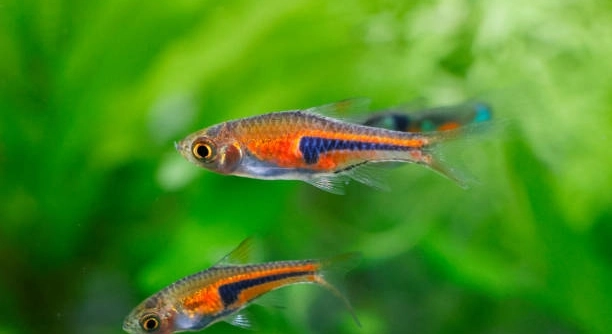
Have you ever noticed your rasboras gathering near the filter for long periods of time? Many aquarists see this behavior and wonder if it signals a problem or just a natural habit in their fish.
Rasboras often stay near the filter because it provides a consistent flow of oxygenated water, a sense of security, and stable temperature. These environmental factors make the area near the filter more comfortable for the fish compared to other parts of the tank.
Observing their behavior closely can reveal patterns that help maintain a healthy aquarium environment. It is important to understand the reasons behind this habit.
Sense of Security
Rasboras feel safer near the filter because it creates a familiar and sheltered environment. The constant movement of water masks sudden changes in the tank, making it less likely for them to feel threatened. The filter area often has fewer open spaces, which provides a semi-protected zone where they can rest without being fully exposed. Small fish like rasboras are naturally cautious, and any area that offers predictable conditions becomes a preferred spot. Over time, the filter becomes associated with comfort, and they instinctively return there whenever they feel unsure. Even in a well-decorated tank, rasboras may ignore open areas, staying close to the filter to maintain a sense of safety. This behavior also reduces stress, which supports their immune system and overall health. Watching them hover in these spots shows how much they value stability and protection in their environment.
The filter area acts as a safe haven, helping rasboras reduce stress and feel more secure in the tank.
Providing hiding spots near the filter encourages this behavior while maintaining open areas elsewhere. By arranging plants and decorations thoughtfully, you create zones where rasboras can retreat when needed without overcrowding the tank. Observing how often they use these areas allows you to adjust tank conditions to suit their comfort. Adequate filtration, stable water parameters, and gentle lighting contribute to their sense of security. Over time, the fish develop routines around these zones, making feeding, resting, and social interactions predictable and safe. This consistency is essential for their well-being, as sudden disturbances can lead to hiding or erratic swimming. The combination of gentle water flow, oxygen-rich conditions, and protective spaces around the filter creates an ideal environment where rasboras can thrive. Maintaining these elements ensures long-term health and encourages natural behavior patterns.
Stable Temperature
Rasboras tend to gather near the filter because water temperature remains consistent in this area.
Temperature fluctuations are stressful for small fish, and the filter helps circulate water evenly, minimizing cold or warm spots. Stable conditions near the filter keep rasboras comfortable and active.
Food Particles Concentration
The filter’s flow naturally carries small food particles, which attract rasboras to linger nearby.
Fish often follow micro-particles that drift in the water. Feeding habits are influenced by currents, and the filter distributes leftover food evenly. Small floating particles provide easy access to nutrition without the fish expending extra energy. Rasboras learn to hover in these zones where food is more available. Over time, this behavior becomes routine, with fish returning to the same spots during feeding times. Observing their pattern can help aquarists adjust feeding schedules and quantities. Keeping food near flowing areas ensures less waste and a more efficient feeding process. This behavior also supports social interaction, as multiple rasboras gather in one area to forage, reducing stress from searching individually. Adequate filtration and proper feeding routines make the filter area an ideal place for them to obtain energy while staying comfortable.
Social Interaction
Rasboras are schooling fish, and they often gather near the filter because it provides a common area for group activity. The flow encourages them to swim together, making movement synchronized and less stressful.
Being near the filter allows rasboras to maintain visual contact with one another, which reduces anxiety. The constant flow creates a central spot where they can meet, interact, and coordinate swimming patterns. This behavior strengthens their social bonds and keeps the group cohesive. In larger tanks, the filter area naturally becomes a gathering point because it offers both security and activity. Watching them move in unison is a sign that they feel comfortable and connected, and it shows how environmental conditions directly influence social behavior in small schooling fish.
Schooling near the filter also reduces competition for food and space. When rasboras swim together in this area, they can take advantage of drifting food particles while staying protected from other more aggressive tank mates. The current supports coordinated movement, allowing weaker individuals to conserve energy and remain part of the group. Over time, this creates a routine where the filter becomes both a feeding zone and a social hub. Maintaining proper flow, oxygenation, and space around the filter ensures that these fish remain healthy, active, and socially engaged, reflecting natural behaviors even in a controlled aquarium environment.
Filter as Territory
The filter area becomes a familiar zone where rasboras feel in control of their surroundings.
Rasboras often treat the filter region as part of their territory, using it as a reliable reference point for movement and feeding. They recognize this area as predictable, which reduces stress and encourages consistent activity.
Establishing the filter as a territory helps rasboras navigate the tank more confidently. They use it as a central point from which to explore other areas, always knowing they have a safe zone nearby. This behavior reduces conflict, as they have a clear space that belongs to the group without challenging other species. Territorial awareness also supports feeding efficiency, since the area near the filter regularly carries food particles. Maintaining decorations and plants around the filter can enhance this sense of ownership while still allowing open areas for swimming. Over time, rasboras return to the filter predictably, creating stable routines that improve both their social and physical health. Recognizing this behavior helps aquarists design tanks that accommodate natural instincts while minimizing stress and competition.
Resting Spot
Rasboras often use the area near the filter as a resting spot. The gentle current allows them to hover without expending much energy, providing a comfortable space to pause between active swimming sessions.
This resting behavior helps reduce stress and conserves energy. The predictable environment near the filter makes it an ideal place for the fish to relax.
Water Clarity
The filter keeps water clear by removing debris and particles. Rasboras naturally prefer cleaner areas, and they tend to stay near the filter where visibility is better and swimming is less obstructed.
Clear water around the filter allows the fish to spot food and avoid potential threats. Maintaining proper filtration ensures that the area remains inviting and safe for the school.
Mild Current
A mild current from the filter encourages gentle swimming. Rasboras use this flow to navigate the tank efficiently, which reduces fatigue.
The consistent current provides a stable environment that supports normal movement patterns. Fish can stay active without overexerting themselves, keeping their muscles healthy and energy balanced.
Proximity to Decorations
Filters are often placed near decorations or plants, creating a combined area of safety and stimulation.
Rasboras use this proximity to explore, hide, and interact. The combination of water flow and structural features makes it an attractive and engaging space in the tank.
FAQ
Why do rasboras always stay near the filter?
Rasboras stay near the filter because it provides stable water flow, consistent oxygen levels, and a sense of security. The gentle current allows them to swim without tiring, while the predictable environment reduces stress. They also use this area to find food and interact with other fish. Over time, it becomes a routine spot that meets multiple needs.
Is it normal for rasboras to spend all day near the filter?
Yes, this behavior is normal. In an aquarium, the filter mimics conditions similar to their natural habitats, like streams and rivers. Small fish like rasboras often gather where water flow, oxygen, and safety are optimal. Spending extended periods there helps them conserve energy and stay healthy.
Can the filter area be too strong for rasboras?
Yes, strong currents can stress them. Rasboras prefer mild flow that allows easy movement without being swept away. If the filter is too powerful, they may hide in plants or decorations to escape the force. Adjusting the output or using a flow diffuser can help maintain a comfortable environment.
Do rasboras avoid other areas of the tank because of the filter?
Often, yes. The filter area offers food, oxygen, and security, so rasboras naturally prefer it. Other parts of the tank may be less attractive if the water is stagnant or lacks shelter. Adding plants, rocks, or gentle currents elsewhere can encourage more balanced exploration.
Does staying near the filter indicate health issues?
Not usually. Staying near the filter is often a normal behavior. However, if rasboras appear lethargic, gasp at the surface, or stop eating, it could indicate a problem. Regular water tests and observation of overall activity help ensure they remain healthy.
How does the filter affect feeding behavior?
The filter helps distribute small food particles, creating a zone where food is easier to access. Rasboras learn to hover near the flow during feeding times. This behavior reduces competition for food and ensures even the weaker fish get nutrition without exhausting themselves.
Should I add more hiding spots near the filter?
Yes, adding plants or decorations near the filter enhances comfort. Rasboras feel safer when they have places to retreat if startled. It also encourages natural behavior like exploring and schooling while still maintaining a central safe zone.
Can rasboras become aggressive around the filter?
Typically, no. Rasboras are peaceful schooling fish. They gather near the filter for convenience rather than dominance. Aggression may occur only if tank space is limited or other territorial species are present. Ensuring enough space and hiding spots reduces any stress-related conflicts.
How can I encourage rasboras to explore other areas of the tank?
Introducing gentle currents and strategically placing plants or decorations away from the filter encourages movement. Feeding in different spots gradually helps them associate other areas with food and safety, promoting more even tank use without causing stress.
Is filter placement important for rasboras’ comfort?
Yes, placement affects swimming patterns, social behavior, and energy conservation. Filters should produce mild flow and be positioned to create both activity zones and resting areas. Combining adequate flow with decorations ensures that rasboras can enjoy the tank while maintaining natural instincts.
Can water temperature near the filter differ from other areas?
Yes, water near the filter is often more consistent in temperature. Rasboras are sensitive to fluctuations, so this stability contributes to their preference. Maintaining a balanced temperature throughout the tank supports overall health while keeping the filter area as a comfortable hub.
Does schooling behavior increase near the filter?
Yes, the filter encourages group swimming. The flow helps rasboras move together in sync, reducing stress and reinforcing social bonds. Observing this behavior indicates that the environment meets their needs for oxygen, food, and security simultaneously, supporting a healthy school dynamic.
Are rasboras’ resting habits influenced by the filter?
Definitely. The gentle flow allows them to hover with minimal effort, conserving energy between active periods. They often use nearby plants or decorations to rest safely while still enjoying the benefits of stable water and oxygenation, showing how the filter supports both activity and relaxation.
Should the filter be cleaned if rasboras spend too much time there?
Cleaning is necessary for water quality, but it should be done carefully. Sudden changes in flow or environment can stress the fish. Routine maintenance ensures clean water while keeping the area safe and comfortable for the school.
How do decorations affect rasboras’ behavior near the filter?
Decorations provide shelter and stimulation, making the filter area even more attractive. Plants and rocks create hiding spots and visual interest while maintaining access to flow and oxygen. This combination encourages natural behaviors like schooling, foraging, and resting in a secure zone.
Can multiple rasboras crowd near the filter without problems?
Yes, if the tank is adequately sized. Crowding is natural around attractive areas like the filter. Providing sufficient swimming space, oxygenation, and hiding spots prevents stress and ensures that all fish benefit from the environment without competition becoming harmful.
Do other fish species affect rasboras’ preference for the filter?
Yes, tank mates can influence behavior. More active or aggressive species may push rasboras toward the filter as a safe zone. Understanding interactions between species helps aquarists manage tank layout and flow to keep all fish comfortable.
Is staying near the filter linked to longevity?
Indirectly, yes. Being in a stable, oxygen-rich, and safe area reduces stress and energy expenditure. Less stress and better access to food and oxygen contribute to healthier, longer-lived fish. Maintaining these conditions consistently supports overall well-being for rasboras.
How often should I check rasboras near the filter?
Regular observation is important to ensure normal behavior. Checking daily allows detection of changes in activity, schooling, or feeding patterns. Early detection of problems like illness, poor water quality, or aggression prevents long-term issues and keeps the school healthy and comfortable.
Can I move the filter without affecting rasboras?
Moving the filter should be done gradually. Sudden changes in flow or location can confuse the fish. Slowly adjusting output or placement lets them acclimate to new conditions while still maintaining comfort, security, and access to oxygen and food near the filter.
Do rasboras prefer filters with specific flow patterns?
Yes, they favor mild, consistent currents over strong or turbulent flows. Gentle flow allows easy swimming, efficient feeding, and resting without stress. Adjusting the filter output to suit their preference encourages natural behavior and keeps the fish active and healthy.
What signs indicate rasboras are stressed near the filter?
Signs include hiding excessively, erratic swimming, or refusal to eat. Stress can result from too strong a flow, poor water quality, or overcrowding. Observing behavior closely helps aquarists make adjustments, such as reducing flow, adding hiding spots, or checking water parameters, ensuring the filter area remains beneficial.
How do water parameters influence filter preference?
Stable pH, temperature, and oxygen levels around the filter make it appealing. Rasboras are sensitive to sudden changes, so consistent conditions reinforce their preference for this area. Maintaining balanced water parameters throughout the tank ensures comfort while supporting natural behaviors and overall health.
Does filter noise affect rasboras’ behavior?
Some fish are sensitive to vibrations or noise, but small rasboras usually tolerate modern filters. Excessive vibration may cause hesitation or hiding. Choosing quiet, well-functioning equipment helps maintain comfort near the filter without disrupting normal swimming, feeding, or resting habits.
Can feeding outside the filter reduce dependency on it?
Yes, spreading food in other tank areas encourages exploration. Gradually introducing food away from the filter helps rasboras explore more of the tank while still using the filter for safety and oxygen, balancing comfort with activity and stimulation.
Is filter type important for rasboras?
Yes, sponge filters, hang-on-back filters, or gentle canister setups all work differently. The key is mild, consistent flow, stable oxygenation, and minimal turbulence. Selecting the right filter type ensures that rasboras can enjoy their preferred area without stress or overexertion.
How can I make the filter area more attractive?
Adding plants, small rocks, or gentle currents enhances comfort and security. These features create resting and hiding spots while maintaining easy access to flow and oxygen. The combination supports natural behaviors like schooling, foraging, and resting, reinforcing the area as a safe, central hub in the tank.
Are there seasonal or environmental changes that affect filter preference?
Yes, temperature or lighting changes can influence behavior. Rasboras may rely more on the filter during cooler periods or when other areas are less comfortable. Maintaining stable conditions minimizes seasonal stress and keeps the filter as a consistent, inviting zone for the fish.
Do young rasboras behave differently near the filter?
Juveniles often stay closer to the filter because they are smaller and more vulnerable. The predictable flow and safe environment help them conserve energy, avoid aggression from older fish, and develop social and swimming skills safely.
Can overcrowding make the filter less appealing?
Yes, too many fish can reduce oxygen levels and increase competition. Maintaining appropriate stocking density ensures that the filter area remains safe and comfortable, allowing rasboras to continue using it without stress or conflict.
Is the filter area important for breeding behavior?
Yes, stable conditions, flow, and oxygenation support spawning and egg survival. Rasboras may use the area near the filter to feel secure while preparing for breeding, as the predictable environment reduces stress and encourages natural reproductive behavior.
How does light affect rasboras near the filter?
Moderate lighting near the filter helps them feel safe. Bright or fluctuating light may drive them into shaded spots, while consistent, gentle lighting encourages activity, schooling, and resting behaviors around the filter.
Can the filter reduce waterborne waste that stresses rasboras?
Yes, filtration removes debris and uneaten food, keeping water clean. Cleaner water near the filter reduces stress and illness, creating a healthier environment where rasboras can swim, feed, and rest comfortably.
Do rasboras change filter preference as they grow?
Mostly, no. While adults may explore more, the filter remains a central hub for oxygen, food, and safety. Growth may affect schooling patterns, but their preference for predictable, comfortable areas generally persists.
What are signs of a well-maintained filter for rasboras?
Clear water, consistent flow, stable temperature, and healthy schooling behavior indicate proper filtration. Fish using the area confidently, feeding efficiently, and showing normal activity suggest that the environment is supportive and safe.
Can rasboras become dependent on the filter?
Yes, they may rely on it for oxygen, food flow, and security. While this is natural, ensuring other areas are also comfortable encourages balanced exploration, prevents boredom, and promotes healthier activity throughout the tank.
How often should I monitor water flow near the filter?
Daily observation is recommended. Check that the current is mild, oxygen levels are stable, and fish are swimming comfortably. Minor adjustments prevent stress and maintain the area as an optimal space for rest, feeding, and social interaction.
Do decorations interfere with filter flow for rasboras?
If placed too close, decorations can disrupt water movement. Proper spacing allows gentle flow while providing shelter. This balance ensures that the filter remains attractive without causing turbulence or limiting swimming space for the fish.
Can temperature fluctuations affect schooling near the filter?
Yes, sudden changes may cause rasboras to cluster tightly or hide. Maintaining stable water conditions around the filter supports natural schooling behavior and keeps the group active, healthy, and coordinated.
Should I adjust the filter for different tank sizes?
Absolutely. Smaller tanks require gentle flow to avoid stress, while larger tanks may need slightly stronger currents to distribute oxygen and particles evenly. Proper adjustment ensures rasboras benefit from the filter without being overpowered by water movement.
Does filter noise bother young or shy rasboras?
Occasionally, sensitive fish may react to vibrations. Quiet, modern filters reduce this issue. Observing behavior can confirm that fish are comfortable, and minor adjustments in placement or flow can minimize any disturbances while maintaining water quality.
Are there signs that the filter is too weak for rasboras?
Yes, stagnant water, accumulation of debris, or fish avoiding certain areas indicate weak filtration. Adequate flow supports oxygenation, movement, and feeding, making the filter area a reliable and safe zone for the school.
Can filters help reduce aggression in mixed-species tanks?
Yes, predictable zones with oxygen and shelter can reduce conflicts. Rasboras may use the filter area as a safe retreat, preventing encounters with more aggressive species while maintaining social interactions with their own school.
How do I maintain consistent flow without stressing rasboras?
Gradually adjust filter output when needed and avoid sudden changes. Combine mild current with decorations and plants to buffer the flow, allowing fish to adapt naturally while enjoying oxygenated water and a secure environment.
Are there health benefits for rasboras using the filter area?
Yes, they conserve energy, reduce stress, have better access to oxygen, and efficiently feed. The combination supports immune function, normal growth, and natural behaviors, promoting long-term health and well-being in the tank.
Does water chemistry near the filter differ from the rest of the tank?
Slightly, due to consistent circulation and aeration. Oxygen, temperature, and minor particle movement remain stable, making the filter area appealing for resting, feeding, and social interaction. Maintaining balance ensures this zone remains a healthy central point for the school.
How can I observe filter behavior without disturbing rasboras?
Watch quietly from outside the tank and avoid tapping or sudden movements. Use consistent observation times to track routines, feeding, and interactions, which provides insights into their comfort and ensures the filter area meets their needs effectively.
Can moving plants or decorations affect filter preference?
Yes, rearranging nearby objects changes flow, shelter, and comfort. Gradual adjustments help fish adapt without stress, allowing the filter area to remain a stable, safe zone while supporting exploration and schooling behavior.
Do rasboras ever completely ignore the filter?
Rarely, unless water quality, flow, or oxygen is inadequate. Most small schooling fish consistently return to areas offering stability, security, and nourishment. Proper maintenance ensures the filter remains a central, attractive hub for the school.
Is filter flow more important than decoration placement?
Both matter, but flow directly affects swimming efficiency, oxygen, and feeding. Decorations provide shelter and interest. A balance of gentle flow with strategic decorations ensures the filter area supports health, natural behavior, and comfort for rasboras.
Can rasboras adapt to a new filter location?
Yes, with time. Gradual relocation and flow adjustments allow them to acclimate while maintaining access to oxygen and food. Sudden changes can cause stress, so slow transitions are essential for preserving their routines and comfort.
Do rasboras use multiple filters if available?
They may split time between filters if both areas provide similar benefits. Factors like flow, oxygenation, and safety influence their preference, but they generally gather where conditions are optimal for swimming, feeding, and social interaction.
Should the filter output be reduced at night?
Not necessarily, but gentle flow is enough. Rasboras rest during low light, and mild circulation maintains oxygen without disturbing sleep. Abrupt changes are unnecessary, as stability is more important than varying flow overnight.
How can I tell if rasboras prefer a particular filter type?
Observe where they swim, rest, and feed most comfortably. If they consistently hover near a specific filter, it likely provides the right flow, oxygenation, and security. Adjustments can enhance comfort, but their behavior indicates preference.
Do rasboras use the filter during feeding only?
No, they stay near it for multiple reasons: flow, oxygen, security, and comfort. Feeding reinforces the habit, but their preference is based on overall environmental stability rather than food alone.
Can filter location affect breeding behavior?
Yes, stable, oxygenated, and secure areas near the filter support natural spawning behaviors. Providing gentle flow, shelter, and consistent conditions encourages comfort during breeding, which is essential for successful reproduction.
Is it harmful if rasboras spend most of their life near the filter?
No, as long as water quality, space, and oxygen are sufficient. Staying near the filter is a natural behavior that supports health, reduces stress, and allows normal schooling, feeding, and resting patterns.
Do rasboras interact more near the filter than elsewhere?
Yes, the combination of flow, oxygen, and safety encourages social interaction. Schooling, feeding, and resting are coordinated in this area, making it a central hub for group activity and communication.
Can filter adjustments help older or weaker rasboras?
Yes, mild, stable flow reduces effort and stress, supporting energy conservation. Older or weaker fish benefit from consistent conditions near the filter while still participating in schooling and feeding behavior.
How often should I inspect decorations near the filter?
Regular checks prevent obstruction of flow or accumulation of debris. Ensuring plants and rocks do not block mild currents maintains comfort, oxygenation, and safety for rasboras using the filter area.
Does the filter affect nighttime behavior?
Yes, gentle flow supports oxygenation while fish rest. Rasboras remain near the filter even at night for stable conditions, ensuring a safe, comfortable environment without excessive energy use.
Are filter preferences different for different rasbora species?
Minor differences exist, but most small schooling rasboras prefer mild, consistent flow, oxygen-rich water, and safe areas. Observation of each species helps tailor tank setup for comfort, feeding, and social behavior.
Can water temperature near the filter prevent disease?
Stable, optimal temperature reduces stress and supports the immune system. Consistent flow also prevents stagnant areas where pathogens might accumulate, contributing to healthier, more resilient fish.
Do rasboras ever leave the filter area completely?
Yes, for exploration, feeding elsewhere, or interacting with other fish. However, they generally return for oxygen, safety, and comfort. The filter acts as a central hub while allowing controlled movement throughout the tank.
Is filter placement more important than lighting?
Both are important, but proper filter flow ensures oxygenation, food distribution, and safe swimming areas. Lighting affects activity levels and visibility but cannot replace the benefits of a well-maintained, gently flowing filter zone.
Can using a secondary filter change behavior?
Yes, introducing another source of flow or oxygen may redistribute activity. Rasboras may split time between zones or favor the most comfortable area, depending on current strength, safety, and access to food.
Do rasboras rely on the filter more in crowded tanks?
Yes, a stable, predictable area offers refuge from competition and reduces stress. The filter becomes a central hub for schooling, feeding, and resting when space is limited elsewhere.
How do I maintain filter hygiene without disturbing rasboras?
Clean carefully and gradually, avoiding sudden changes in flow. Replace media and rinse components gently, preserving stable conditions that keep fish comfortable while maintaining water quality.
Rasboras are small, peaceful fish that thrive when their environment meets their basic needs. Observing them near the filter often raises questions, but this behavior is usually natural and beneficial. The filter provides several advantages, including steady water flow, consistent oxygen levels, and a safe resting area. Small currents help them swim efficiently without wasting energy, while clean, oxygen-rich water keeps them healthy. Being near the filter also allows rasboras to interact with their schoolmates and feel more secure in the tank. Understanding why they prefer this area helps aquarists create a comfortable and stable environment.
Filters do more than just keep the water clean. They play an important role in the daily routines of rasboras. The flow carries food particles, allowing fish to feed without much effort, and the area near the filter often becomes a central spot for social interaction. Rasboras are schooling fish, so being together in a predictable zone reduces stress and strengthens their social bonds. Over time, this area becomes a familiar and reliable space that supports feeding, resting, and swimming. Decorations or plants near the filter can enhance this sense of security, giving fish places to hide or explore while still enjoying the benefits of the flow.
Maintaining the right conditions around the filter ensures rasboras stay healthy and active. Mild currents, consistent oxygen levels, and stable temperatures create a comfortable environment that reduces stress and supports natural behaviors. Observation is important to spot any changes in activity, health, or schooling behavior. Adjustments, such as repositioning decorations, regulating flow, or maintaining water quality, can improve their comfort and encourage exploration of other areas in the tank. Overall, the filter serves as a vital part of the aquarium ecosystem, providing stability and comfort. Understanding their preference for this area helps ensure that rasboras remain active, social, and healthy, which is the ultimate goal for any fish keeper.

Hello,
If you enjoy the content that we create, please consider saying a "Thank You!" by leaving a tip.
Every little bit helps us continue crafting quality advice that supports the health, happiness, and well-being of pets around the world, for pets of all shapes, sizes, and species.
We really appreciate the kindness and support that you show us!