
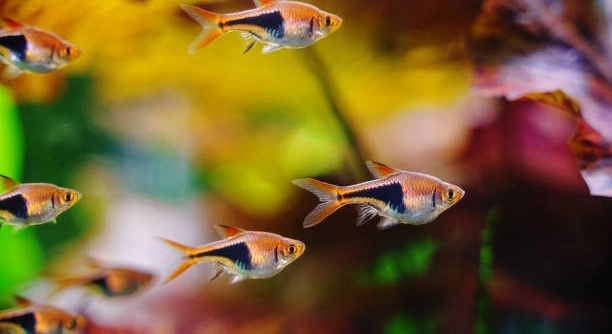
Do your rasboras seem hesitant around new tank mates, staying close to corners and avoiding interaction? It can be unsettling when your small, social fish suddenly act reserved or distant in their environment.
When rasboras avoid new tank mates, it often indicates stress or discomfort caused by unfamiliar fish. Introducing new species gradually, providing hiding spaces, and monitoring water conditions can help reduce tension and encourage acclimation.
Learning how to ease this transition is crucial for maintaining harmony in your tank and ensuring the well-being of your rasboras.
Understanding Rasbora Behavior Around New Tank Mates
Rasboras are naturally social and thrive in groups, but introducing new fish can trigger cautious behavior. They rely on established routines and familiar companions for security. Sudden changes in their environment, like adding unfamiliar tank mates, can cause them to hide or swim away from interactions. Observing their body language is key. Clamped fins, darting movements, or staying at the tank’s edges often signal unease. Proper acclimation involves gradually introducing new fish, allowing your rasboras to adjust without feeling threatened. Providing plants, rocks, or decorations offers safe spots for retreat, helping reduce stress. Monitoring water quality and maintaining stable conditions also supports their adaptation. Over time, with careful attention and patience, rasboras can learn to accept new companions, returning to their natural, active swimming patterns. Understanding these behavioral cues helps maintain a calm, balanced tank environment for all species.
Small adjustments, like rearranging tank decorations, can make rasboras feel more secure when new fish arrive.
Acclimation is not instantaneous. It may take several days for rasboras to accept new tank mates. Gradual exposure, consistent feeding schedules, and monitoring interactions are essential. Keeping the water clean and maintaining proper temperature reduces stress. Allowing your fish to explore hiding spots on their own encourages confidence. Avoid overcrowding the tank, as limited space increases tension. Observing patterns, such as preferred swimming areas and interactions with new fish, helps identify progress. Sometimes, temporary separation using a divider can ease the introduction. Over time, rasboras often regain their playful behavior, swimming in groups and engaging with companions. Patience and attention to subtle changes in behavior are key to a harmonious aquarium. By understanding their responses, you can create a safe, supportive environment for both established and new tank mates.
Strategies to Encourage Interaction
Gradual introduction and proper tank setup reduce avoidance behaviors in rasboras.
Using a slow, measured approach helps new tank mates coexist peacefully. Start by placing the newcomer in a separate container within the tank for several days. This allows visual and chemical acclimation without direct contact. Rearrange decorations to break familiar territory, helping reduce territorial behavior. Observe interactions carefully, and only remove the barrier once stress indicators subside. Providing multiple hiding spots and maintaining water quality ensures all fish feel secure. Avoid sudden changes or overfeeding, as these can exacerbate tension. Consistent monitoring and patience often lead to rasboras exploring and eventually swimming freely alongside new companions.
Long-term success depends on ongoing attention to tank conditions and fish behavior. Even after initial acceptance, rasboras may display temporary hesitation during feeding or when exploring new areas. Maintaining stable water parameters, such as temperature, pH, and cleanliness, is critical for reducing stress. Introducing multiple tank mates gradually instead of all at once prevents overwhelming the fish. Regular observation of social interactions helps detect early signs of aggression or discomfort. Rearranging decorations occasionally prevents the tank from becoming too predictable, encouraging exploration. Providing plants and hiding spaces offers security and fosters confidence. Over time, consistent care, environmental stability, and thoughtful introduction methods allow rasboras to adapt successfully, establishing a balanced and peaceful community within the aquarium.
Signs Your Rasboras Are Stressed
Rasboras may hide, swim frantically, or stay at the tank edges when stressed by new tank mates. Faded colors, clamped fins, or loss of appetite are additional signs indicating discomfort that should not be ignored.
Stress often occurs when tank conditions change too quickly or new fish are introduced abruptly. Rasboras rely on routine and familiarity, so sudden alterations in their environment can trigger defensive behaviors. Observing subtle signs like hesitation near feeding areas or reluctance to swim in open spaces helps identify stress early. Providing hiding spots and maintaining water quality can reduce anxiety.
Monitoring interactions among tank mates is important. Avoid overcrowding, as limited space can increase aggression and stress. Gradual introduction of new fish, proper acclimation, and careful observation encourage rasboras to regain confidence. Maintaining consistency in feeding and tank routines further supports their adjustment and overall well-being.
Practical Steps to Reduce Stress
Using dividers, rearranging decorations, and gradual introductions help rasboras adjust to new tank mates. Patience is essential during this process.
Introducing newcomers in small stages allows rasboras to observe without feeling threatened. Rearranging plants and hiding spots can reduce territorial behavior, providing security. Maintaining stable water conditions, including temperature, pH, and cleanliness, prevents additional stress. Regular monitoring of fish behavior ensures early detection of aggression or tension. Gradual exposure encourages interaction over time, helping rasboras feel safe.
Long-term strategies involve creating a consistent, predictable environment while offering enrichment. Providing plants, caves, and open swimming areas balances exploration with security. Monitoring feeding behavior, social interactions, and swimming patterns helps track progress. Avoiding overcrowding and keeping water parameters stable reduces recurring stress. Patience and careful observation enable rasboras to adjust naturally, restoring their active, social behavior. Over time, these methods foster harmony between established and new tank mates, ensuring a peaceful and balanced aquarium.
Choosing Compatible Tank Mates
Selecting peaceful, similarly sized fish reduces stress for rasboras. Avoid aggressive or overly large species that may intimidate or chase them.
Researching temperament and activity levels helps ensure harmony. Slow-moving, non-territorial fish are ideal companions for rasboras, promoting a calm tank environment.
Proper Acclimation Techniques
Float the new fish in their bag for 15-20 minutes to equalize temperature. Gradually mix small amounts of tank water every few minutes. This method minimizes shock and allows the newcomer to adjust safely.
Maintaining a Comfortable Environment
Plants, rocks, and hiding spots give rasboras security. Open swimming areas reduce tension and encourage natural behavior.
FAQ
Why are my rasboras avoiding new tank mates?
Rasboras are naturally cautious fish. When new tank mates are introduced suddenly, they may feel threatened or insecure. Avoidance is their way of coping with unfamiliar fish. Stress, overcrowding, or lack of hiding spots can also cause this behavior. Gradual introductions and providing secure areas help them adjust.
How long does it take for rasboras to accept new tank mates?
Adjustment time varies, usually between a few days to a couple of weeks. Factors include the number of new fish, tank size, and environmental stability. Gradual acclimation, proper hiding spots, and consistent feeding can shorten this period. Patience is key for smooth integration.
Can stress affect their health?
Yes. Stress weakens the immune system, making rasboras more prone to disease. Prolonged stress can reduce appetite, fade colors, and lead to lethargy. Maintaining water quality, stable temperature, and a calm environment is essential for their overall health.
Should I separate them if they keep hiding?
Temporary separation using a divider can reduce stress and allow observation of interactions. Ensure both sections have hiding spots and proper filtration. Remove the divider gradually once rasboras appear comfortable and show normal swimming behavior.
How can I make new tank mates less intimidating?
Introduce new fish slowly using a quarantine container or divider. Rearrange decorations to reduce territorial behavior. Provide multiple hiding spots and maintain calm lighting. Avoid sudden movements or loud noises near the tank, as these can increase anxiety.
Do rasboras eventually accept aggressive tank mates?
They may adapt if the aggression is mild, but persistent harassment can cause stress or injury. It is better to choose compatible, peaceful species. Monitor interactions closely, and be prepared to separate fish if aggression continues.
What role does tank size play?
Larger tanks provide more swimming space and hiding spots, reducing territorial disputes. Overcrowded tanks increase stress and avoidance behavior. A tank of adequate size helps rasboras establish social hierarchies and reduces tension when new fish are introduced.
Can diet help reduce stress?
A nutritious, balanced diet supports immune function and energy levels, helping fish cope with stress. Offer small, frequent feedings rather than large portions. Healthy rasboras are more likely to explore and interact with new tank mates confidently.
How often should I monitor behavior?
Daily observation is important, especially during the introduction of new fish. Watch for hiding, clamped fins, or changes in swimming patterns. Quick identification of stress or aggression allows timely adjustments to prevent long-term problems.
Is rearranging the tank beneficial?
Yes. Changing decorations and hiding spots helps break established territories, giving rasboras a fresh environment to explore. This encourages confidence and reduces tension, making it easier for them to accept new tank mates.
What signs show they are finally comfortable?
Rasboras that swim together in groups, explore the tank openly, and feed normally are adapting well. Bright colors, relaxed fins, and playful behavior indicate reduced stress and acceptance of new tank mates.
Can water quality affect acceptance?
Absolutely. Poor water conditions increase stress and aggressive behavior. Regular water changes, proper filtration, and stable temperature and pH levels are crucial. Clean water encourages natural behavior and smoother integration of new fish.
How do hiding spots help?
Plants, rocks, and caves provide security, reducing stress during the acclimation period. They allow rasboras to retreat when feeling threatened, gradually building confidence to explore the tank and interact with new fish.
Should I introduce multiple fish at once?
Introducing one or two new fish at a time is better. Sudden group additions can overwhelm rasboras, increasing stress and avoidance. Gradual introductions allow careful observation and smoother adaptation to new companions.
What if avoidance continues for weeks?
Persistent avoidance may indicate incompatibility, poor water conditions, or insufficient hiding spaces. Reassess tank mates, check water parameters, and provide more secure areas. In some cases, relocating certain fish may be necessary for the health and comfort of all inhabitants.
Can light and noise levels impact stress?
Yes. Bright lights or loud vibrations can make rasboras anxious and increase avoidance. Moderate lighting and minimal external disturbances create a calm environment, encouraging interaction and reducing fear of new tank mates.
Is it normal for rasboras to swim alone initially?
Yes. Temporary solitude is part of adjustment. Given time and a safe environment, they usually return to their natural schooling behavior. Forced interaction may increase stress, so allow them to explore at their own pace.
Do plants influence adaptation?
Dense planting helps shy rasboras feel secure, giving them places to hide and gradually observe new fish. It reduces confrontation, allowing natural behavior to return more quickly. A mix of open and planted areas balances exploration and safety.
Can temperature changes affect acceptance?
Sudden fluctuations in temperature stress fish, making them more likely to avoid newcomers. Keeping a stable, species-appropriate temperature supports immune function and promotes confident interaction with new tank mates.
Is patience really necessary?
Absolutely. Rasboras require time to adjust to new environments and companions. Gradual introductions, consistent care, and careful observation are essential for successful integration and long-term harmony in the tank.
This FAQ provides practical guidance for understanding, observing, and supporting rasboras during the introduction of new tank mates, helping ensure a calm, healthy aquarium environment.
Final Thoughts
Rasboras are delicate, social fish that thrive in calm and predictable environments. When new tank mates are introduced, it is natural for them to display cautious or avoiding behavior. This reaction is not unusual, as they rely on familiar routines and companions for a sense of security. Sudden changes in their surroundings, whether from new fish, rearranged decorations, or shifts in water conditions, can trigger stress. Recognizing these behaviors early, such as hiding, clamped fins, or reluctance to swim freely, is essential for addressing discomfort and preventing long-term health issues. Creating a supportive environment with plenty of hiding spots, stable water parameters, and minimal disturbances allows rasboras to adjust at their own pace. Over time, with careful observation and thoughtful care, they often regain confidence and resume normal, active schooling behavior.
Introducing new tank mates should always be approached gradually. Using dividers or quarantine containers allows rasboras to observe newcomers without direct contact, reducing the risk of intimidation or aggressive interactions. Rearranging plants and decorations can help disrupt established territories, giving all fish a neutral space to explore. Providing multiple hiding places and ensuring adequate swimming areas balances security and freedom, helping reduce tension. Water quality and temperature stability are also critical, as fluctuations can exacerbate stress and interfere with the adaptation process. Observing feeding patterns, swimming habits, and social interactions provides valuable insight into how well rasboras are adjusting. Patience is key; forcing interaction or overcrowding the tank can prolong stress and may even lead to health problems. Gradual, careful introduction, combined with a calm and consistent environment, encourages a smoother transition for both established fish and newcomers.
Long-term care and attention are essential for maintaining a harmonious aquarium. Even after rasboras appear comfortable, continued observation is important to ensure ongoing well-being. Maintaining regular feeding schedules, clean water, and stable environmental conditions supports both physical health and social balance. Providing enrichment through plants, caves, and open swimming areas allows natural behaviors to flourish, encouraging exploration and interaction. When new fish are added, introducing them in small numbers and monitoring their behavior helps prevent conflict and reduces stress. Understanding the subtle signs of discomfort and addressing them promptly ensures that rasboras remain healthy, active, and social. With thoughtful care, consistent monitoring, and a patient approach, rasboras can successfully coexist with new tank mates, creating a balanced and peaceful aquarium that supports the long-term health and happiness of all fish.

Hello,
If you enjoy the content that we create, please consider saying a "Thank You!" by leaving a tip.
Every little bit helps us continue crafting quality advice that supports the health, happiness, and well-being of pets around the world, for pets of all shapes, sizes, and species.
We really appreciate the kindness and support that you show us!