
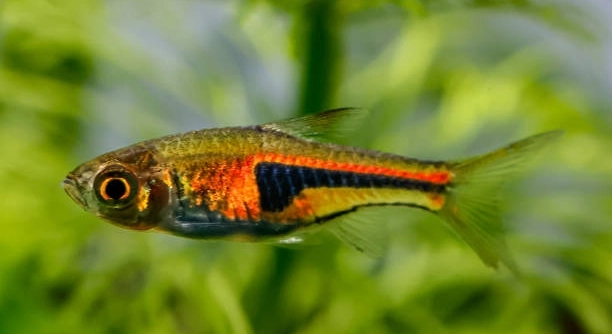
Do your rasboras often swim right up to the glass, moving back and forth as if chasing something unseen? Many aquarium owners notice this behavior and wonder what drives these small, vibrant fish to act this way.
Rasboras swimming against the glass is often a result of stress, reflections, or attempts to explore their environment. Limited space and unfamiliar surroundings can trigger repetitive movements, while their natural instinct may cause them to interact with perceived obstacles or companions.
Observing this behavior can reveal more about your fish’s environment and well-being, helping you create a healthier, more comfortable aquarium for them.
Common Reasons Rasboras Swim Against the Glass
Rasboras often swim against the glass due to reflections or stress caused by their environment. Bright lights, sudden movements, or changes in the tank can make them feel threatened, prompting them to move repeatedly along the walls. They may perceive their own reflection as another fish, leading to persistent interaction. Limited swimming space can also increase this behavior, as they try to explore every corner. Some fish may do this when water quality is not optimal, signaling that maintenance is needed. Feeding schedules and tank mates can influence how often they approach the glass. Observing when and how often they display this behavior can help identify the triggers. Gentle adjustments, like repositioning decorations or reducing reflections, can make a noticeable difference. Over time, consistent care and monitoring of their habitat will allow rasboras to feel more secure and reduce repetitive swimming patterns naturally, improving their overall comfort.
Stress and reflections are the main drivers, often signaling the need for better tank conditions or adjustments to lighting.
Monitoring their behavior closely and making gradual environmental changes can help rasboras feel safer. Proper spacing, hiding spots, and routine maintenance create a calmer tank, reducing repetitive swimming and promoting a healthier lifestyle for the fish.
How to Improve Tank Conditions
Providing enough swimming space is essential for rasboras’ well-being.
Ensuring the tank is spacious enough allows rasboras to swim freely without feeling confined. Adding plants and decorations gives them hiding spots and breaks up reflections, making the environment less intimidating. Regular water changes maintain clean conditions, preventing stress-related behaviors. Temperature stability and gentle filtration also contribute to comfort, reducing anxiety and repetitive movements. Observing their interactions with tank mates ensures compatibility, as aggressive or overly active fish can trigger unnecessary stress. Light intensity should be moderate to avoid startling them, and feeding routines must be consistent to prevent erratic behavior. Even small changes, like repositioning the tank or adding a background, can reduce the glass-swimming habit. Over time, these adjustments help rasboras feel secure, allowing them to display natural behaviors, socialize properly, and enjoy their habitat more fully, creating a peaceful and engaging aquarium environment.
Behavioral Patterns to Watch
Rasboras may swim against the glass when they are curious, stressed, or reacting to reflections. Tracking the frequency and timing of this behavior helps identify triggers and ensures the tank environment meets their needs.
Noticing patterns in their movements can reveal a lot about their comfort level. Some rasboras swim more when new decorations are added or when water conditions fluctuate. If they repeatedly target one area of the glass, it may indicate that they perceive a reflection or another fish nearby. Consistent observation allows for adjustments that reduce stress, such as rearranging the tank or adding hiding spots. Monitoring behavior over days or weeks provides insight into their overall well-being and helps maintain a balanced environment where they feel secure.
Behavioral changes can also signal health issues. Lethargy or erratic swimming paired with glass-chasing may point to illness or poor water quality. Keeping track of these signs ensures timely care and prevents long-term problems, helping rasboras thrive in a safe and comfortable habitat.
Tank Setup Tips
Providing varied decorations and hiding places encourages natural movement and reduces repetitive glass swimming.
Adding plants, rocks, or driftwood gives rasboras safe spaces to explore, helping them feel less confined. Proper spacing between items ensures swimming areas remain open, avoiding overcrowding and reducing stress. Backgrounds and non-reflective surfaces minimize confusion from reflections, creating a calmer atmosphere. Regular water testing and maintenance ensure healthy conditions, while consistent lighting and temperature keep the environment stable. Observing their interactions with tank mates and adjusting as needed prevents aggressive or fearful responses. Even small changes, like adding floating plants, can make the tank feel more secure. Well-planned layouts support natural schooling behavior, encourage exploration, and minimize repetitive swimming. Consistent care and attention allow rasboras to enjoy their habitat fully, promoting long-term health and activity in a stress-free environment.
Reflection and Lighting Effects
Rasboras often react to their own reflections in the glass, mistaking them for other fish. Bright lighting can make these reflections more noticeable, increasing repeated swimming behavior.
Reducing light intensity or repositioning the tank can minimize reflections. Adding a background or darker decorations helps break up mirrored images, calming the fish and encouraging more natural movement.
Importance of Water Quality
Maintaining clean water is essential to prevent stress-related behaviors. Poor water quality can lead to discomfort, illness, and repetitive swimming patterns, affecting overall health and activity levels. Regular testing and timely water changes ensure a stable and safe environment for rasboras to thrive.
Social Behavior
Rasboras are schooling fish that feel safer in groups. Keeping them in proper numbers promotes natural behavior and reduces stress-driven swimming along the glass.
FAQ
Why do my rasboras keep swimming against the glass?
Rasboras may swim against the glass due to stress, reflections, or limited space. Bright lights or sudden movements can startle them. They may also mistake their own reflection for another fish, causing repetitive interaction. Ensuring proper tank size, hiding spots, and calm lighting can reduce this behavior.
Is it harmful for rasboras to swim against the glass?
Occasional swimming against the glass is usually harmless. However, constant or aggressive behavior can indicate stress or poor tank conditions. Over time, repeated collisions with the glass may injure delicate fins or scales, so monitoring their behavior and adjusting the environment is important.
How many rasboras should I keep together?
Rasboras are schooling fish and feel most comfortable in groups of six or more. Smaller groups can increase stress and lead to abnormal behaviors like glass swimming. A proper school allows them to display natural social interactions, improving overall well-being and reducing repetitive swimming.
Can reflections in the glass cause stress?
Yes, reflections can trick rasboras into thinking other fish are present, leading to repeated swimming or aggression. Adding a background or using darker tank decorations can minimize reflections. Adjusting lighting and tank placement away from windows also helps create a calmer environment.
Does water quality affect this behavior?
Absolutely. Poor water conditions can make rasboras uncomfortable and trigger stress-related behaviors. Ammonia, nitrite, or nitrate buildup, incorrect pH, and unstable temperatures can all contribute. Regular water testing, partial water changes, and proper filtration help maintain a stable environment.
Will rearranging the tank help reduce glass swimming?
Reorganizing decorations and adding plants or hiding spots can break up reflections and provide areas for exploration. Open swimming spaces combined with secure hiding places make the tank feel more natural. Gradual adjustments prevent additional stress, helping rasboras feel safer and more comfortable.
Do tank mates influence glass swimming?
Yes, interactions with other fish can affect behavior. Aggressive or overly active tank mates may increase stress, causing rasboras to swim against the glass. Choosing peaceful companions and ensuring enough space for everyone reduces tension and promotes natural schooling behavior.
How often should I observe my rasboras?
Regular observation helps identify patterns or triggers for glass swimming. Watching them for short periods daily allows you to notice changes in behavior, feeding habits, and social interactions. Early detection of stress or health issues ensures timely action.
Can diet affect their activity?
A balanced diet supports healthy energy levels and behavior. Poor nutrition or irregular feeding can make rasboras restless or stressed. Providing high-quality flake, frozen, or live foods in small, consistent portions helps maintain natural activity and reduces abnormal swimming patterns.
Should I worry if only one fish swims against the glass?
Individual differences exist, but a single fish exhibiting this behavior might feel stressed, isolated, or unwell. Observe for other signs of discomfort or illness and adjust the environment or care routine accordingly. Ensuring proper schooling and habitat conditions often resolves individual glass swimming.
How long does it take for them to stop glass swimming?
Behavioral changes depend on the cause. Adjusting reflections, lighting, tank layout, water quality, and social conditions may reduce the behavior within days or weeks. Consistent care, observation, and gradual improvements are key to helping rasboras feel secure and display natural swimming patterns.
Are some rasbora species more prone to this behavior?
Some species, like Harlequin rasboras, may be more reactive to reflections and tank stress. Individual temperament also plays a role. Providing appropriate schooling, environmental enrichment, and stable conditions helps minimize glass-swimming tendencies regardless of species.
Can stress from sudden changes trigger this behavior?
Yes, moving decorations, changing tank water, or altering lighting too quickly can cause temporary stress. Rasboras respond by swimming against the glass or displaying erratic movements. Making changes gradually allows them to adjust without triggering repetitive behaviors.
What else can I do to reduce stress?
Maintain stable water parameters, provide proper schooling, and create a balanced layout with hiding spots and open swimming areas. Avoid overcrowding and ensure compatible tank mates. Consistent feeding and moderate lighting also contribute to a calm and healthy environment for rasboras.
Will they ever stop completely?
In many cases, rasboras reduce glass swimming when their environment meets their needs. Some individuals may continue occasionally due to natural curiosity. Observing behavior and maintaining optimal conditions ensures it does not indicate ongoing stress or health issues.
Rasboras swimming against the glass is a common behavior that can have several explanations. It is often caused by reflections, stress, or environmental factors in the tank. While this behavior may seem concerning at first, understanding the reasons behind it helps in creating a safer and more comfortable space for your fish. By observing the conditions in the aquarium, including lighting, decorations, and tank size, you can identify triggers that lead to repetitive swimming. Sometimes, minor adjustments like repositioning the tank or reducing bright light reflections can make a noticeable difference. These small changes help rasboras feel more secure and reduce behaviors that indicate stress or discomfort, supporting their natural instincts and overall well-being.
Maintaining optimal water quality is another important factor that impacts behavior. Poor water conditions can make rasboras feel uneasy, leading to repetitive movements along the glass. Regular testing for ammonia, nitrite, nitrate, and pH ensures the water is safe and stable. Consistent partial water changes, combined with proper filtration, provide a clean environment that allows fish to swim naturally. Temperature stability also plays a role, as sudden fluctuations can cause stress and abnormal swimming patterns. By keeping a close eye on water conditions, you can prevent unnecessary stress and create a stable habitat that encourages healthy behavior. Providing hiding spots and decorations that break up reflections further enhances their comfort, making the tank feel more secure and natural.
Social dynamics also influence how rasboras behave in an aquarium. These fish are schooling animals, and they rely on the presence of others for security. Keeping them in proper group sizes allows them to display natural behaviors, reduces stress, and lowers the likelihood of swimming against the glass. Observing interactions between tank mates ensures that there is no aggression or overcrowding, which could increase anxiety and trigger repetitive movements. In combination with proper tank setup, consistent feeding, and careful observation, these practices help rasboras feel safe and content. Over time, creating a stable, enriched, and thoughtfully arranged aquarium allows them to enjoy their environment fully, promoting healthy activity, reducing stress, and allowing natural schooling and exploration behaviors to thrive.

Hello,
If you enjoy the content that we create, please consider saying a "Thank You!" by leaving a tip.
Every little bit helps us continue crafting quality advice that supports the health, happiness, and well-being of pets around the world, for pets of all shapes, sizes, and species.
We really appreciate the kindness and support that you show us!