
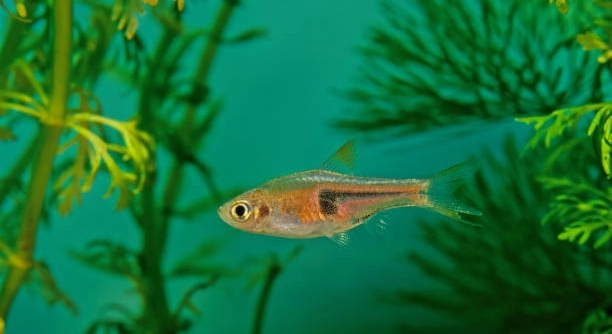
Rasboras are small, peaceful fish that bring color and life to home aquariums. Many owners enjoy watching their lively movements and how they interact in groups, making them a popular choice for freshwater tanks.
Rasboras prefer gentle, consistent water flow created by filters that do not produce strong currents. Low to medium flow ensures proper oxygenation while maintaining calm areas where they can swim naturally and display normal social behaviors.
Knowing the right filter settings can greatly improve your rasboras’ health and activity levels, helping them thrive in a comfortable and balanced environment.
Ideal Flow Rate for Rasboras
A moderate flow rate is best for rasboras. They are small fish, so strong currents can tire them out or stress them. In most home aquariums, a filter that turns over the tank water two to three times per hour is sufficient. Gentle movement of water helps oxygen circulate while keeping waste particles suspended for filtration. Rasboras naturally swim in small schools, and a calmer current allows them to maintain their group formation. Too much flow can make it difficult for them to swim together and may push them into corners or decorations, causing stress. Adjusting the flow is simple with most filters, either through valves or flow control settings. Using a sponge or baffle can also soften the output. Observation is key—watch how the fish respond to the flow. If they struggle to swim or hide constantly, reduce the current. Proper flow encourages healthy activity without causing exhaustion or stress in the tank.
Moderate flow keeps rasboras active and comfortable while preventing excessive stress from strong water currents that disrupt their swimming patterns.
Maintaining the right flow rate helps mimic their natural habitat, where water is neither stagnant nor too forceful. This balance encourages healthy behavior, social interaction, and proper feeding. Overly strong currents can interfere with their schooling, making it harder for them to navigate the tank. Too weak a flow can allow debris to settle, affecting water quality. The right flow also assists in even heat and nutrient distribution. Using simple tools like adjustable valves, sponge filters, or flow baffles makes it easier to customize the current. Regularly checking the tank’s response to adjustments ensures rasboras stay comfortable. Small changes can make a noticeable difference, helping fish display their natural colors and movements. A properly regulated flow supports their immune system, reduces stress, and promotes longer life spans. Paying attention to these details ensures a stable and healthy environment where rasboras can thrive, swim freely, and maintain their vibrant activity levels.
Filter Type Recommendations
Sponge filters and gentle hang-on-back filters are preferred for rasboras. They produce minimal turbulence while keeping the water clean and oxygenated.
Sponge filters provide a soft flow and excellent biological filtration, ideal for small schooling fish. Hang-on-back filters with adjustable output allow fine-tuning to suit the tank’s needs. These filter types prevent strong currents that could stress rasboras while ensuring waste is efficiently removed. When setting up either type, ensure the water movement is not directed straight at swimming areas. Covering the output with decorations or a small baffle can further soften the flow. Sponge filters are quiet, easy to maintain, and create a safe environment for fry or smaller fish. Regular cleaning without disturbing the tank too much maintains water quality. Hang-on-back filters also allow for chemical and mechanical filtration additions, helping maintain clarity and balance. Choosing the correct filter type provides a stable, comfortable environment that encourages healthy activity, coloration, and long-term well-being. Proper filtration directly impacts the overall health of rasboras, supporting their natural behavior and preventing stress-related problems.
Filter Placement in the Tank
Placing the filter near the back or corner of the tank minimizes strong currents in open swimming areas. Rasboras prefer calm zones where they can swim freely without being pushed by water flow. Proper placement balances circulation and comfort.
Positioning the filter strategically ensures even water movement while protecting rasboras from excessive current. Corners and sides reduce direct flow into the main swimming area, allowing the fish to maintain schooling patterns naturally. Avoid pointing the output straight at decorations or plants where rasboras spend most of their time. Adjusting the height or angle of the filter outlet can soften turbulence and improve oxygen distribution. Placement also affects debris removal, helping the tank stay cleaner. Watching the fish’s behavior after setup helps determine if adjustments are needed. Small tweaks in position can greatly improve comfort and activity levels, creating a more natural environment.
Regularly observing how rasboras interact with currents near the filter is essential. If they constantly fight the flow or hide behind decorations, repositioning the filter or adding baffles can improve their comfort. Ensuring calm swimming zones encourages healthy schooling and reduces stress-related behaviors. Proper placement also helps maintain consistent water temperature and oxygenation throughout the tank.
Maintaining Filter Cleanliness
A clean filter supports stable water quality, preventing harmful buildup that can affect fish health. Regular maintenance keeps water clear and oxygen levels steady.
Filters should be cleaned on a regular schedule without disrupting beneficial bacteria. Sponge filters can be rinsed in tank water during water changes to avoid killing microorganisms, while hang-on-back filters may need cartridge or media replacement. Avoid using tap water with chlorine for cleaning, as it can harm the biological filtration. Monitoring the filter’s performance helps identify blockages or reduced flow early. Proper maintenance ensures rasboras remain healthy and active, reduces stress, and prevents water quality issues.
Keeping the filter clean also prevents debris from circulating back into the tank. Accumulated waste can lower oxygen levels and release toxins, impacting fish health. By gently cleaning media and checking for clogs, you maintain a balanced environment without disturbing the tank too much. A well-maintained filter promotes stable chemical parameters, helping rasboras thrive and display natural behaviors. Consistent cleaning schedules make long-term care easier and support vibrant, healthy fish.
Flow Adjustment Techniques
Adjusting flow with valves or sponge covers softens water output, creating a calm swimming environment. Rasboras swim better without battling strong currents, promoting natural behavior and comfort.
Using baffles or redirecting filter output prevents water from hitting open swimming areas directly. Gentle flow encourages schooling, reduces stress, and keeps debris moving toward the filter efficiently.
Monitoring Water Movement
Observing how rasboras react to currents helps maintain ideal tank conditions. Adjust flow until they swim comfortably without struggling or hiding.
Regular checks ensure the water movement supports proper oxygenation and healthy activity levels. Minor tweaks to filter output can make a significant difference in fish behavior, keeping the environment balanced and stress-free.
Filter Noise Considerations
Filters that operate quietly reduce stress for rasboras. Loud or vibrating equipment can startle fish and disrupt normal swimming patterns.
Choosing low-noise models or adding sponge covers can significantly lower sound levels. Ensuring the filter runs smoothly while remaining quiet promotes a calm tank environment and supports the overall well-being of the fish.
FAQ
How often should I clean my rasboras’ filter?
Cleaning depends on the filter type and tank size. Sponge filters usually need rinsing every two to four weeks in tank water to preserve beneficial bacteria. Hang-on-back filters may need cartridge or media replacement every few weeks. Observing water clarity and flow helps decide the schedule.
Can I use a strong filter if I lower the flow?
Yes, stronger filters can work if the output is softened. Use adjustable valves, sponge covers, or baffles to reduce direct current. This allows for proper filtration without stressing rasboras, giving them calm swimming zones while maintaining clean water.
What type of filter media is best for rasboras?
Biological media is essential for maintaining beneficial bacteria. Mechanical media removes debris, while chemical media helps control odors and toxins. A combination ensures water remains clean and safe. Sponge filters naturally provide both mechanical and biological filtration, which suits small schools of rasboras.
Is it okay to have multiple filters in a small tank?
Multiple filters can improve water quality but may create too strong a current if not adjusted carefully. Positioning them on opposite sides or using baffles helps balance flow. Monitoring the fish’s behavior is key to ensuring they remain comfortable.
Will filter placement affect my rasboras’ behavior?
Yes. Placing the filter near open swimming areas can stress fish. Positioning it in a corner or behind decorations reduces direct current, allowing rasboras to swim freely and maintain normal schooling behavior without hiding or fighting the flow.
Can I use a heater with my filter setup?
Heaters work well with properly positioned filters. Ensure the heater and filter output don’t create strong localized currents. Even water circulation from the filter helps distribute heat, maintaining a stable temperature that supports rasboras’ health and activity levels.
How do I know if my filter flow is too strong?
If rasboras struggle to swim, constantly hide, or get pushed against decorations, the flow is too strong. Softening the current with a sponge, baffle, or adjusting the output can make the tank comfortable while keeping water clean and oxygenated.
Are sponge filters noisy?
Sponge filters are generally quiet. Occasional bubbles or mild vibration is normal, but loud sounds may indicate improper installation or air pump issues. Ensuring proper assembly and soft tubing reduces noise and prevents stress for the fish.
Can filter maintenance affect water parameters?
Yes. Using tap water with chlorine can kill beneficial bacteria. Rinsing media in tank water during cleaning preserves bacteria, maintaining stable nitrogen levels and preventing spikes in ammonia or nitrites that could harm rasboras.
How do I balance filtration and aesthetics in the tank?
Filters can be hidden with plants or decorations without affecting performance. Positioning outputs carefully ensures water flows naturally while maintaining a visually appealing aquarium. Softened currents keep rasboras active and healthy while blending equipment into the environment.
Is it necessary to adjust filter settings as rasboras grow?
Yes. As schools grow, more filtration may be needed, but flow must remain gentle. Observing behavior and water clarity ensures adjustments meet the fish’s needs without causing stress or creating strong currents that disrupt schooling.
Can I rely on just one filter for a community tank with rasboras?
One well-chosen filter can work if properly sized and adjusted for gentle flow. Multiple species may require additional filtration or careful placement to ensure all fish experience calm swimming zones without sacrificing water quality.
Do filter upgrades improve rasboras’ health?
Upgrades can help if they provide better oxygenation, consistent water flow, or improved filtration. Softening output and maintaining cleanliness reduces stress, encourages natural behavior, and supports vibrant coloration and long-term health.
Are there signs my filter is failing?
Decreased flow, unusual noises, cloudy water, or stressed fish indicate problems. Promptly addressing these issues by cleaning, repairing, or replacing parts ensures rasboras remain healthy and the tank environment stays stable.
Can I use chemical additives with my filter?
Chemical additives can be used carefully in hang-on-back filters but are usually unnecessary in sponge filters. Avoid overdosing, as excess chemicals may stress rasboras. Biological filtration often maintains water quality without chemical intervention, keeping conditions safe and stable.
How do I ensure even water movement throughout the tank?
Adjust filter output direction, use baffles, and monitor fish behavior. Proper placement ensures oxygen and heat circulate evenly, prevents dead zones, and allows rasboras to swim freely while maintaining a clean, balanced tank environment.
Is a high-capacity filter better for a large group of rasboras?
Yes, higher capacity filters handle more waste, but flow must remain gentle. Softening output with valves or sponge covers prevents stress while ensuring water remains clean, supporting larger schools’ health and activity.
Can filter bubbles stress rasboras?
Excessive bubbles can be stressful if they create strong currents. Moderate aeration improves oxygenation, but adjusting air flow or using a sponge cover reduces disturbance while maintaining healthy water conditions.
Should I turn off the filter during tank cleaning?
Temporarily turning off the filter is fine during partial cleaning but avoid extended shutdowns. Beneficial bacteria continue processing waste when the filter runs, maintaining water stability and supporting rasboras’ health.
Do different rasbora species require different filter settings?
Most small rasboras prefer gentle, moderate flow, but some species may tolerate slightly stronger currents. Observe behavior and adjust flow accordingly to ensure comfort while maintaining efficient filtration.
How can I tell if my filter supports proper oxygen levels?
Active, healthy rasboras swimming normally indicate sufficient oxygenation. Adding a gentle air stone or adjusting output direction can improve circulation if needed, keeping oxygen levels stable and supporting fish well-being.
Can I use DIY filters for rasboras?
DIY filters work if flow is gentle and water is properly circulated. Sponge-based setups are simple and effective. Ensure construction does not create strong currents or uneven filtration that could stress the fish.
What is the best maintenance routine for rasbora filters?
Rinse sponge media in tank water every two to four weeks, replace cartridges as needed, and check flow monthly. Observe fish behavior to ensure comfort while maintaining water clarity and oxygen levels for optimal health.
How important is filter consistency for rasboras?
Consistency is vital. Sudden changes in flow or filtration can stress fish, disrupt schooling, and affect water quality. Keeping the filter running steadily ensures a stable environment, promoting natural behavior and long-term health.
Can filters remove harmful toxins completely?
Filters handle mechanical and biological waste effectively, but some toxins may persist. Combining filtration with regular water changes ensures water remains safe, reducing stress and supporting healthy rasboras.
How do I prevent filter-related accidents?
Secure all equipment, cover intake areas to prevent fish suction, and monitor output to avoid strong currents. Regular inspection ensures safety, protecting rasboras from harm while maintaining proper filtration.
Is filter noise more stressful than water flow?
Both can affect fish, but loud, irregular noise often triggers more stress than gentle flow. Reducing vibration and sound promotes calm swimming and encourages natural behavior for rasboras in the tank.
How can I optimize filtration for small tanks?
Use sponge filters or low-flow hang-on-back models to prevent strong currents. Position filters strategically, clean regularly, and adjust output to maintain even circulation without stressing rasboras or disrupting schooling patterns.
Are chemical filtration media necessary for rasboras?
Not always. Biological and mechanical filtration usually maintain clean water. Chemical media can help control odors or toxins but should be used sparingly to avoid altering water chemistry that rasboras rely on for stability.
Can filter placement improve tank aesthetics?
Yes, placing filters in corners or behind plants keeps equipment discreet. Proper placement softens flow in swimming areas, maintaining both visual appeal and a comfortable environment for rasboras without sacrificing water quality.
Do filters need adjustment after water changes?
Minor adjustments can help maintain gentle flow. Removing or replacing media may change output strength, so checking fish behavior ensures currents remain comfortable and oxygen distribution stays even throughout the tank.
Can over-filtration harm rasboras?
Excessive flow can stress fish, making them hide or struggle to swim. Balancing filtration capacity with gentle currents supports health, natural behavior, and schooling patterns without sacrificing water cleanliness.
How do I maintain filter efficiency long-term?
Rinse sponge media in tank water, replace worn cartridges, and monitor flow regularly. Avoid harsh cleaning methods that kill beneficial bacteria, ensuring consistent performance and a healthy environment for rasboras to thrive.
Final Thoughts
Maintaining proper filter settings for rasboras is essential for their health and comfort. These small fish are sensitive to strong currents, so it is important to provide gentle, consistent water flow. Filters not only help keep the tank clean but also ensure oxygen is distributed evenly, creating a stable environment. Choosing the right type of filter, whether a sponge filter or a hang-on-back model, can make a noticeable difference. Sponge filters are especially effective because they provide biological filtration while producing soft water movement, which is ideal for small schools of rasboras. Hang-on-back filters are also useful when equipped with adjustable outputs, allowing fine control over water flow to prevent stress. Proper placement of the filter matters just as much as the type. Placing the filter in a corner or behind decorations reduces direct currents in open swimming areas, letting the fish move freely and maintain their natural schooling behavior. Using baffles or sponge covers can further soften water flow if needed. Observing how the fish react to these adjustments ensures that the tank environment remains comfortable, supporting healthy activity levels and vibrant coloration.
Regular maintenance of the filter is another key factor in keeping rasboras healthy. Over time, filters collect debris and organic waste, which can reduce water quality if not cleaned. Sponge filters should be rinsed in tank water during water changes to preserve beneficial bacteria, while cartridges in hang-on-back filters may need to be replaced periodically. It is important to avoid using tap water with chlorine when cleaning filter media, as this can kill the bacteria responsible for processing waste. Keeping the filter clean ensures proper mechanical and biological filtration, preventing spikes in ammonia or nitrite that could harm the fish. Monitoring the filter for reduced flow, unusual noises, or visible blockages allows early detection of problems. Consistently maintaining the filter also supports stable water temperature and oxygen levels, which are crucial for the overall well-being of rasboras. Small, routine maintenance tasks go a long way in creating a balanced aquarium where fish can thrive.
Understanding the needs of rasboras and adjusting filter settings accordingly can make a significant difference in their quality of life. Gentle water movement, proper filter placement, and consistent cleaning work together to create a safe and comfortable environment. These steps not only prevent stress but also encourage natural behavior, including schooling, swimming actively, and interacting within the tank. Over time, the right setup allows rasboras to display their natural colors and maintain long-term health. Paying attention to small details, such as flow rate, filter type, and water circulation, ensures the tank remains stable and enjoyable for both the fish and the caretaker. By prioritizing these factors, a rasbora aquarium can remain a lively and peaceful space where the fish feel secure. With consistent care, observation, and small adjustments, rasboras can thrive in captivity, offering both visual appeal and a satisfying fish-keeping experience.

Hello,
If you enjoy the content that we create, please consider saying a "Thank You!" by leaving a tip.
Every little bit helps us continue crafting quality advice that supports the health, happiness, and well-being of pets around the world, for pets of all shapes, sizes, and species.
We really appreciate the kindness and support that you show us!