
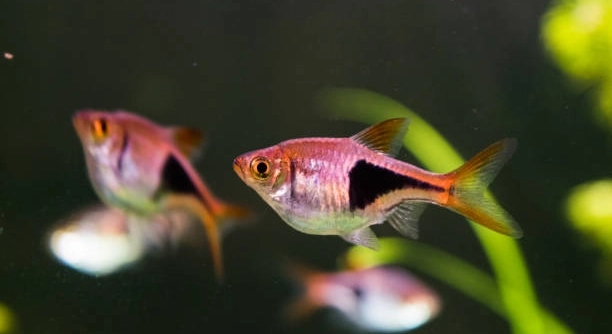
Many aquarium owners enjoy watching their rasboras swim gracefully around the tank. Sometimes, these small fish spend more time hovering under plants than moving freely, which can catch an observer’s attention and raise concerns about their well-being.
Rasboras often hover under plants due to stress, poor water quality, or the need for security. Dense plant cover provides shelter, reduces exposure to strong currents, and allows fish to rest while feeling protected from potential threats.
Understanding why your rasbora prefers shaded areas can help maintain a healthy tank and improve its overall comfort and behavior.
Common Reasons Rasboras Stay Under Plants
Many rasboras spend time under plants for comfort and safety. In a new tank, they often feel insecure and hide until they adjust. Poor water quality, sudden temperature changes, or strong currents can make them seek shelter. Dense plant areas give them a sense of protection and calm. Stress from other tank mates or overcrowding can also cause hiding behavior. Even subtle changes like moving decorations or adding new fish may make rasboras retreat. Plants not only offer a hiding spot but also create shaded areas where light is less intense, which can be soothing. Some rasboras naturally prefer the lower parts of the tank, hovering near leaves and stems. Observing their behavior and noticing patterns helps determine if their hiding is temporary or a sign of a larger problem. Providing stable conditions often encourages them to explore more openly.
Monitoring your fish closely helps identify early signs of stress or illness before it worsens.
Creating a healthy environment with gentle water flow and clean water reduces stress. Regular water testing ensures parameters like pH, temperature, and ammonia levels remain safe. Using live plants instead of artificial ones gives natural hiding spots and enriches oxygen levels. Feeding small portions multiple times a day keeps fish active and healthy. Avoid sudden changes, as rasboras are sensitive to disturbances. Introducing new fish gradually allows them to adjust without feeling threatened. Observing their swimming patterns, color, and appetite can reveal underlying health concerns. A well-planted tank not only meets their instinctual needs but also encourages natural behavior, promoting activity and social interaction. Providing shaded areas and secure spots can make rasboras more confident, gradually reducing hiding. Consistency in maintenance and environment helps them thrive and enjoy the tank space fully.
Water Quality and Tank Conditions
Poor water quality can make rasboras stay under plants more often. High ammonia, nitrite, or sudden pH changes stress them quickly.
Stable water conditions are key for healthy rasboras. Clean water, correct temperature, and gentle filtration prevent hiding. Overcrowding, strong currents, and improper lighting can also cause them to stay near plants for comfort. Live plants help by absorbing toxins and offering shaded areas, making the tank more comfortable. Feeding balanced diets and avoiding overfeeding improves water conditions and reduces stress. Regular observation ensures early detection of health issues. Adjusting tank setup gradually allows rasboras to explore more freely without feeling threatened. Combining clean water, proper lighting, and enough hiding spaces encourages natural behavior and activity. Proper care and attention to the environment lead to happier, more active fish that interact with their surroundings instead of hiding continuously.
Diet and Feeding Habits
Rasboras may stay under plants if they are not getting enough food or if feeding times are irregular. Proper portion sizes and consistent feeding encourage them to swim more freely throughout the tank.
A balanced diet is important for rasboras’ health and activity. They thrive on a mix of high-quality flakes, small pellets, and occasional live or frozen foods like brine shrimp or daphnia. Feeding small amounts multiple times a day prevents overeating and keeps water quality stable. Uneaten food can decay, creating toxins that make fish retreat to shaded areas. Observing how quickly they eat and adjusting portions ensures they get enough nutrition without harming the tank environment. Feeding near open areas may encourage exploration and reduce constant hiding.
Some rasboras may show selective eating habits, preferring certain foods over others. Offering variety keeps them interested in swimming to different parts of the tank. Hiding behavior often decreases when they feel secure and have access to food consistently. Maintaining a regular feeding schedule and removing leftover food prevents water contamination. Ensuring proper nutrition strengthens their immune system, enhances coloration, and promotes activity. Plants can still serve as resting spots, but well-fed rasboras are more likely to venture into open areas. Proper feeding creates a routine that balances safety and exploration, keeping them healthy and active.
Tank Mates and Social Behavior
Rasboras are social fish that feel safer in groups, and aggression from other tank mates can push them under plants. Observing interactions helps identify stress sources.
Keeping rasboras in small schools of at least six reduces anxiety and encourages natural schooling behavior. Aggressive or larger fish can intimidate them, making dense plant areas a refuge. Choosing peaceful community fish minimizes competition and territorial disputes. Monitoring tank dynamics regularly ensures all fish coexist comfortably. Hiding is a natural response to stress, but the right social environment can reduce excessive retreating.
Introducing new fish gradually prevents sudden stress that drives rasboras to remain hidden. Social hierarchy impacts their movement; shy fish will naturally retreat under foliage when dominant fish are present. Providing multiple hiding spots and open swimming areas balances security and freedom. Observing how they interact within their school helps gauge comfort levels and tank harmony. Adjusting stocking density, separating aggressive fish, or adding more plants improves overall behavior. A supportive social environment allows rasboras to explore confidently while still having safe spaces to rest when needed.
Lighting and Plant Coverage
Bright or harsh lighting can make rasboras feel exposed, so they often hide under plants. Soft, diffused lighting encourages them to swim more openly while still feeling secure.
Dense plant coverage provides shaded areas and breaks up open spaces. This balance helps rasboras feel comfortable without staying hidden constantly.
Temperature and Water Stability
Rasboras are sensitive to sudden temperature changes. Consistent water temperature between 74°F and 79°F supports normal activity and reduces stress. Fluctuations can make them retreat under plants for safety. Maintaining stable conditions with a reliable heater and thermometer helps prevent hiding behavior and keeps the fish healthy.
Signs of Illness
Hiding can indicate illness if combined with lethargy or loss of appetite. Observing behavior closely helps identify potential health problems early.
FAQ
Why is my rasbora hiding under plants all the time?
Rasboras often hide under plants when they feel stressed or unsafe. Stress can come from poor water quality, sudden temperature changes, aggressive tank mates, or overcrowding. Dense plants give them a sense of security and allow them to rest in a shaded, protected area.
Is it normal for rasboras to stay near plants?
Yes, it is normal for rasboras to spend time near plants. They are small, delicate fish that naturally seek shelter. Even in a well-maintained tank, they may hover under foliage for comfort, especially if they are young, shy, or new to the aquarium.
Can poor water quality make rasboras hide?
Absolutely. High levels of ammonia, nitrites, or sudden pH changes create stress and discomfort. Rasboras retreat under plants to escape harsh conditions. Regular water tests, partial water changes, and proper filtration are essential to maintain stable water quality.
Does lighting affect rasbora behavior?
Yes, bright or harsh lighting can make rasboras feel exposed. Soft or diffused lighting reduces stress and encourages swimming in open areas. Plants also help by providing shaded spots, allowing fish to balance activity and security.
Do rasboras need hiding spots to feel safe?
They do. Hiding spots help rasboras feel secure and reduce anxiety. Live or artificial plants, caves, or decorations provide shaded areas for resting and recovery, helping them thrive in a tank environment.
How does diet impact their behavior?
A poor or inconsistent diet can make rasboras less active. Feeding small portions several times a day, with a mix of flakes, pellets, and occasional live or frozen foods, encourages natural swimming and reduces constant hiding under plants.
Can tank mates cause hiding behavior?
Yes, aggressive or larger fish can intimidate rasboras. Keeping them in small schools and choosing peaceful tank mates reduces stress. Dense plants and multiple hiding spots allow them to feel secure without excessive retreating.
What temperature is best for rasboras?
Stable water temperature between 74°F and 79°F supports normal activity. Sudden fluctuations can stress them, causing hiding. Using a reliable heater and thermometer helps maintain a consistent environment, promoting confident swimming.
How long will rasboras stay under plants when stressed?
It varies. Some may adjust in a few days, while others take weeks to feel secure. Ensuring proper water conditions, suitable tank mates, and enough hiding spots helps shorten this period and encourages normal behavior.
Are there signs that hiding indicates illness?
Yes. If hiding is combined with lethargy, loss of appetite, faded coloration, or abnormal swimming, it may indicate illness. Early detection and proper care, including water quality checks and observation of symptoms, are important for their health.
Will adding more plants help reduce hiding?
Adding plants can help but should be balanced with open swimming areas. Too many plants may make the tank feel cramped. A mix of dense plant clusters and open spaces encourages exploration while still offering security.
How can I encourage rasboras to swim in open areas?
Providing gentle water flow, regular feeding, and soft lighting encourages movement. Ensuring peaceful tank mates and balanced plant coverage helps rasboras feel safe while exploring the tank. Over time, they will gradually spend more time away from hiding spots.
Can stress from handling affect hiding behavior?
Yes, frequent or rough handling can make rasboras hide. Minimizing disturbances, especially during water changes or maintenance, reduces stress and helps fish maintain regular activity levels.
Is schooling important for rasboras?
Very important. Rasboras feel safer in groups of at least six. Schooling provides security and confidence, reducing excessive hiding under plants. Observing their group behavior helps determine if they feel comfortable in the tank environment.
Do rasboras ever hide for no reason?
Even in a healthy tank, rasboras may hide occasionally. Shy or naturally cautious individuals use plants as resting spots or protection. This behavior is usually temporary if water conditions and social environment are suitable.
How often should I check on hiding behavior?
Regular observation is key. Daily checks help identify changes in behavior, health issues, or environmental stressors. Noticing subtle patterns allows timely adjustments, ensuring rasboras stay healthy and active in their tank.
Can sudden changes in tank setup cause hiding?
Yes. Rearranging decorations, adding new fish, or changing lighting can make rasboras retreat temporarily. Gradual changes and allowing time to adjust prevent long-term stress and excessive hiding.
What is the best combination of factors to reduce hiding?
Stable water quality, gentle lighting, balanced plant coverage, peaceful tank mates, consistent feeding, proper temperature, and schooling all work together. Attention to these details ensures rasboras feel secure while exploring and enjoying the tank space naturally.
How do I know when my rasboras are comfortable?
Comfortable rasboras swim openly, eat regularly, display bright coloration, and interact with other fish. Hiding decreases gradually as they feel safe, but occasional use of plants as resting spots is normal. Regular observation ensures continued health and contentment.
Rasboras are small, delicate fish that naturally seek shelter in a tank. Spending time under plants is normal behavior for them, especially when they feel unsure about their surroundings. Dense plant coverage gives them a sense of safety and a place to rest. They are more likely to hide if the tank is new, water conditions are unstable, or if there are aggressive tank mates. Providing enough plants and shaded areas helps them feel secure while still allowing space to swim and explore. Observing their behavior regularly makes it easier to understand what makes them comfortable and when they might be stressed. Over time, rasboras often adjust to their environment and begin swimming more openly once they feel confident and safe in their tank.
Maintaining a stable and healthy tank environment is key to encouraging natural behavior. Consistent water temperature, clean water, and proper filtration reduce stress and support overall health. Feeding small, balanced portions several times a day keeps them active and prevents hiding caused by hunger or water contamination. Tank mates also play an important role, as peaceful fish in appropriate numbers make rasboras feel secure. Schooling behavior is natural for these fish, and keeping them in small groups increases confidence and reduces excessive retreating. Lighting that is soft and diffused, rather than harsh or overly bright, combined with ample hiding spots, creates a balanced environment where they can swim and rest comfortably.
Even when rasboras spend time under plants, it is not always a sign of a problem. Some fish are naturally more cautious or shy, and occasional hiding is part of their normal routine. Paying attention to signs of illness, such as lethargy, loss of appetite, or faded coloration, ensures that hiding behavior is not due to health issues. Gradual changes to the tank setup, careful monitoring of water conditions, and providing plenty of hiding spots can all help reduce stress. With stable conditions, proper feeding, and the right social environment, rasboras will feel secure, remain healthy, and display their natural, active behavior throughout the tank. Observing them closely helps maintain a peaceful, thriving aquarium where hiding becomes a normal, balanced part of their day rather than a sign of constant stress.

Hello,
If you enjoy the content that we create, please consider saying a "Thank You!" by leaving a tip.
Every little bit helps us continue crafting quality advice that supports the health, happiness, and well-being of pets around the world, for pets of all shapes, sizes, and species.
We really appreciate the kindness and support that you show us!