
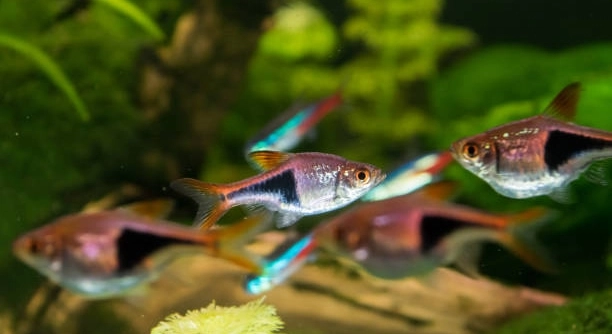
Rasboras are small, active fish that bring life to home aquariums. Observing them darting through plants can be delightful, but fin nipping can disrupt harmony and affect the overall health of your aquatic environment.
Rasboras may nip fins due to overcrowding, insufficient nutrition, stress from incompatible tank mates, poor water conditions, lack of hiding spaces, territorial behavior, or natural schooling instincts. Each factor can provoke fin nipping, impacting fish welfare and requiring careful management.
Identifying these causes early helps maintain a peaceful tank and promotes healthier, more vibrant rasboras in your aquarium community.
Overcrowding in the Tank
Having too many rasboras in a single tank can lead to constant chasing and competition for space. When their environment is cramped, their natural behavior becomes more aggressive, and fin nipping often increases. Overcrowding reduces hiding spots, leaving fish exposed and stressed, which can heighten irritability. Even if the tank seems spacious, adding more fish than recommended disrupts their social dynamics and leads to frequent minor injuries. Adjusting the number of fish to match the tank size is essential. Ensuring that each fish has enough room to swim freely and establish personal space can significantly reduce fin nipping incidents. Observing interactions among the fish regularly allows early detection of stress or aggression. Providing plants, decorations, and open swimming areas helps balance their activity levels. Overcrowding not only affects behavior but also impacts water quality, which in turn affects fish health and their tendency to nip fins. Managing both population and space is key to a harmonious tank.
Keeping the population in check creates a calmer environment, reducing tension and allowing rasboras to display natural schooling behavior.
A properly sized tank provides space for movement and exploration. It minimizes stress and encourages healthier social interactions. Decorations and plants offer refuge, preventing constant chasing. Balanced populations improve water quality and reduce aggressive tendencies, ensuring a stable environment where rasboras can thrive without harming each other.
Poor Nutrition
Inadequate or unbalanced diets can make rasboras irritable and more prone to nipping fins. A lack of essential nutrients affects their energy levels and behavior, causing them to become more aggressive. Feeding only one type of food, such as flakes, does not meet all their dietary requirements. A combination of high-quality flakes, pellets, and occasional live or frozen foods ensures proper nutrition and reduces stress-induced fin nipping. Malnourished fish may also compete over food, increasing aggression and minor injuries. Observing feeding habits helps identify deficiencies or dominance issues among tank mates. Introducing variety and feeding small, frequent portions can maintain balanced energy levels and reduce agitation. Nutritional care is vital not only for fin health but also for overall immunity and vibrant coloration. Attention to diet is a simple yet effective way to manage fin nipping in a community tank.
Providing a balanced diet improves both behavior and appearance, minimizing fin nipping and promoting healthier, active fish.
Consistently offering diverse foods ensures rasboras receive all necessary nutrients. Proper feeding schedules prevent hunger-driven aggression, while occasional live or frozen treats stimulate natural foraging behavior. A well-fed tank supports immunity, reduces stress, and enhances coloration, resulting in a more peaceful, visually appealing aquarium where fin nipping becomes less frequent.
Stress from Incompatible Tank Mates
Stress arises when rasboras share a tank with aggressive or overly dominant species. Constant harassment or intimidation triggers fin nipping as a defensive or reactive behavior.
Aggressive tank mates disturb the social balance of rasboras, causing them to become defensive or irritable. Fish that are larger or territorial can chase or corner rasboras, leaving them stressed and more likely to nip fins of other fish. Even minor harassment affects schooling patterns, making the group more anxious. Careful selection of peaceful, similarly sized species ensures rasboras feel secure. Observing interactions closely helps identify problem fish early, allowing adjustments before injuries occur. Maintaining a calm, compatible community reduces stress-induced fin nipping significantly.
When tank mates are incompatible, rasboras’ natural schooling instincts are disrupted. Stress can lead to health issues, decreased appetite, and increased aggression. Adjusting species selection, tank layout, and hiding spots helps restore harmony. A well-chosen mix encourages relaxed swimming and proper social interaction, minimizing fin nipping.
Poor Water Conditions
Dirty or improperly maintained water creates stress and irritability in rasboras, directly increasing fin nipping incidents.
Ammonia, nitrite, and nitrate levels that exceed safe limits damage fish health and provoke aggressive behavior. Temperature fluctuations or incorrect pH levels can further stress rasboras, making them more likely to nip fins. Consistent water changes and monitoring of parameters are essential to prevent stress-related aggression. Filtration should match tank size, and frequent checks ensure stability. Poor water conditions not only trigger fin nipping but also make fish susceptible to disease, weakening their immune systems. Maintaining clear, stable water is a simple but crucial step in reducing aggressive tendencies.
Regular testing and timely water changes maintain a healthy environment. Stable temperature, proper filtration, and clean water minimize stress, support immunity, and promote natural behavior. A consistent routine reduces fin nipping and helps rasboras thrive in a balanced aquarium, keeping the community peaceful and vibrant.
Lack of Hiding Spaces
Rasboras feel vulnerable without adequate hiding spots, which can increase fin nipping among tank mates.
Providing plants, decorations, and small caves allows fish to retreat and reduces stress. Hiding spaces help establish personal territory and limit constant chasing, keeping interactions calmer and more balanced.
Territorial Behavior
Rasboras may assert dominance over sections of the tank, especially during feeding or in crowded conditions. Territorial disputes can lead to chasing and fin nipping, particularly among similarly sized or same-sex individuals. Establishing enough space and visual barriers minimizes conflicts, encouraging peaceful schooling and healthier social dynamics.
Natural Schooling Instincts
When rasboras are kept in small groups, their schooling behavior is disrupted. They may nip fins to establish hierarchy or maintain coordination within the group.
Maintaining an appropriate group size encourages proper schooling, reduces stress, and supports cooperative behavior. Adequate numbers allow each fish to feel secure, minimizing fin nipping while promoting natural, harmonious movement throughout the tank.
FAQ
Why are my rasboras constantly nipping each other’s fins?
Fin nipping usually occurs due to stress, overcrowding, or incompatible tank mates. Rasboras need adequate space, a stable environment, and compatible companions. If any of these are lacking, minor aggression can escalate. Observing behavior and making adjustments can reduce fin nipping and improve overall fish health.
How many rasboras should I keep in one tank?
A minimum group of six rasboras is recommended for proper schooling. Overcrowding increases stress and triggers fin nipping. Tank size also matters: a 20-gallon tank can accommodate six to eight fish comfortably, along with decorations and hiding spaces to reduce aggression.
What types of tank mates are best for rasboras?
Peaceful, similarly sized species work best, such as small tetras, guppies, or corydoras. Avoid aggressive or territorial fish that may chase or intimidate rasboras, as this increases stress and promotes fin nipping.
How can I improve water quality to reduce fin nipping?
Regular water changes, proper filtration, and monitoring of ammonia, nitrite, and nitrate levels are essential. Stable temperature and pH also support healthy behavior. Clean, consistent water reduces stress, strengthens immunity, and decreases aggressive tendencies among rasboras.
What foods help prevent aggression and fin nipping?
A varied diet of high-quality flakes, pellets, and occasional live or frozen foods ensures proper nutrition. Malnourished or underfed rasboras are more likely to compete over food and nip fins. Frequent, small feedings maintain energy levels and reduce irritability.
Can decorations and plants reduce fin nipping?
Yes. Dense plants, caves, and visual barriers provide hiding spots and reduce stress. Fish can retreat when threatened, which limits chasing and allows each rasbora to feel secure within its territory.
Why does fin nipping happen more in smaller groups?
Rasboras rely on schooling instincts for security. In smaller groups, they may establish hierarchy or compete for dominance, resulting in fin nipping. Maintaining at least six individuals encourages natural schooling, dispersing tension and minimizing aggressive behaviors.
How do I treat damaged fins caused by nipping?
Minor tears usually heal on their own if water conditions are optimal. Adding aquarium salt and maintaining clean water helps prevent infection. For severe damage, isolating the injured fish in a quarantine tank can speed recovery and protect it from further attacks.
Can stress from sudden changes increase fin nipping?
Yes. Rapid changes in water temperature, pH, or tank setup can stress rasboras, making them more aggressive. Gradual adjustments, acclimation to new conditions, and stable routines reduce fin nipping and maintain a peaceful environment.
Is fin nipping a sign of disease?
Occasionally, fin nipping may expose underlying weaknesses, but it is usually behavioral. Stress, poor diet, or environmental issues are more common causes. Observing water quality, diet, and tank conditions is crucial to prevent both aggression and health problems.
How can I monitor my rasboras to prevent fin nipping?
Frequent observation of interactions, swimming patterns, and feeding behavior helps identify early signs of aggression. Noting which fish are being chased or stressed allows timely intervention through tank rearrangement, additional hiding spots, or adjusting group size.
What is the long-term solution for a peaceful rasbora tank?
Ensuring proper group size, compatible tank mates, clean water, a balanced diet, and sufficient hiding spaces establishes stability. A well-planned environment encourages schooling, reduces stress, and minimizes fin nipping, allowing rasboras to thrive in a calm, healthy community.
Can fin nipping affect overall fish health?
Yes. Repeated fin damage can lead to infection, slower growth, and weakened immunity. Addressing environmental factors, diet, and social dynamics promptly helps prevent long-term health issues and supports vibrant, active rasboras.
How often should I check the tank to prevent fin nipping?
Daily observation is ideal. Regular monitoring allows early detection of stress, aggression, or water quality issues. Small adjustments, such as rearranging decorations or adjusting feeding routines, can prevent minor nipping from becoming a serious problem.
Does tank size alone prevent fin nipping?
Not entirely. While adequate space is important, other factors like water quality, diet, hiding spots, and compatible tank mates also play crucial roles. Combining these elements creates a balanced environment that minimizes fin nipping effectively.
Can fin nipping ever stop completely?
Complete elimination is unlikely, as some minor nipping is natural. However, careful management of environment, diet, tank mates, and group size can reduce incidents significantly, keeping rasboras healthy and interactions mostly peaceful.
How do I introduce new rasboras without triggering fin nipping?
Quarantine new fish first, then introduce them gradually. Rearranging tank decorations before adding new members helps reset territories and reduces stress. Introducing multiple fish at once, rather than individually, encourages collective schooling and decreases aggression.
What role does lighting play in fin nipping behavior?
Bright or inconsistent lighting can stress rasboras, making them more irritable. Maintaining stable, moderate lighting and providing shaded areas through plants or decorations helps create a calm environment that discourages fin nipping.
Are there signs that indicate fin nipping is getting worse?
Frequent chasing, ragged fins, and constant hiding indicate escalating aggression. Early intervention through adjustments in tank setup, feeding, or group composition is essential to prevent injury and long-term health issues.
Can medication help reduce fin nipping?
Medication is generally unnecessary unless fin damage leads to infection. Addressing environmental and social factors is far more effective in reducing aggressive behavior. Only treat with appropriate products if disease is present.
How long does it take to see improvement after changes?
Behavioral improvements can be noticed within days to weeks, depending on adjustments made. Reducing stress, improving diet, and creating hiding spots encourages calmer interactions and fewer fin nipping incidents over time.
Does the type of rasbora affect fin nipping tendencies?
Some species are more active or territorial than others. Harlequin rasboras are generally peaceful, while others may show more minor aggression. Understanding species-specific behavior helps plan tank composition and minimize fin nipping effectively.
Can rearranging the tank reduce aggression?
Yes. Changing decorations and plant placement breaks established territories and reduces tension. It encourages exploration and helps establish new social hierarchies without constant chasing or fin nipping.
Is it necessary to separate aggressive individuals?
If one fish repeatedly attacks others, temporary isolation may be required. Providing a quarantine or separate tank allows healing and reduces stress on the group, while long-term adjustments prevent recurring aggression.
How can I maintain long-term fin health in rasboras?
Balanced nutrition, clean water, proper group size, compatible tank mates, and adequate hiding spots collectively maintain fin integrity. Regular observation and minor adjustments prevent stress-induced nipping and support overall fish well-being.
Are certain times of day worse for fin nipping?
Feeding times or periods of high activity can trigger more chasing. Observing patterns helps manage timing, feeding portions, and tank layout to minimize fin nipping during peak activity periods.
Does seasonal change affect fin nipping?
Temperature shifts or fluctuations in daylight can stress fish, indirectly increasing nipping behavior. Gradual adjustments and consistent tank conditions maintain stability, preventing stress-related aggression.
What should I do if fin nipping persists despite all efforts?
Reevaluate tank population, compatibility, diet, and environment. In some cases, replacing incompatible tank mates or increasing group size may be necessary. Persistent fin nipping usually signals that one or more key environmental or social needs are unmet.
Can stress from handling increase fin nipping?
Yes. Frequent netting or sudden disturbances can make rasboras skittish and aggressive toward each other. Minimizing handling and maintaining a calm environment reduces stress-related fin nipping.
Is it normal for rasboras to nip fins occasionally?
Minor nipping is natural, especially during schooling or territorial adjustments. The goal is to prevent injuries and excessive aggression, not eliminate all minor interactions, which are part of normal behavior.
How do I balance a peaceful community tank with rasboras?
Select compatible species, maintain proper group size, provide hiding spots, feed a balanced diet, and keep water conditions stable. These measures create a calm environment where fin nipping is minimized, and rasboras thrive naturally.
Can enrichment reduce fin nipping?
Yes. Adding plants, decorations, and interactive elements encourages exploration, distracts from dominance behavior, and allows peaceful coexistence, lowering the frequency of fin nipping among tank mates.
How important is observation for preventing fin nipping?
Daily observation allows early detection of stress, aggression, and environmental issues. Prompt intervention through adjustments in diet, tank layout, or social grouping prevents minor nipping from escalating into serious injuries.
What is the best overall strategy to manage fin nipping?
Address all environmental, dietary, and social factors simultaneously. Ensure proper group size, compatible tank mates, clean water, sufficient hiding spots, and a varied diet. Consistent observation and minor adjustments maintain a calm, healthy aquarium with minimal fin nipping.
Can water temperature alone influence fin nipping?
Yes. Fluctuating or extreme temperatures stress rasboras, increasing irritability and aggression. Maintaining stable, species-appropriate temperatures supports health, reduces stress, and limits fin nipping incidents.
How do I know when fin nipping is serious?
Repeated attacks causing significant fin damage, open wounds, or signs of infection indicate serious aggression. Immediate intervention is necessary to protect affected fish and restore harmony in the tank.
Are there environmental cues that trigger fin nipping?
Territory boundaries, feeding spots, and sudden disturbances can trigger nipping. Strategic tank layout, multiple feeding areas, and consistent routines minimize triggers, promoting calmer interactions.
Does tank maintenance affect fin nipping frequency?
Absolutely. Regular cleaning, water changes, and equipment checks prevent stress and poor conditions that provoke aggression. A well-maintained tank supports peaceful schooling and healthier rasboras overall.
How long should I quarantine new fish?
A two-week quarantine helps ensure new fish are healthy and reduces disease risk. Gradual introduction to the main tank prevents stress and limits fin nipping when new members arrive.
Can fin nipping affect breeding behavior?
Yes. Excessive aggression and stress can reduce spawning activity. Ensuring a calm, well-structured environment supports natural behavior and increases chances of successful breeding.
Is it necessary to adjust lighting for fin nipping issues?
Moderate, consistent lighting reduces stress and irritability. Providing shaded areas with plants or decorations allows rasboras to retreat, promoting calmer interactions and fewer nipping incidents.
Can rearranging tank mates reduce aggression?
Occasionally swapping locations of fish or dividing aggressive individuals with barriers can reduce tension. Observing social dynamics allows timely interventions to minimize fin nipping and support peaceful coexistence.
What role does feeding schedule play in fin nipping?
Irregular or infrequent feeding increases competition and stress, prompting fin nipping. Consistent schedules and small portions maintain energy balance, reduce aggression, and improve overall tank harmony.
How do I prevent recurring fin nipping in a community tank?
Combine proper group size, compatible species, varied diet, hiding spots, stable water conditions, and careful observation. Addressing all factors together ensures long-term peace and minimal fin nipping.
Is fin nipping more common in certain tank setups?
Small, barren tanks or crowded conditions promote stress and aggression. Providing space, structure, and visual barriers supports natural behavior and reduces fin nipping significantly.
Can fin nipping impact other fish’s health?
Yes. Injured fins are prone to infection and may weaken immunity. Addressing environmental and social factors promptly protects all fish in the community.
How quickly should I act if I notice fin nipping?
Immediate attention prevents escalation. Adjust tank setup, feeding routines, and group dynamics to reduce stress and prevent injuries, ensuring a healthier, calmer environment.
Are some rasboras naturally more aggressive?
Individual temperament varies. Observing patterns helps identify consistently aggressive fish that may require isolation or monitoring to maintain harmony.
Does tank décor placement influence fin nipping?
Yes. Strategic placement of plants, caves, and decorations breaks territories, reduces chasing, and encourages peaceful movement, lowering fin nipping incidents.
How do I combine all preventive measures effectively?
Implement proper group size, compatible tank mates, hiding spaces, varied diet, clean water, stable temperature, and careful observation. Coordinated management maintains a calm, healthy tank.
What is the impact of stress on fin nipping?
Stress is a major factor. Overcrowding, incompatible fish, poor diet, and unstable conditions increase irritability. Reducing stress through environmental and social management significantly lowers fin nipping.
Can enrichment alone stop fin nipping?
Enrichment helps but is not enough on its own. Combined with proper tank size, compatible species, diet, and water management, it supports a peaceful aquarium and minimizes fin nipping.
Does the age of rasboras affect fin nipping behavior?
Juveniles may nip more while establishing hierarchy, while adults tend to be calmer if environmental needs are met. Age, combined with other factors, influences aggression levels.
How important is monitoring behavior over time?
Long-term observation reveals patterns in aggression, stress, and interaction. Early detection allows preventive action before fin nipping becomes damaging.
Can sudden tank rearrangements trigger fin nipping?
Yes. Sudden changes can stress fish and provoke aggression. Gradual adjustments with careful observation help maintain stability and reduce fin nipping incidents.
What are signs that environmental adjustments are working?
Less chasing, calmer swimming, healthier fins, and improved schooling indicate that changes in diet, tank layout, or group size are effective in reducing fin nipping.
Can adding new fish disrupt harmony?
Yes. New fish may trigger territorial disputes or hierarchy changes, leading to fin nipping. Gradual introduction and rearranging décor can reduce conflicts.
How do I balance multiple factors to minimize fin nipping?
Combine proper group size, compatible tank mates, varied diet, hiding spots, clean water, stable lighting, and observation. Addressing all elements together supports calm, healthy rasboras.
What long-term practices ensure minimal fin nipping?
Regular observation, consistent feeding, clean water, balanced diet, adequate hiding spaces, and compatible species maintain harmony, reduce stress, and prevent aggressive behaviors in the tank.
Can seasonal changes in light or temperature affect fin nipping?
Yes. Gradual adjustments in lighting and temperature prevent stress-induced aggression. Maintaining stable conditions supports calm, healthy behavior and reduces fin nipping.
How do I know if fin nipping is behavioral or health-related?
Behavioral nipping is usually minor and linked to stress, overcrowding, or social dynamics. Severe fin damage with infection may indicate health problems requiring attention. Observing context and water conditions helps determine the cause.
What is the role of consistent routines in preventing fin nipping?
Consistent feeding, maintenance, and observation create a stable environment. Stability reduces stress, aggression, and fin nipping, promoting healthy, harmonious fish behavior.
Can I prevent fin nipping completely?
Minor nipping is natural, but proper tank management minimizes injuries. Adequate space, diet, compatible mates, hiding spots, and clean water keep incidents infrequent and harmless.
How can I combine all strategies efficiently?
Implementing balanced diet, clean water, appropriate tank mates, proper group size, enrichment, and regular observation together creates a peaceful environment with minimal fin nipping.
Does stress from sudden movements or tapping the glass affect behavior?
Yes. Startling rasboras increases aggression and fin nipping. Gentle handling, calm interactions, and avoiding sudden disturbances reduce stress-induced incidents.
What is the most common mistake leading to fin nipping?
Overcrowding, poor diet, incompatible tank mates, and insufficient hiding spaces are the main causes. Addressing these factors collectively reduces fin nipping effectively.
How long does it take for rasboras to adjust to a new tank setup?
Adjustment varies, typically a few days to a week. Gradual introduction, sufficient hiding spaces, and consistent routines accelerate acclimation and reduce stress-induced fin nipping.
Are some species of rasboras more prone to nipping than others?
Yes. Some species are naturally more active or slightly territorial. Understanding species behavior helps prevent conflicts and plan compatible community tanks.
How important is water testing for long-term fin health?
Frequent testing ensures stable conditions, preventing stress, disease, and aggression. Consistent water quality is essential to reduce fin nipping and maintain healthy rasboras.
Can rearranging hiding spots improve social dynamics?
Yes. Moving plants, caves, or decorations breaks established territories, encourages exploration, and reduces fin nipping by minimizing constant chasing.
What should I do if one fish continues to attack others?
Isolation or relocation may be necessary. Observing interactions and adjusting tank setup prevents persistent aggression and protects injured fish.
Does feeding frequency affect fin nipping?
Yes. Small, regular feedings prevent hunger-driven aggression. Consistent diet and portion control reduce competition and fin nipping incidents.
Can lighting cycles impact aggression?
Stable lighting cycles help regulate activity and reduce stress. Sudden changes or extreme brightness can increase irritability and fin nipping.
Are water parameters more important than tank décor?
Both matter. Clean, stable water prevents stress and disease, while décor provides hiding spots and reduces territorial disputes. Together, they minimize fin nipping.
What is the best way to observe interactions without stressing fish?
Watch from a distance without tapping or moving suddenly. Subtle observation helps detect fin nipping and stress without disturbing natural behavior.
How often should I reassess tank population?
Regularly, especially after adding new fish. Monitoring numbers and compatibility ensures proper group size and reduces stress-driven fin nipping.
Can enrichment alone prevent fin nipping?
Enrichment helps distract and reduce stress but must be combined with proper tank size, compatible mates, diet, and water quality for full effectiveness.
Does fin nipping indicate social hierarchy issues?
Yes. Minor nipping is often a way to establish hierarchy. Providing enough space and hiding spots prevents excessive aggression and injuries.
How do I maintain long-term harmony in the tank?
Combine stable water, proper population, compatible species, hiding spots, balanced diet, enrichment, and observation. Addressing all factors maintains calm, healthy rasboras with minimal fin nipping.
Can diet changes alone stop fin nipping?
Not entirely. Balanced nutrition is crucial, but social dynamics, tank size, hiding spots, and water quality must also be managed to prevent aggression effectively.
What is the effect of overcrowding on fin nipping long-term?
Chronic overcrowding increases stress, weak
Fin nipping in rasboras is a common behavior that reflects their environment, social interactions, and overall health. While minor fin nipping is natural, frequent or severe nipping indicates stress, overcrowding, poor water conditions, or dietary deficiencies. Understanding the root causes helps in managing behavior and maintaining a healthy, peaceful tank. Observing daily interactions and noting patterns in swimming, chasing, or hiding can reveal which factors are contributing to fin nipping. By addressing these early, it is possible to reduce injuries and improve the welfare of all fish in the aquarium.
Creating a stable and suitable environment is key to minimizing fin nipping. Proper tank size allows each fish to have space to swim and establish territories without constant confrontation. A group of at least six rasboras encourages natural schooling behavior, which reduces stress and helps disperse aggression. Providing plenty of hiding spaces, such as plants, caves, and decorations, gives fish places to retreat and feel secure. Stable water parameters, including temperature, pH, and cleanliness, support overall health and calm behavior. A varied and balanced diet prevents hunger-related aggression and ensures rasboras have the energy and nutrients needed to maintain their fins and vibrant appearance.
Managing tank mates and monitoring social dynamics is equally important. Choosing peaceful, similarly sized species prevents harassment and stress that can trigger fin nipping. Gradual introduction of new fish, rearranging decorations, and providing multiple feeding areas help maintain harmony and reduce conflicts. Even with all precautions, minor fin nipping may occur as part of natural social behavior, but careful observation and adjustments can prevent serious damage. Consistency in feeding, maintenance, and observation allows owners to respond to potential issues quickly. Overall, a thoughtful combination of proper tank setup, diet, water management, and compatible companions creates an environment where rasboras can thrive, minimizing fin nipping while supporting their health, schooling behavior, and peaceful interactions in the aquarium.

Hello,
If you enjoy the content that we create, please consider saying a "Thank You!" by leaving a tip.
Every little bit helps us continue crafting quality advice that supports the health, happiness, and well-being of pets around the world, for pets of all shapes, sizes, and species.
We really appreciate the kindness and support that you show us!