
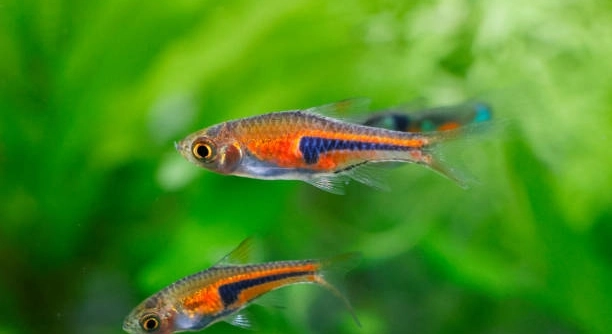
Rasboras are gentle, small fish that many hobbyists enjoy keeping in aquariums. They can bring color and activity to a tank while generally being easy to care for and watch. Observing them is relaxing and rewarding.
Rasboras settling into a tank is indicated by consistent swimming patterns, regular feeding behavior, calm interactions with other fish, and a healthy, vibrant appearance. Stable environmental adaptation and minimal stress behaviors also signal proper acclimation in the aquarium.
Recognizing these subtle behaviors can help ensure your rasboras thrive. Understanding their adjustment process provides insight into maintaining a balanced and harmonious tank environment.
Consistent Swimming Patterns
When rasboras are comfortable in their new environment, their swimming patterns become steady and predictable. They explore the tank calmly, often moving together in small groups. Erratic darting, hiding constantly, or staying near the surface typically indicates stress. Over time, you may notice them using all levels of the tank, gliding smoothly through plants, decorations, and open spaces. This behavior reflects that they are familiar with the layout and feel safe. Watching them interact in groups can reveal natural social tendencies, including synchronized swimming and gentle chasing. Calm movement is also a sign that the water parameters—temperature, pH, and hardness—are suitable. As they adapt, they spend less time hiding and more time foraging or swimming actively. Subtle shifts, such as pausing near plants or slowly exploring corners, are signs of growing confidence. Tracking these changes helps you ensure they remain healthy and unstressed in their habitat.
Observing steady swimming over several days confirms rasboras are adjusting well to their environment. It shows proper acclimation to tank conditions and social stability.
Keeping an eye on movement patterns can prevent future stress. Early recognition of irregular swimming allows adjustments to water quality, tank layout, or feeding. Regular observation strengthens your understanding of their behavior. When rasboras swim in a relaxed and natural manner, it indicates they are not only surviving but thriving. Healthy movement encourages better feeding habits and reduces the risk of illness. By providing an environment that supports consistent activity, you ensure their well-being, growth, and longevity. Gradually, they will show more curiosity and interact with other tank inhabitants, which enhances the aquarium’s liveliness.
Regular Feeding Behavior
Rasboras that are settling in start feeding at consistent times. They approach food quickly and eat without hesitation, showing comfort with their surroundings and the people caring for them.
Regular feeding behavior is one of the clearest signs of adaptation. Newly introduced rasboras often hide or avoid food due to stress, but as they acclimate, their appetite becomes reliable. They will accept flakes, micro pellets, and small live or frozen foods, demonstrating healthy metabolism. Observing how they eat also provides insight into their social dynamics. Dominant individuals may nibble first while others follow, but all should eventually feed. Sudden refusal to eat can indicate a problem with water quality or stress from tank mates. Maintaining a feeding schedule helps reinforce stability. Balanced nutrition supports coloration, activity levels, and immune health. Over time, watching their response to food helps identify subtle health changes early. A tank with rasboras that eat consistently reflects proper care, ideal environmental conditions, and minimal stress, which is essential for long-term well-being.
Calm Interaction with Tank Mates
Rasboras that are settling in interact peacefully with other fish. They swim together without aggression and show minimal signs of stress or chasing.
Peaceful behavior indicates that they have accepted their surroundings and tank companions. When first introduced, rasboras may hide or flee from more dominant species. Over time, they start moving confidently among plants, decorations, and other fish. Calm interactions also reduce injuries and stress-related illnesses. Watching their body language, such as relaxed fins and smooth swimming, confirms social stability. Rasboras tend to establish a comfortable hierarchy without conflict, allowing all individuals to access food and space. Proper tank size, hiding spots, and compatible species support this harmonious behavior.
When rasboras explore freely and maintain gentle interactions, it reflects both environmental comfort and emotional security. This social balance is essential for their long-term health and encourages natural activity, making the tank lively and stable.
Healthy, Vibrant Appearance
A rasbora that is settling in will display bright, even coloration across its body. Fins are intact, and scales lie flat.
Vibrant appearance signals proper nutrition, low stress, and good water conditions. Dull colors, torn fins, or clamped fins usually indicate adaptation issues or illness. A healthy rasbora often swims with confidence, gliding through the tank and showing interest in food and surroundings. Proper lighting and a balanced diet contribute to this visual health. Observing gradual improvements in color over days or weeks confirms that the fish is acclimating successfully.
Consistent monitoring of appearance is important. Minor changes, such as subtle fading or fin damage, can highlight environmental problems early. Maintaining water quality, regular feeding, and stress reduction ensures rasboras retain their natural vibrancy and remain energetic. Healthy appearance is not only visually pleasing but also reflects overall physiological well-being.
Minimal Hiding
Rasboras that feel comfortable spend less time hiding. They move around the tank openly, exploring plants and decorations without constant retreat.
Reduced hiding shows confidence and trust in their environment. Fish that remain hidden often experience stress or discomfort, so increased visibility is a positive sign of acclimation.
Stable Water Column Use
Settled rasboras utilize all levels of the tank evenly. They swim near the surface, midwater, and bottom, adjusting naturally to the environment. This behavior indicates that they feel secure and are adapting well to available space. Even distribution reduces territorial disputes and supports social harmony among the group.
Calm Response to Human Presence
Rasboras that are accustomed to their environment react calmly to nearby movement. They do not dart or hide when someone approaches the tank.
How long does it take for rasboras to settle in?
Rasboras generally take a few days to a couple of weeks to fully acclimate to a new tank. Factors such as water quality, temperature stability, and tank size influence their adjustment period. Consistent feeding and minimal disturbance help them feel secure more quickly. Observing their swimming and feeding behavior can indicate when they are comfortable. Some individuals may adapt faster, while shy or stressed fish might require more time. Providing hiding spots and gentle introductions to tank mates reduces stress. Monitoring changes daily ensures early detection of any issues that could slow their adaptation.
What are the signs of stress in rasboras?
Stress in rasboras can appear through hiding, erratic swimming, clamped fins, loss of color, or refusal to eat. Overcrowding, poor water quality, and aggressive tank mates are common causes. Recognizing stress early allows for quick adjustments, such as improving water parameters, separating incompatible fish, or adding additional shelter. Continuous stress can weaken the immune system, making rasboras more susceptible to illness. Observing behavior patterns regularly provides insight into their comfort level.
How can I help my rasboras adapt faster?
Providing a stable environment is key. Maintain proper temperature, pH, and water hardness, and avoid sudden changes. Introducing them slowly to the tank, along with gentle handling, helps reduce stress. Plants, decorations, and hiding spots give security, encouraging natural exploration and feeding. Regular observation and feeding at consistent times create a predictable routine that promotes comfort. Avoid overcrowding and keep compatible tank mates to reduce tension. Minimal disturbance during early days allows them to build confidence and interact normally. Proper acclimation enhances coloration, activity, and overall health.
Can feeding behavior indicate adaptation?
Yes, consistent feeding shows that rasboras are comfortable. Newly introduced fish may hide or ignore food initially, but as they settle, they approach food without hesitation. Watching how quickly they respond to feeding and whether all fish eat helps assess social dynamics and overall well-being. Sudden loss of appetite can signal stress, water issues, or illness, so monitoring feeding behavior is crucial. Gradual improvement in eating habits reflects proper adjustment and health, confirming that they are thriving in the tank.
Are tank conditions important for settling in?
Tank conditions are critical. Stable temperature, clean water, appropriate pH, and sufficient oxygen levels directly affect rasboras’ comfort. Plants and decorations provide hiding spots and reduce stress, while proper filtration keeps the environment healthy. Even minor fluctuations can slow adaptation or trigger stress responses. Regular testing and adjustments help maintain optimal conditions. Well-maintained tanks support vibrant coloration, natural activity, and long-term health. A balanced environment encourages calm behavior, social interaction, and proper feeding, all of which signal that rasboras are fully settling into their habitat.
How do rasboras interact once they are settled?
Once comfortable, rasboras display peaceful social behavior. They swim in groups, explore the tank together, and show minimal aggression. Stable interactions indicate that they feel secure and recognize their hierarchy. Observing coordinated swimming patterns and gentle chasing during feeding confirms social stability. Fish that consistently interact without hiding or chasing suggest a balanced environment. Proper tank size, compatible companions, and adequate hiding spaces support these behaviors. Peaceful socialization not only prevents stress but also promotes natural activity, healthy feeding, and overall well-being, reinforcing their acclimation.
What if a rasbora refuses to settle?
If a fish remains stressed, hides constantly, or avoids food, check water parameters, tank mates, and environment. Sometimes, relocating to a quieter area or adding additional plants can reduce stress. Persistent issues may require quarantine or separation to ensure health. Monitoring behavior and adjusting conditions promptly improves chances of adaptation. Providing consistent care, proper diet, and minimal disturbance increases comfort over time. Some individuals take longer to adjust than others, so patience is essential. Early intervention prevents illness and supports a smoother transition.
Can visual appearance reflect adaptation?
Yes, healthy rasboras exhibit bright coloration, smooth fins, and flat scales. Dull colors or damaged fins suggest stress, poor water quality, or disease. Gradual improvement in appearance shows proper acclimation. Regular observation of physical condition helps identify problems early. Maintaining clean water, balanced diet, and low-stress conditions enhances their natural vibrancy and indicates comfort in the tank. Vibrant appearance is both a visual indicator and a reflection of overall health.
Rasboras are small, delicate fish that bring calm and color to a home aquarium. Observing them as they settle in can be rewarding, but it requires attention and patience. Each fish has its own pace of adaptation, and recognizing the signs of comfort or stress is essential. When they swim confidently, eat regularly, and interact calmly with other fish, it shows that they are adjusting well to their new environment. Providing the right conditions from the start makes this process smoother. Stable water temperature, proper pH, and clean water are critical factors in helping rasboras feel secure. Without these basic requirements, even the most resilient fish can experience stress, which can affect their health and behavior.
Watching rasboras adapt also teaches you a lot about fish behavior. Calm swimming, even distribution in the water column, and gentle group interactions reflect natural instincts and a sense of safety. Stress behaviors, such as hiding constantly, darting, or clamped fins, signal that changes are needed in the tank. By paying attention to these details, you can intervene early, adjusting the environment to better support the fish. Adding plants, decorations, or small hiding spots helps reduce stress and allows them to explore the tank on their terms. Feeding routines also play an important role, as regular meals encourage confidence and reinforce normal activity. Monitoring how each fish reacts to its surroundings helps you maintain a healthy, balanced aquarium where all inhabitants can thrive.
Settling in is a gradual process, and patience is important. Rasboras may take days or even weeks to show full signs of comfort, but observing their behaviors closely ensures that any issues are addressed promptly. Consistency in care, a stable environment, and careful attention to interactions and feeding habits create a supportive atmosphere for adaptation. Over time, settled rasboras become lively and engaging additions to the tank, showing vibrant coloration and active swimming patterns. Understanding these indicators not only ensures their well-being but also strengthens your ability to maintain a harmonious aquarium. By focusing on these key aspects, you provide a safe and comfortable habitat, encouraging healthy behavior and long-term happiness for your rasboras.

Hello,
If you enjoy the content that we create, please consider saying a "Thank You!" by leaving a tip.
Every little bit helps us continue crafting quality advice that supports the health, happiness, and well-being of pets around the world, for pets of all shapes, sizes, and species.
We really appreciate the kindness and support that you show us!