
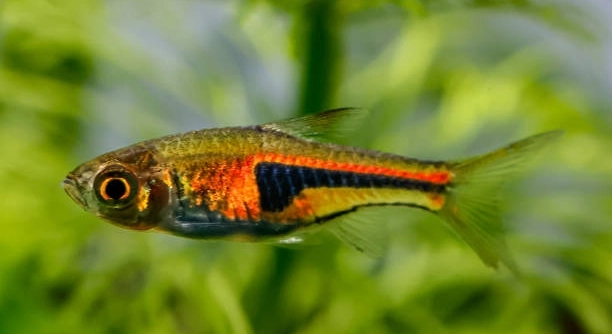
Water plays a key role in the daily lives of aquatic creatures, influencing their behavior and energy levels. Different conditions in the water can either encourage or limit their activity naturally. Observing these changes is important for care.
Seven main water conditions promote activity by affecting temperature, oxygen levels, pH balance, and cleanliness. Proper management of these factors supports natural behaviors, energy regulation, and overall health, creating an environment that encourages movement and engagement among aquatic species.
Understanding these conditions can improve the well-being of aquatic animals. Proper water management ensures they remain healthy, energetic, and responsive to their environment consistently.
Water Temperature
Water temperature has a significant impact on aquatic life. Warmer water increases metabolism, making fish and other creatures more active. Cold water slows activity, reducing feeding and movement. Each species has a preferred temperature range that supports their natural behavior. Keeping water within this range encourages consistent energy levels. Sudden temperature changes can cause stress and illness. It is important to monitor water temperature regularly using a reliable thermometer. Adjusting heaters or chillers gradually helps maintain stability. Seasonal changes may also affect water temperature, requiring careful observation. Active creatures often display brighter colors and more interaction in ideal temperatures. Maintaining proper temperature supports growth, digestion, and immune function.
Maintaining water within optimal temperature ranges stimulates activity and overall health. Aquatic species are more responsive, energetic, and likely to engage in natural behaviors when their environment supports stable thermal conditions.
Proper temperature management also prevents sudden stress that can reduce activity. Small fluctuations may seem harmless but can affect feeding patterns, swimming, and energy, impacting long-term health and behavior.
Oxygen Levels
Low oxygen levels limit movement and reduce energy in aquatic animals. Fish may gasp at the surface or stay inactive when oxygen is insufficient.
Oxygen-rich water encourages natural activity by supporting metabolism, circulation, and overall vitality. Aerators, plants, and proper water circulation help maintain consistent oxygen levels. Regular monitoring ensures the environment remains suitable.
Adequate oxygen is essential for growth, reproduction, and general health. Fish and invertebrates rely on dissolved oxygen to fuel swimming, feeding, and exploration. Oxygen depletion can lead to lethargy, loss of appetite, and stress-related diseases. Plants in the water help produce oxygen during the day, while aeration equipment maintains levels at night or in densely stocked tanks. Proper oxygen management is especially important in warmer water, where oxygen dissolves less easily. By ensuring sufficient oxygen, aquatic creatures can maintain natural activity patterns, interact more with their environment, and show healthier behaviors. This simple adjustment has a major impact on both short-term activity and long-term vitality.
Water pH
Maintaining proper pH levels is essential for activity. Too high or low pH can stress aquatic creatures, causing lethargy or abnormal behavior. Regular testing helps keep the water balanced and stable, supporting their natural energy and movement.
Stable pH supports metabolism, feeding, and swimming patterns. Sudden shifts can affect gill function, digestion, and overall comfort. Each species has an optimal pH range, and staying within it ensures they remain active and healthy. Using buffers or water changes can help correct minor fluctuations without causing stress. Regular monitoring is crucial, especially in tanks with plants, decorations, or different water sources, as these can influence pH levels over time.
Water with balanced pH promotes growth and resilience. Active aquatic creatures display more natural behaviors, such as exploring, feeding, and interacting. Even small pH swings can reduce activity or cause hiding. Keeping levels consistent allows them to maintain energy, reduces stress, and encourages long-term well-being, making it easier to observe healthy and lively behavior.
Cleanliness and Filtration
Clean water prevents buildup of harmful substances and keeps animals moving freely. Waste, debris, and toxins reduce activity and can make creatures sluggish. Proper filtration and routine maintenance are key.
A well-maintained filtration system removes excess waste, ammonia, and other pollutants that can affect energy and behavior. Regular partial water changes reduce toxin accumulation and help maintain clarity. Skimming the surface, vacuuming substrate, and cleaning equipment prevents stagnant areas where debris can gather. Different species produce varying waste levels, so adjusting filter strength and cleaning schedules is important. Clean water also supports plant life, which provides oxygen and natural hiding spots, encouraging exploration and activity. By prioritizing cleanliness, aquatic animals remain healthy, energetic, and more likely to engage in natural behaviors.
Water Movement
Water movement encourages activity by stimulating natural swimming behaviors. Gentle currents provide exercise and prevent stagnant areas, helping aquatic creatures remain alert and energetic.
Different species respond differently to currents. Adjusting flow strength allows them to swim comfortably while promoting exploration and engagement. Controlled movement keeps the environment dynamic and healthy.
Lighting Conditions
Proper lighting regulates daily activity patterns. Natural or timed lighting encourages feeding, swimming, and interaction while maintaining a regular day-night cycle. Light also supports plant growth, which indirectly improves activity by providing oxygen and hiding spots. Maintaining consistent lighting conditions prevents stress and keeps energy levels balanced.
Tank Size
Adequate space supports natural movement. Crowded or small tanks restrict swimming, exploration, and overall activity. Providing enough room allows creatures to spread out, exercise, and interact comfortably, promoting healthier and more active behaviors.
FAQ
How often should I check water temperature?
Monitoring water temperature daily is ideal, especially in tanks with sensitive species. Sudden fluctuations can stress aquatic creatures, reducing activity and affecting health. Using a reliable thermometer ensures accuracy, and gradual adjustments with heaters or chillers help maintain a stable environment.
What is the best oxygen level for my tank?
Optimal oxygen levels vary by species, but maintaining moderate to high dissolved oxygen supports active swimming, feeding, and natural behaviors. Aerators, plants, and proper circulation prevent depletion. Checking oxygen levels regularly prevents lethargy, stress, and health issues caused by low oxygen.
How do I maintain proper pH?
Regular testing is essential to ensure the water remains within the species’ ideal range. Buffers, partial water changes, and careful observation of decorations or substrates can help maintain balance. Stable pH encourages consistent activity and reduces stress caused by sudden shifts.
Why is water cleanliness so important?
Clean water removes toxins, waste, and debris that can reduce activity and harm health. Filtration systems, surface skimming, substrate vacuuming, and routine water changes prevent harmful buildup. A clean environment promotes exploration, swimming, and natural interaction.
How much water movement is necessary?
Water movement stimulates swimming and prevents stagnant areas. Gentle currents allow exercise without overwhelming species sensitive to strong flow. Adjusting flow strength ensures creatures can engage comfortably with their environment, encouraging consistent activity.
Does lighting really affect activity?
Yes, lighting regulates day-night cycles and feeding patterns. Consistent lighting supports swimming, interaction, and plant growth, which indirectly boosts activity by improving oxygen levels and creating hiding spots. Sudden changes in light can stress creatures and reduce energy levels.
How do I know if my tank is big enough?
A spacious tank allows free movement, exploration, and natural interaction. Overcrowding restricts swimming and energy, reducing activity. Research species’ space requirements and provide enough room for all inhabitants to maintain a healthy, active environment.
Can water quality affect behavior quickly?
Yes, sudden changes in temperature, pH, oxygen, or cleanliness can cause immediate lethargy, hiding, or erratic swimming. Consistent monitoring and maintenance are necessary to prevent stress and ensure aquatic creatures remain energetic and healthy.
What role do plants play in activity?
Plants provide oxygen, hiding spots, and enrichment. They encourage exploration and natural behaviors, which keeps aquatic creatures active. Live plants also help maintain water quality by absorbing nutrients and reducing waste buildup.
How often should I clean my tank?
Partial water changes and filter maintenance every week or two help prevent waste accumulation. Substrate vacuuming, surface skimming, and equipment cleaning ensure a safe, stimulating environment, keeping aquatic animals active and stress-free.
Can temperature fluctuations make fish inactive?
Yes, even small fluctuations can reduce metabolism, feeding, and swimming. Gradual changes are less stressful, but consistent temperature within the species’ preferred range is crucial for maintaining activity and overall health.
Do all species need the same conditions to stay active?
No, each species has specific needs for temperature, pH, oxygen, and space. Understanding the requirements of your tank’s inhabitants ensures they remain energetic, healthy, and engaged in their environment.
How do I prevent stress from water changes?
Introduce changes gradually, matching temperature and chemistry as closely as possible. Sudden shifts can reduce activity and cause hiding or erratic behavior. Regular, careful water changes maintain cleanliness while keeping creatures comfortable and active.
Can lighting schedules improve behavior?
Yes, consistent light and dark periods help regulate feeding, movement, and rest cycles. Automated timers create stability, preventing stress-related inactivity and encouraging predictable patterns of energy throughout the day.
How do I know if oxygen levels are low?
Signs include gasping at the surface, reduced movement, and lethargy. Regular testing and proper aeration prevent low oxygen conditions. Maintaining levels ensures healthy activity and natural behaviors, keeping aquatic life energetic.
What happens if pH is ignored?
Ignoring pH can lead to stress, reduced activity, poor feeding, and long-term health problems. Monitoring and adjusting pH when needed ensures the environment remains supportive of natural energy and movement.
Is there a way to encourage activity naturally?
Yes, providing proper temperature, oxygen, lighting, space, and clean water creates a natural environment. Plants, decorations, and controlled water movement enrich the habitat, promoting exploration, swimming, and interaction without forcing changes.
How important is tank layout for activity?
A varied layout with open areas and hiding spots encourages movement and exploration. Decorations, plants, and substrate create stimulation, helping aquatic creatures remain active, curious, and engaged in their surroundings.
Can activity levels indicate health?
Yes, reduced swimming, feeding, or interaction often signals stress, poor water quality, or illness. Observing activity patterns allows early detection of issues, enabling corrective action to restore energy and natural behavior.
How do I balance all conditions together?
Regular monitoring of temperature, pH, oxygen, cleanliness, and space ensures a stable environment. Adjusting one factor often affects others, so coordinated care supports consistent activity, reduces stress, and maintains overall health in the tank.
Maintaining the right conditions in a tank is essential for keeping aquatic creatures active and healthy. Temperature, oxygen levels, pH balance, and cleanliness all work together to create an environment that supports natural behaviors. Each factor influences metabolism, feeding patterns, swimming, and overall energy. Even small changes can affect activity levels, so careful observation and consistent maintenance are important. By paying attention to these elements, it is possible to provide a stable and comfortable habitat where fish and other aquatic species can thrive.
Tank size, water movement, and lighting also play a major role in encouraging activity. Adequate space allows creatures to swim freely and interact with their environment, reducing stress and promoting exploration. Gentle water currents provide exercise and prevent stagnant areas, while proper lighting regulates day-night cycles and feeding patterns. Adding plants and decorations can create hiding spots and enrichment, stimulating natural behaviors. All of these components contribute to an engaging environment, helping aquatic creatures stay active and energetic while maintaining their overall well-being.
Consistent care and monitoring make a significant difference in long-term health and activity. Regularly checking water parameters, performing partial water changes, and maintaining filters ensures the tank remains clean and safe. Observing behaviors can also reveal early signs of stress or health issues, allowing timely adjustments to the environment. Creating a balanced setup requires attention to detail, but the result is a lively and dynamic habitat where aquatic life can flourish. Maintaining proper conditions not only improves activity but also supports growth, longevity, and general health, making the tank a more enjoyable and rewarding space.

Hello,
If you enjoy the content that we create, please consider saying a "Thank You!" by leaving a tip.
Every little bit helps us continue crafting quality advice that supports the health, happiness, and well-being of pets around the world, for pets of all shapes, sizes, and species.
We really appreciate the kindness and support that you show us!