
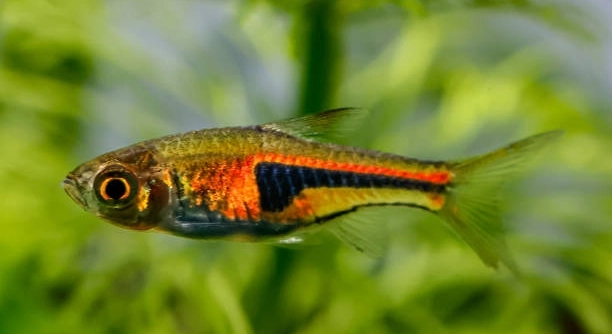
Have you ever watched a school of rasboras swimming in your tank and noticed sudden bursts of energy or quick movements between each other? These small fish can be surprisingly active and seem to interact in interesting ways.
Rasboras often display behaviors that can be interpreted as playful. They chase each other, dart around obstacles, and engage in spontaneous swimming patterns that suggest social interaction rather than purely feeding or mating activity.
Observing these patterns can reveal subtle details about their personalities and social habits in a home aquarium setting.
How Rasboras Show Playful Behavior
Watching rasboras in a well-planted tank can be quite engaging. They often swim in coordinated groups, chasing one another in short bursts. Some individuals dart around plants or decorations, as if exploring or testing their surroundings. These movements are usually quick and energetic, showing a level of activity beyond simple feeding. Sometimes they swim upside down briefly or circle each other, which seems purely for amusement. In community tanks, playful interactions are often influenced by the number of fish and space available. A crowded tank may limit these behaviors, while a spacious, enriched environment encourages them. Even subtle actions, like nudging another fish or swimming through narrow gaps, can be signs of playful engagement. Observing these patterns over time can help identify which rasboras are more active or social, and which prefer quiet areas. Their behavior is not random but influenced by light, plants, and water conditions, reflecting their comfort and curiosity.
These playful behaviors often indicate healthy, well-adjusted fish. They can be a sign that your tank environment meets their needs.
Creating a tank setup that encourages activity involves adding plants, small decorations, and open swimming areas. Balanced lighting and consistent water conditions also help rasboras feel secure enough to display these behaviors. Watching them interact over days or weeks shows patterns of activity, where certain individuals become more adventurous. Recognizing these subtle cues allows aquarists to adjust tank layouts and social groupings, supporting both physical health and natural behavior. These small bursts of movement are entertaining and can make observing your tank more rewarding, giving insight into the personalities of each fish. Over time, maintaining stable water conditions, feeding routines, and group dynamics enhances these interactions, creating a lively, active aquarium where rasboras can express themselves freely. Understanding their tendencies can also prevent stress-related issues, as confined or unstimulated fish may become lethargic. By paying attention, you can foster a tank environment that balances calm swimming with moments of playful energy.
Encouraging Playful Activity
Adding a few plants or floating decorations can stimulate movement and interaction among rasboras. Open spaces and gentle currents help maintain activity.
Ensuring your rasboras have plenty of room to explore is essential. A tank with varied hiding spots, open areas, and secure corners encourages both curiosity and playful chasing. Regular feeding routines support energy levels, while stable water temperature and clean conditions reduce stress. Over time, these elements combine to let rasboras display natural behaviors, from darting in short bursts to playful chasing. Observing how they respond to different layouts and companions can reveal preferences, allowing you to adjust the tank to maximize interaction. Some fish may prefer quieter corners, while others explore actively, creating a dynamic, engaging environment. A mix of plants, open water, and enrichment items ensures they have both stimulation and safety, promoting overall health. Careful observation helps maintain balance, encouraging playful displays while keeping all fish comfortable. With attention to tank setup and conditions, playful behavior can become a regular, noticeable part of their daily routine, making the aquarium more lively and enjoyable for both the fish and those watching.
Recognizing Social Play
Rasboras interact frequently with tank mates, often chasing or swimming alongside each other. These behaviors are not aggressive but indicate social engagement. Groups tend to synchronize movements, and playful bursts often occur after feeding or during active periods of the day.
Group dynamics influence how rasboras express playful behavior. In larger schools, fish take turns chasing one another, creating a continuous flow of motion. Some individuals may initiate short bursts, while others follow. These interactions strengthen social bonds and reduce stress, as fish feel more secure in a structured group. Observing these patterns can help identify dominant or more adventurous individuals, as well as those who prefer calm areas. Over time, recognizing these dynamics allows adjustments in tank population or layout to ensure all fish engage comfortably, fostering both physical activity and social stimulation in a controlled environment.
Environmental factors affect social play among rasboras. Lighting, water quality, and space all contribute to activity levels. Plants, decorations, and open swimming areas encourage movement and chasing behaviors, while crowded or poorly maintained tanks can suppress natural interactions. Regular feeding and consistent routines also support energy for playful bursts. Careful observation of these factors helps maintain balance, allowing rasboras to display playful and social behaviors regularly without stress.
Timing and Energy Patterns
Rasboras often display playful behaviors at specific times, usually during morning or evening activity peaks. Energy bursts are more common after feeding or water changes.
Daily rhythms and tank conditions shape these patterns. Fish tend to rest during quieter parts of the day and become active when light levels change or food is introduced. Short periods of intense activity, including chasing or darting, are part of natural energy cycles. Water temperature also affects metabolism, with slightly warmer conditions increasing movement. Observing these trends helps aquarists anticipate playful periods, providing space and safety for activity. Additionally, predictable routines encourage consistent energy levels, allowing fish to interact naturally and maintain physical fitness. Understanding timing ensures that playful behaviors are supported and not misinterpreted as stress or aggression, creating a healthier, more balanced tank environment for all rasboras.
Favorite Spaces in the Tank
Rasboras often return to preferred spots near plants or decorations. These areas provide security while allowing quick movement for playful bursts.
Open swimming spaces are also favored for chasing or darting. Fish tend to balance exploration with safety, shifting between hiding spots and open water naturally.
Interactions with Tank Mates
Rasboras display playful behaviors differently depending on their companions. In compatible groups, chasing and synchronized swimming are common. They may circle around each other or weave through plants together. Aggressive or territorial species nearby can limit these interactions, so observing fish dynamics helps ensure a peaceful, active environment. Playful displays strengthen social bonds and reduce stress, supporting overall well-being. Providing adequate space and hiding spots encourages natural behavior while allowing active individuals to engage fully. Over time, understanding how each fish interacts helps maintain balance, ensuring all members of the tank have room to express energy safely.
Impact of Tank Setup
A thoughtfully arranged tank encourages playful activity and natural interactions.
FAQ
Do rasboras need a group to play?
Yes, rasboras are naturally schooling fish, and their playful behavior is often enhanced in groups. Small groups may show limited interaction, while larger schools encourage chasing, synchronized swimming, and exploration. Observing a full group helps identify which individuals are more active and social.
Can rasboras get bored in a tank?
They can become less active if their environment lacks stimulation. Open swimming areas, plants, and decorations are essential. Adding new elements or rearranging existing ones encourages exploration and playful bursts, keeping fish engaged and mentally healthy.
Do they chase each other aggressively or playfully?
Chasing is usually playful rather than aggressive. Fish may dart after one another in short bursts, circle around, or swim through plants together. Aggressive behavior tends to involve prolonged harassment, nipping, or chasing with stress signals, which is different from brief playful interactions.
How does tank size affect playful behavior?
Smaller tanks limit space for active movement, reducing opportunities for chasing or darting. Larger tanks with open swimming areas and hiding spots allow more natural activity, supporting both individual and group play patterns. Space and layout directly influence energy expression.
Do rasboras interact with other species during play?
Yes, they often engage with peaceful community fish. Quick swimming bursts or chasing may include other small, non-aggressive tank mates. Compatibility matters, as aggressive species can suppress these behaviors and stress rasboras, preventing playful interactions.
Does lighting affect their activity?
Lighting plays a significant role in energy cycles. Rasboras are more active during well-lit periods, especially in the morning and evening. Dim or inconsistent lighting can reduce movement and playful behavior. Proper light cycles mimic natural rhythms, encouraging regular activity.
Can water conditions influence playful behavior?
Stable water temperature, clean water, and proper filtration are crucial. Stress from poor conditions often reduces activity and social interaction. Maintaining consistent parameters ensures fish feel secure enough to explore, chase, and display bursts of energy naturally.
Do rasboras have favorite decorations or hiding spots?
Yes, many return to specific plants, rocks, or corners between active periods. These areas provide security while still allowing quick movement for playful bursts. Alternating between hiding spots and open spaces reflects their natural behavior and curiosity.
How can I encourage more playful behavior?
Adding plants, small decorations, and open swimming areas encourages chasing and exploring. Maintaining stable water conditions, regular feeding, and a calm environment supports energy levels. Observing fish preferences helps tailor the tank to encourage active and social behavior while keeping stress low.
Is it normal for some rasboras to be less playful?
Yes, individual personalities vary. Some fish prefer calm areas and minimal interaction, while others are adventurous. Recognizing these differences allows for adjustments in tank layout or group dynamics to support both active and quieter individuals, ensuring all fish feel comfortable.
Do they play more at certain times of day?
Playful bursts are usually observed in the morning and evening when activity naturally peaks. Feeding periods and water changes also trigger short bursts of chasing and exploration. Understanding these patterns helps anticipate activity and provide adequate space for play.
Can diet impact their energy for play?
A balanced diet supports energy levels and activity. Feeding a mix of high-quality flakes, small live or frozen foods, and occasional plant matter ensures they have the nutrients needed for both health and playful behaviors. Overfeeding can reduce activity, while underfeeding limits energy.
Do rasboras display playful behavior throughout their life?
Yes, although juveniles may show more spontaneous bursts of energy, adult fish continue to chase, dart, and interact socially. Playfulness may vary with age, tank conditions, and group composition, but they generally retain these behaviors throughout life.
Are there signs that playfulness is turning into aggression?
Aggression is indicated by persistent chasing, fin nipping, or stress behaviors like hiding and loss of appetite. Playful bursts are brief, non-harmful, and often reciprocated. Monitoring interactions helps distinguish natural social behavior from stress-induced aggression.
How does tank enrichment affect long-term behavior?
A varied and stimulating environment supports consistent activity, social interaction, and mental engagement. Plants, open areas, and hiding spots allow rasboras to express natural behaviors safely. Enriched tanks reduce stress, improve health, and make playful displays a regular part of daily life.
Rasboras are small but fascinating fish, and their playful behaviors reveal more about their personalities than many people expect. Watching them swim in coordinated bursts, chase each other through plants, or explore decorations shows that they are active and curious creatures. These behaviors are often subtle, and not every movement should be considered playful, but regular bursts of energy usually indicate healthy, well-adjusted fish. Over time, observing these interactions helps identify individual tendencies, such as which fish are more adventurous and which prefer quiet areas of the tank. Recognizing these differences allows aquarists to provide better environments that encourage natural behaviors while keeping all members of the tank comfortable. Even simple actions, like darting between plants or briefly circling a tank mate, can provide insight into social patterns and energy levels, making the aquarium a more engaging and dynamic space.
The environment plays a major role in supporting playful behavior in rasboras. Adequate space, plants, and decorations provide both security and stimulation, allowing fish to express their natural energy. Open swimming areas encourage chasing and exploration, while hiding spots give them a sense of safety when needed. Stable water conditions, proper lighting, and consistent feeding routines also contribute to activity levels. When these factors are well maintained, playful behaviors appear more regularly and are easier to observe. Understanding the timing of these bursts of energy can be helpful, as rasboras tend to be more active during morning and evening periods or after feeding. By tailoring tank setup and care routines to match their needs, aquarists can create an environment that encourages both social interaction and individual exploration, improving overall well-being. A thoughtful approach to their habitat ensures that their energy and curiosity are expressed safely and naturally.
Observing rasboras over time also highlights the importance of group dynamics in their behavior. Schooling fish often display synchronized movements or playful chasing in the presence of compatible companions. While some individuals may be naturally quieter, most benefit from a balanced group where social interaction is encouraged. Watching how they engage with one another provides insight into their social structures and energy cycles. In addition, providing a variety of environmental enrichment items, such as plants, rocks, and open swimming spaces, allows them to explore, hide, and chase freely. These interactions not only make the tank more lively but also help reduce stress and support mental stimulation. Paying attention to these patterns ensures that playful behavior remains a consistent part of their daily routine, reflecting both good health and a well-maintained habitat. Over time, fostering these natural behaviors can make observing your rasboras both informative and enjoyable, while promoting a happier, more active aquarium overall.

Hello,
If you enjoy the content that we create, please consider saying a "Thank You!" by leaving a tip.
Every little bit helps us continue crafting quality advice that supports the health, happiness, and well-being of pets around the world, for pets of all shapes, sizes, and species.
We really appreciate the kindness and support that you show us!