
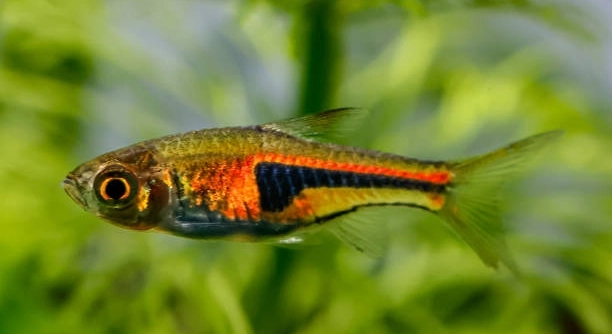
Rasboras are small, active fish that brighten up any aquarium. They usually enjoy stable, warm water, but their behavior changes noticeably when temperatures drop. Observing these shifts can help you care for them better and ensure their comfort.
When rasboras are exposed to cold water, their metabolism slows, and they become less active. They may cluster together near warmer areas of the tank, eat less frequently, and show minimal swimming behavior to conserve energy.
Learning about their cold-weather behavior helps you maintain a healthy aquarium. Proper care can prevent stress and ensure your rasboras thrive even in cooler conditions.
How Cold Affects Rasboras
Rasboras are tropical fish, so they are sensitive to temperature changes. When water becomes too cold, their bodies slow down. Swimming becomes sluggish, and they spend more time near the bottom of the tank or hiding among plants. Cold water affects their digestion, meaning they eat less and may even refuse food. Over time, extended exposure can weaken their immune system, making them more prone to illness. Their coloration may also fade slightly, and they lose some of their usual lively behavior. It’s not unusual to see them clustering together in one spot, trying to stay warm. Adjusting the tank temperature gradually can help them recover without stress. Using a heater or monitoring the room temperature can prevent sudden drops. Keeping water conditions stable is key to their health. Observing your rasboras daily helps you notice subtle changes before they become serious.
Cold water slows rasboras’ movement and reduces appetite, making careful temperature management important for their survival.
Monitoring tank temperature daily ensures rasboras remain active. Avoid sudden shifts to keep them healthy and stress-free.
Signs Your Rasboras Are Too Cold
Rasboras may swim less and stay hidden when the water is chilly.
Other signs include clustered behavior, reduced feeding, and paler colors. Lethargy is common, and they may rest at the tank bottom more often. Over time, their immune system can weaken, increasing risk of illness. Observing these signs early allows for quick adjustments. Gradually warming the water and maintaining a stable environment helps them regain normal activity. Avoid sudden temperature changes as they can cause shock or stress. Providing plants or decorations gives hiding spots that make them feel secure during colder periods. Consistency in care reduces the impact of temperature fluctuations. Recognizing subtle behavioral changes helps ensure long-term health. Even minor temperature drops can affect their metabolism, so monitoring is essential. A small heater or room adjustments often provide sufficient warmth. With attentive care, rasboras can remain healthy and display their natural lively patterns despite occasional cold spells.
Adjusting the Tank Temperature
Maintaining a stable tank temperature is essential for rasboras. Sudden drops can stress them, while gradual adjustments help them adapt. Using a reliable heater keeps water within a safe range, ensuring activity and feeding patterns remain normal.
A heater with a thermostat provides control over water temperature. Gradually raising the temperature by one or two degrees each day allows rasboras to adjust without shock. Monitoring with a thermometer ensures consistency, preventing unexpected drops during the night or colder months. Cold water slows metabolism, so stable warmth encourages normal swimming, feeding, and social behavior. Avoid placing the tank near windows or air vents, as sudden drafts can lower temperature and cause stress. Simple adjustments and regular monitoring make a noticeable difference in rasboras’ activity and overall health.
Plants and decorations also influence temperature stability. Dense foliage or rock arrangements provide areas for fish to find slightly warmer microhabitats. They naturally seek these spots when the water is cooler, reducing stress. Keeping these elements consistent supports adaptation, making the tank environment more comfortable. Over time, rasboras respond positively to steady temperatures, showing livelier colors and regular behavior. Careful management ensures their daily routine remains uninterrupted, even when the surrounding room is cold.
Feeding Rasboras in Cooler Water
Rasboras eat less when water is cold, so feeding requires adjustment.
Offering smaller, more frequent meals prevents leftover food from polluting the tank. Light, easily digestible foods are best. Avoid overfeeding, as their slowed metabolism can’t process large amounts, which can lead to digestive problems and water quality issues.
Frozen or live foods are often more appealing in cooler conditions. Small portions of brine shrimp or daphnia encourage natural foraging without overwhelming their system. Flakes or pellets should be softened to prevent swallowing difficulties. Observing their feeding behavior helps gauge appetite and overall health. Reducing meal size while increasing frequency maintains nutrition and prevents waste buildup. Maintaining good water quality is critical, as cold water slows filtration efficiency. Adapting feeding routines shows care for their needs, supporting energy levels and immunity even during colder periods. Proper feeding combined with stable temperature ensures rasboras remain active and healthy.
Creating Warm Zones in the Tank
Providing areas with slightly warmer water helps rasboras feel comfortable. Placing a heater near plants or decorations creates microhabitats where fish can gather without stress.
Floating plants or gentle water flow can also help maintain warmth in certain spots. Rasboras naturally cluster in these areas during cooler periods, conserving energy and reducing stress.
Observing Behavior Changes
Lethargy, reduced feeding, and clustering are signs rasboras are cold. Monitoring these behaviors daily helps detect temperature issues early.
Noticing subtle changes in swimming patterns or color can indicate stress. Quick adjustments to tank temperature or feeding routines help maintain health. Rasboras respond well to gradual changes and consistent care.
Preventing Cold Stress
Keep the tank away from drafts or open windows. Stable room temperature supports their well-being.
Regular temperature checks and a reliable heater prevent sudden drops that can weaken their immune system. Maintaining stability keeps rasboras active and healthy.
FAQ
How cold is too cold for rasboras?
Rasboras thrive in temperatures between 72°F and 78°F. Anything below 68°F can slow their metabolism and make them lethargic. Prolonged exposure to colder water increases stress and weakens their immune system. A reliable heater and thermometer help maintain a safe range.
Why do rasboras cluster together in cold water?
Clustering is a natural response to conserve heat and reduce energy loss. In cooler water, their metabolism slows, making swimming more difficult. Grouping together near warmer areas or decorations provides a slightly more comfortable microhabitat. This behavior is temporary and usually resolves when the water warms.
Do rasboras stop eating when it’s cold?
Yes, rasboras often eat less in cooler temperatures. Their digestion slows, and they may refuse food for short periods. Offering smaller, more frequent meals of easily digestible food like softened flakes, brine shrimp, or daphnia helps maintain nutrition without overloading their system.
Can cold water affect their color?
Cold water can cause slight fading of their natural coloration. Rasboras may appear paler or less vibrant during extended exposure to lower temperatures. Gradually warming the water and maintaining consistent tank conditions usually restores their bright colors.
How can I keep rasboras active in cooler months?
Maintaining a stable temperature and providing warm zones near heaters or plants encourages movement. Feeding smaller portions more frequently helps them remain energetic. Ensuring decorations and plants create microhabitats lets them move comfortably without wasting energy, supporting normal swimming and social behavior.
Is sudden temperature change harmful?
Yes, sudden drops or increases in temperature can shock rasboras. Stress from abrupt changes may cause lethargy, disease, or even death. Gradual adjustments of one or two degrees per day are safest. Monitoring the tank temperature closely prevents these risks and supports overall health.
Can decorations and plants help with cold stress?
Dense plants and rocks provide hiding spots and slightly warmer microhabitats. Rasboras naturally seek these areas when the water is cooler, which reduces stress. Keeping decorations consistent allows them to feel secure and maintain normal behavior even in colder periods.
Should I adjust feeding if the water is cold?
Yes, cold water slows metabolism, so smaller meals given more frequently are ideal. Avoid overfeeding, as uneaten food can pollute the tank. Softened flakes or small portions of live or frozen foods encourage eating without overwhelming their slowed digestive system.
How often should I check the temperature?
Daily checks are recommended, especially during seasonal changes. A thermometer ensures the heater is functioning correctly and helps you spot temperature drops early. Consistent monitoring prevents stress and keeps rasboras healthy and active throughout the year.
Can cold water cause illness in rasboras?
Yes, prolonged exposure to cold water weakens their immune system, increasing susceptibility to infections. Stress from temperature fluctuations can lead to bacterial or fungal problems. Maintaining stable warmth and observing behavior regularly reduces the risk of illness and supports overall well-being.
What is the best way to warm a tank gradually?
Use a reliable heater with a thermostat and increase the temperature by one or two degrees each day. Avoid placing the tank near sudden heat sources or drafts. Gradual warming allows rasboras to adapt safely and return to normal activity without stress.
How can I tell if my rasboras are recovering from cold stress?
Look for increased swimming activity, brighter coloration, and consistent feeding. When water is stable and temperature is within their preferred range, rasboras gradually regain energy and display normal social behavior. Patience and careful observation are key to ensuring full recovery.
Do all rasboras react the same way to cold?
Different species may vary slightly, but most rasboras display reduced activity, clustering, and appetite loss in cooler water. Observing each fish individually helps identify stress early and ensures proper care for all tank inhabitants.
Can cold water affect breeding?
Yes, colder temperatures slow metabolism and reduce reproductive behavior. Rasboras may stop spawning or display less interest in mating. Maintaining warmth within their preferred range encourages natural breeding behaviors and increases the chance of successful reproduction.
Are there long-term effects of repeated cold exposure?
Repeated exposure to low temperatures can lead to chronic stress, slower growth, weakened immunity, and higher susceptibility to disease. Consistent monitoring, stable heating, and proper feeding routines are essential to prevent long-term health issues and maintain their vitality.
How do I prevent temperature drops in winter?
Keep the tank away from windows, doors, and air vents. Use a heater with a thermostat and insulate the tank if necessary. Maintaining stable room temperature helps avoid sudden drops and keeps rasboras comfortable and healthy throughout colder months.
Can I use a heater with a timer for night adjustments?
Yes, but ensure the timer maintains consistent temperatures. Avoid settings that allow large fluctuations at night, as sudden drops can stress rasboras. Combining a reliable heater with daily monitoring provides the safest environment for the fish.
Do rasboras need extra oxygen in colder water?
Cold water holds more oxygen than warm water, so additional aeration is usually unnecessary. However, maintaining proper water circulation ensures oxygen is evenly distributed and prevents stagnation, supporting overall health during cooler periods.
How long does it take for rasboras to adjust to warmer water?
Adjustment depends on the temperature change and fish health. Gradual increases of one or two degrees per day allow them to acclimate safely. Usually, normal activity and feeding resume within several days once water is stable.
What signs indicate severe cold stress?
Extreme lethargy, refusal to eat, rapid breathing, and unusual hiding can indicate severe stress. Immediate adjustment of water temperature and careful observation are necessary. Prolonged exposure without correction may result in serious illness or death.
Can different fish in the same tank affect rasboras’ response to cold?
Yes, some species are more tolerant of lower temperatures. Mixing with hardier fish may reduce stress for rasboras, but it’s essential to maintain a safe temperature range suitable for all species in the tank to prevent conflict or illness.
How important is water quality during colder months?
Very important. Cold water slows metabolism and filtration efficiency, making ammonia and nitrite buildup more harmful. Regular testing, partial water changes, and avoiding overfeeding help maintain clean water and reduce stress on rasboras during cooler periods.
Are there signs that indicate rasboras are fully comfortable again?
Active swimming, bright colors, consistent feeding, and normal social behavior indicate comfort. Once the water is stable and temperature within their preferred range, rasboras return to usual routines and show minimal signs of stress.
Can supplemental lighting help in colder months?
Moderate lighting supports normal behavior and feeding patterns but does not replace temperature management. Consistent light cycles combined with stable warmth help rasboras maintain routine activity and reduce stress in cooler conditions.
Is it safe to leave the heater on all the time?
Yes, as long as the heater has a thermostat and is properly monitored. Continuous heating ensures stable temperatures, which is critical for maintaining metabolism, immunity, and overall health in rasboras during cold periods.
How do I know if the heater is working correctly?
Check the water temperature daily with a thermometer. Look for consistent readings and observe the heater indicator light if available. Any sudden temperature drops or unusual readings should be addressed immediately to prevent stress.
Can temperature stress affect rasboras’ lifespan?
Repeated or prolonged exposure to unsuitable temperatures can shorten lifespan due to chronic stress, disease susceptibility, and slowed growth. Stable, warm conditions and attentive care are crucial for long-term health and longevity of rasboras.
What is the most effective strategy for cold months?
Maintain stable water temperature, monitor feeding closely, provide warm zones, and observe behavior daily. Gradual adjustments, consistent care, and proper water quality ensure rasboras remain healthy, active, and stress-free even during extended cooler periods.
Rasboras are small but sensitive fish that respond quickly to changes in their environment. Cold water affects their metabolism, behavior, and overall health, so maintaining a stable, warm temperature is crucial. Watching their swimming patterns, feeding habits, and coloration can give you early signs of stress caused by lower temperatures. When the water is too cold, they may become lethargic, cluster together, or eat less. Recognizing these changes early allows you to make adjustments before they develop more serious health issues. Simple steps, like using a reliable heater, monitoring the water daily, and keeping the tank away from drafts or windows, can prevent most problems caused by temperature fluctuations.
Feeding also requires extra care when rasboras experience cooler water. Their slower metabolism means they cannot process large amounts of food at once, so offering smaller, more frequent meals is important. Softened flakes or small portions of live or frozen foods work best. Overfeeding can lead to uneaten food, which pollutes the tank and adds stress to the fish. Combining proper feeding with stable water conditions helps them maintain energy and supports their immune system. Decorations and plants provide hiding spots and microhabitats that can offer slightly warmer areas in the tank, giving them comfort and reducing stress. By making these adjustments, you help the fish feel safe and maintain normal behavior even in less-than-ideal temperatures.
Long-term care is essential for rasboras to thrive. Repeated exposure to cold or sudden temperature changes can lead to chronic stress, slower growth, weakened immunity, and higher risk of illness. Maintaining a consistent environment allows them to display natural behaviors, stay active, and retain their vibrant colors. Monitoring their daily habits, adjusting feeding routines, and using a heater properly all contribute to their overall well-being. By taking these simple, careful steps, you ensure that your rasboras remain healthy and energetic throughout the year. A stable environment not only helps them survive colder periods but also promotes long-term health, giving you the satisfaction of seeing lively, healthy fish in your aquarium.

Hello,
If you enjoy the content that we create, please consider saying a "Thank You!" by leaving a tip.
Every little bit helps us continue crafting quality advice that supports the health, happiness, and well-being of pets around the world, for pets of all shapes, sizes, and species.
We really appreciate the kindness and support that you show us!