
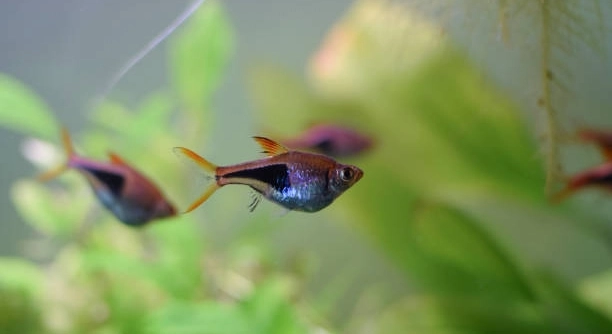
Rasboras are small, active fish that brighten up any aquarium. Many fish owners enjoy watching their behavior and wonder how seasonal changes in light might affect them. Observing patterns can help understand their natural rhythms.
Rasboras can respond to seasonal light cycles through changes in activity, feeding patterns, and occasional spawning behavior. Light duration influences their circadian rhythms, which affect overall well-being and can trigger subtle behavioral adaptations in captivity.
Recognizing these effects can help aquarists create a healthier environment. Adjusting light gradually may support natural behaviors and improve the fish’s daily routines.
How Light Influences Rasbora Behavior
Rasboras are naturally attuned to light and dark cycles in their environment. In the wild, they experience seasonal changes in daylight that guide feeding, schooling, and resting habits. When these fish are kept in aquariums, replicating natural light patterns can help them stay active and healthy. Too much or too little light can cause stress, affecting their coloration and energy levels. Observing their movements during different times of day can show subtle shifts in behavior. Some rasboras may hide more often under bright light, while others become more active during dim periods. Gradual changes in lighting are easier for them to adjust to than sudden shifts. Maintaining a consistent schedule with natural variation supports their internal rhythms. Even small adjustments, like extending light hours slightly during longer days, can influence mood and activity. Overall, understanding how light affects rasboras helps create a balanced, stable aquarium environment that mirrors their natural habitat.
Light cycles also affect feeding times and energy levels, helping maintain normal activity patterns and health.
Providing seasonal lighting variations benefits rasboras by encouraging natural behaviors. Observing their reactions helps tailor care routines. Gradual adjustments prevent stress and support their internal rhythms. Over time, these changes can improve overall activity, coloration, and readiness to breed. Maintaining a consistent light schedule while mimicking seasonal shifts can make them more predictable in behavior. It also helps identify any health concerns early, as unusual responses to light may indicate stress or illness. Small steps, like slowly increasing or decreasing light duration, are better than abrupt changes. By monitoring behavior, you can see how different rasboras respond individually, since some may be more sensitive to light than others. These practices ensure that their environment feels closer to natural conditions, improving their well-being. Knowing how light influences behavior also aids in planning aquarium decorations, plant placement, and tank layout, creating a more comfortable space for the fish.
Signs Rasboras Are Reacting to Light
Rasboras may change swimming patterns or hide more during unusual light conditions. Watching these subtle cues helps gauge their comfort level.
Changes in light can trigger distinct behavioral and physical responses in rasboras. Increased daylight hours often make them more active, encouraging exploration and social interactions within the school. Shorter days may lead to reduced movement, more resting periods, and occasional color dulling. Feeding responses can also shift, as rasboras may eat more actively when the light mimics longer days, while slowing down during dim periods. Spawning behavior is closely tied to light cycles, with many species initiating breeding when days lengthen. Adjusting aquarium lighting gradually to simulate seasonal changes helps maintain these natural rhythms. Sudden changes can stress the fish, making them more prone to illness or hiding excessively. Observing their responses provides insight into their health, mood, and readiness to spawn. Light positioning and intensity also matter, as direct, harsh light may cause avoidance, whereas gentle, diffuse lighting encourages natural activity. Creating an environment that reflects seasonal light cycles ensures that rasboras can thrive physically and mentally.
Adjusting Aquarium Light for Seasons
Changing light duration gradually helps rasboras adapt without stress. Shorter days in winter or longer days in summer can be simulated with timers for consistency.
Using timers allows for precise control over light hours, mimicking seasonal changes naturally. Gradual adjustments prevent sudden shifts that can confuse or stress the fish. For instance, increasing light by 15 minutes every few days helps them acclimate to longer summer days. Likewise, reducing light slowly during winter months encourages resting behavior and natural routines. Observing their activity during these changes can indicate how well they are adjusting. Consistent schedules also support feeding and schooling behaviors. Sudden bright or prolonged light periods can lead to hiding, reduced activity, or aggression among tank mates. Proper placement of light sources avoids harsh glare, while plants or decorations can provide natural shading. Balancing intensity and duration ensures the tank environment remains stable, supporting both health and behavior.
Light intensity should match seasonal patterns, avoiding extremes that disturb natural behavior. Adjusting gradually allows rasboras to maintain normal activity and energy levels.
Monitoring Rasboras During Seasonal Light Changes
Behavioral changes are clear indicators of how fish respond to altered light schedules. Watching their movement and interactions shows if adjustments are suitable.
When seasonal lighting is modified, rasboras may swim closer to shaded areas or gather near the surface depending on light intensity. Increased activity often occurs during simulated longer days, while shorter days may lead to more resting or hiding. Feeding patterns shift accordingly, with more active eating under longer light exposure. Schooling cohesion can also change, as stress or discomfort from sudden light changes may temporarily disrupt social behavior. Noting color changes helps identify stress levels, as dulling may signal too much or too little light. Observation over several days provides a clearer picture of adaptation. Some individuals may be more sensitive than others, so watching each fish can guide further adjustments. Keeping a light journal or schedule helps maintain consistency while tracking responses to seasonal changes. Recognizing these cues ensures the aquarium supports natural behaviors effectively.
Tools to Control Light Cycles
Timers and dimmable LEDs make managing seasonal light easier. They allow precise control over duration and intensity, reducing stress on rasboras.
Using adjustable lighting ensures that day-night cycles remain consistent. Gradual changes prevent sudden disruptions that could affect activity, feeding, or coloration in the fish.
Natural vs Artificial Light
Artificial light can simulate seasonal changes effectively if adjusted properly. However, natural sunlight provides subtle variations in intensity and spectrum that can benefit rasboras. Balancing the two ensures a stable environment.
Common Signs of Stress
Rasboras may hide, lose color, or become less active if light cycles are unsuitable. Observing these signs early helps prevent long-term health issues.
FAQ
How long should rasboras be exposed to light each day?
Rasboras thrive with around 10 to 12 hours of light daily. This mimics natural day lengths and supports normal activity and feeding patterns. Gradual seasonal adjustments of 15–30 minutes per week help them adapt without stress. Using a timer ensures consistency and prevents sudden changes.
Can too much light harm rasboras?
Yes, prolonged or intense light can stress them, causing hiding, color dulling, or reduced activity. Overexposure may disrupt feeding and schooling behavior. It’s important to balance brightness with tank decorations and plants to provide shaded areas for comfort and natural behavior.
Do rasboras need complete darkness at night?
Yes, rasboras benefit from a dark period to rest. Continuous light disrupts their circadian rhythm, affecting health and activity. Even a few hours of uninterrupted darkness help them maintain energy, support digestion, and regulate natural behaviors like schooling and swimming patterns.
Will seasonal light changes trigger spawning?
Light changes can influence spawning, especially when combined with proper temperature and water conditions. Longer light periods in spring or summer can encourage breeding behavior. However, light alone is not enough—stable water quality, nutrition, and a safe environment are also essential for successful spawning.
How can I tell if my rasboras are stressed by light?
Stress indicators include hiding, reduced swimming, color fading, or irregular schooling. Feeding behavior may slow, and some fish may become aggressive or lethargic. Observing responses to light changes over several days can reveal if adjustments are needed.
Should I use natural sunlight or artificial light?
Artificial light is usually preferred because it provides control and consistency. Natural sunlight can cause temperature fluctuations and algae growth. Combining indirect sunlight with controlled artificial lighting can work, but timers and adjustable LEDs give more reliable seasonal simulation.
Is dimming light necessary during seasonal changes?
Dimming can help simulate natural variations, especially during shorter winter days. Gradual dimming prevents sudden stress and supports normal rest and activity cycles. Many LEDs have dimming options, which are safer and easier than abrupt on-off schedules.
How often should I monitor behavior during light adjustments?
Daily observation is ideal, especially during gradual seasonal shifts. Watch swimming patterns, feeding, and interactions within the school. Taking notes or photos can help track subtle changes and ensure that all fish are adapting well to new light schedules.
Can plants in the aquarium affect light needs for rasboras?
Yes, live plants absorb light and create shaded areas, helping fish regulate exposure naturally. Dense plants can reduce brightness, providing hiding spots during longer light periods. Balancing plant density with light intensity ensures rasboras remain active without stress.
What is the best way to transition between seasons?
Gradually increase or decrease light by 15–30 minutes per week. Pair this with temperature stability and consistent feeding schedules. Observe behavior closely and adjust slowly if signs of stress appear. This approach closely mirrors natural seasonal shifts, promoting healthier fish over time.
Do different rasbora species respond the same way to light cycles?
Responses vary by species. Some are more sensitive to light changes, while others are more tolerant. Researching your specific species helps tailor light duration, intensity, and seasonal adjustments. Observing individual behavior ensures all fish are comfortable and active.
Can I leave lights on for longer if I want to see them more?
Extended light periods may increase visibility, but too much light can stress rasboras. Stick to 10–12 hours daily and use timers to maintain consistency. Consider adding plants or decorations for hiding spots to allow fish to retreat when needed.
Does light affect color intensity?
Yes, proper lighting enhances coloration, while inconsistent or harsh light may dull colors. Seasonal adjustments help maintain vibrant hues, especially during simulated longer days when activity and feeding are higher. Observing their colors over time indicates if lighting is appropriate.
Are timers essential for seasonal light changes?
Timers are highly recommended. They ensure gradual, consistent adjustments without relying on manual changes. Timers prevent abrupt shifts, supporting natural circadian rhythms, activity, and feeding behaviors. Even small daily changes can make a big difference in stress reduction and overall health.
Can rasboras adapt to constant artificial light?
They may survive under constant light, but it is not ideal. Continuous exposure disrupts natural behavior, sleep cycles, and health. Providing dark periods and gradual seasonal changes helps maintain energy, activity, and long-term well-being in captivity.
How long does it take for rasboras to adjust to new light schedules?
Adjustment can take several days to a few weeks depending on the extent of change and individual sensitivity. Gradual changes speed up adaptation, while sudden shifts may cause stress and hiding. Monitoring behavior closely ensures a smooth transition and stable routines.
Does light intensity matter more than duration?
Both are important. Duration regulates circadian rhythms, while intensity affects visibility, color, and stress levels. Moderate intensity with gradual seasonal adjustments supports natural behavior and overall health, especially when paired with shaded areas for comfort.
Can light changes affect feeding habits?
Yes, light influences appetite and feeding times. Longer light periods usually increase activity and encourage more consistent feeding, while shorter days may slow metabolism and reduce food intake. Observing responses helps optimize feeding schedules.
Should I adjust light differently for small vs. large tanks?
Tank size can affect light penetration. Larger or densely planted tanks may require slightly stronger light to reach all areas, but gradual seasonal adjustments remain important. Ensure shaded areas exist so rasboras can retreat if needed, balancing exposure with comfort.
How do I combine seasonal light changes with temperature adjustments?
Light and temperature often go hand in hand. Gradually lengthening light in spring should coincide with slightly warmer water, while shorter winter light pairs with cooler water. Coordinated changes mimic natural conditions, supporting spawning, activity, and overall health.
Is monitoring color a reliable way to track stress from light?
Color is a good indicator but should be considered with behavior. Fading or dull coloration often signals stress, while active swimming and regular feeding indicate comfort. Tracking both aspects provides a clearer picture of how rasboras respond to seasonal light cycles.
Can lighting affect tank algae growth?
Yes, longer or intense light can increase algae. Balancing duration, intensity, and plant density helps control growth while still providing suitable light for rasboras. Regular maintenance ensures a healthy environment without compromising fish behavior or health.
What is the best approach for beginners adjusting seasonal light?
Start with timers and LEDs, increase or decrease light gradually, and observe behavior daily. Keep notes, provide hiding spots, and avoid sudden changes. This simple method supports healthy adaptation and reduces stress for both the fish and the aquarist.
How critical is consistency in daily light cycles?
Consistency is very important. Regular cycles help maintain circadian rhythms, feeding patterns, and activity. Sudden changes can cause stress and disrupt schooling. Timers make maintaining this consistency easier, ensuring a stable environment over weeks and months.
Do rasboras react differently to full-spectrum vs. standard LED lights?
Full-spectrum LEDs mimic natural sunlight better, enhancing coloration and supporting natural rhythms. Standard LEDs work but may not provide subtle seasonal variations. Full-spectrum lighting is especially beneficial for observing behavior and maintaining health during seasonal adjustments.
Are there long-term benefits to seasonal light adjustments?
Yes, replicating natural light cycles supports activity, feeding, coloration, breeding behavior, and overall health. Fish become more predictable and less stressed, and maintaining natural rhythms helps prevent long-term problems related to energy imbalance, stress, or weakened immunity.
How can I tell if light adjustments are too fast?
Signs include excessive hiding, color fading, reduced feeding, or erratic swimming. If these appear, slow down changes and provide more shaded areas. Gradual adaptation ensures comfort and minimizes stress, making seasonal adjustments more effective.
What is the ideal balance between light and darkness in a day?
Around 10–12 hours of light and 12–14 hours of darkness works well, with gradual seasonal adjustments. This balance mimics natural conditions, supports circadian rhythms, feeding, and activity, and ensures that rasboras remain healthy and vibrant throughout the year.
Can seasonal light adjustments help prevent aggression?
Yes, stable and gradual changes reduce stress, which can otherwise lead to aggression. Proper light cycles help maintain schooling cohesion and predictable interactions, minimizing disputes over territory or feeding within the tank.
Do rasboras need different light in winter vs. summer?
Yes, mimicking shorter winter days and longer summer days supports natural behavior. Gradual adjustments in both duration and intensity allow fish to follow seasonal rhythms without stress, promoting healthy activity and normal feeding patterns.
How often should I clean or check lights during seasonal changes?
Regularly inspect lights every few weeks to ensure consistent intensity and functioning. Dust, algae, or equipment wear can reduce effectiveness, affecting fish behavior and health. Keeping lights in good condition ensures proper seasonal simulation.
Can lighting influence the overall lifespan of rasboras?
Proper lighting supports natural rhythms, reduces stress, and encourages normal behavior, indirectly contributing to longevity. Maintaining consistent day-night cycles and seasonal variations helps keep fish healthy, active, and less prone to illness over time.
What is the main takeaway for adjusting seasonal light for rasboras?
Gradual, consistent changes in duration and intensity mimic natural cycles. Monitoring behavior, providing shaded areas, and pairing with temperature stability ensures fish remain healthy, active, and vibrant throughout the year.
Rasboras are sensitive to their environment, and light plays a big role in their daily lives. Replicating seasonal light cycles in an aquarium helps them follow natural rhythms, affecting their activity, feeding, and overall well-being. Gradual adjustments in light duration, rather than sudden changes, make it easier for the fish to adapt. Observing their behavior during these changes can give valuable clues about their comfort and health. Fish that are comfortable with their light environment tend to swim more actively, show vibrant colors, and interact more naturally within their school. On the other hand, when light conditions are inconsistent or too intense, rasboras may hide more often, reduce their feeding, or become stressed. Paying attention to these subtle signals allows aquarists to make small but important changes that support long-term health.
Using timers and adjustable LEDs is a practical way to control light cycles accurately. These tools help create consistent day-night schedules while allowing gradual seasonal shifts. For example, increasing light by 15 to 30 minutes every few days can mimic the lengthening days of spring or summer, while slowly decreasing light can simulate shorter winter days. This approach avoids shocking the fish and reduces stress, which is especially important in tanks with multiple species or densely planted areas. Combining artificial light with tank plants or decorations can also help create shaded areas, giving fish the option to retreat when they need a break from bright light. Observing the interaction between light, plant growth, and fish behavior provides insight into how well seasonal adjustments are working. It also ensures that rasboras maintain normal activity and feeding patterns, which is crucial for overall health.
Monitoring behavior closely during seasonal light adjustments is key to creating a stable and comfortable environment. Signs such as hiding, dull coloration, reduced swimming, or irregular feeding indicate that light conditions may need modification. Not all rasboras respond the same way; some may be more sensitive to changes in intensity or duration, so individual observation is important. Maintaining a balance between light and darkness, while mimicking seasonal variations, supports natural circadian rhythms, encourages healthy feeding habits, and can even promote breeding behavior. Gradual changes combined with consistent routines help rasboras thrive in captivity, allowing them to display natural behaviors and vibrant colors. Creating this stable environment not only benefits their physical health but also makes observing them more rewarding, as the fish become more active and predictable in their routines. By understanding the impact of light and making thoughtful adjustments, aquarists can provide a supportive habitat that enhances the quality of life for their rasboras year-round.

Hello,
If you enjoy the content that we create, please consider saying a "Thank You!" by leaving a tip.
Every little bit helps us continue crafting quality advice that supports the health, happiness, and well-being of pets around the world, for pets of all shapes, sizes, and species.
We really appreciate the kindness and support that you show us!