
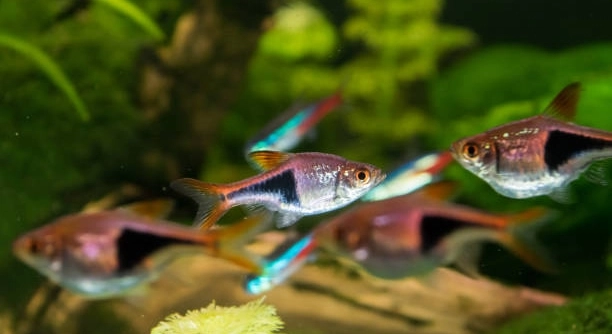
Keeping rasboras healthy can be a challenge if their tank experiences sudden changes. These small, delicate fish are sensitive to environmental shifts that might seem minor but can affect their overall wellbeing. Even slight temperature changes matter.
Rasboras experience stress when their water temperature fluctuates frequently or abruptly. Rapid shifts can impair their immune system, disrupt metabolism, and cause behavioral changes, ultimately affecting growth, reproduction, and overall health if not carefully managed.
Learning to recognize these temperature swings is essential for maintaining a calm, stable tank environment. Awareness helps create conditions where rasboras can thrive without unnecessary stress or health risks.
Sudden Day-to-Night Temperature Drops
Rasboras are small tropical fish, and they thrive in stable water conditions. Sudden drops in temperature, especially during the night, can stress them significantly. When the temperature falls quickly, their metabolism slows down, making it harder to digest food or swim actively. Stress can also weaken their immune system, leaving them more prone to illness. Many hobbyists do not realize that room temperature changes overnight, particularly in unheated rooms or during winter, can affect the aquarium. Using a reliable heater and monitoring the water regularly helps maintain consistency. Even a few degrees of fluctuation can cause subtle behavioral changes like hiding, reduced activity, or loss of appetite. Over time, repeated night-to-day temperature swings can lead to chronic stress. This may result in stunted growth or long-term health problems. Consistent water temperature is one of the simplest ways to help your rasboras feel secure and energetic.
Monitoring night temperatures carefully and using a stable heater reduces stress in rasboras, promoting proper metabolism and healthy behavior over time.
Keeping the tank insulated or using a thermostat can prevent sudden drops. Small adjustments in heater placement or covering parts of the tank can make a noticeable difference in stability.
Rapid Morning Warm-Ups
Rapid morning temperature increases can be just as stressful as sudden drops. When the water warms too quickly, rasboras may become hyperactive or disoriented, leading to erratic swimming or collisions.
Rapid warming affects oxygen levels in the water. As temperature rises, oxygen dissolves less efficiently, making it harder for rasboras to breathe properly. This can cause short-term panic or gasping at the surface. Over time, consistent rapid warm-ups can weaken their health, leaving them more vulnerable to disease. Rasboras rely on stable conditions to regulate their body functions, and sudden heat changes force their metabolism to adjust too quickly. Tank heaters should be set to gradual increments if adjustments are necessary, and external factors like sunlight or nearby heating vents should be monitored. Even if the temperature rise seems minor, small repeated fluctuations can accumulate stress. Observing their behavior during these warm-ups helps identify potential risks before they affect long-term health. Maintaining a steady environment is crucial for keeping these small fish calm, active, and healthy.
Afternoon Sun Heating
Direct sunlight can raise the tank temperature quickly, stressing rasboras. Even a short period of exposure can make water warmer than their preferred range, causing agitation and rapid swimming.
Excessive afternoon heat reduces oxygen levels and accelerates metabolism. Rasboras may appear restless, swim near the surface, or hide more than usual. Prolonged exposure can lead to long-term health issues such as weakened immunity or digestive problems. Monitoring the tank placement and using blinds or curtains can prevent sudden temperature increases. Small fans or floating plants also help reduce heat absorption and create shaded areas. Maintaining a consistent temperature around 24–26°C ensures they remain calm and active throughout the day.
Preventing afternoon heat spikes is easier with simple adjustments like moving the tank away from direct sunlight or using reflective surfaces. Even small measures can protect rasboras from stress and support their overall wellbeing.
Heater Malfunctions
A malfunctioning heater can cause water to become too hot or too cold unexpectedly. Sudden temperature swings from faulty equipment stress rasboras immediately.
Heater failures disrupt the delicate balance in tropical aquariums. If the temperature rises too high, rasboras may show signs of lethargy, rapid gill movement, or erratic swimming. Too low, and they become sluggish and stop eating properly. Consistently monitoring the heater and using a reliable thermostat helps prevent dangerous fluctuations. Regular maintenance, such as checking cords and cleaning deposits, reduces the risk of sudden malfunctions. Using a backup heater or thermometer ensures early detection of problems, protecting fish from prolonged exposure to unsafe temperatures.
Even a small variation caused by equipment failure can have noticeable effects on behavior and health. Understanding how heaters influence tank stability allows for proactive measures, keeping rasboras calm and maintaining their normal routines.
Cold Drafts
Cold drafts near windows or vents can lower tank temperatures quickly, stressing rasboras. Even brief exposure can make them sluggish or hide more than usual.
Repeated exposure to drafts can disrupt their metabolism and weaken immune responses. Positioning the tank away from airflow sources helps maintain stable conditions and reduces stress.
Overheated Room
If the room temperature rises above the tank’s safe range, rasboras may become restless and display rapid gill movements. High ambient heat can intensify oxygen depletion in the water, causing temporary panic or erratic swimming. Ensuring the room stays within a comfortable range for the tank helps maintain stable conditions and supports healthy behavior in rasboras.
Inconsistent Thermometer Readings
Relying on an inaccurate thermometer can mislead tank owners, making temperature management difficult. Checking and calibrating equipment regularly ensures proper readings.
How can I tell if my rasboras are stressed from temperature swings?
Rasboras show stress in subtle ways. They may hide frequently, swim erratically, or gasp at the surface. Appetite loss is also common, and you might notice faded colors or clamped fins. These signs indicate the tank’s temperature is fluctuating outside their comfortable range, and quick adjustments are necessary.
What is the ideal temperature range for rasboras?
Most rasboras prefer water between 24°C and 26°C. Maintaining this range helps them stay active, eat regularly, and remain healthy. Even small deviations can cause stress if repeated often. Consistent monitoring with a reliable thermometer ensures the water stays within this range, reducing behavioral and health problems.
Can sudden temperature changes kill rasboras?
Yes, rapid shifts can be dangerous. Extreme drops can slow metabolism, while sudden heat spikes can reduce oxygen levels. Both situations increase vulnerability to disease and can result in fatal outcomes if prolonged. Stability is far more important than reaching an exact temperature.
How do I prevent night-to-day temperature swings?
Using a stable aquarium heater with a thermostat helps maintain consistent water temperature. Insulating the tank or keeping it away from windows and vents prevents drops at night. Regular checks in the morning ensure the tank stays within a safe range for your fish.
What should I do if the heater fails?
First, remove rasboras from dangerously hot or cold water if possible. Use a backup heater or temporary heating method to stabilize conditions. Check the faulty heater for damage and replace it immediately. Having a thermometer in the tank allows quick detection of unsafe temperatures before they cause harm.
Can room temperature affect my tank?
Yes, the surrounding room influences water temperature, especially in smaller tanks. Hot afternoons or cold drafts can create rapid changes. Positioning the tank away from vents, radiators, or direct sunlight prevents these fluctuations and keeps rasboras calm and healthy.
Do decorations or plants help with temperature stability?
Yes, floating plants or decorations can buffer temperature changes by providing shade and reducing direct heat from sunlight. Dense plant coverage slows water movement, helping maintain a more uniform temperature throughout the tank. This creates a more comfortable environment for rasboras.
How often should I check the tank temperature?
Daily checks are recommended, especially if the tank is in a room with varying temperatures. During seasonal changes, extra monitoring ensures sudden swings don’t stress your fish. Regular observation of both fish behavior and thermometer readings helps catch problems early.
Is it okay to adjust temperature gradually?
Gradual adjustments are safe and allow rasboras to acclimate. Rapid changes, even a few degrees, can cause stress. Use the heater’s incremental settings or move the tank slowly to a warmer or cooler area if needed. Patience prevents unnecessary health problems.
Can multiple rasboras tolerate different temperatures?
Rasboras generally prefer uniform conditions. Housing them together in water outside their ideal range can cause unequal stress levels. Consistently maintaining 24–26°C ensures all fish remain healthy, active, and display natural behaviors without competing for comfort.
What tools help maintain a stable tank?
Reliable heaters with thermostats, calibrated thermometers, and possibly an aquarium controller for automated monitoring are essential. Insulating covers and fans for heat control help during extreme conditions. Investing in proper equipment reduces stress risks and protects your rasboras over time.
How long does it take for stress effects to show?
Stress signs can appear quickly, sometimes within hours of temperature swings. Behavioral changes such as hiding, erratic swimming, or appetite loss may be immediate. Prolonged exposure worsens symptoms, impacting immune function and growth over days or weeks. Early intervention is critical.
Can stress from temperature swings be reversed?
Yes, with consistent care. Stabilizing water temperature, improving oxygen levels, and monitoring feeding habits help rasboras recover. Recovery may take days to weeks, depending on stress severity. Consistency in tank conditions prevents relapse and supports long-term health.
Are there long-term effects of repeated temperature stress?
Repeated fluctuations can weaken immune systems, slow growth, and reduce lifespan. Chronic stress may make rasboras more susceptible to disease and behavioral issues. Maintaining stable temperatures and addressing potential risks early prevents long-term damage and promotes a healthy aquarium environment.
Do smaller tanks increase temperature stress?
Smaller volumes of water are more sensitive to environmental changes. Even slight room temperature shifts or heater malfunctions can cause rapid fluctuations. Using a stable heater, regular monitoring, and protective placement reduces the risk of stress in small aquariums.
How can I acclimate new rasboras to prevent stress?
Introduce new fish slowly using temperature-matched water from the tank. Gradually mix tank water over 30–60 minutes to reduce shock. Avoid placing them in a tank with unstable temperatures, as sudden environmental changes increase stress and can compromise their health.
Is water quality affected by temperature swings?
Yes, rapid changes can alter oxygen levels, pH, and chemical balance. High temperatures reduce dissolved oxygen, while cold water slows biological processes. Maintaining stable temperatures supports consistent water quality, which directly impacts rasboras’ health and reduces stress.
How important is observation in preventing stress?
Constant observation is key. Noticing subtle behavioral changes, unusual hiding, or rapid gill movement helps detect early stress signs. Immediate adjustments prevent long-term effects, keeping rasboras active, healthy, and calm in their tank.
Can seasonal changes affect rasboras?
Seasonal temperature shifts in the room can impact tank stability. Winter drafts or summer heat waves may stress fish if the tank isn’t monitored. Adjusting heaters, insulation, and placement seasonally helps maintain a consistent environment year-round.
Do all rasbora species react the same to temperature swings?
While preferences vary slightly by species, most rasboras are sensitive to rapid changes. The general range of 24–26°C applies to most commonly kept types. Consistency is more important than exact temperature for minimizing stress and maintaining overall health.
Can I use a timer or automation to manage temperature?
Yes, automated heaters and controllers can adjust settings gradually and maintain stability. Timers for lights help prevent heat spikes from prolonged exposure to sunlight. Automation reduces human error and helps create a consistent, stress-free environment for rasboras.
Maintaining a stable environment for rasboras is essential for their overall health and wellbeing. These small, delicate fish are sensitive to changes in water temperature, and even minor fluctuations can cause stress over time. Stress in rasboras may not always be immediately visible, but it affects their behavior, appetite, and immune system. When their tank experiences sudden drops or spikes in temperature, they may hide more, swim erratically, or become less active. These changes, while subtle at first, can accumulate and eventually lead to more serious health issues. By paying attention to the water conditions and keeping the temperature consistent, you create an environment where rasboras feel safe, energetic, and comfortable. Simple actions, such as using a reliable heater, checking the thermometer daily, and monitoring for drafts or direct sunlight, can make a significant difference in their overall wellbeing.
Temperature management is not just about comfort—it directly impacts the physiological functions of rasboras. Sudden drops slow their metabolism, which can affect digestion and growth, while rapid increases can reduce oxygen levels, leading to agitation and potential breathing difficulties. Both situations can weaken their immune response, making them more vulnerable to illness. Over time, repeated exposure to inconsistent temperatures can result in long-term stress, stunted growth, or even shortened lifespan. Ensuring a stable tank requires attention to detail and a proactive approach. Regularly checking equipment, maintaining the heater, and using insulation or shading methods helps prevent abrupt changes. Even small measures, like covering part of the tank to reduce drafts or adjusting room temperature gradually, can protect rasboras from unnecessary stress. Stability in their aquatic environment is key to maintaining their natural behaviors and vibrant appearance.
Creating a healthy, stress-free environment for rasboras also promotes longevity and natural behavior. When the water temperature is consistent, these fish are more likely to eat well, swim actively, and interact with each other normally. Stable conditions reduce the likelihood of disease and allow them to thrive in ways that are difficult to achieve in fluctuating environments. Observing their behavior regularly provides valuable insight into how well the tank is maintained and whether adjustments are needed. By taking simple, consistent steps to manage temperature, tank owners can ensure their rasboras live healthy, active lives. Overall, attention to temperature stability is one of the most important aspects of responsible care, and it helps rasboras remain vibrant and stress-free in their home.

Hello,
If you enjoy the content that we create, please consider saying a "Thank You!" by leaving a tip.
Every little bit helps us continue crafting quality advice that supports the health, happiness, and well-being of pets around the world, for pets of all shapes, sizes, and species.
We really appreciate the kindness and support that you show us!