
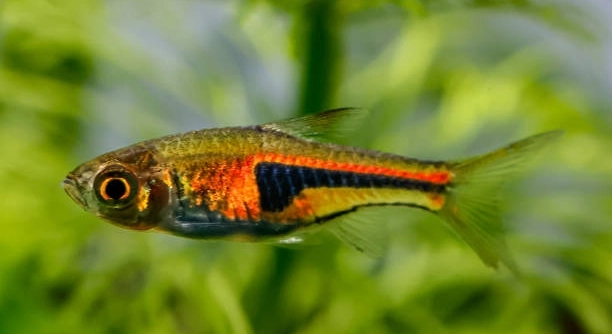
Rasboras are small, active fish that bring life to home aquariums. They move gracefully among plants and decorations, yet often avoid certain areas of the tank, leaving some spots strangely empty. Observing this behavior can be puzzling.
Rasboras avoid specific tank zones primarily due to stress, water flow, and environmental discomfort. Areas with strong currents, poor lighting, or lack of cover are often seen as unsafe, prompting these fish to congregate in calmer, sheltered regions instead.
Learning why these areas are avoided helps improve tank design and fish wellbeing. Simple adjustments can encourage more balanced movement throughout the aquarium.
Understanding Rasbora Behavior in Different Tank Zones
Rasboras are naturally cautious fish that respond strongly to their environment. Open areas with bright lights can feel exposed, making them stick to shaded corners or near plants. They also tend to avoid zones with strong water currents, as constant movement can exhaust them quickly. Decorations and tank layout matter too. Sharp edges or unfamiliar objects can create stress, causing the fish to steer clear. Even water temperature fluctuations in certain parts of the tank can influence their location. By observing where rasboras spend most of their time, you can identify patterns and adjust the tank accordingly. Creating a variety of safe zones encourages more natural exploration. Slowly adding new decorations or adjusting lighting can help them feel secure. Many aquarists notice that rasboras form small groups in calmer regions. This grouping is not just social; it’s a way for them to feel protected while navigating their environment.
Rasboras often prefer the middle and lower levels of the tank where they feel more protected.
Providing hiding spots and gentle currents encourages balanced movement. It helps maintain their health and reduces stress levels.
Water Conditions and Their Impact
Water quality plays a major role in where rasboras swim. Even slight differences in pH, temperature, or hardness can make them avoid certain zones. They are sensitive to sudden changes, so uneven conditions across a tank can lead to clustering in stable areas. Consistent filtration and regular water testing are important to keep conditions uniform. Sediment buildup in corners or near decorations can also influence their behavior, as rasboras dislike murky or stagnant water. Slow adjustments to water parameters prevent stress and help them explore more freely.
Stable and balanced water conditions improve rasbora activity.
Ensuring the tank has proper circulation, clean surfaces, and uniform temperature encourages the fish to spread evenly. It’s important to remember that rasboras are schooling fish, and their behavior is influenced by both the environment and each other. Uneven lighting or temperature can lead to unusual swimming patterns or crowding in preferred zones. By monitoring their habits, aquarists can identify trouble spots and make small adjustments to water flow, filtration, and heating. Over time, these changes allow the fish to move confidently throughout the tank, reducing stress and promoting natural activity. Attention to detail in water conditions not only enhances their comfort but also contributes to vibrant colors and overall health. Creating an environment that feels safe encourages exploration, interaction, and normal behavior, making the tank more lively and visually appealing.
Tank Layout and Hiding Spots
Rasboras naturally seek shelter to feel safe. Plants, rocks, and decorations create zones they prefer. Open areas without cover can make them hesitant to explore, while well-planned hiding spots encourage movement and reduce stress, making the tank feel more comfortable and balanced for them.
Arranging the tank thoughtfully impacts rasbora behavior significantly. Tall plants or dense foliage in corners give them security, allowing the fish to venture into open spaces when they feel safe. Rocks and driftwood also create visual barriers, breaking up strong currents and offering quiet retreats. Avoid overcrowding, as too many objects can restrict swimming space, causing stress instead of comfort. The goal is a balance: enough cover to feel secure, but plenty of open areas to encourage natural swimming patterns. Watching their response helps adjust placement gradually and keeps the tank harmonious.
Hiding spots also serve as resting areas during feeding or high activity. Rasboras use these zones to regroup with the school and maintain social structure. Careful placement ensures they feel secure without isolating themselves. Observing how they move between open spaces and shelters can guide ongoing adjustments, promoting confidence and exploration over time.
Lighting and Its Effects
Lighting intensity and placement influence where rasboras swim and rest. Bright, direct light often drives them toward shaded areas, while softer, diffused lighting encourages activity across more zones. Adjusting lighting gradually prevents sudden stress reactions and helps fish adapt naturally.
Consistent lighting patterns are key for rasbora health and behavior. Sudden changes in brightness can trigger hiding or clustering, reducing overall movement. Using floating plants or strategically positioned decorations softens light and creates comfortable zones. Timers help maintain a regular day-night cycle, supporting natural rhythms and feeding habits. Avoiding excessively harsh lighting prevents stress and color fading, while gentle illumination highlights tank features without overwhelming the fish. Over time, balanced lighting encourages exploration and reduces the tendency to avoid certain areas, resulting in a more active and visually appealing aquarium.
Water Flow and Current
Rasboras avoid areas with strong currents because they can tire quickly. Gentle, consistent water movement allows them to swim comfortably and explore more freely. Uneven flow creates zones they perceive as unsafe, leading to clustering in calmer areas.
Adjusting filter output or adding flow-breakers helps balance the current. Rocks, plants, or driftwood can reduce strong water streams, creating safe pockets. These calm zones encourage natural swimming and allow the fish to move without stress. Observing where they congregate helps identify problem spots and adjust flow accordingly.
Tank Temperature
Stable temperature is essential for rasbora activity. Sudden changes or uneven heating cause them to avoid affected zones, favoring areas with consistent warmth. Maintaining a steady range supports health, stress reduction, and normal swimming patterns throughout the tank.
Social Behavior
Rasboras are schooling fish, and their position in the tank is influenced by their group. They prefer to stay together, which affects how they explore and interact with different zones.
Feeding Areas
The location of feeding spots also impacts where rasboras spend time. They tend to gather around familiar feeding areas and may avoid zones far from regular food delivery. Providing multiple feeding points encourages more even distribution and prevents overcrowding in specific tank regions.
FAQ
Why do my rasboras hide most of the time?
Rasboras are naturally cautious and use hiding as a survival instinct. Bright lights, open spaces, or sudden movements can make them retreat. Providing plants, rocks, or other shelters gives them a sense of security, helping them feel comfortable enough to swim more openly over time.
Can tank decorations influence rasbora movement?
Yes, decorations play a major role in how rasboras navigate their environment. Tall plants, driftwood, and rocks create safe zones, while empty, open areas may feel exposed. A well-balanced arrangement encourages exploration while giving the fish secure resting places throughout the tank.
How does lighting affect their behavior?
Rasboras prefer diffused, soft lighting. Harsh or direct light makes them stay in shaded corners, avoiding open areas. Gradually adjusting lighting intensity or using floating plants to diffuse light allows them to feel safer and explore more zones without stress.
Do water currents stress rasboras?
Strong or uneven currents can tire rasboras and create areas they avoid. Gentle, consistent flow helps them swim naturally. Adding plants, rocks, or flow breakers can reduce strong streams, creating calm pockets for resting and social interaction with the school.
Is temperature variation a problem?
Yes, rasboras are sensitive to sudden or uneven temperature changes. Cooler or warmer zones may be avoided, causing clustering in preferred areas. Maintaining a stable temperature throughout the tank ensures normal swimming behavior and reduces stress.
How does schooling affect tank zone usage?
Rasboras move in groups, and their social structure affects where they spend time. If one fish avoids a zone, the others often follow. Keeping the school together with enough space and secure areas helps distribute movement evenly across the tank.
Can feeding habits influence their location?
Yes, rasboras tend to gather near familiar feeding spots. Providing multiple feeding locations prevents overcrowding in one area and encourages movement throughout the tank. Observing their response to feeding can help optimize placement and improve overall activity levels.
Why do some zones feel “unsafe” to them?
Zones may feel unsafe due to strong currents, poor lighting, or lack of cover. Unfamiliar decorations or cluttered areas can also trigger avoidance. Gradual adjustments, combined with consistent conditions, make these zones more inviting over time.
Will adjusting water quality change their behavior?
Absolutely. Rasboras respond to pH, hardness, and cleanliness. Uneven conditions can create preferred zones. Regular testing, filtration, and water changes help maintain uniform conditions, encouraging balanced movement and reducing stress.
How long does it take for rasboras to explore the whole tank?
This depends on tank setup and individual fish temperament. With stable water conditions, proper lighting, gentle currents, and adequate hiding spots, most rasboras start exploring more evenly within a few weeks. Patience and observation are key to seeing full activity.
Can overcrowding affect zone avoidance?
Overcrowded tanks make rasboras feel stressed and unsafe. They may cluster in fewer zones, avoiding open areas entirely. Ensuring enough space per fish and balanced decoration placement reduces stress and encourages natural swimming patterns.
Do different rasbora species behave differently?
Yes, some species are more timid, while others are slightly bolder. Observing species-specific tendencies helps in designing the tank with the right amount of cover, lighting, and flow suitable for each type.
How do I encourage shy rasboras to explore more?
Introduce gradual environmental changes, like adjusting flow, adding plants, or softening lighting. Feeding from multiple points and providing safe hiding spots encourages confidence. Avoid sudden changes that could increase stress and push them back into hiding.
Are sudden noises or vibrations a concern?
Yes, rasboras are sensitive to vibrations and loud noises. Tank placement on a stable surface and reducing disturbances around the aquarium can prevent stress, helping them feel safe and more willing to explore different zones.
Can plants alone improve movement throughout the tank?
Plants provide security and visual barriers, which are essential. Dense areas allow resting and shaded zones, while open spaces encourage swimming. Using a mix of tall, mid-level, and floating plants creates a balanced environment that supports natural exploration.
Does the size of the tank matter for zone avoidance?
Yes, smaller tanks limit movement and can increase stress if zones are poorly arranged. Larger tanks with thoughtful layout, proper flow, and sufficient hiding spots allow rasboras to feel safe and distribute themselves naturally, reducing avoidance of certain areas.
How important is gradual acclimation?
Very important. Sudden introduction into a new tank can cause immediate zone avoidance. Slowly acclimating rasboras to water temperature, pH, and tank layout helps them explore confidently and reduces long-term stress.
Can social stress cause them to avoid areas?
Yes, dominant or aggressive fish can influence where rasboras swim. Ensuring compatible tank mates and enough space for the school to move freely helps prevent avoidance behavior caused by social pressure.
Does the type of substrate affect their comfort?
Rasboras prefer smooth, fine substrates over rough or sharp ones. Uneven or uncomfortable substrate areas may be avoided. Using sand or smooth gravel ensures the fish can swim and forage without feeling exposed or stressed.
Are there signs that a tank zone is causing stress?
Yes. Fish may cluster in one corner, hide excessively, or display erratic swimming near certain zones. Monitoring these behaviors helps identify problem areas, allowing adjustments in flow, lighting, or decorations to make the tank more comfortable.
Rasboras are small, delicate fish that respond strongly to their environment. Their behavior in a tank is often a direct reflection of how safe and comfortable they feel. Certain areas may be avoided simply because they feel exposed, have stronger water currents, or lack adequate cover. Observing where your fish spend most of their time can reveal a lot about the tank setup and water conditions. Over time, it becomes easier to identify patterns in their movement and understand their needs. Simple changes, like rearranging decorations or adjusting lighting, can make a significant difference in encouraging them to explore the full space of the aquarium.
Water quality, temperature, and consistent flow are also key factors influencing rasbora behavior. Uneven temperature zones or strong currents can make certain areas uncomfortable for the fish, leading to clustering in calmer spots. Maintaining stable conditions throughout the tank helps reduce stress and promotes healthy swimming patterns. Similarly, lighting plays a role in where rasboras feel safe. Too bright or direct lighting may cause them to stay hidden, while diffused or soft lighting encourages them to move more freely. Providing a mix of open swimming areas and secure hiding spots ensures they can balance exploration with safety, which is vital for their overall well-being.
Social behavior cannot be overlooked when considering zone avoidance. Rasboras are schooling fish and feel most secure when in a group. If one fish avoids an area, others often follow, creating clusters in preferred zones. Proper spacing, multiple hiding spots, and thoughtful feeding arrangements help distribute the school more evenly across the tank. Overcrowding or aggressive tank mates can increase avoidance behavior, so attention to social dynamics is important. By observing their habits and making small, gradual adjustments, you can create an environment where rasboras feel secure, active, and healthy. A well-balanced tank benefits not only their physical health but also their natural behavior, ensuring a lively and visually appealing aquarium.

Hello,
If you enjoy the content that we create, please consider saying a "Thank You!" by leaving a tip.
Every little bit helps us continue crafting quality advice that supports the health, happiness, and well-being of pets around the world, for pets of all shapes, sizes, and species.
We really appreciate the kindness and support that you show us!