
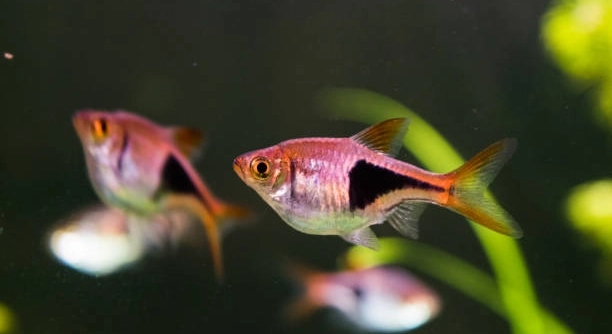
Many aquarium enthusiasts enjoy keeping rasboras for their lively colors and peaceful nature. Observing them swim gracefully can be soothing, yet seeing them gasp at the surface can be alarming and indicate an underlying problem in their environment.
Rasboras gasping at the top of the tank is commonly caused by low oxygen levels, poor water quality, overcrowding, disease, temperature fluctuations, improper feeding, or stress. Each factor can compromise their gill function and overall health if not addressed.
Recognizing these causes early will help maintain a healthier, more comfortable habitat for your rasboras. Proper care ensures their energy and vibrant appearance remain consistent.
Low Oxygen Levels
Rasboras rely on oxygen dissolved in water to breathe properly. When oxygen levels drop, they instinctively swim near the surface where gas exchange is higher. This can happen in tanks with poor circulation, excessive plants, or warm water, which holds less oxygen. Aeration devices like air stones, filters, or gentle water movement can help maintain consistent oxygen levels. Regular monitoring of oxygen and ensuring your tank is not overcrowded prevents stress and supports healthy gill function. Small changes, like partial water changes and avoiding stagnant corners, make a noticeable difference. Even slight drops in oxygen can trigger visible gasping behavior. Observing your rasboras during peak activity times can reveal areas in the tank that need more circulation or surface movement. Consistent care ensures they remain active and healthy.
Low oxygen is one of the most immediate and observable reasons rasboras gasp at the surface, requiring prompt attention.
Maintaining proper oxygen levels also supports other aspects of tank health. Adequate aeration prevents buildup of harmful gases like carbon dioxide, reduces algae growth, and encourages beneficial bacteria. Temperature regulation works hand in hand with oxygen levels, as warmer water holds less oxygen. A well-aerated tank fosters balanced feeding and social behavior, allowing rasboras to swim freely without stress. Small adjustments, such as adding floating plants or using a gentle filter, can make a significant difference in maintaining stable oxygenation for the fish.
Poor Water Quality
Dirty water can quickly harm rasboras, affecting their breathing and overall health. Regular water testing and partial changes keep ammonia, nitrite, and nitrate levels in check.
Maintaining clean water prevents respiratory stress and reduces the likelihood of disease, keeping your rasboras active and vibrant.
High levels of waste from uneaten food or fish excrement increase toxins, irritating gills and causing fish to seek the surface for cleaner water. Water parameters such as pH, hardness, and temperature must remain consistent, as sudden fluctuations can also trigger gasping. Filtration is essential, removing debris while promoting beneficial bacteria that naturally break down harmful substances. Even with proper feeding and stocking, neglecting regular maintenance can compromise water quality quickly. Observing your fish daily helps detect changes early, allowing corrective action before serious health issues develop. Clean water not only improves oxygen availability but also supports a stable, stress-free environment where rasboras can thrive.
Overcrowding
Too many fish in a tank reduces available oxygen and increases waste, causing stress and gasping. Rasboras need space to swim freely and maintain healthy gill function.
Overcrowding not only limits movement but also raises aggression and competition for resources. High fish density leads to rapid ammonia buildup, which irritates gills and weakens immunity. It also complicates filtration and aeration, making it harder to maintain stable water conditions. Overcrowded tanks often force weaker fish to the surface in search of oxygen, a behavior that can become chronic if space and population aren’t adjusted. Monitoring the number of fish and following recommended tank capacity is key.
Reducing overcrowding improves water quality, lowers stress, and allows proper swimming patterns. Providing adequate space ensures each rasbora can access oxygen and nutrients efficiently. Regularly reassessing population as fish grow helps maintain a balanced and healthy environment.
Disease
Parasites, bacterial infections, and fungal growth can affect rasboras, causing them to gasp at the top for easier breathing. Early detection prevents severe health decline.
Infected fish may display lethargy, discoloration, or frayed fins alongside gasping behavior. Poor water quality or stress increases susceptibility to disease. Treatment often involves water changes, isolating sick fish, and using appropriate medications. Preventing disease starts with maintaining clean water, avoiding sudden environmental changes, and quarantining new additions before introducing them to the main tank.
Consistent observation of swimming patterns and behavior is crucial. Minor symptoms like reduced appetite or unusual positioning near the surface can indicate underlying illness. Addressing disease promptly not only restores health but also prevents it from spreading to other fish. Keeping tank conditions stable, feeding a balanced diet, and limiting stressors significantly reduce disease risks. Monitoring water parameters daily ensures that infections do not worsen, providing rasboras with a safe, oxygen-rich environment.
Temperature Fluctuations
Sudden changes in water temperature stress rasboras, making them gasp at the surface. Consistent temperature is essential for stable metabolism and proper oxygen absorption.
Heaters and thermometers help maintain steady conditions. Avoid placing the tank near drafts or direct sunlight, which can cause rapid temperature swings harmful to the fish.
Improper Feeding
Overfeeding or underfeeding affects water quality and fish health. Uneaten food decomposes, increasing toxins and reducing oxygen, while insufficient feeding weakens rasboras, making them prone to gasping and stress.
Stress
Environmental stressors, such as loud noises, sudden movements, or frequent handling, can trigger gasping. Stress affects immune response, making rasboras more vulnerable to illness and oxygen deficiency. Maintaining a calm, stable environment helps them remain active and healthy.
Lack of Plants or Hiding Spots
Rasboras feel safer with adequate plants and shelters. A bare tank increases stress, leading them to gasp at the surface more frequently.
FAQ
Why are my rasboras gasping even though the water looks clean?
Clean-looking water doesn’t always mean it’s healthy. Dissolved oxygen levels may be low, or toxins like ammonia and nitrite can build up unnoticed. Even slight imbalances can stress fish, causing them to gasp at the surface. Checking water parameters regularly and ensuring proper aeration can prevent this.
Can temperature changes alone make rasboras gasp?
Yes, rasboras are sensitive to temperature fluctuations. Rapid drops or spikes reduce their ability to absorb oxygen efficiently. Maintaining a consistent temperature with a reliable heater and monitoring daily prevents unnecessary stress and respiratory strain.
How does overcrowding affect my rasboras?
Overcrowding limits swimming space, raises waste levels, and reduces oxygen availability. Fish compete for resources, leading to stress and gasping. Adjusting population density according to tank size ensures healthier, calmer fish and helps maintain water quality more easily.
Can disease cause gasping at the surface?
Diseases like bacterial infections, parasites, and fungal growth can irritate gills, making rasboras swim near the surface for easier breathing. Early identification of unusual behavior, discoloration, or lethargy allows for timely treatment, improving recovery chances.
Is improper feeding a common reason for gasping?
Yes, overfeeding creates excess waste that decays, reducing oxygen and increasing toxins, while underfeeding weakens the fish. Balanced feeding in appropriate amounts is essential for their energy levels, health, and respiration.
Do rasboras need plants or hiding spots to prevent gasping?
Plants and shelters reduce stress by providing security and shaded areas. A bare tank leaves them exposed, increasing anxiety and surface gasping. Including live or artificial plants helps mimic a natural environment and keeps them calmer.
How often should I test my water for oxygen and toxins?
Testing at least once a week is ideal, especially in smaller or heavily stocked tanks. Monitoring parameters like ammonia, nitrite, nitrate, pH, and oxygen ensures early detection of problems and maintains stable conditions for your rasboras.
Can loud noises or vibrations affect my rasboras?
Yes, sudden sounds, vibrations, or frequent tapping on the glass can stress fish, causing gasping or erratic swimming. Minimizing disturbances and placing the tank in a quiet area helps maintain their comfort and reduces stress-related behavior.
Will using an air stone prevent gasping completely?
An air stone improves oxygenation and circulation, which helps reduce gasping, but it doesn’t solve all issues. Proper water quality, temperature, population management, and disease prevention must also be addressed to keep rasboras healthy.
How can I quickly help rasboras that are gasping at the surface?
Immediate steps include checking water parameters, performing partial water changes, increasing aeration, and ensuring the temperature is stable. Observing for disease symptoms and removing stress factors also provides rapid relief while long-term corrections are implemented.
Can adding more plants increase oxygen levels enough to stop gasping?
Yes, live plants contribute oxygen through photosynthesis and provide shaded areas that reduce stress. Combining plants with good water movement and aeration maximizes oxygen availability and improves overall tank conditions.
Should I quarantine new fish to prevent gasping issues?
Quarantining new additions prevents the spread of disease, reduces stress for resident fish, and allows you to monitor for parasites or infections. Healthy fish introduced gradually maintain a stable, oxygen-rich environment for all tank inhabitants.
How long does it take for rasboras to recover once conditions are improved?
Recovery depends on the severity of stress or illness. Minor oxygen shortages or temporary stress can show improvement in hours, while disease or chronic issues may take several days to weeks with proper treatment and stable conditions.
Are some rasbora species more prone to gasping than others?
Yes, smaller or more delicate species can be more sensitive to low oxygen, poor water quality, or stress. Adjusting tank conditions according to species needs helps prevent frequent gasping and ensures their long-term health.
Can regular maintenance prevent gasping entirely?
Consistent water changes, parameter checks, population control, proper feeding, and stress reduction significantly lower the risk of gasping. While it may not eliminate every instance, regular maintenance creates a stable and comfortable environment for rasboras, reducing stress-related behaviors and supporting overall health.
Rasboras are small, active fish that bring color and movement to a tank, but their health can be fragile if basic conditions are not maintained. Observing them gasp at the surface is often an early signal that something in their environment is off. This behavior is usually related to low oxygen levels, poor water quality, stress, disease, temperature fluctuations, or overcrowding. Each factor has a clear impact on their ability to breathe and maintain energy. Addressing these problems promptly ensures that the fish remain active, vibrant, and healthy. Maintaining a consistent routine of care is important, and even small adjustments like improving aeration, adding plants, or spacing out tankmates can make a noticeable difference.
Regular observation and attention to tank conditions can prevent many common problems. Testing water parameters for ammonia, nitrite, nitrate, pH, and oxygen levels helps identify issues before they become severe. Consistent feeding in appropriate amounts prevents excess waste, while proper filtration and aeration maintain water quality and oxygenation. Providing hiding spots or plants reduces stress and allows rasboras to feel secure. Temperature stability is equally important because sudden changes can reduce oxygen availability and stress the fish. Implementing these steps in a structured care routine ensures a stable, healthy environment where gasping behavior is minimized and long-term health is supported.
Even with proper care, occasional surface gasping may occur, but it should not be ignored. Chronic gasping or sudden changes in behavior often indicate that conditions need to be reassessed. Addressing underlying causes promptly can prevent illness and improve the overall quality of life for the fish. Understanding how factors like water quality, oxygen levels, disease, and stress affect rasboras allows for more precise care and reduces the likelihood of recurring problems. Maintaining a balanced, clean, and stable environment gives these small fish the space and resources they need to thrive, ensuring their activity, color, and energy remain at their best. Consistent care and attention create a tank where rasboras can live comfortably, free from unnecessary stress or respiratory difficulties.

Hello,
If you enjoy the content that we create, please consider saying a "Thank You!" by leaving a tip.
Every little bit helps us continue crafting quality advice that supports the health, happiness, and well-being of pets around the world, for pets of all shapes, sizes, and species.
We really appreciate the kindness and support that you show us!