
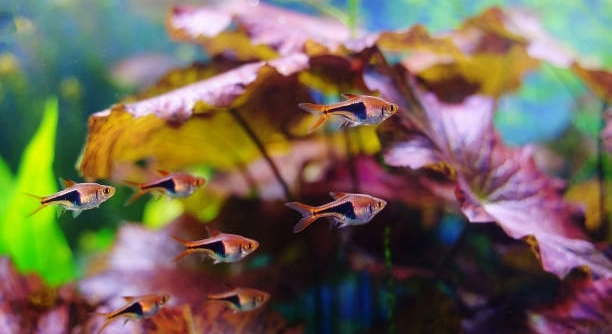
Rasboras are small, peaceful fish that bring gentle movement and color to any aquarium. Their modest size and social nature make them appealing for both new and experienced fishkeepers looking for a calming addition.
Rasboras can adapt to minimalist tanks if certain conditions are met. Ensuring stable water parameters, adequate swimming space, and proper social groupings is essential for their health and long-term well-being in simplified environments.
Minimalist setups can be visually pleasing, but maintaining balance is key to supporting your rasboras’ natural behaviors and vibrant colors.
Understanding Minimalist Tanks
Minimalist tanks focus on simplicity, often using few decorations, limited substrate, and minimal plants. This setup highlights the fish and creates a clean, uncluttered look. For rasboras, a minimalist tank can work well because they are small, active swimmers who do not require complex environments to thrive. The key is to maintain proper water quality and temperature. Filtration should be efficient but gentle, as strong currents can stress these delicate fish. Choosing the right tank size is important; even a simple setup needs enough swimming space for a small school. Adding a few carefully chosen plants or hiding spots can provide security without overcrowding the tank. Substrate choice can be minimal, but smooth surfaces are best to prevent injury. Lighting should support plant growth if used, but it shouldn’t be too bright, as rasboras prefer moderate lighting. Regular water changes help maintain a healthy, stable environment in the minimalist tank.
Minimalist tanks simplify maintenance while highlighting fish activity and colors. They reduce stress for both fish and the keeper.
Even in minimal setups, creating balance is crucial. Rasboras are social, so keeping them in groups enhances their natural behavior. A few floating plants or a small background can provide cover and reduce stress. While decorations are limited, choosing items that complement water chemistry and provide safe hiding spots improves overall tank health. Feeding should be consistent but not excessive, as leftover food can quickly degrade water quality. Observing fish behavior daily helps catch early signs of stress or illness. Temperature stability, clean water, and proper schooling numbers are more important than the number of decorations. With care, a minimalist tank can be a thriving, visually appealing home for rasboras, combining simplicity with functionality.
Maintaining Rasboras in Minimalist Tanks
Keeping water stable is essential for rasboras. They are sensitive to sudden changes in temperature, pH, or ammonia levels.
Rasboras thrive in calm, well-maintained tanks. Ideal conditions include a stable temperature between 72-78°F, a pH around 6.5-7.5, and regular partial water changes to maintain cleanliness. Avoid overcrowding, as these fish prefer groups of at least six to feel secure. Minimalist tanks should include gentle filtration to prevent strong currents that can stress them. Floating plants or a small cluster of low plants offer resting and hiding spots without overwhelming the space. Feeding should be balanced, providing high-quality flake, micro-pellets, or frozen foods. Monitoring behavior daily helps identify early signs of stress or illness. Lighting should be moderate, enhancing colors without causing agitation. While decoration is minimal, smooth surfaces and rounded edges prevent injury. By following these steps, rasboras can live comfortably and display their natural, active behavior, even in a simplified, minimalist tank environment.
Choosing the Right Tank Size
A small school of rasboras needs space to swim freely. Even in a minimalist setup, a tank of at least 10 gallons is recommended for six or more fish.
Providing enough room ensures healthy swimming patterns and reduces stress. A cramped tank can lead to aggression and weaker immune systems. For minimalist tanks, careful planning of the layout is essential. Avoid overcrowding and leave open swimming areas. Sparse decorations work well, but the fish still need space to interact naturally. Consider tank height and length when arranging plants and hiding spots. Even subtle variations, like a single background plant or a smooth rock, can make a difference. Proper water flow, stable temperature, and space for schooling behavior all contribute to a thriving minimalist environment.
Rasboras appreciate clean, well-maintained water. Overcrowding or insufficient space can quickly disrupt water quality, making maintenance even more important. Choosing the right tank size reduces stress, encourages active swimming, and keeps the group healthy and vibrant for longer periods.
Minimalist Tank Decorations
Using fewer decorations emphasizes open swimming areas and highlights fish movement. Minimalism doesn’t mean no hiding spots.
Even minimal setups benefit from selective decorations. Floating plants, small rocks, or low-lying plants provide security without cluttering the tank. Smooth surfaces prevent injury and make cleaning easier. Overly complex setups can restrict swimming and create areas of stagnant water. Aim for a balance between aesthetics and function. A single cluster of plants can offer shade and resting spots while leaving plenty of open space for schooling behavior. Driftwood or small pebbles add natural textures but should be carefully placed to avoid overcrowding. Minimalist tanks are easier to maintain, but careful attention to decoration placement ensures the fish remain comfortable and stress-free.
Choosing decorations with functionality in mind enhances both fish health and tank appearance. Strategic placement supports natural behaviors and allows light and water flow to reach all areas, keeping the tank balanced and easy to manage. Smooth, safe surfaces and moderate plant coverage reduce stress and encourage active, healthy rasboras.
Water Quality Essentials
Stable water parameters are crucial for rasboras in minimalist tanks. Regular testing of pH, ammonia, nitrites, and nitrates helps maintain a healthy environment.
Partial water changes of 20-30% weekly keep the tank clean and prevent harmful buildup. Minimalist tanks are easier to manage when water quality is consistent.
Feeding Rasboras
Rasboras require a varied diet of high-quality flake, micro-pellets, and occasional frozen foods. Overfeeding can quickly harm water quality in a minimalist tank.
A balanced feeding schedule ensures healthy growth and vibrant colors. Feed small amounts once or twice daily, removing uneaten food promptly. Variety in diet supports their immune system and natural activity, keeping the group lively and visually appealing in the simple tank setup.
Temperature and Lighting
Maintaining a stable temperature between 72-78°F is essential. Sudden fluctuations can stress rasboras and lead to illness.
Moderate lighting helps highlight their colors without causing stress. Minimalist tanks benefit from natural-looking illumination, enhancing both fish visibility and plant growth.
Social Behavior
Rasboras are schooling fish and should always be kept in groups. Small groups can cause stress and reduce natural activity.
FAQ
Can rasboras live alone in a minimalist tank?
Rasboras are naturally social and thrive in groups. Keeping them alone can lead to stress, hiding behavior, and weakened immune systems. A group of at least six is recommended, even in a minimalist setup. Open swimming space is just as important as companionship.
How often should I change the water in a minimalist tank?
Weekly partial water changes of 20-30% are ideal. Minimalist tanks are easier to maintain, but regular water changes prevent buildup of nitrates and other harmful substances. Monitoring water parameters alongside changes keeps the environment stable and healthy.
What is the best diet for rasboras?
A varied diet is essential. High-quality flake or micro-pellets form the base, with occasional frozen foods like daphnia or brine shrimp. Feeding small amounts once or twice daily prevents overfeeding and keeps water quality in check. Variety supports health, activity, and vibrant coloration.
Do rasboras need plants in a minimalist tank?
While not strictly necessary, minimal plant coverage improves comfort and security. Floating plants or low clumps provide hiding spots without cluttering the tank. Plants can also support water quality and create a more natural environment, benefiting both fish and tank aesthetics.
What temperature is best for rasboras?
Rasboras prefer a stable range between 72-78°F. Sudden changes in temperature can cause stress or illness. Using a reliable heater and monitoring with a thermometer ensures the tank stays within this range, supporting consistent behavior and overall health.
Can rasboras live with other fish in a minimalist setup?
Yes, as long as tank mates are peaceful and similar in size. Aggressive or larger fish can stress rasboras, especially in limited spaces. Good companions include other small, calm fish like tetras or small gouramis. Schooling behavior should be maintained to reduce stress.
How many rasboras should I keep in a minimalist tank?
A minimum of six is recommended. Small groups may feel insecure and hide more. Larger groups enhance schooling behavior and make the tank feel lively. Adjust tank size accordingly to provide enough swimming room without overcrowding.
How much decoration is safe in a minimalist tank?
Keep decorations minimal but functional. A few smooth rocks, small clusters of plants, or a piece of driftwood provides hiding spots without reducing open swimming areas. Avoid overcrowding, which can trap debris and restrict movement, stressing the fish.
Do rasboras require strong filtration?
Gentle filtration is best. Strong currents can exhaust small fish and reduce their natural swimming patterns. A reliable filter that maintains water clarity while keeping flow moderate works well in minimalist tanks. Regular maintenance of the filter prevents buildup and ensures consistent water quality.
How do I tell if my rasboras are stressed?
Signs include hiding, lethargy, loss of color, or erratic swimming. Stress can result from poor water quality, temperature fluctuations, or insufficient social groups. Observing behavior daily allows early intervention, keeping the fish healthy and active in a simplified tank environment.
Can lighting affect rasboras in a minimalist tank?
Yes, moderate lighting enhances their colors and highlights activity. Too bright lighting can stress them, especially without sufficient plant cover. Balanced illumination supports plants, fish behavior, and overall tank aesthetics without overwhelming the minimalist setup.
Are there common health issues in minimalist tanks?
Rasboras may face stress-related problems like fin rot or weakened immunity if water quality is poor. Overcrowding, insufficient schooling, or improper diet can contribute. Consistent monitoring, proper feeding, and regular water changes prevent most issues, keeping them healthy in a simplified environment.
Is it necessary to cycle a minimalist tank before adding rasboras?
Yes, cycling establishes beneficial bacteria that break down waste. Even with fewer decorations, a fully cycled tank prevents ammonia and nitrite spikes, which are harmful to rasboras. Patience during this process ensures a safe start for the fish.
Can rasboras adapt to a bare-bottom minimalist tank?
Yes, they can adapt, but some may feel insecure without hiding spots. Smooth surfaces and a few small plants or decorations help reduce stress. Open swimming areas are beneficial, but providing minimal cover supports natural behaviors.
How long do rasboras typically live?
With proper care, rasboras can live 4-6 years. Maintaining stable water conditions, a balanced diet, and a social group contributes to longevity. Minimalist tanks require attention to cleanliness and environmental balance to ensure a healthy, long life.
Minimalist tanks can be a great option for keeping rasboras, as long as their basic needs are met. These small, peaceful fish thrive when they have enough space to swim and a stable environment. Even with few decorations, they require a well-maintained tank with proper filtration, consistent water parameters, and a balanced temperature range. While the setup may look simple, attention to details like water quality and swimming space is essential to keep the fish healthy and active. Rasboras are social creatures, so maintaining a group of at least six is important to prevent stress and support natural behavior. Minimalist tanks may not have complex hiding spots, but a few floating plants or low clusters of foliage can provide comfort and security. This combination of simplicity and care allows the fish to display natural behaviors while keeping the tank easy to maintain.
Feeding and diet are also important factors in a minimalist setup. Overfeeding can quickly degrade water quality, especially in a smaller or less cluttered tank. Providing small amounts of high-quality flake or micro-pellets, along with occasional frozen foods, supports healthy growth and vibrant coloration. Observing the fish during feeding helps ensure that all individuals are eating and that uneaten food does not accumulate, which could lead to water problems. Minimalist tanks benefit from consistency, so maintaining a regular feeding schedule and performing weekly water changes helps sustain a stable environment. Even without extensive decorations, rasboras respond well to clean water, gentle filtration, and proper schooling, all of which contribute to their overall health and longevity.
A minimalist tank can be visually appealing while providing a comfortable home for rasboras. By focusing on open swimming space, maintaining water quality, and supporting social behavior, these small fish can thrive without elaborate setups. Attention to subtle details like temperature stability, lighting, and the placement of minimal plants or decorations makes a difference in their well-being. While the tank may be simple in design, it requires careful observation and maintenance to ensure the fish remain active, healthy, and stress-free. Minimalist setups allow the natural beauty and behavior of rasboras to shine, creating a peaceful and manageable aquarium environment that balances simplicity with functionality.

Hello,
If you enjoy the content that we create, please consider saying a "Thank You!" by leaving a tip.
Every little bit helps us continue crafting quality advice that supports the health, happiness, and well-being of pets around the world, for pets of all shapes, sizes, and species.
We really appreciate the kindness and support that you show us!