
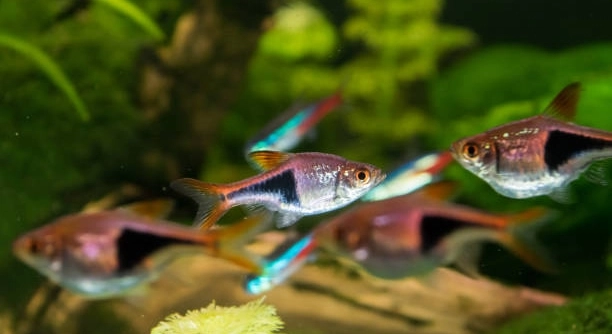
Rasboras are small, lively fish often kept in home aquariums. Their movements are usually calm and coordinated, creating a peaceful swimming pattern that many hobbyists enjoy watching each day. Observing them can be soothing and gentle.
Rasboras swim unusually fast primarily due to environmental triggers, sudden threats, feeding responses, or social interactions within the tank. These factors provoke rapid movements that differ significantly from their normal leisurely swimming behavior and are observable in controlled aquarium settings.
These swift bursts of activity can reveal interesting behaviors and patterns, helping aquarists better understand their fish and their natural instincts.
Sudden Changes in Water Temperature
Rasboras are very sensitive to changes in water temperature. Even a slight shift can trigger fast swimming as they try to adjust to the new conditions. I noticed that when I added warm water to my tank, the fish darted around quickly, their movements sharp and alert. This behavior is a natural response to stress. Rapid swimming helps them cope with sudden changes by increasing circulation and stimulating their muscles. Over time, if temperature fluctuations continue, it can lead to long-term stress, affecting their overall health. Consistency is key, so maintaining a stable temperature helps them stay calm. Using a reliable thermometer and heating system can prevent these rapid bursts of activity. The more predictable their environment, the less frantic they will become. Observing their reactions closely allows you to respond quickly and ensure their comfort.
Sudden temperature changes often cause a quick spike in activity, which usually calms once conditions stabilize.
Keeping water temperature stable reduces stress and prevents frequent fast swimming, promoting healthier, more relaxed behavior in rasboras.
Feeding Time Frenzy
Rasboras swim unusually fast during feeding because of excitement and instinct. I’ve seen them zoom from one corner of the tank to another the moment food is sprinkled in. Their anticipation makes them move with surprising speed. This reaction is natural; in the wild, quick movement helps them reach food before competitors. In home tanks, it creates a lively scene that can be entertaining but also signals their eagerness. Overfeeding can make them aggressive or overly energetic, so portion control is important. Feeding them small amounts multiple times a day keeps them active without causing stress. Watching their patterns during feeding also gives insight into their social hierarchy, as dominant fish may reach the food first. Ensuring everyone gets a fair share reduces chasing and frantic swimming. Observing how they respond to feeding times helps create a calmer, healthier environment for all the fish.
During feeding, rasboras display sharp, rapid movements driven by instinctive competition and excitement for food.
Feeding excites rasboras and can reveal their natural behaviors. Controlled portions and observing interactions help maintain calm, balanced activity, supporting a healthy, stress-free aquarium.
Sudden Movements in the Tank
Rasboras often dart quickly when they sense sudden movement near the tank. I’ve noticed that even a shadow passing by can startle them, causing brief bursts of speed. These reactions are instinctive and help them avoid perceived threats in their environment.
This rapid swimming occurs because rasboras are prey fish. When startled, their first response is to swim fast and seek safety. In my tank, I’ve seen them scatter toward plants or corners whenever I reached for equipment or walked close to the glass. Even subtle vibrations or tapping can trigger this behavior. It is normal and usually short-lived, lasting only a few seconds until they feel secure again. Providing hiding spots like plants or decorations helps them feel protected and reduces constant startle responses. Over time, the fish learn to associate routine movements with safety, calming their reactions. Observing these patterns made me realize how sensitive they truly are.
The fish recover quickly after these sudden movements. Over time, their bursts of speed become less frequent as they grow familiar with the environment.
Social Interactions
Rasboras can swim unusually fast during social interactions, especially when establishing territory or hierarchy. I often notice this when introducing new fish to the tank. Quick movements help them assert dominance or avoid conflict, maintaining balance in the group.
These bursts of speed occur during chasing, schooling, or minor disputes. In my experience, rasboras move in tight formations at high speed, circling each other or darting between plants. This behavior is natural and allows each fish to communicate strength and position without causing serious harm. Watching closely, I saw that once hierarchy is established, these frantic swims decrease significantly. Providing ample space and hiding spots reduces constant chasing, allowing everyone to coexist peacefully. Over time, the group develops a rhythm, and rapid movements become more purposeful and less chaotic.
Fast swimming during social interactions is common, but maintaining space and structure in the tank helps prevent constant stress and keeps interactions healthy.
Presence of Predators
Rasboras swim unusually fast when they sense predators nearby. I noticed this in my tank when a larger fish approached. Their movements become sharp and erratic as they try to stay out of reach, instinctively reacting to perceived danger.
Even harmless reflections or shadows can trigger these bursts of speed. In my experience, they often dash toward plants or corners to hide. This is a survival instinct inherited from their natural habitats, where quick responses could mean the difference between safety and being caught. Providing hiding spots reduces constant stress.
Water Quality Issues
Poor water quality causes rasboras to move faster than usual. High levels of ammonia, nitrites, or sudden pH changes create discomfort. I observed my fish darting around frantically before realizing the tank needed immediate water testing and partial changes.
Tank Overcrowding
Overcrowding leads to rapid swimming in rasboras. When space is limited, fish compete for room, causing constant movement and stress.
Sudden Lights or Noise
Rasboras respond to sudden lights or loud sounds with bursts of speed. In my experience, turning on the aquarium light abruptly makes them scatter quickly.
FAQ
Why do my rasboras swim so fast all of a sudden?
Rasboras can swim rapidly due to stress, sudden environmental changes, or excitement. I noticed this happens in my tank when the water temperature shifts, a shadow passes by, or when food is introduced. These bursts are natural responses to stimuli and usually last only a few seconds.
Is fast swimming a sign of illness?
Not always. Rapid movements can be normal reactions to certain situations, but if your rasboras also show clamped fins, lethargy after bursts, or loss of appetite, it may indicate illness. Observing their behavior over several days can help determine if the activity is normal or a warning sign.
How can I reduce sudden bursts of speed in my fish?
Maintaining stable water temperature, avoiding sudden taps or movements near the tank, and providing plenty of plants or hiding spaces helps calm rasboras. I’ve seen a noticeable difference when my tank has dense plant coverage, as they have safe areas to retreat without panicking.
Do rasboras always swim fast when feeding?
Yes, feeding excites them and triggers instinctive rapid swimming. They race toward food quickly, sometimes bumping into each other. Portion control and spreading food evenly helps reduce frantic movement. I noticed that small, frequent feedings keep their activity lively but manageable.
Can overcrowding make rasboras swim unusually fast?
Overcrowding increases stress and competition for space. I’ve experienced constant chasing and erratic swimming when my tank had too many fish. Ensuring enough space and hiding spots allows them to settle and reduces continuous fast swimming. Proper tank size is essential for calm, healthy behavior.
Do sudden noises affect their swimming speed?
Yes. Loud sounds or vibrations startle rasboras, prompting immediate fast swimming. I observed that clattering near the tank or sudden music can cause them to dart to corners. Minimizing loud disturbances around the aquarium helps keep them relaxed and reduces frequent bursts.
Does water quality impact their activity?
Absolutely. Poor water quality, like high ammonia, nitrites, or unbalanced pH, causes discomfort, leading to frantic swimming. In my tank, I noticed rapid movements before I tested the water. Regular monitoring and partial water changes keep them healthy and calm.
Are these bursts of speed dangerous for rasboras?
Short bursts are usually harmless, as long as the fish have enough space to swim and hide. However, frequent stress-induced fast swimming can affect their health over time. I ensure my tank has plants, decorations, and proper water conditions to minimize continuous stress.
How do social interactions influence swimming speed?
Rasboras can dart quickly during social interactions, such as establishing hierarchy or minor disputes. I’ve seen them circle or chase each other at high speed. Providing adequate space and observing interactions ensures that these behaviors remain brief and don’t lead to injuries.
What’s the best way to calm rasboras after sudden fast swimming?
Allowing them to retreat into plants, keeping the environment stable, and avoiding sudden movements helps them relax. I also found that turning on aquarium lights gradually reduces startle responses. Consistency in tank care keeps them more predictable and less prone to panic.
Can adding new fish trigger fast swimming?
Yes, introducing new fish can cause excitement and stress. Existing rasboras may swim rapidly as they assess the newcomers. I separate new fish initially and gradually acclimate them to prevent continuous chaotic movements in the tank.
Do temperature changes always cause fast swimming?
Even small temperature changes can trigger bursts of speed. In my experience, adding water that is slightly warmer or cooler than the tank immediately caused them to dart around. Keeping a stable temperature reduces stress and prevents unnecessary frantic swimming.
How often should I check the tank to prevent sudden fast swimming?
Daily observation is helpful. I monitor water parameters, fish behavior, and interactions every day. This routine allows me to catch issues early, whether they are environmental changes, overcrowding, or water quality problems, keeping the rasboras calm and healthy.
Can fast swimming affect their health long-term?
Frequent stress-induced bursts may lead to weakened immunity or increased susceptibility to disease. I ensure my tank is well-planted, clean, and stable, which helps prevent constant fast swimming and supports long-term health. Observing behavior over time provides insight into their overall well-being.
Are there any signs that indicate fast swimming is abnormal?
Yes. Continuous darting, scratching against objects, lethargy afterward, or loss of appetite may indicate problems. I watch for these signs carefully. If they persist, testing water quality and consulting with an experienced aquarist or veterinarian helps address potential issues before they escalate.
Do rasboras calm down as they get used to the tank?
Generally, yes. Once they feel secure and understand their environment, frantic bursts decrease. I noticed that over weeks, my fish learned the safe zones in the tank and only darted occasionally, usually for feeding or brief startle responses. A stable environment encourages this calmer behavior.
How important is tank layout in controlling fast swimming?
Very important. Plants, hiding spots, and open swimming areas create a balance. I arranged mine so that they can retreat quickly but still have space to swim freely. Proper layout reduces stress and makes bursts of speed less frequent and less intense.
Does lighting affect their swimming behavior?
Sudden bright lights can startle rasboras. I gradually adjusted the lighting in my tank, and it helped reduce frantic darting. Soft, consistent lighting creates a calmer environment, which helps minimize unnecessary fast swimming.
What is the most common reason for unusually fast swimming?
Stress from environmental changes, overcrowding, feeding, or disturbances is the most common reason. In my tank, I found that even small triggers could provoke short bursts. Understanding these factors and providing a stable, well-planned environment helps keep rasboras relaxed and healthy.
Rasboras are small, lively fish that can add a lot of movement and charm to any aquarium. Watching them swim calmly is relaxing, but there are times when their behavior becomes noticeably faster than usual. These bursts of speed can be caused by several factors, including changes in their environment, feeding, social interactions, or even sudden noises and vibrations near the tank. Observing their behavior closely helps identify the reason for these rapid movements and allows for adjustments that ensure their comfort. Maintaining a stable environment with proper water temperature, quality, and tank layout plays a major role in reducing stress-related bursts of speed. Even minor changes, like adding water or adjusting lights, can trigger these behaviors if not done carefully. Over time, understanding their reactions provides insight into their natural instincts and needs.
Fast swimming is not necessarily a sign of poor health. Often, it is a natural reaction to excitement, surprise, or environmental cues. Feeding times, in particular, can cause rasboras to move quickly as they instinctively compete for food. Similarly, introducing new fish or rearranging the tank can temporarily increase their activity. While bursts of speed are usually brief, frequent or prolonged episodes may indicate stress or discomfort. Providing plenty of plants, hiding spots, and open swimming areas allows the fish to feel secure while still having space to explore. Regular water checks, careful feeding routines, and avoiding sudden disturbances all contribute to a calmer and more predictable tank environment. Observing their interactions with each other also helps maintain a healthy social dynamic, reducing chasing or aggressive behavior that can lead to constant fast swimming.
Overall, being attentive to your rasboras’ behavior is key to keeping them healthy and happy. Quick swimming is often a part of their natural responses, but excessive or unusual activity should not be ignored. Small adjustments in tank care, water quality, and layout can make a noticeable difference in their behavior. Over time, you can learn what triggers bursts of speed and how to minimize stress while allowing natural instincts to play out safely. Watching them gradually adapt to their surroundings and develop calmer patterns is rewarding. Rasboras thrive in stable, well-maintained tanks where they feel secure, and understanding the reasons behind their occasional rapid movements ensures a healthier, more balanced aquarium for both the fish and the aquarist.

Hello,
If you enjoy the content that we create, please consider saying a "Thank You!" by leaving a tip.
Every little bit helps us continue crafting quality advice that supports the health, happiness, and well-being of pets around the world, for pets of all shapes, sizes, and species.
We really appreciate the kindness and support that you show us!