
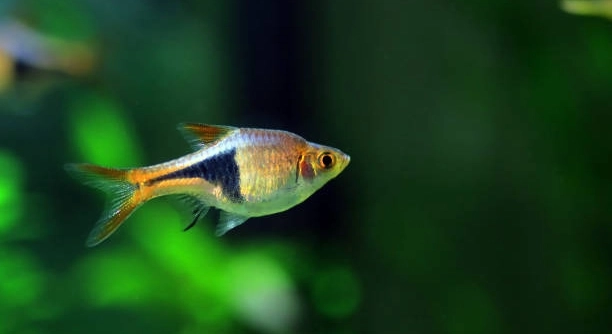
Rasboras are small, colorful fish often seen swimming together in home aquariums. Their lively movements and shimmering scales make them a favorite among fish enthusiasts, creating a gentle, calming presence in any tank environment.
Rasboras follow each other primarily for safety and social cohesion. Moving in groups helps reduce predation risk, maintain coordinated swimming patterns, and reinforces social structures within their school, ensuring survival and stability in both natural and captive habitats.
Watching their synchronized swimming is more than just a visual delight. Understanding why they stick together helps in creating a healthier, more comfortable environment for these charming fish.
How Rasboras Communicate While Swimming
Rasboras use subtle body movements to communicate within their group. Their tiny fins, tail flicks, and changes in direction signal information to nearby fish. This coordination allows the school to move as one unit, avoiding sudden threats and maintaining balance. In an aquarium, their movement patterns are influenced by the size of the tank, placement of plants, and presence of other species. Observing closely, you can notice that some fish take the lead while others follow closely behind. This hierarchy is not aggressive but functional, keeping the group organized. Feeding time also highlights communication, as fish respond to subtle cues from each other to approach food safely. The consistency of their signals ensures minimal confusion, reducing stress within the group. Over time, the school develops a rhythm, where each fish instinctively knows how to move in sync with its companions. Watching them coordinate can feel calming and meditative, reflecting their natural instincts in a safe environment.
Swimming together keeps rasboras safer and more confident in their environment. Coordination strengthens their social bonds and reduces stress significantly.
Even when alone in a small tank, their instinct to stay close to other fish remains strong. This behavior is rooted in survival strategies developed over generations. In the wild, being part of a school makes it harder for predators to single out one fish. In captivity, the same instincts apply. When multiple rasboras are housed together, they display tighter formations, often moving in unison and mirroring each other’s actions. The presence of tank decorations and hiding spaces can influence their swimming patterns, giving them a sense of security. Feeding, exploration, and resting behaviors are all affected by how well the fish can see and follow each other. Recognizing these patterns allows aquarists to create spaces that support natural behavior. Providing adequate lighting, open swimming areas, and plants for cover enhances their comfort. Ultimately, understanding how rasboras communicate through movement helps ensure they remain healthy, active, and stress-free.
Creating a Comfortable Tank for Rasboras
A well-arranged tank encourages natural schooling behavior. Proper spacing, decorations, and plants allow rasboras to move freely while feeling secure.
Tank size, water quality, and placement of hiding spots are key factors in maintaining their health. Keeping water clean with regular changes prevents stress and supports immune function. Plants not only provide shelter but also help break light, giving fish shaded areas to rest. Open swimming zones are equally important, as rasboras need space to maintain their formations. Decorations should be minimal yet functional, allowing for movement while offering points of reference for orientation. Consistent temperature and pH levels reduce erratic behavior, making schooling smoother and more synchronized. Overcrowding disrupts patterns, causing stress and aggression, while too few fish can lead to isolated individuals. Feeding should be regular and spread across the tank, giving all fish a chance to participate in group activity. By paying attention to these factors, the tank becomes a safe, lively environment where rasboras can swim naturally, express social behaviors, and thrive in a stable, harmonious community.
Benefits of Schooling for Rasboras
Schooling provides safety in numbers, reducing the chance of being targeted by predators. It also improves foraging efficiency and encourages natural movement patterns, keeping the fish active and healthy.
Rasboras in groups feel more secure and exhibit natural behavior. Moving together helps them react quickly to threats, creating a coordinated response that a single fish cannot achieve alone. Social interaction within the school reduces stress, which can positively impact growth and immunity. Fish in isolation often appear nervous, swim erratically, or hide more often. Observing their schooling behavior can reveal health and well-being indicators, such as energy levels, appetite, and responsiveness. Maintaining an appropriate group size is essential for promoting these benefits in a tank environment.
Schooling also encourages proper exercise and mental stimulation. Coordinated swimming strengthens muscles, helps digestion, and prevents boredom. Fish engage in small adjustments to maintain alignment, improving their reflexes. Environmental enrichment, like plants and open swimming spaces, enhances these natural behaviors. By keeping a balanced group, rasboras thrive in a more dynamic and secure environment. Watching them move together highlights their instinctive communication and shared awareness, demonstrating how crucial group living is for their overall health and comfort.
Ideal Group Size and Tank Conditions
A minimum of six rasboras is recommended for healthy schooling. Adequate space ensures they swim comfortably and maintain coordination.
Tank size, water parameters, and decoration placement directly impact schooling quality. A larger tank allows the fish to spread out and display natural movement patterns without stress. Stable water temperature and pH levels support consistent behavior, while plants and hiding spots offer security. Overcrowding disrupts formations, causing tension, while too few fish may lead to isolation and nervousness. Lighting should mimic natural conditions to avoid startling the school, encouraging smooth, synchronized swimming. Regular observation helps detect problems early, keeping the group cohesive.
Feeding practices and tank maintenance further influence schooling dynamics. Offering small, frequent meals ensures all fish eat without competition. Water changes and filtration prevent debris buildup, keeping the environment safe. Decorations should balance open swimming zones and shaded areas, giving fish choices for resting and exploration. A well-planned tank reduces stress, supports natural instincts, and strengthens social cohesion. When conditions are consistent, rasboras develop clear swimming hierarchies and predictable patterns, making group movement more synchronized. This careful setup promotes physical health, mental stimulation, and a sense of security for the entire school.
Natural Instincts Behind Following
Rasboras follow each other as part of their survival instinct. Staying close helps them sense danger quickly and move together to avoid threats.
This behavior is deeply rooted. Even in a safe tank, their instinct to stick with the group remains strong and consistent.
How Environment Influences Schooling
The tank environment directly affects how rasboras move together. Open swimming areas allow smooth coordination, while plants and decorations offer safe spots for rest. Water quality, temperature, and lighting impact stress levels and activity. A well-maintained tank encourages natural schooling behavior, making the fish appear more confident and synchronized. Observing how they interact with each other and their surroundings provides insights into their comfort and health. Adjusting the environment gradually, rather than making sudden changes, helps the fish maintain consistent movement patterns. A stable, spacious, and enriched tank promotes clear communication within the school, reduces tension, and supports overall well-being.
Feeding and Following Patterns
Rasboras often follow each other toward food, responding to the movements of the lead fish. This keeps feeding orderly and reduces competition.
Why do rasboras always swim together?
Rasboras are schooling fish, which means they naturally stick close to each other. Swimming in a group gives them safety, reduces stress, and helps them respond quickly to perceived threats. Even in a tank without predators, this instinct remains strong. Group movement keeps each fish alert and confident.
How many rasboras should I keep together?
A minimum of six rasboras is recommended for proper schooling behavior. Smaller groups can make fish feel insecure and stressed, leading to erratic swimming. Larger groups are ideal if the tank size allows, as they enhance natural movement patterns and social interaction.
Does tank size affect schooling behavior?
Yes, tank size directly impacts how well rasboras can school. Too small a tank limits their swimming space, causing stress and breaking up the group. A tank with adequate length and open swimming areas allows the school to move freely, maintaining natural coordination and reducing aggression.
Can rasboras follow other species?
Rasboras sometimes follow other small, non-aggressive fish, especially if the other species displays calm and predictable movements. However, they respond best to their own kind. Following different species may happen temporarily but will not replace the benefits of schooling with their own group.
Do rasboras need hiding places if they school?
Even schooling fish need hiding spots. Plants, rocks, or decorations give them security and reduce stress. While the group provides safety, individual fish may still need shaded areas to rest or recover. Hiding spots also prevent conflicts when multiple fish compete for space or food.
How does feeding affect following behavior?
Rasboras often follow the lead of the first fish to spot food. This behavior keeps feeding organized and ensures less dominant fish still have access. Distributing food evenly across the tank encourages all fish to swim and interact naturally, promoting healthy schooling patterns.
Do rasboras get stressed if alone?
Yes, isolation can cause stress. A single rasbora may swim erratically, hide excessively, or lose appetite. Schooling is essential for their mental and physical well-being. Keeping them in groups helps maintain confidence, encourages natural activity, and supports overall health.
Can schooling behavior change over time?
Schooling behavior can adapt slightly based on tank conditions and group composition. New fish may alter formations temporarily until the school establishes rhythm. Stress, overcrowding, or illness can also affect coordination. Observing changes can help identify problems early and adjust the environment to restore normal schooling.
Does lighting affect rasbora movement?
Lighting can influence how actively rasboras swim together. Bright or harsh lighting may stress fish, causing them to hide or scatter. Soft, consistent lighting encourages smooth schooling, highlights their colors, and makes movement patterns easier to observe without startling them.
Is it normal for rasboras to switch leaders?
Yes, leadership within the school is flexible. Some fish take the lead while others follow, and this can change frequently. Rotating leadership ensures all members participate in guiding movement, helps prevent fatigue, and maintains group cohesion.
Can other tank inhabitants disrupt schooling?
Aggressive or large fish can interrupt schooling by chasing or cornering rasboras. Even smaller, highly active species may distract the group. Tank mates should be chosen carefully to maintain calm and allow the school to move naturally without stress or interruptions.
Do rasboras school while resting?
Rasboras often remain near each other while resting, though movement slows. They may hover or gently drift together, maintaining proximity for safety. Resting in a group reduces vulnerability and reinforces social bonds, even during low activity periods.
How can I tell if schooling is healthy?
Healthy schooling is smooth, synchronized, and consistent. Fish move together with clear direction, adjust spacing naturally, and show alertness. Signs of poor schooling include scattered movement, hiding, aggression, or lethargy. Observing these patterns helps ensure the fish are comfortable and the tank environment is suitable.
Do water conditions affect following behavior?
Yes, water quality, temperature, and pH strongly impact schooling. Poor water conditions cause stress, break coordination, and reduce activity. Maintaining stable, clean water supports natural movement, encourages social interaction, and keeps the fish energetic and healthy.
How important is group size for long-term health?
Group size is critical. Too few fish lead to isolation stress, while overcrowding causes tension and aggression. Maintaining an appropriate number of rasboras in a tank ensures proper schooling, supports immune function, and promotes natural behavior, contributing to long-term physical and mental well-being.
Can rasboras follow a human hand?
Rasboras may respond to a hand or finger if it moves slowly near the tank. They are more likely to follow out of curiosity or anticipation of food, but this behavior is limited compared to schooling instincts with other fish. It should never replace group interaction.
Does age affect schooling behavior?
Young rasboras school instinctively, but their movements may be less coordinated initially. As they grow, they develop stronger synchronization and social awareness. Older fish maintain schooling but may slow down slightly, though group cohesion usually remains intact if conditions are favorable.
How does plant density affect following?
Dense plants provide shelter but can restrict smooth movement. Moderate planting offers both hiding spots and open swimming areas, allowing rasboras to maintain schooling while feeling secure. Balanced tank design supports natural behavior without compromising space for coordinated swimming.
Can stress disrupt schooling?
Stress interrupts normal behavior. Fish may scatter, hide, or swim erratically, breaking the school. Causes include poor water quality, sudden changes, aggressive tank mates, or overcrowding. Identifying stress sources quickly helps restore healthy movement and coordination.
Are all rasbora species equally social?
Most rasbora species are highly social, but some may display slight differences in schooling tendencies. Researching the specific species helps understand their ideal group size, preferred tank conditions, and schooling patterns to ensure proper care and coordination.
Rasboras are small fish with surprisingly complex social behavior. Watching them swim together reveals their natural instincts and need for companionship. Schooling is not just a visual delight but an essential part of their survival. In groups, they feel safer, more confident, and able to respond quickly to any sudden changes in their environment. Even in a home aquarium, these instincts remain strong, showing how deeply rooted their behaviors are. Understanding why rasboras follow each other helps create a tank environment that supports their natural movement, keeps them healthy, and reduces stress. Observing their coordinated swimming can also provide subtle clues about their well-being, like energy levels, appetite, and general comfort within the tank.
Maintaining a proper tank setup is key to supporting schooling behavior. Rasboras need adequate space to swim freely, open areas for coordinated movement, and strategically placed plants or decorations for hiding and resting. Water quality, temperature, and lighting all influence their activity and comfort. When conditions are stable, the fish exhibit smoother and more synchronized movement, which reflects lower stress levels and healthier social interaction. Group size also matters greatly. Too few fish can lead to anxiety and erratic behavior, while too many can create overcrowding and tension. A balanced group in a well-planned tank promotes natural schooling, encourages exercise, and allows each fish to participate safely in group dynamics. Paying attention to these factors ensures that rasboras remain active, engaged, and healthy over time.
Feeding and daily care routines also affect their schooling and overall well-being. Offering small, frequent meals across the tank encourages fair access to food and promotes natural following behavior. Sudden changes in the tank, aggressive tank mates, or inconsistent care can disrupt their coordination and stress the group. Observing how they interact during feeding or while exploring their environment helps identify potential issues early. Over time, rasboras develop patterns in movement and leadership within the school, rotating roles naturally to maintain cohesion. Understanding their instincts and needs allows for a tank environment that feels secure and stimulating. By providing proper space, consistent care, and attention to social behavior, rasboras can thrive, swim confidently together, and display their full range of natural, synchronized movements in a healthy and stable environment.

Hello,
If you enjoy the content that we create, please consider saying a "Thank You!" by leaving a tip.
Every little bit helps us continue crafting quality advice that supports the health, happiness, and well-being of pets around the world, for pets of all shapes, sizes, and species.
We really appreciate the kindness and support that you show us!