
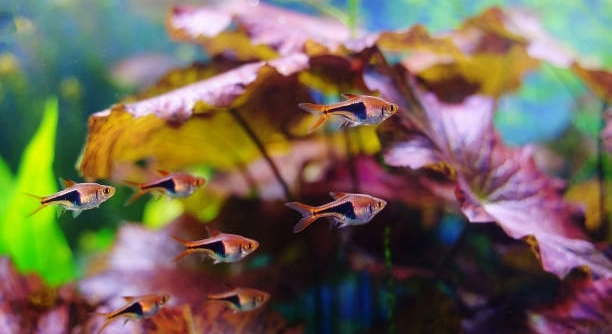
Rasboras are small, colorful fish that bring life to any aquarium. Watching them can be relaxing, and understanding their behaviors helps you care for them better. Observing subtle actions often reveals their comfort in the tank.
Rasbora peace is indicated through calm swimming in groups, minimal fin clamping, gentle interactions with tank mates, and consistent feeding behavior. Stable color patterns and lack of hiding also signal that these fish feel secure and stress-free in their environment.
Recognizing these cues allows you to maintain a harmonious aquarium. Each behavior tells a story about your fish’s well-being and social balance.
Calm Schooling Movements
Rasboras often swim together in small groups, moving gracefully through the tank. Watching them glide side by side is a clear sign that they feel safe and secure. Calm schooling helps them feel protected from potential threats and reduces stress. When fish are at peace, they tend to maintain a steady distance from each other without sudden bursts of speed or erratic changes in direction. Their synchronized movements are natural and show their comfort in the environment. Over time, you will notice patterns in their swimming, which makes observing them more predictable and satisfying. Lighting, water quality, and tank size all play a role in encouraging this behavior. A well-maintained tank promotes stable schooling, helping fish feel balanced and calm. Healthy fish are more likely to explore decorations, plants, and open swimming areas without fear. Their smooth, coordinated swimming is one of the most visible indicators that your Rasboras are content.
Peaceful schooling signals a stable social environment and low stress among tank inhabitants.
Maintaining calm schooling requires consistent care. Ensuring clean water, appropriate temperature, and sufficient hiding spots encourages Rasboras to swim together calmly. Overcrowding or sudden changes in the tank can disrupt schooling. When fish are at ease, they explore more actively, interact gently with one another, and display brighter colors. Adding compatible tank mates and avoiding aggressive species also supports a peaceful school. Observing their swimming patterns regularly allows you to notice early signs of stress, such as separation from the group or rapid movements. Gradual adjustments in diet, tank setup, and lighting further help maintain harmony. Calm schooling is not just a visual pleasure; it reflects overall well-being. By prioritizing stable conditions, your Rasboras can thrive and display consistent social behaviors. Each day, their peaceful movement reassures you that the environment is suitable for their needs, and minor interventions can prevent future stress.
Gentle Interactions With Tank Mates
Rasboras often nibble or swim near other fish without showing aggression.
These interactions show trust and a peaceful mindset. Fish that engage gently with neighbors indicate confidence and comfort.
Observing how Rasboras approach others provides insights into their mental state. Peaceful fish avoid chasing or cornering tank mates and rarely flare fins in confrontation. Subtle behaviors, such as swimming close without contact or exchanging brief glances, reflect social balance. Maintaining a tank with compatible species ensures these interactions remain positive. Avoiding sudden movements near the aquarium and feeding evenly reduces competition and promotes harmony. Fish that feel safe exhibit consistent patterns of gentle contact, creating a calm atmosphere. Over time, these interactions become predictable and reassuring. A relaxed environment encourages them to explore and engage naturally, fostering a stable social structure. By monitoring their behavior, you can identify stress early and make small adjustments to maintain peace. This contributes to their overall health, color, and longevity in the aquarium.
Steady Color Display
Healthy Rasboras maintain vibrant colors without sudden fading.
Consistent coloration shows that Rasboras are not stressed and feel secure. When their colors remain bright, it indicates good water quality, proper nutrition, and a calm environment. Dull or blotchy hues can signal discomfort, disease, or poor tank conditions. Observing color changes over time helps track their health and overall mood. Stress can result from sudden lighting changes, incompatible tank mates, or irregular feeding schedules. By keeping conditions stable, you ensure that the fish retain their natural vibrancy. This makes the aquarium visually pleasing and provides a reliable measure of peace.
Color consistency also reflects hormonal balance and proper growth. Bright colors often accompany active swimming and social harmony.
Monitoring water parameters and diet helps maintain this balance. Regular testing for pH, ammonia, and temperature ensures a stable environment. A nutritious diet rich in natural pigments supports color retention, while live or frozen foods encourage natural foraging. Avoid overcrowding and aggressive species to prevent stress-induced color loss. Decorations and plants provide shelter, allowing Rasboras to feel secure and confident. When their colors remain steady over weeks, it shows they are well-adjusted. This visual cue is an effective, simple way to gauge overall peace. Observing them regularly reinforces a sense of connection and awareness of their needs, helping you respond quickly to minor changes.
Color changes can also indicate interactions with tank mates or environmental shifts. Bright hues often appear when Rasboras feel safe during group activities.
Consistent Feeding Behavior
Rasboras that eat at predictable times signal comfort and routine.
Feeding behavior reflects their adaptation to the tank and confidence in the environment. Fish that consistently approach during feeding are relaxed, whereas hesitant or scattered eating may indicate stress or illness. Regular, calm feeding shows that Rasboras feel safe exploring and claiming food without fear.
Maintaining a consistent feeding schedule reinforces stability in the tank. Rasboras thrive when offered small amounts multiple times daily, which prevents competition and reduces anxiety. Watching them feed calmly together indicates that social hierarchies are stable and no individual dominates excessively. Overfeeding or irregular meals can disrupt this balance and lead to aggression or health issues. Using slow-sinking flakes or micro-pellets allows fish to eat at their own pace, reducing panic or hurried movements. Observing how they respond to different foods also helps track preferences and overall well-being. A relaxed feeding routine strengthens their trust in the environment, showing that they are comfortable, healthy, and integrated into the tank’s social structure.
Minimal Hiding
Rasboras that explore the tank openly without retreating constantly show confidence. Frequent hiding often signals stress or discomfort, so visible swimming is a key indicator of peace and trust in their environment.
A calm tank encourages fish to feel safe. Proper plants, decorations, and open spaces allow Rasboras to rest and swim freely without fear. When they emerge from hiding regularly, it shows they are comfortable with the current water conditions and social dynamics. Minimal hiding reflects a sense of security, making the tank lively and predictable. Observing them openly exploring reassures that the environment supports their well-being.
Smooth Fin Movement
Peaceful Rasboras keep their fins relaxed and fully extended. Clamped or twitching fins often indicate stress or poor water conditions. Smooth, gentle movements suggest comfort, good health, and low tension among tank mates.
Regular Breathing Patterns
Calm Rasboras exhibit steady gill movement without rapid gasping. Erratic breathing signals stress or low oxygen levels. Monitoring this behavior helps ensure water quality and adequate circulation. Stable breathing is a subtle yet reliable sign of peace, reflecting overall tank health.
FAQ
How do I know if my Rasboras are truly peaceful?
Peaceful Rasboras display calm schooling, gentle interactions, and smooth fin movement. They explore the tank without hiding, maintain bright and consistent colors, and feed at regular intervals. Observing these behaviors over time provides reliable indicators that your fish are comfortable and stress-free.
Can water conditions affect Rasbora behavior?
Yes, water quality directly impacts their mood and activity. Stable temperature, clean water, and balanced pH promote calm behavior. Ammonia, nitrite, or nitrate spikes can cause hiding, rapid breathing, or fin clamping. Regular testing and proper filtration are essential to maintain peace in the tank.
What role do tank mates play in Rasbora peace?
Tank mates influence stress levels. Peaceful, compatible species encourage calm schooling and gentle interactions. Aggressive or overly active fish can provoke hiding, erratic swimming, or competition for food. Choosing the right companions ensures a balanced and harmonious social environment.
How can I encourage calm schooling?
Providing open swimming areas with sufficient hiding spots encourages smooth group movement. Avoid overcrowding, maintain consistent lighting, and feed small portions multiple times daily. A stable environment allows Rasboras to synchronize their swimming naturally and reduces stress-driven behavior.
Does diet impact Rasbora behavior?
Yes, nutrition affects both energy and mood. A balanced diet with high-quality flakes, micro-pellets, or occasional live foods supports vibrant colors, steady feeding, and relaxed activity. Overfeeding or inconsistent schedules can lead to stress, aggression, or erratic swimming patterns.
What signs indicate stress in Rasboras?
Stress shows through clamped fins, rapid breathing, hiding, erratic swimming, dull coloration, or loss of appetite. Noticing these signs early allows for quick adjustments in water quality, tank setup, or feeding routines, helping restore calm and comfort.
How important is tank setup for Rasbora peace?
Tank setup is crucial. Plants, decorations, and open spaces allow exploration and shelter. Hiding spots reduce tension, while clear swimming areas promote schooling. Balanced lighting and a quiet environment prevent sudden disturbances, helping Rasboras feel secure and confident.
Can observing my Rasboras improve their well-being?
Yes, attentive observation helps detect minor issues before they escalate. Watching interactions, swimming patterns, feeding behavior, and color changes provides insight into tank harmony and fish health. Regular attention ensures the environment remains supportive and peaceful.
How long does it take for Rasboras to feel fully comfortable?
Adaptation varies with individual fish and tank conditions. Generally, Rasboras begin showing peaceful behaviors within a week if water parameters are stable and the environment is calm. Full comfort is evident through consistent schooling, regular feeding, and confident exploration of the tank.
Are there environmental changes that disrupt peace temporarily?
Yes, sudden temperature shifts, strong lighting changes, or new additions can cause stress. Gradual adjustments and maintaining predictable routines help Rasboras adapt smoothly, restoring calm and minimizing negative behaviors.
What is the easiest way to maintain peace long-term?
Consistent care is key. Stable water conditions, compatible tank mates, balanced feeding, and regular monitoring promote ongoing comfort. Observing subtle behaviors allows for timely intervention, ensuring Rasboras remain healthy, calm, and visually vibrant over time.
Can illness affect peace behaviors?
Absolutely. Sick fish may hide, show clamped fins, or stop feeding. Early detection and treatment prevent stress from spreading to other tank mates. Maintaining a clean, well-oxygenated tank reduces the risk of illness and helps preserve a peaceful environment.
How do lighting and tank noise affect Rasboras?
Bright, fluctuating lights or loud vibrations can trigger hiding and stress. Gentle, consistent lighting and a quiet environment support natural behavior, calm schooling, and smooth interactions, helping Rasboras feel secure and confident.
Is it normal for Rasboras to occasionally hide or show brief stress signs?
Yes, short-term hiding or rapid movements may occur during water changes, feeding, or minor disturbances. These behaviors usually pass quickly if the tank is stable and other indicators, like color and feeding, remain normal.
How can I tell if Rasboras are interacting positively with each other?
Positive interactions include gentle swimming together, brief close contact, and coordinated schooling without chasing or aggression. Calm exchanges, relaxed fins, and even color distribution indicate social harmony and peace within the group.
What steps can I take if Rasboras show consistent stress signs?
Check water parameters, tank setup, and diet first. Remove aggressive tank mates if needed, provide extra hiding spots, and ensure stable lighting and feeding routines. Addressing these factors promptly helps restore calm and supports long-term well-being.
Do Rasboras need hiding spots even if they appear confident?
Yes, shelters provide security and reduce sudden stress impacts. Even confident fish use plants or decorations to rest and feel safe, contributing to consistent peaceful behavior throughout the day.
Can seasonal changes affect Rasbora behavior?
Seasonal variations in temperature or lighting may influence activity levels. Maintaining stable conditions with heaters or light timers helps Rasboras remain comfortable and exhibit peaceful behaviors regardless of external changes.
How can I monitor long-term peace in the tank?
Track schooling, feeding consistency, fin movement, breathing, and coloration. Regular observation and notes allow you to spot subtle changes early, ensuring the environment remains supportive and Rasboras continue to thrive peacefully.
Are younger Rasboras more prone to stress?
Juvenile fish may be more sensitive to changes and competition. Providing a calm environment, gentle feeding, and gradual introductions helps them develop confident, peaceful behavior as they mature.
Rasboras are small, delicate fish, yet they show a surprising amount of behavior that tells you about their comfort and well-being. Observing them closely allows you to notice signs of peace or stress, which can make caring for them easier and more rewarding. Peaceful Rasboras tend to swim together in calm, synchronized schools. They move smoothly through the water without sudden bursts or frantic changes in direction. Their fins remain relaxed and fully extended, showing that they are comfortable in their surroundings. Color is another clear indicator: bright, consistent hues suggest that the fish are healthy and feel secure. Dull or patchy colors often mean there is a problem with water quality, diet, or social conditions. By watching these subtle behaviors, you can respond quickly to any issues and make small adjustments to support their well-being.
Feeding behavior is also a key factor in determining Rasbora peace. Fish that consistently approach during feeding times are confident and comfortable in the tank. Calm, even eating without rushing or hiding from food indicates that social hierarchies are stable and the environment is supportive. On the other hand, hesitant or scattered feeding may point to stress, illness, or an overcrowded tank. Providing a balanced diet with proper portions multiple times a day encourages consistent behavior and helps maintain health. Maintaining stable water conditions, including temperature, pH, and cleanliness, is equally important. Sudden changes in water quality or environmental conditions can quickly cause stress and disrupt schooling, feeding, and social behavior. Observing how Rasboras interact with their tank mates also gives insight into overall harmony. Gentle swimming near others without aggression signals trust and comfort, whereas chasing, flaring fins, or frequent hiding may indicate tension.
Finally, creating a peaceful environment for Rasboras is about consistency and attention to detail. Proper tank setup, including plants, decorations, and open swimming space, allows fish to explore while having places to hide if needed. Quiet surroundings, stable lighting, and compatible tank mates reduce stress and encourage natural behavior. Paying attention to subtle changes, such as slight color fading, increased hiding, or irregular swimming, lets you address problems before they escalate. Over time, you learn to recognize the unique behaviors of your fish, which helps you create a balanced, calm, and healthy tank. By observing and responding to their needs, you ensure that your Rasboras not only survive but thrive, displaying the peaceful, graceful behavior that makes them so enjoyable to watch.

Hello,
If you enjoy the content that we create, please consider saying a "Thank You!" by leaving a tip.
Every little bit helps us continue crafting quality advice that supports the health, happiness, and well-being of pets around the world, for pets of all shapes, sizes, and species.
We really appreciate the kindness and support that you show us!