
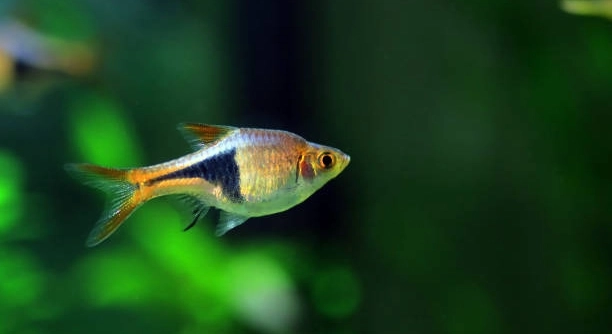
Keeping a group of rasboras healthy and peaceful can feel rewarding, yet sometimes the fish don’t seem to get along as expected. Observing their daily interactions often reveals subtle signs of disharmony within the tank.
Rasbora groups fail to harmonize due to factors such as overcrowding, incompatible species, lack of hiding spaces, poor water conditions, and dominant behavior. These conditions can lead to stress, aggression, and uneven distribution of activity among the fish.
Recognizing these early signs can help you restore balance and maintain a calm, visually pleasing aquarium environment for your rasboras.
Uneven Swimming Patterns
When a rasbora group is not harmonized, you may notice that some fish tend to stick together while others drift alone. This separation often indicates stress or discomfort, which can be caused by water conditions, tank size, or social hierarchy issues. In a balanced group, the fish swim more evenly, creating a fluid, synchronized movement that is pleasant to watch. Uneven swimming can also hint at illness or physical weakness in certain members, making them easy targets for aggression from others. Observing these patterns over several days helps identify whether the behavior is occasional or persistent. Changes in lighting, feeding schedules, or tank layout may also influence their swimming habits. Taking note of these patterns early can prevent further stress, ensuring that all fish receive equal access to food and safe spaces. Over time, a harmonized group develops consistent swimming behavior that reflects both comfort and social stability.
Monitoring their movements closely allows you to intervene before minor issues escalate into serious aggression or stress within the tank.
Noticing irregular swimming can seem minor, but it often signals deeper issues affecting the group’s overall harmony.
Increased Aggression
Even small signs of aggression among rasboras can indicate an imbalance in the group. Nipping fins, chasing, or territorial disputes disrupt the calm environment and may escalate if unaddressed.
Aggression often arises from overcrowding, insufficient hiding spots, or introducing incompatible fish species. Dominant individuals may push weaker ones to corners, limiting access to food and safe resting areas. Environmental stressors, like sudden temperature changes or poor water quality, can amplify tension within the group. Carefully observing interactions allows you to identify patterns and intervene appropriately. Simple adjustments, such as rearranging tank décor or increasing hiding spaces, can reduce conflicts significantly. Feeding routines also matter; uneven feeding can trigger competition and increase aggressive behaviors. Addressing these factors promptly helps restore balance, ensuring every fish has space and security. Consistent monitoring and small environmental improvements make a substantial difference, promoting peaceful coexistence and healthier social dynamics among all rasboras.
Lack of Group Cohesion
Rasboras naturally swim in tight groups, so a scattered or disorganized school signals disharmony. When individuals refuse to stay close, it may indicate stress, poor tank conditions, or social tension among the fish.
Dispersed swimming often stems from an environment that feels unsafe. Limited hiding spots, strong currents, or bright lighting can make fish uneasy. Additionally, introducing new or incompatible species can disrupt established social bonds, causing the group to fragment. Observing how often the fish leave the main school helps identify persistent issues versus occasional exploration. Restoring cohesion may require adjusting tank layout, ensuring adequate space, and monitoring water parameters. Over time, a balanced environment encourages natural schooling behavior and reduces stress-related scattering.
Feeding habits also reflect group cohesion. If some fish dominate food while others hang back, tension grows. Ensuring equitable feeding supports harmony and encourages collective swimming.
Persistent Hiding
Fish that hide excessively often feel threatened or stressed. Frequent retreat into decorations or plants signals discomfort or imbalance within the group.
Excessive hiding may result from aggressive tank mates, overcrowding, or inadequate cover. Fish that remain hidden too often miss feeding opportunities and fail to interact socially. Providing proper shelter, rearranging decor, and observing dominant individuals can reduce stress. Monitoring water quality and temperature is also essential, as poor conditions contribute to insecurity. Gradual changes and consistent care encourage fish to explore and rejoin the group. Hiding behavior often decreases once a safe, stable environment is established, reflecting improved social balance.
Unequal Feeding
Some rasboras may eat quickly while others struggle to get food. Unequal feeding often shows dominance or stress, which affects the group’s balance.
Ensuring all fish receive enough food helps reduce tension. Spreading food across different tank areas allows weaker individuals to feed safely and encourages fairness.
Frequent Resting
Fish that linger at the bottom or remain still for long periods may be stressed or uncomfortable. This behavior can indicate poor water quality, illness, or social imbalance. Regularly checking tank conditions and observing interactions helps identify the cause and promote a healthier group dynamic.
Color Fading
Dull or fading colors often signal stress or poor health within the group. Healthy rasboras display vibrant hues, so a lack of color is a clear sign that something in their environment or social structure needs adjustment.
FAQ
How many rasboras should I keep together?
Rasboras are schooling fish and feel safest in groups. Keeping at least six together helps them display natural behavior and reduces stress. Smaller groups often lead to isolation, scattered swimming, and occasional aggression, which disrupts harmony. A larger group allows for more consistent schooling and smoother social dynamics.
Can tank size affect harmony?
Yes, an overcrowded or too-small tank can create tension. Limited space increases competition for food and hiding spots, leading to aggression. A properly sized tank provides enough room for swimming, resting, and establishing territories. Generally, a longer tank is better than a taller one for schooling behavior.
Why do some rasboras hide constantly?
Persistent hiding often indicates stress or discomfort. Factors may include dominant tank mates, sudden environmental changes, or poor water quality. Adding hiding spots or adjusting decor can help them feel secure. Gradual acclimation to tank conditions encourages more confident swimming.
How do I manage aggressive behavior?
Aggression usually comes from competition, overcrowding, or dominance issues. Separating overly aggressive individuals or adding more plants and decorations for hiding spaces helps reduce tension. Maintaining good water quality and regular feeding also minimizes triggers for conflict.
What role does water quality play in group harmony?
Poor water quality stresses fish, making them more likely to hide or act aggressively. Keeping ammonia, nitrite, and nitrate levels low and maintaining stable temperature and pH supports calmer, healthier interactions. Regular water changes and monitoring are key to maintaining a harmonious environment.
Is it normal for rasboras to have uneven swimming patterns sometimes?
Occasional scattering is natural during exploration or feeding. Persistent uneven swimming, however, signals stress, social imbalance, or illness. Observing the group over time helps differentiate normal variation from serious issues that need intervention.
How can I encourage proper schooling behavior?
Ensuring an adequate number of fish, providing open swimming space, and maintaining a stable environment encourages natural schooling. Feeding evenly and minimizing sudden disturbances also support cohesive group movement. Over time, these measures help the group swim more consistently together.
Do lighting and tank decorations affect harmony?
Bright or harsh lighting may stress rasboras, causing hiding or scattered swimming. Properly placed plants and decorations provide security and break up visual dominance. A well-planned tank layout allows fish to explore safely while reducing tension between individuals.
What should I do if one fish is constantly bullied?
If one rasbora is consistently chased or stressed, isolate it temporarily or rearrange the tank to disrupt established dominance. Adding extra hiding spots or increasing the group size can reduce bullying. Regular observation ensures that all fish can feed and rest without continuous harassment.
How long does it take for a rasbora group to harmonize?
The time varies depending on tank size, group composition, and environment. Some groups adjust within a few days, while others may take several weeks. Consistent care, proper feeding, stable water conditions, and minimal stressors speed up the process, allowing all fish to settle into a balanced social structure.
Final Thoughts
Maintaining a harmonized rasbora group requires attention to both their environment and social dynamics. Rasboras naturally prefer swimming in schools, and when they are stressed or uncomfortable, signs of disharmony quickly appear. Observing their daily behavior is essential to ensure the group remains peaceful and healthy. Uneven swimming, persistent hiding, or aggression are not minor issues—they are clear indicators that adjustments are needed. By paying close attention to these behaviors, you can identify the source of tension, whether it’s overcrowding, incompatible tank mates, or inadequate hiding spaces. Addressing problems early prevents stress from escalating, which helps the fish stay active, vibrant, and well-nourished.
Tank setup plays a crucial role in fostering harmony. Providing enough space, hiding spots, and proper water conditions allows all members of the group to feel safe and confident. A longer tank is generally better for schooling behavior because it gives fish room to move freely. Regular water testing, temperature control, and careful monitoring of pH, ammonia, and nitrate levels help maintain an environment where rasboras can thrive. Feeding routines also impact group dynamics. Spreading food evenly throughout the tank ensures that no fish is left out, reducing competition and tension. Even small changes, like rearranging plants or adjusting lighting, can make a noticeable difference in comfort and social balance.
Consistency and patience are essential when working with rasboras. Harmonization does not always happen immediately; it can take days or weeks for a group to settle into a stable rhythm. Observing patterns, making gradual changes, and intervening when necessary helps create a calm and balanced environment. Over time, a well-maintained tank encourages natural schooling behavior, reduces aggression, and allows all fish to display their full colors and activity. Paying attention to these details ensures that your rasbora group is not only visually appealing but also healthy, comfortable, and socially stable. A balanced tank benefits both the fish and the aquarium experience, making daily observation and care worthwhile.

Hello,
If you enjoy the content that we create, please consider saying a "Thank You!" by leaving a tip.
Every little bit helps us continue crafting quality advice that supports the health, happiness, and well-being of pets around the world, for pets of all shapes, sizes, and species.
We really appreciate the kindness and support that you show us!