
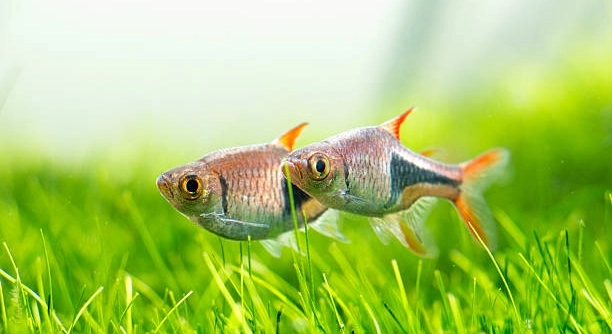
Maintaining a vibrant and harmonious aquarium can be challenging when fish do not school properly. Many hobbyists notice their fish swimming in scattered patterns, which can affect both the tank’s appearance and the wellbeing of the fish.
Adjusting tank conditions is essential for promoting proper schooling behavior. Factors such as water temperature, lighting, tank size, plant placement, hiding spots, and compatible species all influence how fish interact. Correctly balancing these elements encourages cohesive movement and reduces stress.
Learning how to implement these adjustments can transform the dynamics of your aquarium. By refining the environment, you can support healthier, more coordinated schooling behavior among your fish.
Proper Tank Size
Choosing the right tank size is the foundation for good schooling behavior. Small tanks restrict movement, making it difficult for fish to swim together naturally. Overcrowding can lead to stress, aggression, and erratic swimming patterns. A larger tank gives fish space to form schools and explore without feeling confined. It also allows better water circulation and reduces waste buildup, which contributes to healthier fish. When planning your tank, consider the adult size of each species and the total number of fish. Proper spacing is key for both comfort and cohesion. Tall tanks help species that prefer vertical swimming, while longer tanks benefit horizontal swimmers. Providing enough room also allows you to create natural territories, which can reduce tension among fish. By investing in an appropriately sized tank, you create an environment where schooling becomes more natural and visually pleasing, enhancing both fish health and the overall aesthetic of your aquarium.
Larger tanks promote schooling by giving fish enough space to move freely and interact safely, minimizing stress.
Ensuring a proper tank size impacts more than just swimming patterns. Fish have physical and social needs that are met when they have enough space. When the tank is spacious, fish can establish social hierarchies naturally, forming tighter schools. It reduces collisions and aggressive behavior, making schooling smoother. Proper tank size also makes maintenance easier, as water parameters remain more stable with a larger volume. It supports the addition of plants and décor that encourage natural behaviors. Over time, fish in adequately sized tanks display calmer, more coordinated schooling. A tank that is too small often results in scattered or disoriented groups, as the fish compete for limited space. Choosing the right tank size ensures each fish has room to thrive individually and as part of a school, leading to healthier, more active, and visually synchronized groups.
Water Temperature and Quality
Consistent water temperature is crucial for schooling. Fish often become sluggish or disoriented when temperatures fluctuate, affecting their ability to swim together.
Maintaining stable water quality ensures fish feel secure and encourages natural schooling behavior.
Fish rely on precise water conditions to remain active and healthy. Temperature affects metabolism, activity levels, and even social behavior. Species with similar temperature preferences school more effectively, while mismatched conditions can lead to isolation. Water quality factors, such as ammonia, nitrite, and nitrate levels, also play a significant role. High toxin levels stress fish, causing erratic swimming or hiding, which disrupts group cohesion. Proper filtration and regular testing help maintain these parameters, keeping fish comfortable and active. Gentle water flow supports schooling by mimicking natural currents, allowing fish to swim together in rhythm. Sudden changes in temperature or chemistry can scatter schools and increase susceptibility to disease. By keeping water conditions stable, fish remain healthy, confident, and more likely to exhibit the tight, synchronized schooling behavior that enhances both their wellbeing and the visual appeal of the aquarium.
Lighting and Plant Placement
Proper lighting helps fish orient themselves and promotes natural schooling. Dim or inconsistent lighting can cause confusion and scattered swimming. Plants provide structure and hiding spots, guiding movement and reducing stress.
Strategic placement of plants encourages fish to swim together. Tall plants at the back and sides create open areas in the center, giving fish space to school. Floating plants offer shaded areas, which some species prefer while maintaining group cohesion. Dense plant clusters also serve as refuge points, helping timid fish feel secure and interact naturally with the group. By arranging plants thoughtfully, you can create visual landmarks that guide schooling patterns, making swimming behavior more coordinated and natural.
Plants also influence water flow and light diffusion. Certain plants slow currents, giving weaker swimmers a chance to keep up with the school. Placement affects how fish perceive territory, reducing aggression. By balancing open swimming space with plant coverage, fish maintain cohesion, respond to each other’s movements, and exhibit calmer, synchronized schooling behavior, creating a harmonious tank environment.
Hiding Spots and Tank Décor
Hiding spots reduce stress and prevent disruption in schooling. Fish feel safer when they have secure areas to retreat.
Natural décor, such as rocks, caves, and driftwood, encourages stable schooling behavior. Fish use these spots to rest, explore, and escape mild threats. Properly placed décor maintains open swimming lanes while offering protection, balancing safety and freedom.
Fish interpret the environment through visual cues. Hiding spots prevent constant stress from feeling exposed, which can scatter schools. Driftwood and rock formations create natural boundaries, helping fish orient themselves and maintain group formation. Overcrowding décor or placing it haphazardly can block swimming paths, causing confusion and breaking school cohesion. Thoughtful placement ensures there is a balance between open space for movement and protected areas for rest. This combination supports healthy social interactions, allowing fish to swim confidently together, form tighter schools, and display natural behaviors, enhancing both their wellbeing and the aesthetic flow of the tank.
Compatible Species
Keeping compatible species together reduces stress and encourages natural schooling. Aggressive or very different species can disrupt group cohesion.
Similar size, temperament, and swimming habits help fish form tighter schools. Avoid mixing overly territorial species with peaceful schooling fish to maintain harmony in the tank.
Feeding Schedule and Behavior
Consistent feeding times promote predictable movement and group cohesion. Fish swim together when they anticipate food, reinforcing schooling patterns. Overfeeding or irregular schedules can lead to scattered behavior and increased stress, disrupting coordination within the group.
Water Flow
Moderate water flow encourages fish to swim in the same direction, supporting schooling behavior. Too strong a current can separate weaker swimmers, while stagnant areas reduce activity. Proper flow mimics natural habitats, helping fish stay active, aligned, and confident in group movement.
FAQ
How many fish should be kept together for proper schooling?
Schooling fish generally need at least six individuals of the same species to exhibit natural group behavior. Smaller numbers can lead to scattered swimming and stress. The exact number varies by species, size, and tank dimensions, but maintaining a minimum group ensures cohesion and safety.
Can aggressive fish be included in a school?
Aggressive or territorial species should not be mixed with peaceful schooling fish. Their behavior can disrupt group formation, cause stress, and lead to injuries. If you want a mixed tank, choose species with similar temperaments and avoid combining predators with small schooling fish.
How often should I adjust water conditions for schooling fish?
Water parameters like temperature, pH, and cleanliness should be checked regularly. Minor, gradual adjustments are safer than sudden changes, which can stress fish and break schools. Consistent monitoring ensures fish remain healthy and maintain natural schooling patterns.
Do decorations affect schooling behavior?
Yes, placement of plants, rocks, and hiding spots impacts how fish swim together. Open swimming areas allow cohesive movement, while hiding spots provide security. A balanced layout with clear lanes and refuge zones helps fish form tighter schools while staying stress-free.
How does tank size influence schooling?
Tank size is critical. Overcrowded or too-small tanks limit movement, causing fish to scatter or display erratic behavior. Larger tanks allow ample swimming space, better water quality, and proper social interactions, supporting natural schooling patterns and reducing conflicts among fish.
Does lighting affect schooling behavior?
Lighting consistency helps fish orient themselves and maintain cohesion. Too bright or uneven lighting can cause disorientation, while dim or balanced lighting encourages natural movement. Some species prefer shaded areas, which can be achieved with floating plants or strategic tank placement.
Is diet important for schooling fish?
Yes, feeding quality and schedule impact schooling. Overfeeding can scatter schools as fish compete for food, while a consistent routine encourages predictable, synchronized movement. A balanced diet ensures energy for active swimming and maintains overall health, supporting group behavior.
Can water flow improve schooling?
Moderate currents mimic natural habitats and encourage fish to swim together. Strong currents can separate weaker swimmers, while stagnant areas reduce movement. Proper water flow helps maintain alignment, coordination, and confidence within the school, promoting healthier social interactions.
What should I do if fish refuse to school?
Observe tank conditions, species compatibility, and environment. Adjust lighting, water parameters, décor, and flow. Ensure the group size is sufficient and avoid overcrowding. Sometimes introducing more compatible individuals or rearranging plants can stimulate schooling behavior naturally.
How long does it take for fish to start schooling?
The time varies by species and tank conditions. Some fish school within days if the environment is ideal, while others may take weeks to feel secure and coordinated. Patience, stable conditions, and proper group size are key to encouraging schooling behavior consistently.
Are there signs that schooling fish are stressed?
Yes, scattered swimming, hiding excessively, aggressive interactions, or sluggish movement are common indicators. Stress can result from poor water quality, overcrowding, incompatible tank mates, or insufficient hiding spaces. Addressing these factors quickly helps restore healthy schooling patterns and overall fish wellbeing.
Can schooling fish be kept with non-schooling species?
It’s possible, but careful selection is necessary. Non-schooling species that are peaceful and similar in size may coexist without disrupting the school. Avoid aggressive, territorial, or predatory species, as they can scatter schools and increase stress, undermining the tank’s balance.
Do plants improve schooling consistency?
Yes, plants create visual landmarks and shaded areas, helping fish maintain direction and cohesion. Dense clusters offer refuge, while open spaces allow free movement. Proper plant placement ensures schooling is natural and reduces stress, supporting both behavior and tank aesthetics.
How often should I clean the tank to maintain schooling behavior?
Regular cleaning is essential but should avoid drastic water changes. Minor, consistent maintenance keeps water quality stable, preventing stress that disrupts schools. Partial water changes and routine filter checks maintain a healthy environment conducive to natural, synchronized swimming patterns.
Can schooling behavior be taught or encouraged artificially?
While you cannot force schooling, you can encourage it by providing ideal conditions: sufficient group size, proper tank layout, stable water, consistent feeding, and moderate flow. Over time, fish adapt and display coordinated behavior naturally, reflecting healthy social interactions.
What is the ideal temperature range for schooling fish?
Temperature preferences vary by species, but maintaining a stable range that matches their natural habitat is essential. Sudden fluctuations cause disorientation, lethargy, or erratic movement, breaking the school. Stable water encourages activity, cohesion, and overall wellbeing of the fish group.
How do I know if my fish prefer shaded areas?
Fish that linger under floating plants or near décor often seek shade. Providing these areas supports comfort and safety, which encourages closer schooling. Observing movement patterns helps determine optimal lighting and plant placement for maintaining synchronized swimming behavior.
Does overcrowding affect schooling?
Yes, overcrowding increases stress, triggers aggression, and breaks group cohesion. Fish may become scattered or avoid interaction. Ensuring adequate tank size and limiting numbers to species-appropriate levels helps schools remain coordinated, reducing stress and promoting natural, healthy behavior.
Can different schooling species be mixed in the same tank?
Mixing is possible if species are compatible in size, temperament, and swimming habits. Incompatible mixes can cause stress, scattered movement, and aggression. Researching species requirements and monitoring interactions ensures multiple schools can coexist without disruption.
How do I maintain long-term schooling behavior?
Consistently monitor water quality, tank layout, flow, lighting, and group size. Regular feeding, careful selection of tank mates, and attention to stress signs help maintain cohesive schools. Gradual adjustments and patience ensure fish remain comfortable, active, and coordinated over time.
Are juvenile fish easier to train into schooling?
Juveniles often adapt more quickly because they learn social behaviors early. Introducing them in groups of the same species helps establish natural schooling patterns. Adults may take longer to integrate, but stable conditions and compatible companions can encourage schooling at any age.
What role does tank maintenance play in schooling?
Routine maintenance stabilizes water quality and prevents stress. Clean tanks support healthy movement and reduce disease risks, allowing fish to focus on social behaviors. Neglecting upkeep can disrupt schools, lead to erratic swimming, and impact overall wellbeing, highlighting the importance of consistent care.
Do all schooling fish need the same conditions?
No, different species have unique needs for temperature, flow, lighting, and group size. Understanding each species’ natural preferences ensures cohesive schools. Tailoring tank conditions allows diverse species to exhibit proper schooling behavior without compromising comfort or health.
How do I identify if my fish are schooling correctly?
Signs of proper schooling include synchronized swimming, minimal collisions, and cohesive group formation. Fish move in the same direction, respond to one another, and display calm behavior. Disorganized or scattered movement indicates adjustments in tank conditions or group composition may be needed.
Can stress from one fish affect the entire school?
Yes, stress can spread throughout the group. Aggression, illness, or discomfort in one fish may cause scattering or erratic behavior. Maintaining healthy, compatible fish and stable conditions reduces stress propagation, supporting cohesive and coordinated schooling across the entire group.
What should I avoid to maintain schooling behavior?
Avoid overcrowding, incompatible species, sudden water changes, irregular feeding, and poor tank layout. Excessive stress, strong currents, or abrupt lighting changes disrupt schooling. Prioritizing stable, balanced conditions ensures fish swim together naturally, remain healthy, and display coordinated behavior consistently.
Does schooling improve fish health?
Yes, schooling reduces stress, encourages activity, and enhances social interaction. Fish feel safer in groups, which lowers aggression and increases confidence. Proper schooling also supports natural instincts, leading to improved feeding, energy levels, and overall wellbeing.
Maintaining proper schooling behavior in an aquarium requires attention to several key factors. Tank size, water quality, temperature, lighting, and flow all play significant roles in how fish interact and swim together. When each element is carefully balanced, fish can exhibit natural, cohesive movement that benefits both their wellbeing and the overall appearance of the tank. Overcrowding or unstable conditions often lead to scattered, stressed fish, which can affect their health and reduce the visual harmony of a school. Paying attention to these details allows fish to feel secure, confident, and more active, making schooling behavior a regular and natural part of their routine.
Tank décor and plant placement also influence schooling patterns. Open areas provide space for coordinated swimming, while hiding spots and plants offer security and comfort. Fish often rely on visual landmarks to maintain orientation, and a thoughtfully arranged tank ensures they can navigate effectively while staying part of the group. Consistent feeding schedules, moderate water flow, and compatible tank mates further support natural behavior. Each adjustment, from plant placement to water parameters, contributes to a stable environment where schooling can occur naturally. When these factors are properly managed, fish not only swim together more effectively but also experience reduced stress, improved social interaction, and better overall health.
Encouraging schooling behavior is a gradual process that requires patience and observation. Fish adapt to their surroundings at different rates, and it is important to monitor their interactions regularly. Minor changes, such as adjusting lighting, rearranging plants, or adding compatible companions, can significantly improve cohesion within the school. Stable water conditions, appropriate group sizes, and a well-planned environment are essential to long-term success. By providing these fundamentals, fish can thrive and display synchronized, natural movement that enhances both their life quality and the visual appeal of the tank. Observing healthy, coordinated schools is rewarding and reflects the careful attention given to creating a suitable habitat. A well-maintained tank not only supports physical health but also encourages the instinctive behaviors that make schooling fish so fascinating to watch.

Hello,
If you enjoy the content that we create, please consider saying a "Thank You!" by leaving a tip.
Every little bit helps us continue crafting quality advice that supports the health, happiness, and well-being of pets around the world, for pets of all shapes, sizes, and species.
We really appreciate the kindness and support that you show us!