
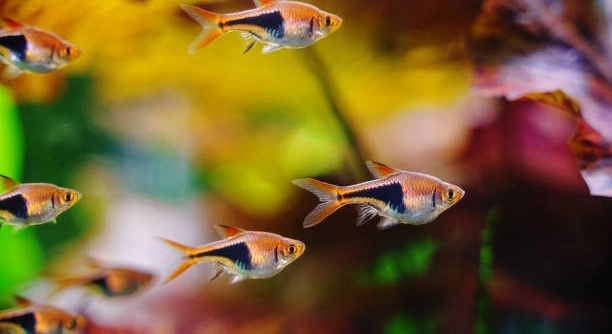
Rasboras are small, active fish that usually swim in groups and enjoy open spaces in their aquarium. When they suddenly disappear or hide for long periods, it can be concerning for any fish keeper. Observing their behavior closely helps.
Rasboras may hide all day due to stress, poor water conditions, or inadequate shelter. Ensuring stable water parameters, proper tank mates, and providing hiding spots can reduce hiding behavior and promote normal activity within their environment.
Learning why your rasboras behave this way will help improve their well-being and create a more balanced, comfortable aquarium environment for them.
Understanding Rasboras’ Hiding Behavior
Rasboras often hide when they feel unsafe or uncomfortable in their environment. Sudden changes in water temperature, lighting, or tank setup can trigger this behavior. They also respond to overcrowding or aggressive tank mates, retreating to feel protected. Some species naturally prefer shaded areas or dense plants, which makes hiding a normal part of their daily activity. Observing where and when they hide can give clues about their comfort level. Adjusting water parameters gradually and maintaining stable conditions can help reduce stress. Providing a mix of open swimming space and covered areas allows rasboras to explore without feeling threatened. Over time, small changes in lighting and decoration placement may encourage them to become more active during the day. Consistency in feeding schedules and gentle interactions will further support their confidence. Understanding these patterns allows you to create a supportive environment tailored to their natural instincts and preferences.
Stable water, gentle lighting, and appropriate tank mates greatly reduce hiding tendencies.
Noticing the specific spots where rasboras hide helps in rearranging plants or decorations. Dense plants, caves, or floating cover create a sense of safety. Avoid sudden tank changes, as consistent conditions encourage them to explore more freely. Feeding at regular times reinforces security and activity patterns.
Adjusting the Aquarium Environment
Providing proper shelter is essential for rasboras’ comfort. Hiding spaces should balance safety and accessibility, allowing fish to swim freely while feeling secure.
Water quality is critical for their health and activity. Regular testing for ammonia, nitrites, and nitrates ensures a clean environment. Temperature fluctuations can stress rasboras, so maintaining stable heat is necessary. Choosing peaceful tank mates prevents bullying and allows more confident movement. Lighting should mimic natural day-night cycles, with gradual transitions to avoid startling the fish. Adding live or artificial plants provides cover and encourages exploration. Arranging decorations thoughtfully creates open swimming areas alongside hiding spots. Observing behavior over days helps determine which adjustments are effective. Patience is important, as rasboras may take time to respond to changes. With careful monitoring and minor modifications, their natural curiosity and schooling behavior can return. Creating a stable, balanced aquarium environment improves both their health and your enjoyment of watching them thrive.
Feeding Habits and Activity Levels
Rasboras may hide if they feel unsure about food availability or feeding routines. Sudden changes in diet or irregular feeding times can make them cautious. Ensuring consistent feeding schedules helps them feel secure and encourages normal activity throughout the day.
A balanced diet supports their energy and overall health. Rasboras thrive on a mix of high-quality flakes, micro-pellets, and occasional live or frozen foods like daphnia or brine shrimp. Overfeeding should be avoided, as leftover food can foul water and increase stress. Observing how quickly they approach food indicates comfort levels. Providing food in multiple locations allows shy individuals to feed without fear of competition. This method encourages exploration while reducing hiding tendencies. Consistency in feeding strengthens routine behavior and promotes a calm, active environment.
Behavior during feeding reflects their stress levels. Shy rasboras often wait until dominant fish finish eating. Slowly introducing food and spacing portions prevents panic. Using small amounts at regular intervals encourages timid fish to leave hiding spots. Over time, rasboras learn that feeding is safe, increasing daytime activity. Maintaining a clean tank and observing interactions during feeding helps identify adjustments to support all fish. Feeding behavior offers insight into their comfort and can guide environmental improvements.
Lighting and Tank Placement
Lighting influences rasboras’ visibility and confidence. Bright or sudden lighting can make them retreat, while gradual, moderate light encourages natural activity.
Tank placement affects comfort and security. Placing the aquarium away from high-traffic areas reduces stress from sudden movements or vibrations. Natural daylight should be limited to prevent harsh glare, while consistent lighting schedules support circadian rhythms. Floating plants or shaded sections help control brightness and provide refuge. Observing fish reactions to different lighting levels allows fine-tuning for optimal comfort. Proper placement also ensures water parameters remain stable, avoiding temperature swings. Together, careful lighting and strategic tank positioning create a balanced environment, promoting healthy activity and reducing constant hiding behavior among rasboras.
Water Conditions
Poor water quality can make rasboras hide more than usual. High ammonia, nitrite, or nitrate levels create stress, forcing fish to seek shelter. Regular testing and partial water changes maintain a safe environment and encourage normal activity.
Stable temperature is equally important. Sudden fluctuations, even a few degrees, can make rasboras retreat. Using a reliable heater and thermometer ensures consistent warmth, keeping them comfortable and active.
Tank Decorations and Hiding Spots
Rasboras feel safer with well-placed decorations. Dense plants, rocks, and small caves allow them to hide without feeling trapped. Providing a mix of open swimming areas and cover helps balance safety with activity.
Schooling and Social Behavior
Rasboras are naturally social and prefer to swim in groups. Keeping at least six together reduces stress and encourages confident movement. Isolation or very small groups can increase hiding tendencies, as they rely on companionship for reassurance and natural schooling behavior.
Monitoring Behavior
Observing daily habits helps identify stress or illness early. Changes in swimming, appetite, or hiding patterns indicate adjustments needed in their care.
FAQ
Why do my rasboras hide all the time?
Rasboras often hide due to stress, fear, or discomfort in their environment. Sudden changes in water conditions, lighting, or tank decorations can make them feel unsafe. Overcrowding or aggressive tank mates also increase hiding behavior. Providing stable water parameters, gentle lighting, and sufficient hiding spots helps them feel secure and encourages normal activity throughout the day.
How many rasboras should I keep together?
Rasboras are schooling fish and feel most comfortable in groups of at least six. Smaller groups can lead to stress and excessive hiding, as they rely on the presence of others for reassurance. Larger groups support natural behavior, promote confidence, and encourage active swimming in open areas of the tank.
What type of hiding spots do rasboras prefer?
Dense plants, small caves, and rocks offer safe spaces for rasboras. Floating plants or shaded areas reduce stress by controlling light intensity. Hiding spots should be balanced with open swimming areas, allowing fish to retreat when needed while still exploring and interacting naturally within the tank.
Can poor water quality cause hiding?
Yes, unstable water conditions are a major factor. High ammonia, nitrite, or nitrate levels can stress rasboras, prompting them to hide. Maintaining consistent water parameters, performing regular partial water changes, and monitoring pH, temperature, and hardness create a stable environment, helping reduce constant hiding behavior.
Does lighting affect their behavior?
Lighting significantly influences rasboras’ comfort. Bright or sudden light can make them retreat, while moderate, consistent lighting encourages daytime activity. Using a gradual on-off cycle, limiting direct sunlight, and providing shaded areas helps rasboras feel secure and more willing to explore the aquarium.
Do tank mates influence hiding?
Aggressive or fast-moving fish can stress rasboras, causing them to hide more often. Peaceful, similarly sized tank mates support natural behavior. Observing interactions helps determine if changes are needed. Separating aggressive fish or adding more rasboras to the group can balance dynamics and reduce hiding.
Does diet play a role in their activity?
Irregular feeding or sudden changes in diet can make rasboras cautious. Offering high-quality flakes, micro-pellets, and occasional live or frozen foods ensures proper nutrition. Feeding in multiple locations reduces competition, encourages timid fish to eat, and helps them feel more comfortable leaving hiding spots.
How long will it take for them to stop hiding?
The timeframe varies depending on stress levels, tank setup, and group size. With consistent care, stable water, proper hiding spots, and a balanced diet, most rasboras gradually spend more time swimming openly. Monitoring behavior daily helps gauge progress and adjust care as needed.
Can illness cause hiding?
Yes, sickness often leads to increased hiding. Symptoms like clamped fins, faded colors, or loss of appetite usually accompany this behavior. Quarantining sick fish, maintaining clean water, and observing for additional signs can help address illness promptly and reduce prolonged hiding.
Are some rasboras naturally shy?
Certain species or individual fish have naturally timid temperaments. While care improvements can reduce excessive hiding, some rasboras may always prefer sheltered areas. Observing their behavior helps distinguish between normal shyness and stress-related hiding, allowing adjustments in tank setup to accommodate their comfort.
What is the best way to encourage activity?
Creating a balanced environment with stable water, gentle lighting, appropriate tank mates, and a variety of open and covered spaces encourages natural activity. Regular, consistent feeding and minimal sudden disturbances support confidence, helping rasboras explore and swim more frequently rather than remaining hidden.
How important is temperature stability?
Temperature fluctuations can stress rasboras, leading to hiding. Using a reliable heater, thermometer, and maintaining a stable range suitable for their species prevents sudden changes. Consistent warmth promotes comfort, encourages swimming, and supports overall health and activity levels.
Can rearranging the tank help?
Yes, adjusting decorations, adding or repositioning plants, and creating more open areas can encourage rasboras to leave hiding spots. Observing their reactions after changes allows gradual improvements that balance safety and exploration, reducing excessive hiding over time.
How often should I monitor behavior?
Daily observation is ideal. Noticing changes in swimming patterns, feeding behavior, or hiding frequency helps identify stress, illness, or environmental issues early. Prompt adjustments based on these observations support their health, reduce hiding, and promote more natural, active behavior.
What else can I do to make them feel safe?
Consistency is key. Maintaining stable water, gentle lighting, peaceful tank mates, and proper nutrition ensures rasboras feel secure. Combining these factors with well-placed hiding spots and open swimming areas fosters confidence, leading to more visible, natural activity throughout the day.
Final Thoughts
Rasboras are small, delicate fish that require careful attention to their environment. Their hiding behavior is often a reflection of stress, discomfort, or natural tendencies. Observing them closely allows you to understand what triggers their retreats and how to create a comfortable tank. Changes in water quality, temperature, or lighting can make even the most confident fish seek shelter. Maintaining stable conditions is essential to reduce stress and encourage them to swim openly. Simple adjustments, like adding plants or hiding spots, can make a significant difference in their daily behavior. Watching them gradually explore their surroundings can be very rewarding and shows that they feel secure.
Providing a well-balanced environment is key to keeping rasboras healthy and active. Consistent feeding schedules, clean water, and peaceful tank mates all contribute to their comfort. Overcrowding or aggressive fish can increase hiding tendencies, while a group of six or more rasboras usually encourages natural schooling behavior. Hiding spots should be thoughtfully placed to balance safety and space for swimming. Plants, rocks, and small caves provide shelter without limiting movement. Gradual adjustments in lighting and decorations can help timid individuals gain confidence over time. Observing how they respond to changes ensures that the tank setup meets their needs and promotes natural, active behavior.
Patience is an important part of caring for rasboras. They may not stop hiding immediately, even after improving water conditions and tank setup. Small, consistent improvements in their environment gradually reduce hiding behavior and increase activity. Monitoring their daily habits, including feeding patterns and interaction with tank mates, helps identify further adjustments. Recognizing signs of stress or illness early allows timely action to maintain their health. With consistent care and attention, rasboras can feel secure and display their natural behavior, including swimming freely, schooling, and exploring. Ensuring a balanced environment and maintaining stability over time results in a healthy, vibrant aquarium where rasboras thrive and provide a visually engaging experience.

Hello,
If you enjoy the content that we create, please consider saying a "Thank You!" by leaving a tip.
Every little bit helps us continue crafting quality advice that supports the health, happiness, and well-being of pets around the world, for pets of all shapes, sizes, and species.
We really appreciate the kindness and support that you show us!