
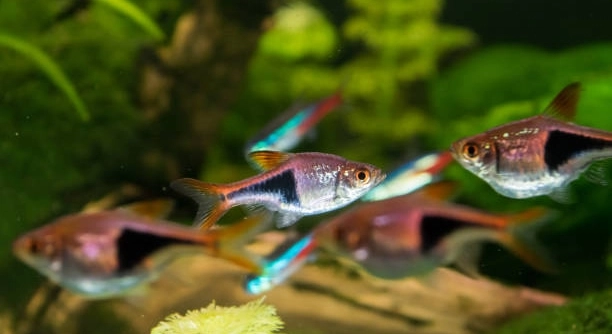
Are your rasboras showing bursts of movement in the aquarium after feeding? Observing these tiny fish can be fascinating, especially as they navigate their surroundings. Their behaviors often reflect natural instincts and responses to a recent meal.
Rasboras generally become more active immediately following a meal. Feeding stimulates their metabolism, prompting swimming and exploratory behaviors. This activity is a natural response as they digest food and engage in normal social interactions with other fish in the tank.
Understanding post-meal activity patterns can help you maintain a healthy aquarium. Observing these behaviors provides insights into their well-being and daily routines.
Understanding Rasbora Energy After Feeding
Rasboras tend to show noticeable energy right after eating. Observing them in the tank, you can see their fins moving actively and their small bodies darting around. This burst of activity is not random; it is tied to their metabolism kicking in as they digest the food. Feeding times naturally stimulate movement. Many hobbyists notice that the fish become more curious and interactive with each other immediately after meals. This behavior is a reflection of healthy digestion and normal social interactions within the school. Over time, watching these patterns can help you gauge the overall health of your fish. When rasboras move around after eating, it is a sign that they are receiving adequate nutrition. A consistent feeding schedule often encourages regular activity. Observing these subtle changes can deepen your understanding of their daily habits.
This post-meal energy is normal and indicates good health. It reflects proper digestion and active behavior patterns in your tank.
By recognizing these active periods, you can optimize feeding times to maintain a balanced aquarium environment. Ensuring that the tank is clean and the water parameters are stable further supports their natural behavior. When rasboras are well-fed and comfortable, they display consistent swimming patterns that are easy to observe. Sudden inactivity may suggest stress or dietary issues, making these activity windows valuable for monitoring. Feeding in smaller portions can prevent overfeeding while keeping energy levels steady. Over time, you may notice subtle differences between individuals, with some fish more energetic than others. These observations help in adjusting care routines, such as tank setup, feeding amounts, and social grouping. Maintaining a predictable environment reinforces their natural habits and promotes overall well-being. Recognizing the signs of healthy post-meal behavior allows for a more harmonious aquarium and ensures that each rasbora thrives consistently.
Timing and Observation Tips
Tracking activity after feeding can reveal patterns in your fish’s routine. These periods provide a reliable indicator of their health.
Regularly noting when rasboras are most active helps maintain an appropriate feeding schedule. Observing consistent energy spikes after meals confirms that digestion is proceeding normally. Environmental factors, such as lighting and water flow, also influence movement, so monitoring these elements alongside feeding times is important. Adjusting feeding routines according to observed behavior can improve overall tank harmony. Paying attention to how quickly they respond to food, how long activity lasts, and how the fish interact with each other gives insights into both individual and school health. Minor changes in behavior may indicate stress or slight dietary adjustments needed, making consistent observation a valuable practice. Recording patterns over days or weeks allows for more informed decisions, ensuring that each feeding supports healthy energy levels, social interaction, and overall well-being of the rasboras in your care.
Factors Influencing Post-Meal Activity
Tank size and layout can impact rasbora activity. Larger tanks provide more space to swim, while dense plants or decorations may slow movement. Water temperature also affects energy levels, as slightly warmer water boosts metabolism, increasing post-meal activity.
Stress and social dynamics play a key role in post-feeding behavior. Rasboras in a crowded or aggressive tank may hide after eating instead of swimming actively. Ensuring a calm environment with adequate space helps maintain natural energy bursts. Regular water changes and stable conditions reduce stress, allowing consistent movement. Feeding at the same time daily reinforces routine, supporting predictable activity patterns in the school.
Diet quality strongly influences energy after meals. High-protein foods stimulate activity more than low-nutrient options. Varying diet types, including live or frozen foods, encourages swimming and interaction. Observing these patterns helps gauge both health and appetite, making adjustments when necessary to keep rasboras active and thriving in the tank.
Monitoring and Adjusting Feeding Routines
Feeding small portions frequently can sustain energy levels without overloading digestion. Consistent schedules help rasboras establish predictable activity and reduce stress. Adequate observation ensures that all fish receive food and remain active.
Adjusting feeding amounts based on observed post-meal activity prevents overfeeding and promotes healthy growth. If rasboras slow down quickly after eating, portions may be too large, causing lethargy. Conversely, persistent high activity might indicate insufficient nutrition or a need for more protein in their diet. Noting these patterns allows better planning for future feedings. Monitoring responses to new foods also guides diet improvements, ensuring all fish receive balanced nutrients. Combining careful observation with incremental adjustments helps maintain a harmonious and active school.
Tracking responses over time provides insight into how environmental changes affect behavior. Temperature, lighting, and tank setup influence movement after feeding. Gradually modifying these factors allows for healthier, more predictable energy patterns. Maintaining detailed notes helps refine feeding routines, ensuring the rasboras remain lively and healthy.
Common Misconceptions About Activity
Rasboras slowing down after a meal is often mistaken for illness. In reality, reduced movement can be a natural part of digestion. Understanding their normal post-feeding patterns helps distinguish between healthy behavior and potential problems.
Not all rasboras react the same way to food. Individual differences in energy levels and metabolism mean some fish may swim actively while others rest quietly. Observing these variations ensures proper care for each member of the school.
Effects of Overfeeding
Overfeeding can lead to sluggish behavior and stress. Excess food increases waste, impacting water quality and reducing oxygen levels. Maintaining portion control prevents these issues and supports consistent post-meal activity.
Observing Patterns Over Time
Tracking rasbora behavior daily provides valuable insight into their health. Noting activity levels, response to feeding, and interaction with tank mates helps adjust care routines for optimal well-being.
FAQ
Why do my rasboras swim so actively right after eating?
Rasboras become more active after meals because feeding triggers their metabolism. The energy from food encourages swimming, exploration, and social interaction. This behavior is normal and indicates that your fish are digesting properly. You may notice sudden bursts of speed or increased movement in the middle of the tank.
Is it normal for some rasboras to rest while others are active?
Yes, individual differences are common. Some fish naturally have slower metabolisms or prefer resting after eating. As long as most of the school is showing normal activity, occasional inactivity in a few fish is not a cause for concern. Observing patterns over time helps identify any irregular behavior.
Can overfeeding affect post-meal activity?
Absolutely. Overfeeding can make rasboras sluggish as they struggle to digest excess food. Uneaten portions can also pollute the tank, reducing oxygen levels and causing stress. Feeding smaller, controlled portions encourages balanced energy levels and keeps fish moving after meals.
Does tank size influence post-feeding energy?
Yes, larger tanks give rasboras more room to swim and display natural behaviors, while cramped spaces can limit movement. Decorations and plants can also affect activity. Ensuring enough open swimming space allows for bursts of energy after feeding.
How does water temperature affect activity after meals?
Slightly warmer water boosts metabolism, leading to increased post-meal movement. Cooler temperatures slow digestion and can make rasboras less active. Maintaining a stable temperature suited to the species supports consistent behavior and overall health.
Should I change feeding times based on activity?
Adjusting feeding times can help maintain a predictable routine. Observing when rasboras are most active allows you to feed them at times that encourage consistent swimming patterns. Regular schedules reduce stress and support healthy digestion.
Do different types of food affect activity levels?
Yes, high-protein foods often result in more energetic behavior compared to low-nutrient flakes. Live or frozen options encourage active swimming and exploration. Varying diet types keeps energy levels balanced and supports both physical and mental stimulation for the school.
How long does post-meal activity typically last?
Post-feeding energy usually lasts anywhere from a few minutes to half an hour, depending on portion size, diet, and tank conditions. Watching for consistent durations helps you understand their normal patterns and detect changes that may indicate stress or health issues.
Can stress influence post-meal behavior?
Yes, stressed rasboras may hide or remain inactive after eating. Factors like aggressive tank mates, poor water quality, or sudden environmental changes can impact activity. Reducing stress with stable water conditions, proper tank layout, and a calm environment promotes natural post-meal movement.
What signs indicate a problem if rasboras are not active after eating?
Persistent lethargy, loss of appetite, clamped fins, or unusual swimming patterns may indicate illness or dietary imbalance. Checking water parameters, adjusting feeding, and observing social interactions can help identify causes. Early attention prevents health issues and supports consistent post-meal activity.
How can I encourage balanced post-meal activity?
Feed moderate portions at consistent times, maintain proper tank conditions, and provide space for swimming. A varied diet with high-quality foods supports energy levels. Regular observation allows you to adjust routines to suit individual fish needs, ensuring a lively, healthy school.
Is it necessary to track activity daily?
Tracking daily behavior helps spot patterns and detect early signs of stress or illness. Recording feeding times, swimming activity, and social interactions gives insight into overall health. This practice ensures that your rasboras maintain consistent, healthy energy after meals and thrive in their environment.
Rasboras are small, lively fish whose behaviors can tell a lot about their health and environment. Observing their activity after meals is one of the easiest ways to gauge how well they are doing. When rasboras swim actively right after feeding, it is usually a sign that they are digesting properly and responding naturally to food. This movement is not only normal but also beneficial, as it allows them to exercise, explore their surroundings, and maintain social interactions within the school. Regular monitoring of these patterns helps ensure that all fish are thriving and that the tank environment supports their needs. Over time, paying attention to these small details provides a clearer understanding of each fish’s habits and temperament, allowing you to adjust care routines if needed.
Proper feeding practices are key to maintaining healthy activity levels. Overfeeding can slow rasboras down and negatively affect water quality, while feeding too little may leave them restless or undernourished. Observing how long and how energetically they swim after meals provides insight into whether the portions are appropriate. High-quality, balanced foods promote more consistent post-meal activity, while varied diets with occasional live or frozen options can stimulate curiosity and movement. Consistency in feeding schedules also supports their natural rhythms, reducing stress and encouraging predictable energy bursts. Tank conditions, such as water temperature, cleanliness, and layout, further influence behavior. Clear water, stable temperatures, and adequate swimming space allow rasboras to display natural movement without obstruction, which is essential for their overall well-being.
Watching rasboras over time makes it easier to identify what is normal and what may need attention. Each fish may have slight differences in metabolism or temperament, so occasional variations in activity are expected. Noticing patterns, like how quickly they respond to food or how long they remain active, helps adjust care routines and feeding strategies. Environmental changes, such as lighting, tank mates, or water conditions, can also affect activity levels, and observing responses allows for better management. By tracking these behaviors and maintaining stable conditions, you can ensure that rasboras remain energetic, healthy, and content. Understanding their post-meal activity is not only about observing movement but also about fostering an environment that supports their natural instincts and long-term health. Paying attention to these details results in a more harmonious tank and a school of rasboras that consistently display vitality after feeding.

Hello,
If you enjoy the content that we create, please consider saying a "Thank You!" by leaving a tip.
Every little bit helps us continue crafting quality advice that supports the health, happiness, and well-being of pets around the world, for pets of all shapes, sizes, and species.
We really appreciate the kindness and support that you show us!