
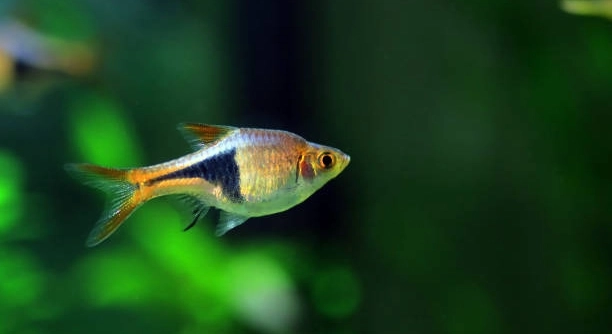
Rasboras are small, peaceful fish that often prefer quiet corners of the aquarium. Many aquarists notice them hiding among plants or near shaded areas, especially when their environment feels overwhelming or unfamiliar. Their behavior can seem mysterious but natural.
Rasboras tend to stay in shadows due to stress, inadequate lighting, lack of cover, water quality issues, social dynamics, or sudden changes in their environment. These factors collectively influence their preference for shaded, sheltered areas over open spaces.
Observing these behaviors closely can help improve their comfort and well-being in your aquarium, making them more active and confident over time.
Stress and Shyness
Rasboras are naturally timid fish, and stress can make them retreat into shadows. Sudden changes in water temperature, strong currents, or frequent tapping on the aquarium glass can trigger this behavior. They often hide when new fish are introduced or when there is too much activity around the tank. Providing stable water conditions and avoiding abrupt disturbances can help them feel safer. Over time, stressed rasboras may spend most of their day in shaded corners or behind plants, avoiding open areas entirely. Observing their body language, such as clamped fins or rapid darting, can indicate stress levels. A calm, consistent environment encourages them to gradually explore more of the tank. Even small adjustments, like dimming the lights or adding gentle filtration, can reduce stress and make them more visible. Hiding is a natural coping mechanism, but prolonged stress can affect their health and growth if not addressed.
Stress is the main reason rasboras seek shade, especially when they feel unsafe or threatened.
Consistently monitoring tank conditions and making gradual changes can restore their comfort. Offering plenty of plants and decorations creates natural hiding spots while still allowing them room to swim. Keeping feeding routines regular and avoiding sudden disturbances encourages confidence. Over time, they may venture more into open spaces as they feel secure. Careful observation of their behavior helps ensure they remain healthy and active.
Lighting and Environmental Preferences
Insufficient or overly bright lighting often drives rasboras into shaded areas. They prefer gentle, diffused light and areas where they can retreat when needed. Adjusting light levels and providing shaded spots with plants can balance their activity and comfort.
Lighting strongly affects their behavior, influencing both feeding and interaction patterns in the tank. Proper lighting encourages natural movement and reduces stress-related hiding.
Rasboras instinctively seek areas where light feels safe and non-intrusive. Overly bright aquariums can create anxiety, causing them to remain near the bottom or behind dense foliage. Simulating natural daylight patterns helps regulate their circadian rhythm, promoting healthier swimming and feeding habits. Incorporating floating plants or mossy decorations softens harsh light and gives them choice over when to emerge. By observing their response to light changes, adjustments can be made gradually without causing further stress. Well-lit areas near shaded retreats create a balanced environment, allowing rasboras to explore freely while feeling secure. Their preference for certain lighting conditions is both instinctive and adaptive, supporting natural behaviors and overall well-being.
Lack of Cover
Rasboras hide when there are few plants or decorations in the tank. They feel exposed without places to retreat, making shaded areas more appealing. Providing adequate cover encourages them to swim more openly.
Adding live or artificial plants, driftwood, or rocks helps create secure zones. Dense foliage near the tank edges and floating plants can give them options for hiding while still allowing open swimming areas. This balance reduces anxiety and promotes natural behavior, letting them feel protected without completely avoiding lighted spaces.
Insufficient cover can make rasboras stressed, leading to prolonged hiding and less interaction with other fish. Introducing varied textures and heights in the aquarium allows them to choose their comfort level. Observing their preferred spots can guide future tank adjustments. Even small changes, like adding a few stem plants or a small cave, can significantly improve their confidence and willingness to explore open water. Proper cover supports both their safety and overall activity patterns.
Water Quality Issues
Poor water quality drives rasboras into shaded areas to avoid stress. They are sensitive to ammonia, nitrites, and sudden pH changes.
Maintaining clean, stable water reduces hiding behaviors. Regular water changes, proper filtration, and testing parameters are essential to keep them healthy. Rasboras prefer slightly acidic to neutral water with low nitrates. Monitoring temperature stability is also important, as fluctuations can increase stress levels. When water conditions are optimal, they are more likely to swim openly and exhibit natural schooling behavior.
Water quality directly affects their health, energy, and confidence. Tanks with inconsistent maintenance often see rasboras hiding constantly. Observing their swimming patterns and behavior can indicate issues early, allowing corrective measures before serious health problems occur. Clean water promotes proper respiration, feeding, and growth, while poor conditions compromise immune systems and encourage retreat to shaded areas. Implementing a consistent maintenance schedule, including testing water weekly and changing 20-30% regularly, ensures a balanced environment. A well-maintained tank fosters natural activity and reduces stress-driven hiding behaviors.
Social Dynamics
Rasboras feel safer in groups and may hide when isolated. Keeping them in small schools reduces stress and encourages activity.
Dominant or aggressive tankmates can push them into shaded areas. Observing interactions helps identify compatibility and prevent constant hiding.
Sudden Environmental Changes
Abrupt changes, like moving the tank, adjusting temperature, or switching decorations, can make rasboras retreat. Stability and gradual adjustments are key to maintaining their comfort.
Rasboras are highly sensitive to changes in water parameters, temperature, and tank layout. Even minor disturbances can trigger hiding behavior. Consistent routines, careful introduction of new elements, and slowly acclimating them to changes help reduce stress. Over time, this approach encourages exploration and prevents long-term anxiety, promoting healthier social and feeding behavior within the tank.
Feeding Patterns
Irregular or infrequent feeding can cause rasboras to hide. Predictable feeding schedules support confidence and natural activity.
Why do my rasboras hide all the time?
Rasboras naturally seek shaded or covered areas when they feel unsafe or stressed. Constant hiding often indicates environmental stressors such as sudden temperature changes, poor water quality, aggressive tankmates, or lack of hiding spots. Providing adequate plants, driftwood, or decorations can give them security while still encouraging open swimming. Observing their daily behavior and adjusting tank conditions gradually helps them feel more confident and less inclined to remain hidden. Stress management through stable water parameters and consistent routines is essential to reduce prolonged hiding.
Can lighting affect rasboras’ behavior?
Yes, lighting plays a significant role. Bright or harsh lights can make them anxious, causing them to retreat into shadows. Rasboras prefer diffused light or areas where they can control exposure, like under floating plants. Adjusting light intensity and duration helps simulate natural conditions, encouraging normal activity. Adding floating or tall plants near light sources gives them control over where they swim, allowing them to gradually explore open areas without feeling threatened. Over time, proper lighting can increase their confidence and reduce constant hiding.
Do rasboras need plants or decorations to feel safe?
Absolutely. Rasboras rely on plants and decorations for cover and a sense of security. Dense foliage, caves, or driftwood provides places to retreat when stressed. Without these, they feel exposed, leading to prolonged hiding in shaded areas. A mix of tall and low plants helps simulate their natural environment. Floating plants add extra shade and reduce harsh light, encouraging them to explore more freely. Proper tank layout balances hiding spots with open swimming space, allowing them to display natural schooling behavior while maintaining safety.
How does water quality impact hiding behavior?
Water quality is critical for rasboras’ comfort and activity. High ammonia, nitrite levels, or sudden pH changes cause stress, prompting them to seek shadows. Regular testing, partial water changes, and maintaining stable temperature and pH help prevent constant hiding. Proper filtration and avoiding overfeeding also contribute to cleaner water. When conditions are ideal, rasboras swim more confidently and interact with their surroundings. Observing their behavior can serve as an early warning system for water issues. Ensuring clean, stable water is essential for both their health and natural activity patterns.
Can tankmates influence hiding?
Yes, social dynamics play a major role. Aggressive or overly active tankmates can intimidate rasboras, causing them to hide frequently. Keeping them in small, peaceful schools reduces stress and encourages normal activity. Compatible tankmates and sufficient space allow them to interact safely while having places to retreat when needed. Monitoring interactions and adjusting group sizes or tank layout helps maintain balance. A harmonious environment with calm, non-aggressive companions allows rasboras to show natural behaviors without constant retreat into shaded areas.
Do feeding schedules affect their visibility?
Rasboras respond well to predictable feeding routines. Irregular or sparse feeding can make them anxious and more likely to stay hidden. Feeding small, frequent meals at consistent times helps them associate open areas with safety and rewards. Over time, this reduces fear-based hiding and encourages natural foraging behaviors. High-quality flake, pellet, or live foods improve their energy levels and activity. Observing their response to feeding times also helps gauge overall tank comfort and ensures they remain healthy, confident, and active in both open and covered areas.
How do sudden environmental changes impact them?
Abrupt changes, including moving the tank, adjusting decorations, or altering water parameters, trigger hiding. Rasboras are sensitive to disruption and prefer gradual acclimation. Slowly introducing changes, maintaining consistent routines, and avoiding sudden shifts in light, temperature, or water chemistry helps reduce stress. Proper acclimation encourages exploration and interaction with their environment, while minimizing prolonged retreats into shaded areas. Careful observation during transitions allows adjustments before problems escalate. A stable and predictable environment is key to maintaining comfort and promoting natural behavior in rasboras.
Is it normal for some rasboras to stay hidden more than others?
Yes, individual personalities vary. Some rasboras are naturally more cautious, while others are bold and curious. Differences in age, health, and past experiences also influence their behavior. Providing a supportive environment with cover, stable water conditions, and gentle tankmates helps all individuals feel secure. Over time, even naturally shy fish may explore more, though some may remain partially hidden. Respecting individual tendencies ensures a healthy, stress-free aquarium where every rasbora can thrive in a comfortable space.
Can stress lead to health problems in rasboras?
Chronic stress from hiding or environmental issues can weaken the immune system, slow growth, and increase susceptibility to disease. Maintaining stable water quality, proper diet, and a calm environment reduces stress and promotes long-term health. Early detection of hiding patterns can prevent serious health issues. Regular observation, adequate cover, compatible tankmates, and consistent feeding routines help mitigate stress. Healthy, confident rasboras are more active, display natural schooling behavior, and show brighter colors, reflecting both physical and emotional well-being. Addressing stress promptly is essential to maintain a thriving aquarium community.
How can I encourage my rasboras to explore more?
Gradual adjustments in lighting, tank layout, and feeding routines encourage exploration. Adding hiding spots near open areas allows them to feel safe while venturing out. Maintaining stable water conditions and keeping compatible tankmates reduces stress. Over time, consistent care and a comfortable environment increase confidence and activity. Observing their preferences helps fine-tune the tank setup. Positive reinforcement through predictable feeding and gentle interactions supports natural behavior. Encouraging exploration without forcing movement ensures rasboras remain healthy, active, and stress-free, while still respecting their instinctive tendency to seek shelter when needed.
Rasboras are delicate and peaceful fish that naturally prefer shaded or covered areas in the aquarium. Their tendency to hide is usually a response to environmental factors rather than a problem with the fish themselves. Stress, poor water quality, lack of cover, aggressive tankmates, sudden changes, and improper lighting all influence their behavior. Understanding these factors is key to ensuring that your rasboras remain healthy and comfortable. Observing their daily patterns, including where they spend most of their time and how they interact with other fish, can provide valuable insight into their needs. Even small adjustments, such as adding plants or improving water quality, can make a noticeable difference in their confidence and activity levels.
Providing a stable and supportive environment encourages rasboras to explore more openly while still giving them the security they naturally seek. Plants, driftwood, and decorations create safe spaces that reduce anxiety and allow for natural behavior. Consistent feeding schedules and careful management of tankmates also contribute to their comfort. Maintaining proper water parameters, including temperature, pH, and cleanliness, is critical, as poor conditions can lead to prolonged hiding and potential health issues. Gradual changes to lighting or tank layout help them adjust without feeling threatened. Over time, these efforts allow rasboras to display normal swimming, schooling, and feeding behaviors, improving both their well-being and the overall atmosphere of the aquarium.
Ultimately, caring for rasboras requires patience and attention to detail. Their hiding behavior is a natural response and can be managed effectively with careful observation and thoughtful adjustments. By providing sufficient cover, maintaining stable water quality, and keeping a calm and compatible tank environment, these fish can thrive while gradually becoming more visible. Understanding their instincts and responding appropriately ensures they remain healthy, confident, and active members of the aquarium. With consistent care, rasboras can balance their natural need for security with opportunities to explore and interact, creating a harmonious and visually appealing tank.

Hello,
If you enjoy the content that we create, please consider saying a "Thank You!" by leaving a tip.
Every little bit helps us continue crafting quality advice that supports the health, happiness, and well-being of pets around the world, for pets of all shapes, sizes, and species.
We really appreciate the kindness and support that you show us!