
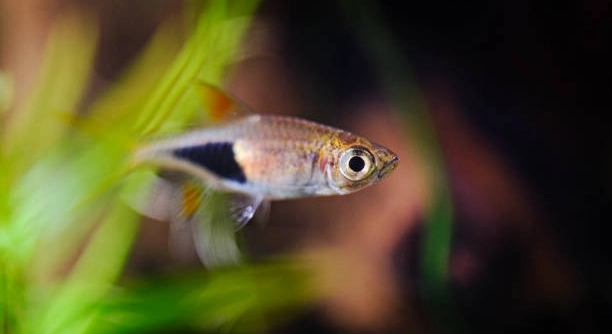
Many aquarium keepers notice subtle behaviors in their fish, especially around the glass. Rasboras often appear attentive during routine care, creating interest in how these small schooling fish perceive movement nearby within home aquariums settings.
Rasboras respond to hand movement primarily through learned association and visual sensitivity. Repeated exposure to hands during feeding conditions them to approach movement, while their schooling nature amplifies collective responses, resulting in coordinated swimming patterns near perceived stimuli within tanks.
Observing these reactions more closely reveals how environment, routine, and learning shape daily interactions between rasboras and their caretakers consistently.
Why Rasboras Notice Your Hand
I have watched my rasboras slow their swimming when my hand approaches the glass. Their eyes track motion well, and movement breaks the steady rhythm of the tank. Hand movement creates contrast, shadows, and vibration that stand out against plants and gravel. Over time, repeated exposure teaches rasboras that a hand often signals feeding or maintenance. This learning process is simple but effective. The fish do not recognize a person, yet they recognize patterns. Sudden movements may cause brief darting, while slow motions often attract them forward. Group behavior also matters. When one fish reacts, the school follows, creating a unified response. This reaction is not emotion driven but based on survival awareness and routine. Calm tanks with stable lighting make these responses more noticeable and consistent. Water clarity and tank size further influence how clearly these movements are detected during everyday care by observant rasboras in familiar environments daily.
My own tanks show stronger responses before feeding times. Rasboras gather sooner, swim higher, and remain alert. When routines stay consistent, hand movement becomes predictable. In less structured tanks, reactions appear weaker, scattered, and short lived overall. Lighting changes and room activity can also affect these patterns significantly during observation.
Rasboras rely heavily on vision, but they also sense vibrations through water displacement. A hand near the glass changes pressure and light, which draws attention. Fast or abrupt movement may activate avoidance behavior, while steady motion encourages inspection. Tank placement plays a role as well. Aquariums near frequent foot traffic may reduce sensitivity over time. In quieter spaces, responses remain sharp. These behaviors reflect adaptation, not attachment. Understanding this helps set realistic expectations and encourages calmer interactions during feeding, cleaning, and observation without overstimulation or stress. This awareness improves daily care decisions and long term tank stability for sensitive species.
How Routine Shapes Their Response
Consistency shapes how rasboras interpret movement. Regular feeding times, gentle maintenance, and stable lighting reduce uncertainty. Over weeks, fish associate hands with neutral outcomes. This conditioning leads to calmer schooling behavior and fewer stress responses during normal tank interaction observed through daily routines by many home aquariums setups today consistently.
I try to maintain predictable habits because rasboras respond best to stability. Feeding from the same side of the tank reduces confusion. Moving slowly during cleaning prevents sudden flight responses. Even small changes, such as switching lights abruptly or tapping glass, can disrupt learned expectations. Over time, repeated calm exposure builds tolerance to nearby movement. This does not remove instinct, but it lowers unnecessary stress. Schooling fish depend on group signals, so one startled reaction spreads quickly. Preventing that first trigger matters. Planted tanks with visual cover also soften responses by giving fish control over distance. When fish feel secure, they observe instead of flee. This balance supports better feeding behavior, improved coloration, and consistent activity levels. Hand movement then becomes part of the environment rather than a disturbance. By respecting routine and pace, interactions remain smooth and predictable for both keeper and fish. Lighting schedules should remain steady to avoid confusion. Background noise also matters. Quiet rooms promote calmer behavior. Sudden shadows from above are more noticeable than side movement. Gentle presence encourages observation without fear over extended periods. This approach supports long term health and predictable responses in community tanks for small schooling fish species like rasboras kept.
How Feeding and Environment Influence Reactions
Hand movement can trigger feeding anticipation when rasboras associate motion with food delivery. This response appears strongest near the surface and during regular schedules. Outside feeding times, reactions are shorter and less focused, especially in tanks with ample plants, hiding areas, and consistent lighting that support calm behavior overall daily.
Repeated hand exposure does not mean rasboras expect interaction. Instead, they learn probability. Movement near the glass sometimes results in food, sometimes maintenance, and sometimes nothing. This uncertainty keeps responses alert but controlled. In my tanks, slower movements draw closer inspection, while fast gestures cause brief scattering. Schooling amplifies this effect, as one fish shifting position cues others instantly. Tank size also influences distance tolerance. Smaller aquariums compress reactions, while larger layouts allow gradual approach. Over time, fish adjust spacing based on outcomes, conserving energy while remaining responsive to familiar motion patterns observed during routine daily care sessions at home.
Lighting angle plays a major role in how hand movement is perceived. Overhead shadows can appear sudden and threatening, while side movement is processed more calmly. I noticed fewer startle responses after adjusting room lights and avoiding movement directly above the tank. Background activity matters too. Televisions, passing people, and bright windows add constant motion, reducing sensitivity over time. In quieter rooms, rasboras react more clearly and consistently. Clear water enhances visual detection, while cluttered décor softens contrast. These elements shape how movement is interpreted without altering natural instincts formed through evolution and daily environmental exposure within home aquariums today.
Individual Differences and Practical Handling
Hand movement responses vary between species and even individual rasboras. Age, past stress, and tank mates influence tolerance levels. In mixed community tanks, bolder fish often lead approaches, while cautious ones follow later. I see stronger reactions in newly introduced fish compared to established groups. Stability reduces exaggerated responses. Providing cover allows fish to choose distance, preventing forced exposure that could elevate stress over time during routine maintenance and feeding activities observed across several tanks.
Rasboras do not seek contact, but they adapt quickly to predictable motion. This distinction matters when interpreting behavior. Approaching the glass does not signal attachment, only recognition of patterns. I avoid tapping or sudden gestures, as these undo weeks of conditioning. Gentle presence supports calm schooling and steady feeding responses. Tank height also matters. Taller tanks reduce overhead threat perception. Horizontal space supports gradual approach rather than vertical escape. These adjustments improve observation without stressing fish. Respecting natural limits keeps behavior consistent. When movement remains slow and expected, rasboras stay visible, active, and coordinated, making daily care easier and more rewarding. This approach aligns with their instincts and long term wellbeing in captivity across stable, well maintained home aquarium environments observed by many careful keepers.
Interpreting Sudden Versus Slow Movement
Sudden hand movement often causes brief startle responses in rasboras. They dart, regroup, and resume schooling within seconds. This reaction protects them from perceived threats. I see it most during cleaning, when motion is faster, closer, and less predictable than feeding routines usually are during normal tank maintenance sessions daily.
Slow, deliberate movement produces calmer reactions and longer inspection behavior. Rasboras approach the glass, hover briefly, then drift back. I rely on this response during observation. It allows me to check health, schooling balance, and feeding readiness without causing unnecessary stress or disruption during regular tank care routines at home.
The Role of Tank Setup in Visual Response
Tank setup influences how movement is processed. Open swimming space increases visibility, while dense planting softens visual contrast. In my experience, rasboras in planted tanks react with curiosity rather than flight. Background color matters. Dark back panels reduce sharp shadows. Stable water parameters also support predictable behavior. Stress from poor conditions heightens sensitivity to motion. Filtration flow plays a role by masking vibration. When current remains steady, hand movement feels less intrusive. Over time, fish adjust spacing based on comfort. These environmental factors shape responses without changing instinctive schooling patterns formed through routine exposure and consistent daily care practices overall.
Applying This Awareness During Daily Care
Understanding these responses helps set realistic expectations during care. Rasboras are reacting to patterns, not people. I find calmer movement improves visibility and feeding order. Respecting their sensory limits supports stability, reduces stress signals, and keeps schooling behavior consistent over long periods within well maintained home aquarium environments daily routines.
Do Rasboras recognize individual caretakers?
Rasboras do not recognize people individually. They respond to patterns and routine rather than identity. In my tanks, I notice they react similarly whether it is me or someone else approaching the glass. Their attention is drawn to hand movement, feeding gestures, and timing. Over time, consistent behavior by a caretaker helps fish learn predictable outcomes, such as food delivery or maintenance. This consistency reduces stress and prevents sudden flight responses. While they appear to “know” me, it is really pattern recognition and learned association. Their schooling nature amplifies the reaction, so one fish noticing movement causes the entire group to respond in a similar manner, which can create the illusion of personal recognition.
Why do some rasboras seem more cautious than others?
Individual differences affect response intensity. Age, personality, past stress, and prior experiences shape behavior. I have older fish that respond minimally to hand movement, while younger or newly introduced fish may dart quickly. Environmental factors like tank size, planting, lighting, and water clarity also influence perception. A densely planted tank allows cautious fish to maintain distance and feel secure, while open tanks increase reaction visibility. Social dynamics play a role too. Bold individuals lead approach behaviors, while shy ones follow at a distance. Maintaining calm, consistent routines encourages hesitant fish to explore slowly without feeling threatened. Over time, even cautious fish adjust, but their responses always remain more measured compared to naturally bold tank mates.
Do rasboras associate hand movement only with feeding?
Not entirely. They associate hand movement with patterns that signal potential outcomes, including food, cleaning, or other interactions. In my experience, movement during feeding draws the strongest responses, especially when combined with prior conditioning. Slow, deliberate motions near the surface attract attention, while abrupt movements trigger startle responses. Repeated exposure conditions fish to tolerate certain gestures, reducing unnecessary flight behavior. Tank placement and environmental stability influence this learning. Frequent predictable interactions help them differentiate between neutral, rewarding, and potentially threatening actions. Over time, hand movement becomes part of their environment rather than a source of stress. This pattern-based learning is subtle but consistent and observable during daily care routines.
How can I reduce stress during tank maintenance?
Hand movement should be slow and deliberate. I approach the glass gently, avoid sudden overhead gestures, and maintain consistent lighting during cleaning. Plant cover and decorations provide safe spaces for fish to retreat temporarily, minimizing panic responses. Breaking maintenance into smaller steps reduces abrupt motion, allowing schooling fish to stay cohesive and calm. Avoid tapping the glass or creating strong vibrations, as these trigger startle responses. Observation before and after interventions helps gauge comfort. Over time, predictable routines allow fish to anticipate neutral outcomes, lowering overall stress levels. Calm water conditions and stable parameters also enhance tolerance to necessary movements in the tank.
Do tank size and layout affect responses to hand movement?
Yes. Smaller tanks compress fish, making reactions appear stronger, while larger tanks allow gradual approach and controlled retreat. I notice fish in taller tanks perceive overhead movement as more threatening, while wide horizontal space supports slower, investigative swimming. Dense planting softens visual contrast, reducing abrupt startle responses. Background color and water clarity matter too; dark backgrounds reduce shadows, making hand movement less startling. Filtration and water flow influence vibration perception, with steady currents masking minor disturbances. Over time, these elements shape behavior, allowing for calmer schooling and more predictable responses to hand gestures during feeding or routine observation.
Can repeated exposure to hands make rasboras less reactive?
Yes, with controlled, consistent exposure. I gradually introduced slow, deliberate hand movement outside feeding times. Fish began to hover instead of darting, indicating lower stress. The response is not attachment but learned tolerance. Predictable, gentle interactions allow schooling fish to adjust distance and reduce panic behavior. Sudden, irregular motions undo this progress, so maintaining calm, repeated exposure is essential. Over weeks, fish respond more consistently without overstimulation. Environmental stability, routine feeding schedules, and adequate cover further reinforce this learned tolerance. This approach improves visibility, observation, and safe interaction during daily care.
Do lighting and background influence how movement is perceived?
Yes. Overhead lighting can create harsh shadows, startling fish, while side lighting produces softer contrasts that encourage inspection. Dark tank backgrounds reduce sharp visual cues, minimizing startle responses. Consistent light schedules prevent confusion and maintain predictable routines. I keep lighting steady during observation and feeding to avoid unnecessary stress. Background activity in the room, such as movement or bright reflections, also affects sensitivity. Clear water enhances perception, while cluttered or decorated tanks soften contrasts, allowing fish to approach gradually. Lighting, background, and environmental consistency collectively shape how hand movement is interpreted, keeping schooling behavior calm and predictable over time.
Do rasboras react differently in groups versus alone?
Rasboras are schooling fish, so group dynamics amplify responses. I notice one fish detecting movement triggers immediate coordinated swimming in others. Solitary individuals show weaker, more hesitant responses. Social cues are crucial; the first reaction acts as a signal for the school. In larger groups, reactions appear more pronounced because of synchronized swimming and collective alertness. This behavior reflects instinctual survival mechanisms, helping the group navigate potential threats efficiently. Understanding schooling dynamics allows me to interpret reactions accurately and adjust hand movement, ensuring calm interactions without creating unnecessary stress for the entire group during feeding or maintenance routines.
Can hand movement affect feeding behavior long-term?
Yes, predictability improves feeding efficiency. Slow, consistent movement signals mealtime and reduces stress-related avoidance. I noticed that abrupt gestures can delay feeding, as some fish temporarily retreat. By maintaining gentle, scheduled motions, fish become more confident, approach food quickly, and stay cohesive in schools. Over weeks, they learn to associate calm movement with positive outcomes, improving observation opportunities and minimizing conflicts. Consistency also helps maintain uniform swimming patterns during feeding, prevents aggressive chasing, and supports natural schooling behavior. This careful approach reinforces routine, reduces stress, and promotes stable interactions in home tanks, benefiting both fish and caretaker daily.
How do environmental changes impact hand response?
Environmental changes, like altered décor, lighting, or water parameters, heighten sensitivity to hand movement. I observed stronger reactions after rearranging plants or switching tank backgrounds. Fish interpret sudden visual shifts as potential threats, even if hand movement remains slow. Gradual adjustments allow adaptation, while abrupt changes amplify startle responses. Stable conditions support learned tolerance to hand motion. Water clarity, flow, and temperature fluctuations also influence perception. When these factors remain consistent, hand gestures provoke predictable, calm reactions. Attention to environment ensures routine care does not stress schooling fish, preserving natural behavior and supporting daily observation, feeding, and maintenance practices effectively.
Rasboras are small, schooling fish that respond to movement primarily through visual cues and learned patterns. Hand movement near the tank does not indicate recognition of a person but signals predictable outcomes, such as feeding or cleaning. Over time, they become familiar with repeated gestures and associate them with routine activities. In my experience, observing these reactions requires patience. Sudden, fast movements can startle them, while slow, deliberate actions encourage inspection without stress. Their schooling nature amplifies responses, so one fish noticing movement influences the entire group. Understanding this helps set realistic expectations for daily care, making observation, feeding, and maintenance smoother and less disruptive for both the fish and caretaker. The key is consistency. Stable lighting, clear water, and predictable routines allow rasboras to respond calmly, demonstrating curiosity rather than fear. Even cautious individuals adjust gradually when exposed to gentle, repeated movements, creating a balanced environment where all fish can thrive.
Tank setup plays a significant role in how hand movement is perceived. Open swimming spaces make reactions more visible, while dense planting provides safe zones that reduce stress. Background color and lighting angles influence visual contrast, with darker panels and side lighting producing softer, less startling responses. Water flow and filtration also matter because sudden vibrations can trigger reflexive darting, while steady currents mask minor disturbances. I find that careful arrangement of plants and décor allows fish to approach or retreat at their own pace, fostering a sense of security. Group dynamics further shape behavior. Bold individuals lead responses, while more cautious fish follow, creating coordinated schooling behavior. Gradual introduction of new environmental elements, such as rearranged decorations or additional plants, prevents heightened sensitivity to hand movement. By maintaining these considerations, caretakers can support natural instincts while minimizing unnecessary stress. Predictable, gentle interaction is essential to maintaining stable schooling patterns and long-term wellbeing in home aquariums.
Routine and consistency are crucial for long-term comfort and predictable behavior. Rasboras adapt quickly to repeated hand movement associated with feeding or neutral activities when done calmly and regularly. Abrupt changes, such as tapping the glass, sudden overhead motion, or inconsistent feeding times, undo learned tolerance and provoke startle responses. I have found that small, deliberate movements before and during feeding improve coordination, encourage even distribution among the group, and maintain calm schooling. Gradually introducing new experiences, such as cleaning or adding tank elements, ensures fish remain comfortable with motion in their environment. These practices support observation without causing stress, maintain healthy behavior, and reinforce confidence in daily routines. Recognizing that rasboras respond to patterns rather than attachment allows caretakers to interact effectively while respecting their instincts. By focusing on stability, predictable cues, and calm movement, fish remain active, cohesive, and confident, making home aquariums more manageable and enjoyable for both the caretaker and the fish over time.

Hello,
If you enjoy the content that we create, please consider saying a "Thank You!" by leaving a tip.
Every little bit helps us continue crafting quality advice that supports the health, happiness, and well-being of pets around the world, for pets of all shapes, sizes, and species.
We really appreciate the kindness and support that you show us!