
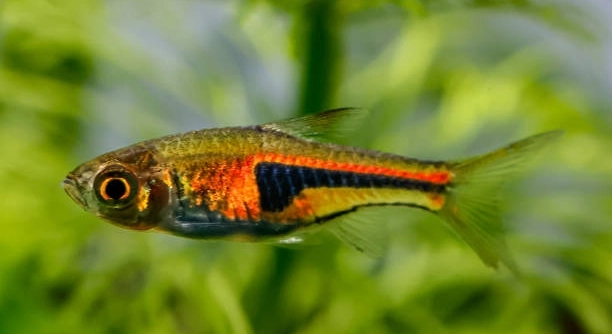
Rasboras are small, peaceful fish that bring gentle movement to any aquarium. Many aquarists enjoy keeping them in community tanks where they can coexist with other species, including invertebrates like shrimp. Their calm nature makes them appealing for mixed tanks.
Rasboras can generally live with shrimp if the tank is well-planted and provides hiding spaces. These fish are non-aggressive and usually ignore adult shrimp, though very small shrimp may be at risk if not properly protected.
Maintaining a balanced environment ensures both species thrive, and understanding their interactions will help create a harmonious aquarium setup.
Ideal Tank Setup for Rasboras and Shrimp
Creating a suitable tank environment is key for keeping Rasboras with shrimp. A well-planted aquarium offers hiding spaces for shrimp, reducing stress and preventing accidental predation by small fish. Floating plants and dense moss give shrimp areas to molt safely. Rasboras prefer calm waters with gentle filtration. Maintaining stable water parameters, including a pH of 6.5 to 7.5 and temperatures between 72°F and 80°F, helps both species thrive. Substrate choice also matters; fine gravel or sand allows shrimp to forage while preventing Rasboras from disturbing them. Light levels should not be too intense, as excessive brightness can stress both shrimp and fish. Regular water changes keep nitrate and ammonia levels low, promoting overall health. Adding driftwood or small caves creates additional shelter. With the right combination of plants, hiding spaces, and stable water conditions, a tank can safely house both Rasboras and shrimp.
Proper filtration and gentle water flow support a peaceful coexistence.
Maintaining the tank involves monitoring water parameters closely and ensuring shrimp have access to food. Leaf litter or specialized shrimp food provides extra nutrition, supporting molting and overall growth. Rasboras benefit from small, high-quality flakes or micro-pellets, which do not overwhelm shrimp. Avoid overfeeding, as excess food can pollute the water and lead to stress. Observing interactions helps detect early signs of aggression or predation. Adjusting plant density or adding extra hiding spots can prevent issues. Keeping a stable temperature and avoiding sudden changes ensures both species remain healthy. By combining careful feeding, proper shelter, and consistent maintenance, the tank supports a balanced ecosystem where Rasboras and shrimp can coexist without frequent problems.
Behavior and Compatibility
Rasboras are naturally peaceful, which makes them compatible with many small invertebrates.
Shrimp are more vulnerable during molting or when young, so monitoring interactions is essential. While adult shrimp are usually safe, tiny or newly hatched shrimp may attract curiosity from Rasboras. Tank setup plays a critical role in managing these interactions. Dense plants, moss, and hiding spots reduce stress and provide security for shrimp. Rasboras typically swim in mid to upper tank levels, limiting direct contact with bottom-dwelling shrimp. Feeding schedules also affect behavior; well-fed Rasboras are less likely to bother shrimp. Observing the tank regularly allows adjustments to plant placement or decorations to improve safety. Choosing the right Rasbora species is important, as some grow larger or display more active feeding behaviors. By carefully balancing species selection, tank layout, and monitoring, it is possible to maintain a peaceful community where shrimp and Rasboras coexist without significant issues. Consistent care ensures that both species thrive together for extended periods.
Feeding Practices for Rasboras and Shrimp
Rasboras and shrimp require different feeding approaches, but their diets can complement each other. Shrimp benefit from algae, biofilm, and specialized pellets, while Rasboras thrive on small flakes or micro-pellets. Balanced feeding ensures both species remain healthy without competition.
Providing food in small, controlled amounts prevents overfeeding and water contamination. Shrimp enjoy foraging among plants and substrate, while Rasboras feed primarily in open water. Rotating food types supports nutritional balance. Leaf litter or blanched vegetables can supplement shrimp diets, promoting healthy molting. Rasboras respond well to occasional live or frozen foods, encouraging natural hunting behavior. Observing both species during feeding ensures each gets adequate nutrition without stress or aggression, keeping the community stable.
Timing and distribution are crucial. Feeding shrimp first near hiding spots allows safe foraging. Rasboras can then be offered food at mid-levels, reducing interference. This method prevents small shrimp from being outcompeted. Maintaining a consistent feeding schedule supports healthy growth, minimizes aggression, and ensures long-term coexistence between these species in a shared aquarium. Proper observation and adjustment of feeding routines enhance both health and harmony.
Common Challenges and Solutions
Shrimp vulnerability during molting is a frequent issue in mixed tanks. Dense plants and moss provide critical shelter and reduce stress.
Predation risk decreases when hiding spots are abundant. Overcrowding, poor water quality, and sudden temperature changes can stress both Rasboras and shrimp. Observing behavior helps detect problems early. Adjusting plant density, adding caves, or providing leaf litter supports shrimp safety. Maintaining stable water parameters, including consistent temperature, pH, and filtration, minimizes aggression and promotes health. Rasboras are generally peaceful but may occasionally investigate small or young shrimp. By addressing environmental and behavioral factors, most challenges can be prevented or mitigated.
Regular monitoring and preventive measures are effective long-term. Keeping plants healthy, performing routine water changes, and avoiding overcrowding all support coexistence. Providing supplementary hiding spots during shrimp molting cycles is essential. Balanced feeding ensures neither species feels deprived or stressed. Observing Rasboras’ activity levels can indicate potential issues, while checking shrimp for successful molts signals their comfort. Minor adjustments to tank setup often solve problems before they escalate. By staying proactive, both Rasboras and shrimp can live together safely, minimizing conflicts and promoting a harmonious aquarium environment.
Water Conditions and Maintenance
Stable water conditions are essential for both Rasboras and shrimp. Maintaining a temperature between 72°F and 80°F, a pH of 6.5 to 7.5, and low ammonia levels helps both species thrive without stress. Regular testing is important.
Frequent water changes prevent harmful buildup of nitrates and other toxins. Gentle filtration ensures water clarity while avoiding strong currents that may stress shrimp. Consistency in water parameters supports healthy growth and reduces disease risk.
Tank Size Considerations
A tank of at least 10 gallons is recommended when housing Rasboras with shrimp. More space reduces stress and allows each species to establish territories. Overcrowding can lead to aggression and poor water quality. Choosing the right size tank ensures a balanced environment for both species.
Choosing Compatible Rasbora Species
Some Rasbora species are more suitable for shrimp tanks than others. Smaller species, like Harlequin or Chili Rasboras, are less likely to bother adult shrimp, while larger, more active species may pose a risk to small or juvenile shrimp.
Observation and Monitoring
Regular observation helps detect early signs of stress or predation. Noticing changes in behavior allows for timely adjustments in tank setup or feeding, ensuring both species remain healthy and comfortable.
FAQ
Can adult shrimp live safely with Rasboras?
Yes, adult shrimp generally coexist well with Rasboras. Adult shrimp are large enough to avoid being eaten, and Rasboras are peaceful fish that usually do not target invertebrates. Providing hiding spots and plants ensures shrimp feel secure while freely exploring the tank.
Are baby shrimp at risk with Rasboras?
Yes, baby shrimp are more vulnerable. Tiny or newly hatched shrimp may attract curiosity from Rasboras. Dense plant cover, moss, and leaf litter give baby shrimp places to hide until they grow large enough to move safely around the tank.
What Rasbora species are safest with shrimp?
Smaller, peaceful species such as Harlequin Rasboras and Chili Rasboras are the most compatible. Larger or more active species may inadvertently harm shrimp or compete for food, so careful selection is essential for maintaining a safe environment.
How should I feed both species in the same tank?
Feed shrimp near the substrate or hiding areas, while offering Rasboras food in mid-level water. Small, controlled portions prevent competition, reduce stress, and keep the water clean. Rotating food types supports nutrition for both species.
Do Rasboras need special water conditions to live with shrimp?
Yes, maintaining stable water parameters benefits both. A temperature between 72°F and 80°F, pH of 6.5–7.5, and low ammonia or nitrate levels are ideal. Consistency prevents stress and ensures healthy growth for both Rasboras and shrimp.
How many Rasboras can I keep with shrimp?
A safe ratio depends on tank size. In a 10-gallon tank, a small group of 6–8 Rasboras can coexist with several shrimp. Larger tanks allow more fish, but overcrowding should be avoided to maintain harmony and reduce water quality issues.
Do Rasboras bother molting shrimp?
Rasboras are generally peaceful, but molting shrimp are temporarily vulnerable. Providing moss, dense plants, and hiding spots during molting periods ensures shrimp can safely complete the process without being disturbed.
Can Rasboras and shrimp share the same diet?
Their diets differ slightly, but they can coexist without conflict. Shrimp enjoy biofilm, algae, and specialized pellets, while Rasboras eat small flakes or micro-pellets. Offering food at different levels helps prevent competition.
How often should I check water quality in a mixed tank?
Regular monitoring is important. Weekly testing of pH, ammonia, nitrites, and nitrates helps catch problems early. Minor fluctuations can stress shrimp and Rasboras, so maintaining stable water conditions is critical for long-term health.
Will Rasboras stress shrimp if the tank is too small?
Yes, limited space increases stress for both species. Providing adequate room, hiding spots, and plants allows shrimp to escape when needed and keeps Rasboras from feeling crowded, reducing aggression and promoting a balanced environment.
Is it necessary to separate shrimp during breeding?
Separating shrimp is not always required, but young shrimp are safer in heavily planted areas. Dense moss and hiding spots allow juveniles to avoid curious Rasboras until they grow large enough to swim freely.
Can I keep different Rasbora species together with shrimp?
Yes, but compatibility depends on behavior and size. Mixing peaceful, small Rasboras usually works, while including larger or aggressive species may increase risks for shrimp. Observing interactions is essential when combining species.
How do I know if Rasboras are harming shrimp?
Watch for missing shrimp, signs of stress, or molting problems. Healthy shrimp hide during molting and feed normally. If Rasboras appear overly curious or aggressive, adding more plants, moss, or hiding spots can resolve issues.
Do Rasboras and shrimp require the same lighting?
Moderate lighting works well for both. Bright lights may stress shrimp, while Rasboras tolerate typical aquarium lighting. Providing shaded areas with plants allows shrimp to stay comfortable without disturbing fish activity.
How long can Rasboras and shrimp coexist peacefully?
With proper tank setup, feeding, and monitoring, they can coexist indefinitely. Stable water conditions, hiding spots, and compatible species selection are key factors for maintaining a harmonious community tank.
This FAQ addresses the most common concerns about keeping Rasboras with shrimp, providing practical solutions for a safe and balanced aquarium environment. Proper care ensures both species thrive together without ongoing issues.
Keeping Rasboras with shrimp can be a rewarding experience when proper care is taken. These small, peaceful fish generally do not harm adult shrimp, making them suitable for community tanks. The key to successful coexistence lies in creating a balanced environment where both species have their needs met. Dense plants, moss, and hiding spots give shrimp security while allowing Rasboras to swim freely. Providing the right tank size and carefully monitoring water parameters helps reduce stress and maintain harmony between the species. A well-maintained tank allows both Rasboras and shrimp to thrive and display their natural behaviors without unnecessary conflicts or risks. Observing interactions regularly ensures that any potential problems are addressed quickly before they escalate.
Feeding both species appropriately is another important factor in maintaining a peaceful aquarium. Shrimp benefit from biofilm, algae, and specialized pellets, while Rasboras require small flakes or micro-pellets. Offering food at different levels of the tank allows each species to eat safely and reduces competition. Overfeeding should be avoided, as leftover food can pollute the water and stress both fish and invertebrates. A consistent feeding schedule also helps maintain the balance of the tank, keeping Rasboras satisfied and shrimp healthy. Supplementing the shrimp diet with occasional leaf litter or blanched vegetables promotes successful molting and overall growth. By paying attention to nutrition and feeding strategies, it is possible to ensure that both species coexist comfortably without compromising their well-being.
Long-term success with Rasboras and shrimp depends on stability and observation. Maintaining water conditions within ideal ranges, performing regular water changes, and keeping the tank clean are essential for the health of both species. Observing behaviors allows adjustments to be made in plant density, hiding spots, or tank layout if needed. Choosing the right Rasbora species, typically smaller and less active types, reduces potential risks to shrimp. With careful planning, attention to feeding, and proper tank maintenance, Rasboras and shrimp can live together in a safe and harmonious environment. This approach ensures a vibrant, peaceful aquarium where both species can flourish over time, providing enjoyment and satisfaction for the keeper.

Hello,
If you enjoy the content that we create, please consider saying a "Thank You!" by leaving a tip.
Every little bit helps us continue crafting quality advice that supports the health, happiness, and well-being of pets around the world, for pets of all shapes, sizes, and species.
We really appreciate the kindness and support that you show us!