
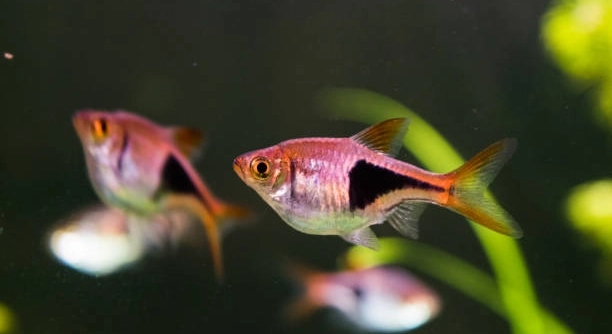
Are your rasboras swimming in a tank that feels more like a plain glass box than a home? Small, peaceful fish thrive in environments designed to meet their natural needs and behaviors. Proper care enhances their activity and wellbeing.
Creating a comfortable habitat for rasboras involves maintaining appropriate water parameters, providing adequate swimming space, and incorporating plants or decorations that simulate their natural environment. Regular monitoring of temperature, pH, and tank cleanliness supports their health and stress reduction.
These simple adjustments can transform a basic tank into a welcoming space for your fish. Following these steps will help your rasboras thrive naturally.
Choosing the Right Tank Size
A properly sized tank is essential for rasboras to feel comfortable. Small tanks can cause stress and limit swimming, while larger tanks offer space for exercise and social interaction. A 20-gallon tank is usually sufficient for a small school, but bigger groups need more room. Make sure the tank is longer rather than taller, as rasboras prefer horizontal swimming space. Overcrowding can lead to aggression, reduced immunity, and uneven growth. Decorations and plants should leave open areas for swimming. Regularly measuring your tank dimensions and comparing them with fish numbers helps maintain a healthy environment. Filtration should match tank size to ensure water clarity and oxygen levels. A well-planned tank layout encourages natural schooling behavior. Proper tank size not only improves their physical health but also reduces stress and enhances colors. Observing how your fish interact can help you adjust space and placement over time for optimal comfort.
Keeping rasboras in a spacious tank ensures they are active, healthy, and display natural schooling behavior without unnecessary stress.
Monitoring tank size and adjusting decorations is crucial. Open areas and enough swimming space significantly improve your rasboras’ overall wellbeing.
Maintaining Water Quality
Regular water changes are critical to prevent harmful buildup in the tank. Rasboras are sensitive to fluctuations in pH, temperature, and chemical levels. Testing water weekly helps identify issues early. Removing uneaten food, decaying plants, and waste reduces ammonia and nitrite spikes. Using a proper filter ensures circulation and oxygenation, supporting a stable environment. Temperature should remain consistent between 74–80°F, while pH levels around 6.5–7.5 are ideal. Avoid sudden changes, as these can stress the fish and weaken their immune system. Water conditioners can neutralize chlorine and heavy metals from tap water. Routine maintenance, including vacuuming the substrate and cleaning decorations, keeps the tank safe. Maintaining a predictable schedule for partial water changes fosters healthier fish. Tracking water parameters and observing fish behavior ensures early detection of potential problems. Clean water promotes vibrant colors, active schooling, and long-term health for your rasboras.
Proper water quality directly affects your rasboras’ energy, coloration, and overall health. Maintaining stable conditions prevents disease and stress.
Adding Plants and Hiding Spots
Live plants provide shelter and reduce stress for rasboras. They also improve water quality by absorbing nitrates. Decorations like caves or driftwood give hiding spaces and help mimic a natural environment.
Choosing hardy plants like Java moss, Anubias, or floating plants offers both coverage and easy maintenance. Arrange plants to create open swimming lanes while keeping dense areas for hiding. Driftwood or smooth rocks can add variety and prevent territorial conflicts. Ensuring decorations have no sharp edges protects delicate fins. Over time, plants can grow and provide additional cover, reducing stress during feeding or changes in tank conditions. Balanced placement enhances the tank’s aesthetic while supporting natural behavior, allowing rasboras to explore, school, and feel secure in their environment. Observing how fish interact with plants and shelters helps refine placement for better comfort.
A mix of tall and low plants with occasional hiding spots keeps rasboras active, relaxed, and displays their natural behavior.
Providing plants and shelters allows rasboras to feel secure, explore freely, and maintain a calm, healthy lifestyle in their tank.
Feeding and Nutrition
Rasboras require a varied diet for optimal health. High-quality flake, micro-pellets, and occasional live or frozen foods like brine shrimp and daphnia support growth and vibrant coloration. Overfeeding can pollute the tank and harm water quality.
Feed small portions 2–3 times daily to prevent leftover food. Rotating between flakes, pellets, and frozen options ensures they receive balanced nutrients. Supplementing with occasional live foods encourages natural hunting behavior and provides protein variety. Monitor their response to food to avoid underfeeding or overeating. Removing uneaten portions helps maintain water quality and reduces stress caused by waste accumulation. A balanced feeding routine promotes healthy digestion, stronger immunity, and active swimming behavior. Observing body condition and coloration can indicate if dietary adjustments are needed for long-term wellbeing.
Consistent feeding schedules combined with nutrient-rich food improve health, maintain color, and support schooling behavior in rasboras, making them more lively and resilient.
Schooling and Social Behavior
Rasboras are social fish and feel safer in groups. Keeping at least six together encourages natural schooling behavior. Small groups can become stressed and hide frequently.
Observing their interactions helps identify dominant or shy individuals. Proper group size reduces aggression and allows synchronized swimming, which is vital for their mental wellbeing.
Lighting and Day-Night Cycle
Consistent lighting supports rasboras’ natural rhythms. Use a timer to maintain 8–10 hours of light daily. Avoid direct sunlight, which can cause temperature spikes and algae growth.
Proper lighting enhances coloration, encourages plant growth, and establishes a predictable day-night cycle. Rasboras become more active and less stressed when the environment mimics natural conditions.
Tank Mates
Peaceful community fish are ideal companions for rasboras. Avoid aggressive or large species that may bully or eat them.
Suitable tank mates include small tetras, guppies, and Corydoras. Matching temperament and size ensures a harmonious aquarium where rasboras can school freely and maintain healthy behavior patterns.
How often should I change the water in my rasbora tank?
Partial water changes of 20–25% every week are usually sufficient to maintain water quality. Rasboras are sensitive to fluctuations in ammonia and nitrite levels, so consistent water replacement prevents stress and keeps them healthy. Always treat tap water with a conditioner before adding it to the tank to remove chlorine and heavy metals. Avoid sudden large changes, as these can shock the fish and disturb beneficial bacteria in the filter. Monitoring water parameters regularly ensures that small, consistent changes are enough to keep the environment stable.
What is the ideal temperature for rasboras?
Rasboras thrive in water temperatures between 74 and 80°F. Maintaining a stable temperature is important, as fluctuations can weaken their immune system and increase susceptibility to disease. A reliable heater with a thermostat can help maintain consistent conditions. Avoid placing the tank near drafts, air conditioners, or heaters that can cause rapid changes. Observing the fish’s behavior, such as swimming near the surface or hiding excessively, may indicate discomfort due to temperature. Consistent temperature control supports metabolism, activity, and overall health, allowing your rasboras to display natural schooling patterns.
How many rasboras should I keep together?
A minimum of six rasboras is recommended for proper schooling behavior. Smaller groups may become stressed, hide, or show signs of aggression. Larger schools of 10–12 or more improve activity levels and reduce anxiety. Observing how they swim together can indicate whether the group size is sufficient. Balanced group sizes help distribute attention, reduce dominance disputes, and encourage synchronized swimming. When adding new fish, introduce them gradually to avoid sudden disruption to the established hierarchy. Proper social structure promotes healthier, more active fish that feel secure in their tank.
What should I feed my rasboras?
Rasboras require a varied diet to remain healthy. High-quality flake or micro-pellets form the base of their diet, supplemented with occasional live or frozen foods like brine shrimp, daphnia, or bloodworms. Feeding small portions 2–3 times daily prevents leftover food from polluting the tank. Rotating food types ensures balanced nutrition and helps maintain vibrant coloration. Observing their response to different foods can reveal preferences or potential dietary gaps. A consistent feeding routine supports digestion, immunity, and energy, allowing rasboras to school actively and maintain their natural behavior.
Can rasboras live with other fish?
Rasboras are peaceful and do well with other non-aggressive species of similar size. Suitable tank mates include small tetras, guppies, and Corydoras. Avoid larger or aggressive fish that may bully or prey on them. Matching water requirements, temperament, and activity levels ensures a harmonious environment. Observing interactions when introducing new tank mates helps prevent stress and territorial disputes. Properly selected companions allow rasboras to swim freely, maintain schooling behavior, and reduce anxiety, resulting in a more balanced and lively aquarium.
How do I prevent algae and maintain a clean tank?
Regular water changes and removing uneaten food help reduce nutrient buildup that feeds algae. Adequate lighting, without overexposure, limits growth. Live plants can outcompete algae for nutrients and improve water quality. Using a filter rated for your tank size ensures proper circulation and waste removal. Cleaning the substrate and decorations during maintenance prevents excessive debris accumulation. Introducing algae-eating species, such as snails or certain shrimp, can also help control algae naturally. Consistent maintenance supports healthy rasboras while keeping the tank visually appealing and free of harmful buildup.
Why are my rasboras hiding more than usual?
Excessive hiding can indicate stress from poor water quality, inappropriate temperature, overcrowding, or aggressive tank mates. Checking water parameters and tank conditions helps identify the cause. Providing more hiding spots or rearranging plants can reduce stress. Observing behavior over time allows you to adjust the environment and restore comfort. Stress-free conditions encourage normal schooling, active swimming, and better overall health.
How can I tell if my rasboras are healthy?
Healthy rasboras have vibrant colors, smooth scales, and clear eyes. They swim actively in schools and respond to feeding promptly. Signs of illness include lethargy, loss of appetite, clamped fins, white spots, or abnormal swimming patterns. Regular observation, combined with proper water maintenance, feeding, and tank care, helps prevent disease and ensures long-term wellbeing. Early detection and prompt intervention are key to maintaining a thriving school of rasboras.
Can rasboras breed in a home aquarium?
Rasboras can breed under optimal conditions, including clean water, stable temperature, and abundant plant coverage. Spawning usually occurs in dense plants or fine-leaved vegetation. Providing high-quality live or frozen foods increases the likelihood of successful breeding. Eggs are typically scattered and may be eaten by adults, so using a breeding tank or separating adults can improve survival rates. Maintaining ideal conditions encourages natural behavior and allows for observing the breeding process in a controlled, safe environment.
What are the most common mistakes new rasbora owners make?
Common mistakes include keeping them in too small a tank, overfeeding, poor water quality, inconsistent temperature, and choosing incompatible tank mates. These issues can lead to stress, illness, and shortened lifespan. Gradual acclimation, proper tank setup, consistent maintenance, and observing behavior help avoid these pitfalls. Providing a suitable environment supports natural schooling behavior, vibrant coloration, and long-term health. Awareness and attention to these details ensure your rasboras feel at home and thrive in a safe, balanced aquarium.
Rasboras are small, peaceful fish that bring life and movement to any aquarium. Their natural beauty and active schooling behavior make them enjoyable to watch. Creating a suitable environment for them requires attention to several key factors, including tank size, water quality, temperature, and diet. A tank that is too small or overcrowded can cause stress, affecting their health and behavior. Proper filtration, regular water changes, and careful monitoring of water parameters help maintain a stable and safe environment. By keeping the water clean and balanced, you provide a foundation for rasboras to thrive, display natural colors, and stay active. It is important to remember that even small adjustments, like adding a few plants or rearranging decorations, can make a significant difference in how comfortable your fish feel. Observing their reactions to these changes allows you to refine their habitat for optimal wellbeing.
Feeding and nutrition are equally important in keeping rasboras healthy. A varied diet consisting of high-quality flakes, micro-pellets, and occasional live or frozen foods ensures they receive essential nutrients. Small, frequent feedings prevent leftover food from polluting the tank while supporting proper digestion and metabolism. Introducing live or frozen foods occasionally encourages natural hunting behavior and adds protein to their diet. Overfeeding can create excess waste, increasing ammonia and nitrite levels, so careful portion control is necessary. By paying attention to their dietary needs and maintaining a consistent feeding schedule, you support their immune system, vibrant coloration, and overall activity. Watching how rasboras respond to different foods also provides insight into their health and preferences, allowing for small adjustments that improve their comfort and energy.
Social behavior and environmental enrichment play a key role in the wellbeing of rasboras. These fish are naturally social and should be kept in small schools to encourage healthy schooling patterns. Providing hiding spots, plants, and open swimming areas helps them feel secure while allowing natural exploration. Proper lighting that mimics a day-night cycle also reduces stress and encourages active behavior. Choosing compatible tank mates and avoiding aggressive species ensures a peaceful environment where rasboras can thrive. By carefully combining water quality, diet, social grouping, and environmental enrichment, you create a balanced habitat where rasboras can live long, healthy lives. Attention to these details not only improves their physical health but also allows you to enjoy their full range of natural behaviors, making your aquarium both lively and harmonious.

Hello,
If you enjoy the content that we create, please consider saying a "Thank You!" by leaving a tip.
Every little bit helps us continue crafting quality advice that supports the health, happiness, and well-being of pets around the world, for pets of all shapes, sizes, and species.
We really appreciate the kindness and support that you show us!