
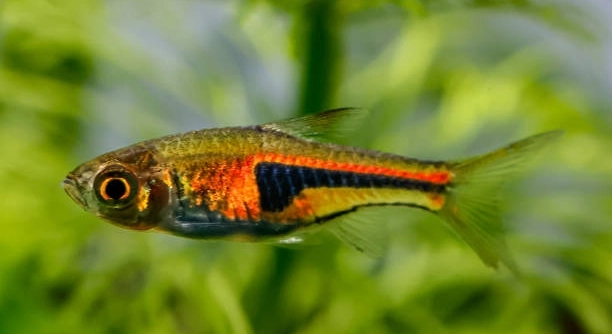
Do your rasboras seem to notice when you speak near their tank? Many fish owners spend hours observing these tiny swimmers and often wonder about their reactions to everyday household sounds. Watching them closely can be surprisingly engaging.
Rasboras can exhibit subtle responses to human voices, primarily through changes in swimming patterns or attention shifts. While they do not comprehend speech, the vibrations and tone of voices may influence their behavior within the aquarium environment.
Understanding how your rasboras respond to sounds can improve interaction and care. Observing these subtle behaviors reveals more about their natural instincts and reactions in captivity.
How Rasboras Perceive Sound
Rasboras rely heavily on their lateral line system to detect vibrations in water. When you speak near their tank, the vibrations from your voice can travel through the glass and water, subtly catching their attention. You might notice them swimming closer or pausing mid-motion. These reactions are not signs of understanding language but are responses to changes in their environment. Consistent gentle sounds may even encourage them to explore areas of the tank they usually avoid. Observing these shifts over time can help you better understand their behavior and comfort levels. Loud or sudden noises, however, can stress them, causing darting or hiding. It’s important to maintain a calm environment, as rasboras are sensitive to sudden changes in vibration or light. Regular interaction, done thoughtfully, can make your tank more engaging for both you and the fish. These small responses show that even tiny fish are aware of their surroundings.
While they cannot comprehend speech, rasboras detect vibrations and adjust their movements accordingly, showing awareness of changes near their tank.
Consistent observation allows you to notice patterns in your rasboras’ responses. Over time, you may see that certain tones or rhythms cause them to gather in one area or swim more actively. These behaviors are often subtle, like brief pauses, slight changes in speed, or minor shifts in direction. Understanding these signals can help you create a more comfortable environment, reducing stress and encouraging natural activity. Tank placement, water conditions, and lighting also influence how they react, as a stable setting allows them to respond predictably to sounds. By paying attention, you can tailor interactions to their behavior, using your voice or soft sounds to stimulate interest or play. This approach not only enhances observation but can also strengthen your connection with their natural instincts. Over time, you may find these small interactions rewarding, offering insight into their behavior and personality traits.
Encouraging Positive Responses
Gentle, consistent sounds can help rasboras feel secure and attentive. Harsh or sudden noises should be avoided to prevent stress.
By experimenting with tone, volume, and frequency of your voice, you can observe how rasboras respond in different situations. Some may approach the glass when they hear softer tones, while others might pause and inspect their surroundings. Over time, this allows you to identify which patterns calm them and which cause agitation. Small adjustments in interaction can create a more enriching environment, encouraging swimming and exploration. Additionally, pairing sounds with feeding or tank maintenance routines can help establish predictable patterns, reducing stress. Observing responses carefully provides insight into their sensitivity to external stimuli. Understanding these subtle cues is crucial for maintaining a healthy, balanced tank. It also helps you anticipate behavior changes due to water quality, temperature fluctuations, or social dynamics within the group. By respecting their natural responses, you can foster a more stable environment, ensuring that rasboras remain active, curious, and comfortable in their aquatic setting.
Recognizing Stress Signals
Rasboras may exhibit stress through rapid darting, hiding, or loss of color. Observing these behaviors helps identify when environmental changes or noises are affecting them, allowing timely adjustments to their surroundings.
Stress in rasboras often results from sudden or prolonged disturbances. Loud voices, vibrations, or abrupt movements near the tank can trigger flight responses. Signs include erratic swimming, frequent hiding behind plants or decorations, and reduced interaction with tank mates. Stress can also impact feeding habits, causing reluctance to eat or sudden aggression among the group. Maintaining consistent lighting, stable water conditions, and gentle interactions can reduce stress. Understanding their responses allows you to create a calm, secure environment where rasboras feel safe, encouraging natural behavior and overall health.
Long-term stress can weaken immune systems and lead to illness. Chronic exposure to vibrations or loud sounds may disrupt daily patterns, including feeding and resting. Monitoring subtle changes in swimming speed, schooling behavior, or color intensity can reveal stress levels. Regularly observing tank conditions and interactions helps anticipate potential triggers. Offering hiding spots, controlling noise near the tank, and keeping routine maintenance predictable are essential. By attending to these factors, you ensure rasboras remain healthy, active, and comfortable, minimizing the risk of stress-related complications in their aquatic environment.
Using Voice to Stimulate Activity
Soft, consistent tones can encourage rasboras to explore and swim more actively. Sudden loud noises should be avoided to prevent startle responses.
Rasboras respond to vibrations rather than understanding speech. Gentle humming or quiet talking near the tank can capture their attention, prompting curiosity and mild activity. Over time, predictable sounds may encourage them to gather in specific areas or become more interactive during feeding. Observing their reactions helps determine which patterns are stimulating without causing stress. Using voice carefully provides a form of environmental enrichment, adding subtle stimulation to their habitat. Maintaining consistency and avoiding abrupt or harsh sounds ensures rasboras remain calm and responsive. This approach enhances observation and interaction while respecting their natural instincts.
Timing and Consistency
Rasboras respond best to predictable routines. Regular, calm interactions help them recognize safe periods and reduce stress from sudden disturbances.
Consistency in voice and movements near the tank allows rasboras to anticipate environmental patterns. This predictability encourages natural behaviors like swimming in open areas and exploring decorations, promoting comfort.
Pairing Sounds with Feeding
Using gentle sounds during feeding times can help rasboras associate your presence with positive experiences. Over time, they may become more attentive and active when you approach the tank.
Avoiding Overstimulation
Excessive noise or frequent disruptions can overwhelm rasboras. Keeping interactions limited and calm ensures they remain healthy and comfortable in their environment.
FAQ
Do rasboras actually recognize human voices?
Rasboras do not understand speech, but they can detect vibrations caused by human voices. These vibrations can catch their attention, leading to subtle behavioral changes, like swimming closer to the source or briefly pausing. They react to sound patterns rather than words, responding to tone and intensity.
Can rasboras get stressed from my voice?
Yes, sudden loud noises or frequent disruptions can cause stress. Signs include darting, hiding, loss of color, or reduced swimming activity. Stress can weaken their immune system and affect feeding habits. Maintaining calm and gentle interactions helps minimize stress.
Is it beneficial to talk to my rasboras daily?
Regular, gentle sounds can help rasboras become accustomed to your presence, encouraging curiosity and activity. Consistency is key; predictable interactions make them more comfortable and reduce fear responses. Avoid loud or abrupt sounds, which can trigger stress behaviors.
Will rasboras approach the tank when I speak?
Some rasboras may swim toward the glass when they detect consistent, soft vibrations. This is a natural curiosity response, not a recognition of words. Behavior varies by individual and group dynamics. Over time, they may show patterns in response to specific tones or rhythms.
Does the tone of my voice matter?
Yes, lower, softer tones are less likely to startle rasboras. High-pitched or loud tones can create sudden vibrations that trigger darting or hiding behaviors. Consistent gentle tones during feeding or routine care can encourage more active exploration.
Can talking to rasboras improve their health?
While voice alone does not improve health directly, calm interactions can reduce stress. Lower stress levels support proper feeding, natural swimming patterns, and immune function. A stable, predictable environment is more important for overall health than the voice itself.
How do I know if my rasboras are stressed by sound?
Look for behavioral changes like rapid swimming, constant hiding, loss of coloration, or reduced interest in food. Subtle shifts in schooling behavior or frequent pauses during swimming may indicate mild stress. Observing patterns over time helps identify triggers.
Should I vary my voice or keep it the same?
Consistency is more beneficial than variation. Predictable tones and volumes create a sense of safety. Frequent changes can confuse them and trigger stress responses. Using gentle, calm sounds during feeding or routine observation encourages predictable and comfortable behavior.
Do all rasboras react the same way to voices?
No, individual personalities and group dynamics affect responses. Some may be more curious and approach the source of vibrations, while others remain cautious. Observing each fish over time helps understand their unique behaviors and comfort levels.
Can talking to rasboras replace other forms of interaction?
No, voice interaction is just one form of environmental enrichment. Proper tank conditions, hiding spaces, stable water quality, and social groupings are essential. Gentle sound interaction complements these factors, adding stimulation without replacing fundamental care practices.
Is it safe to play music near rasboras?
Soft, low-volume music may be acceptable if vibrations are gentle. Loud or bass-heavy music can cause stress and sudden swimming behaviors. Observing their reactions and adjusting volume or type of sound ensures their comfort.
How long should I interact with my rasboras using my voice?
Short, consistent sessions are best. A few minutes of gentle talking or humming is enough to stimulate curiosity without overwhelming them. Prolonged exposure to sound can increase stress, especially if it is unpredictable.
Do rasboras respond differently to male versus female voices?
Responses are not based on gender but on tone, volume, and vibration frequency. Soft, calm voices of any pitch are generally better tolerated than loud or abrupt sounds. Observing reactions helps identify which frequencies elicit positive responses.
Can talking to rasboras help with feeding routines?
Yes, using gentle sounds during feeding can create a positive association. Over time, they may become more attentive and active when they hear familiar tones, reinforcing predictable feeding patterns and reducing stress during meals.
Are there long-term benefits to interacting with rasboras using sound?
Regular, calm sound interaction can reduce fear of human presence, encourage exploration, and promote natural swimming behavior. While it does not replace proper care, it enhances environmental enrichment, making the tank more engaging and comfortable for them.
How should I adjust my voice if rasboras seem scared?
Immediately reduce volume and slow your movements. Speak in softer tones or step back for a short period. Gradually reintroduce gentle sounds once they return to normal behavior. This approach prevents prolonged stress and helps maintain trust in predictable routines.
Can I combine voice interaction with visual cues?
Yes, subtle movements near the tank combined with gentle sounds can stimulate curiosity. Avoid sudden gestures or rapid movement, as these may override the calming effect of your voice. Predictable combinations encourage exploration and natural swimming patterns.
Is it better to interact with rasboras individually or in groups?
Group interaction is effective, as rasboras are schooling fish. Consistent gentle sounds can engage the entire group. Individual reactions may vary, so observing the group helps balance stimulation and prevents overstressing more timid fish.
Do younger rasboras react differently than older ones?
Juvenile rasboras may be more sensitive to vibrations and sudden sounds. They may hide more readily or dart unexpectedly. Adults typically show calmer responses but still require consistent, gentle interaction to prevent stress. Monitoring age-related reactions helps tailor interaction routines.
Can I use my voice to calm rasboras after tank maintenance?
Yes, gentle talking or humming after maintenance can reduce stress from handling, water changes, or rearranging decorations. Predictable sounds help them recognize safety and return to normal swimming patterns more quickly.
How do environmental factors affect voice responses?
Tank size, water depth, decoration density, and placement influence how vibrations travel. Denser plants and decorations can dampen vibrations, reducing reactions. Understanding tank setup helps predict and interpret behavioral responses to sound.
Is it okay to whisper or hum near the tank?
Yes, soft humming or whispering creates minimal vibration and can attract curiosity without causing stress. These low-intensity sounds are generally safe and can be used consistently during routine care.
Can rasboras learn to associate certain words with feeding?
They do not understand words but can associate consistent sounds or tones with feeding times. Repetition creates predictable patterns that stimulate activity and anticipation without comprehension of language.
What is the best time of day for voice interaction?
Morning or early evening, when fish are most active, is ideal. Avoid interacting during dim or inactive periods, as it may disrupt resting cycles and increase stress. Short, calm sessions at predictable times are most effective.
Do rasboras react more to human voices than other household noises?
Yes, consistent gentle human voices are more noticeable because of the pattern and frequency of vibrations. Random household noises like footsteps or appliances may cause brief alertness but rarely result in sustained responses.
Can interacting with my rasboras improve my observation skills?
Yes, using voice interaction encourages careful attention to subtle changes in swimming patterns, schooling behavior, and responsiveness. Over time, this improves understanding of individual and group behavior, helping you anticipate needs and maintain a healthier environment.
Is it better to use a calm tone or a higher-pitched one?
Calm, lower-pitched tones are generally less stressful. Higher-pitched or abrupt sounds can startle them, triggering darting or hiding. Observing individual reactions helps refine which tones encourage curiosity without causing alarm.
How can I tell if my rasboras enjoy interaction?
Positive signs include swimming closer to the source, active schooling, and exploration of decorations. Calm, consistent responses indicate comfort, while hiding or erratic swimming suggests stress. Monitoring these behaviors helps adjust your approach for safe, engaging interaction.
Should I adjust interaction based on the number of fish?
Yes, larger groups may respond differently than smaller ones. Some fish may dominate attention, while timid individuals may avoid interaction. Observing the group ensures that stimulation is balanced and does not overwhelm certain fish.
Do rasboras respond differently to talking versus humming?
Humming provides a steady vibration, often easier for them to detect without causing stress. Talking introduces more variable vibrations. Both can be effective if kept gentle and consistent, but humming may elicit calmer responses.
Can interactions with my voice affect breeding behavior?
Indirectly, yes. Reducing stress through calm interaction creates a more comfortable environment, which supports natural behaviors including spawning. Predictable, gentle sound interaction helps maintain stable conditions conducive to breeding.
Is it necessary to limit interaction frequency?
Yes, overexposure can cause stress. Short, predictable sessions encourage curiosity and natural activity without overwhelming them. Limiting duration ensures interactions remain positive and safe.
What should I do if some rasboras are more timid than others?
Focus on gentle, consistent tones and avoid forcing interaction. Allow timid individuals to approach at their own pace. Providing hiding spots and observing gradual responses ensures comfort for all fish.
Can I combine voice interaction with other enrichment methods?
Yes, pairing gentle sounds with environmental enrichment like plants, decorations, and safe currents enhances stimulation. Avoid sudden changes or overstimulation to maintain a calm, engaging habitat.
Do rasboras show long-term memory for sound patterns?
They can recognize repeated vibration patterns and associate them with positive experiences like feeding. This recognition influences behavior, encouraging approach and exploration over time.
Is there a risk of habituation to voice interaction?
Minimal, if interaction is varied within gentle, predictable tones. Habituation may reduce initial curiosity but does not harm the fish. Occasional changes in patterns maintain engagement without stress.
How can I safely experiment with voice tones?
Start with soft, low tones and observe reactions closely. Gradually introduce slight variations, ensuring responses remain calm. Avoid sudden loud changes or high-intensity vibrations to prevent stress.
Can voice interaction help reduce aggression in the tank?
Indirectly, yes. Gentle, consistent interactions can reduce stress-induced aggression by creating a calmer environment. Observing social dynamics while interacting allows you to identify tension points and adjust tank conditions.
Are there signs that indicate positive engagement?
Positive engagement includes swimming near the source, schooling in open areas, and active exploration. Calm, predictable responses show comfort and indicate that interaction is stimulating without causing stress.
Do environmental changes affect voice responses?
Yes, water temperature, decoration placement, and tank size influence vibration transmission. Changes in these factors may alter how rasboras respond, requiring observation and adjustments to maintain consistent interaction.
Is it better to interact in groups or one-on-one?
Group interaction works best for schooling behavior, while individual attention may help observe timid fish. Combining both approaches ensures all fish experience engagement without stress.
Can I use voice interaction to help acclimate new fish?
Yes, gentle, consistent sounds can reduce stress for new arrivals, helping them explore the tank and adjust to the environment more comfortably.
Does water depth impact how rasboras perceive sound?
Deeper water can slightly dampen vibrations, making sound less noticeable. Shallow areas may transmit vibrations more clearly. Adjust interaction techniques based on tank depth to ensure subtle stimulation.
Are there any sounds rasboras avoid?
Loud, sudden, or irregular noises often trigger hiding or erratic swimming. High-frequency vibrations or sharp tones can startle them, so maintaining calm, steady sounds is essential.
How long does it take for rasboras to respond to voice patterns?
Responses can appear within minutes if the sound is gentle and consistent. Repeated exposure over days helps establish predictable behavior patterns, making interactions more effective.
Can interactions reduce fear of humans overall?
Yes, calm, predictable sounds can help rasboras become less reactive to human presence. This reduces stress during maintenance, feeding, or observation, promoting a more stable environment.
Do rasboras react differently to talking versus humming during feeding?
Humming creates steady vibrations that may be less startling, while talking adds variability. Both can signal feeding if repeated consistently. Observing responses ensures the method encourages activity without stress.
Is it better to interact with rasboras in a quiet room?
Yes, minimizing external noise helps them focus on gentle vibrations. A calm environment reduces stress and improves the effectiveness of voice interactions.
Can voice interaction replace visual enrichment?
No, voice interaction complements but does not replace decorations, plants, or tank structure. Combining methods creates a stimulating, safe environment that promotes natural behavior and comfort.
Do rasboras ever ignore human voices completely?
Yes, individual differences and environmental factors may cause some to show minimal reaction. Consistent observation helps identify which fish respond and how to engage them safely.
Can I use voice interaction to monitor health?
Indirectly, yes. Changes in responsiveness to familiar sounds may indicate stress, illness, or environmental issues. Observing reactions over time provides insight into their overall well-being.
Are there seasonal differences in responses?
Seasonal changes in light, temperature, or feeding schedules can influence activity and responsiveness. Adjust interaction routines accordingly to maintain comfort and stimulation.
Do tank mates affect how rasboras respond to voices?
Yes, the behavior of other fish can influence responses. Timid fish may hide if more active tank mates approach the sound. Observing group dynamics ensures balanced interaction for all.
Can I record my voice for repeated interaction?
Yes, playing back gentle recordings is possible, but live interaction allows you to adjust tone and volume based on immediate responses. Observing reactions ensures safety and comfort.
Is it necessary to interact at the same spot each time?
Consistency in location helps fish associate the area with calm interaction. Changing locations frequently may confuse or stress them. Maintaining a predictable setup supports comfort.
Do rasboras respond differently during day and night?
They are more active during daylight or well-lit periods. Nighttime or dim lighting reduces activity, so interaction is most effective when they are naturally alert.
Can voice interaction be part of training?
Indirectly, yes. Predictable sounds can condition responses like approaching the glass or gathering in specific areas, reinforcing natural curiosity without comprehension of language.
Does tank size influence voice reactions?
Larger tanks may disperse vibrations, making reactions subtler. Smaller tanks transmit sound more directly. Adjust observation expectations based on tank dimensions.
Can different species in the tank affect responses?
Yes, other fish may react differently, influencing rasboras’ behavior. Aggressive or highly active species can overshadow subtle responses to voice. Observation ensures all fish are comfortable.
Is it okay to interact multiple times per day?
Short, spaced sessions are fine. Overexposure or long sessions can increase stress. Predictable timing supports calm responses.
Can voice interaction replace feeding cues?
No, but it can complement feeding routines. Consistent sounds signal meals and encourage active behavior without replacing proper feeding practices.
Do older rasboras react differently than younger ones?
Older fish may be calmer and less reactive, while juveniles are more sensitive to vibrations. Monitoring individual responses helps tailor interaction approaches.
Is it better to hum or speak while maintaining eye contact?
Gentle humming is less likely to startle them. Eye contact is unnecessary; subtle, calm vibrations are sufficient for positive responses.
Can voice interaction reduce tank aggression during feeding?
Indirectly, yes. Predictable, gentle sounds can lower stress levels, reducing competition or chasing among tank mates.
Do rasboras respond more to live voices or recordings?
Live voices allow real-time adjustment of tone and volume, making reactions calmer and more predictable. Recordings can work but may lack adaptability.
How can I safely test different voice tones?
Introduce subtle changes gradually while observing responses. Avoid sudden loud or high-frequency sounds. Adjust based on individual and group reactions to ensure comfort.
Can rasboras react to vibrations from outside the house?
Yes, strong external vibrations, like construction or heavy footsteps, may elicit alert or hiding behavior. Minimizing exposure or placing the tank on a stable surface helps.
Do rasboras respond to whispering differently than normal talking?
Whispering produces softer vibrations, usually less stressful. Normal speaking may create variable vibrations that some fish notice but still tolerate if gentle.
Can gentle voice interaction encourage exploration of new tank areas?
Yes, subtle sounds can attract curiosity and stimulate movement toward different decorations or plants, enhancing environmental enrichment and natural behavior.
Does water temperature affect how they perceive sound?
Temperature influences activity levels. Cooler water may reduce responsiveness, while warmer, optimal conditions increase alertness and reactions to gentle vibrations.
Can consistent voice interaction improve acclimation of new fish?
Yes, predictable gentle sounds help new arrivals feel safer, reducing hiding and encouraging natural swimming behavior.
Is it necessary to stop interaction if some fish seem uninterested?
No, continue short, gentle sessions. Individual differences mean some fish respond less, but the overall group can still benefit from calm stimulation.
Can using different voice pitches help stimulate the tank?
Minor variations in pitch can attract attention, but abrupt changes or loud high tones should be avoided to prevent stress. Observation ensures responses remain calm.
Do rasboras react differently to human voices versus mechanical vibrations?
They respond to both, but mechanical vibrations are often less predictable. Gentle human voices are consistent, allowing calmer, more predictable reactions.
How do I know if I am overstimulating them?
Signs include hiding, frantic swimming, loss of coloration, or refusal to feed. Reducing interaction frequency and volume restores comfort.
Can voice interaction replace social interaction among rasboras?
No, they are schooling fish and rely on group dynamics. Voice interaction complements social needs without replacing them.
Is it better to use voice during quiet or busy household times?
Quiet periods are preferable. Less background vibration allows them to detect subtle sounds calmly, minimizing stress and improving engagement.
Can voice interaction affect breeding behavior positively?
Indirectly, by reducing stress and creating a predictable environment, gentle interaction can support natural spawning behaviors and overall comfort.
Do individual personalities affect how they respond?
Yes, some are naturally curious, others timid. Observing each fish ensures interactions are tailored for comfort and safety.
Should I change my approach if some fish react negatively?
Yes, reduce volume, slow movements, and allow recovery time. Gradual reintroduction ensures comfort without triggering stress.
Are there any long-term risks of voice interaction?
When done gently and consistently, risks are minimal. Overstimulation or sudden loud noises can stress fish, but careful observation prevents issues.
Can consistent interaction strengthen my understanding of rasboras’ behavior?
Yes, observing responses to sound improves insight into activity patterns, social interactions, and individual personalities, aiding in better care.
Do environmental vibrations from appliances matter?
Yes, heavy appliances may create vibrations that catch their attention. Ensuring a stable tank environment minimizes unwanted stress triggers.
Is it better to combine voice with feeding cues or not?
Combining gentle sound with feeding can create positive associations, improving
Rasboras are small, delicate fish that respond more to vibrations than to words. Observing their reactions to human voices shows that even tiny creatures are aware of changes in their environment. When spoken near, soft and consistent tones can capture their attention, prompting subtle shifts in swimming patterns or brief pauses. These responses are not signs of understanding language, but they do indicate sensitivity to vibrations. Over time, consistent observation allows fish owners to recognize patterns in behavior and better understand the needs and comfort levels of their rasboras. Paying attention to these small signals can make caring for them more rewarding and ensures their environment is suitable for their natural behavior.
Maintaining calm and predictable interactions is key to ensuring rasboras feel secure. Loud or sudden sounds can startle them, causing erratic swimming, hiding, or changes in coloration. Such stress can affect feeding habits, schooling behavior, and overall health. Providing a stable tank environment with consistent water conditions, proper lighting, and sufficient hiding spaces reduces the likelihood of stress. Gentle voice interaction, when applied carefully, complements these conditions by offering mild stimulation without overwhelming them. Short sessions of soft talking or humming during feeding or routine observation can encourage curiosity and exploration. Observing reactions during these interactions helps identify which tones or rhythms they tolerate well and which cause discomfort, allowing adjustments that improve their daily experience.
Voice interaction is a small but meaningful way to enrich a rasbora’s habitat. It does not replace proper care, social interaction with other fish, or environmental enrichment, but it can make the tank a more engaging and comfortable place. Predictable sounds can help them anticipate feeding, feel less stressed during tank maintenance, and explore new areas of the aquarium more confidently. Individual fish respond differently, so observing each one’s reactions ensures that interactions remain positive and safe. Over time, gentle voice stimulation helps create an environment where rasboras remain active, healthy, and comfortable. Paying attention to subtle cues and maintaining calm, consistent routines allows fish owners to provide the best care while enjoying the small, fascinating ways their fish respond to the presence of humans.

Hello,
If you enjoy the content that we create, please consider saying a "Thank You!" by leaving a tip.
Every little bit helps us continue crafting quality advice that supports the health, happiness, and well-being of pets around the world, for pets of all shapes, sizes, and species.
We really appreciate the kindness and support that you show us!