
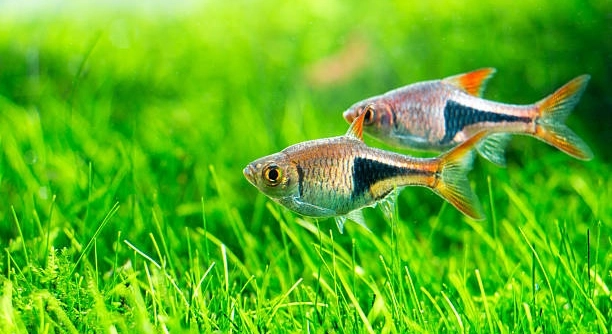
Many aquarists enjoy watching rasboras move calmly through a planted tank while maintaining balance, harmony, and health. Over time, subtle changes in behavior and numbers can signal growth within the group of a thriving community.
The expansion of a rasbora group is most often indicated by increased social activity, visible juvenile fish, stable water conditions, and consistent feeding responses. These factors reflect successful breeding, low stress levels, and an environment that supports long term survival.
Recognizing these signs helps maintain proper care practices and prepares aquarists to manage stocking, space, and long term tank stability.
Increased Group Activity and Cohesion
I began noticing expansion when my rasboras started schooling more tightly and moving with clear purpose. A growing group often shows stronger coordination, longer swimming patterns, and calmer interactions. Fish remain visible instead of hiding, indicating comfort. Increased activity during feeding times is common, with more individuals responding quickly. The tank feels balanced rather than crowded. Plants sway as the group passes together, showing shared direction. This behavior suggests stable hierarchy and reduced stress. When rasboras feel secure, breeding becomes possible. Consistent lighting, clean water, and predictable care routines support this pattern. Observing these movements daily helps confirm that changes are not random. Instead, they point toward natural growth supported by proper conditions. This sign often appears before physical evidence of new fish becomes obvious, making it one of the earliest indicators of expansion within stable, mature, well maintained aquarium environments over time under careful observation by attentive keepers consistently.
Stronger schooling behavior usually develops gradually and reflects comfort, stability, and adequate space. When activity increases without aggression, it suggests the group dynamic is improving and supporting reproduction rather than competition. This change is often subtle but consistent across daily observations and feeding routines in a healthy tank environment overall.
Another early sign appears when smaller rasboras become visible among adults. Juveniles often hide within plants before gaining confidence. Their presence confirms successful spawning and survival. Stable filtration, gentle flow, and fine leaved plants increase survival rates. I noticed fry appearing near moss and shaded corners. Feeding powdered foods supports growth. Regular maintenance prevents sudden losses. Seeing multiple size differences at once shows progression rather than coincidence. This pattern confirms the group is not only breeding, but sustaining new life over time under steady conditions with patient, consistent care from attentive aquarists observing long term outcomes inside established aquariums successfully.
Environmental Stability Supporting Growth
Water quality plays a direct role in group expansion. Stable temperature, low waste levels, and routine maintenance reduce stress. When conditions remain consistent, rasboras conserve energy for growth and breeding instead of survival behaviors. I rely on testing schedules and gradual adjustments to maintain balance over extended periods without disruption.
Tank stability encourages natural breeding without forced intervention. Adequate space allows pairs to form without pressure. Gentle lighting and predictable feeding reduce stress responses. I keep my maintenance routine consistent, avoiding sudden changes. Over time, plants mature and create shelter. This supports egg protection and fry survival. Expansion becomes noticeable as numbers slowly increase. Overstocking is avoided by monitoring behavior rather than counting fish constantly. Growth feels controlled, not chaotic. Filtration should remain efficient but not harsh. Soft flow protects small fish. Consistency matters more than perfection. Small weekly water changes outperform large irregular ones. Observing daily patterns helps identify normal behavior. Any shift is addressed early. This approach maintains balance while allowing the group to expand naturally. The result is a stable aquarium where rasboras thrive, reproduce, and coexist without visible stress or competition. Long term success depends on patience and observation rather than rapid adjustments. I avoid unnecessary equipment changes. Feeding remains moderate. This stability supports steady population growth without disrupting social structure. Over months, the aquarium settles into a predictable rhythm that benefits both fish health and keeper confidence through balanced care practices applied consistently across seasonal changes and routine maintenance cycles within established home aquariums successfully.
Visible Size Differences Within the Group
I noticed several rasboras appearing noticeably smaller than the main group, yet active and healthy. These size differences usually indicate recent spawning success. Fry that survive early stages grow steadily when shelter, gentle filtration, and appropriate food are consistently provided. This pattern becomes clearer over weeks of calm observation daily.
Small rasboras often remain close to plants and shaded areas during early growth. I observed them feeding after adults settled, avoiding competition. Over time, they venture into open water. Consistent feeding schedules support equal growth. Crushed flakes and powdered foods work well. Stable temperatures prevent slowed development. Sudden changes can reduce survival rates. Watching juveniles mature confirms that the environment supports reproduction. This gradual growth pattern reflects stability rather than chance and suggests long term group expansion within a well maintained aquarium where care routines remain predictable and stress levels stay low for extended periods of daily observation and patience.
Multiple size stages existing at once show that spawning has occurred more than once. I noticed this when juveniles appeared weeks apart. This spacing suggests favorable conditions over time. Adequate hiding spaces protect eggs and fry. Gentle lighting reduces stress. Adults show little aggression when space is sufficient. Growth across stages confirms stability. Regular observation helps distinguish growth from new purchases. Natural expansion becomes clear through these layered age groups within a single, balanced aquarium that continues supporting reproduction without intervention while maintaining calm behavior patterns across daily feeding and maintenance routines observed consistently over several months of stable care.
Consistent Feeding Response Across the Group
An expanding rasbora group responds quickly and evenly during feeding times. I noticed more fish appearing within seconds, including smaller individuals. This shows confidence and reduced competition. Food distribution remains balanced when space is adequate. Calm feeding behavior suggests the group feels secure and supported by routine care practices that remain consistent over time, encouraging natural growth, steady activity, and predictable responses during daily maintenance periods without visible stress signals or erratic movement patterns observed.
Feeding response reveals much about group health. When numbers increase, food competition does not escalate if conditions are correct. I spread food across the tank to prevent crowding. Smaller rasboras gain access without being pushed away. Regular schedules reduce anxiety. Overfeeding is avoided to maintain water quality. Stable nutrition supports breeding readiness. When every fish responds calmly, it suggests sufficient resources. This balance allows new fish to integrate smoothly. Consistent feeding behavior over weeks confirms expansion rather than temporary activity spikes caused by stress or changes in lighting, water, or routine. I track these patterns daily, noting gradual increases in response without sudden shifts. This steady behavior reflects long term stability, proper stocking, and care practices supporting sustained reproduction and balanced group dynamics over time.
Increased Use of Plants and Shaded Areas
I noticed rasboras spending more time near plants and tank edges during early hours. This behavior often signals spawning activity. Adults seek cover to scatter eggs safely. Increased use of shaded areas suggests comfort and reduced stress within a stable aquarium environment supported by consistent care routines and balanced conditions.
I also observed gentle chasing followed by calm separation, without aggression or injury. This interaction appears brief and controlled. Such movements indicate courtship rather than conflict. When space and water quality remain stable, these behaviors occur naturally and support successful reproduction over time within a well maintained home aquarium setting.
Subtle Spawning Behavior and Fry Presence
Spawning often leads to subtle changes in daily routines. I noticed adults becoming slightly more protective of certain areas, especially near fine leaved plants. Eggs are scattered and left unattended, relying on cover for survival. Stable parameters increase hatch rates. Fry remain hidden initially, feeding on microorganisms. Gentle filtration prevents loss. Over time, tiny movements appear near glass and foliage. Regular observation helps confirm these signs. Avoid sudden changes during this period. Consistency supports survival. This process reflects a healthy environment allowing natural breeding without interference over extended periods of stable care and routine maintenance practices applied patiently at home.
Balanced Growth Without Signs of Stress
Overpopulation signs are absent when expansion remains controlled. I monitor numbers without intervention. When space, filtration, and maintenance align, growth stays gradual. Calm behavior, steady feeding, and stable water readings confirm the tank continues supporting additional rasboras comfortably without stress signals or visible imbalance over extended observation periods at home.
How can I tell if my rasbora group is actually expanding or just more active?
Activity alone does not always indicate expansion. I pay attention to clear differences in size and the appearance of smaller, healthy fry among adults. Increased schooling, calm behavior during feeding, and use of shaded areas signal comfort and stability. When these patterns persist over several weeks, combined with visible juveniles, expansion is confirmed rather than temporary activity fluctuations caused by stress or environmental changes.
What feeding practices support group growth?
Consistent feeding routines make a big difference. I provide small portions multiple times a day to avoid overfeeding. Crushed flakes, powdered foods, and occasional live or frozen microfoods work best for both adults and juveniles. Even distribution prevents dominant fish from monopolizing food, giving fry a chance to feed. This balance ensures all members grow steadily and maintains water quality, which is critical for successful breeding and overall group health.
How important is tank setup for expansion?
Tank stability is essential. I rely on planted areas, shaded corners, and gentle water flow to create secure environments. Fine-leaved plants, moss, and driftwood provide protection for eggs and juveniles. Filtration must be strong enough to maintain clean water but gentle enough to avoid disturbing fry. Consistency in lighting, temperature, and maintenance routines reduces stress and encourages natural behaviors that lead to growth over time.
Can rasboras expand in small tanks?
Small tanks limit population growth. I have observed that even with ideal conditions, overcrowding causes stress, reduces breeding, and increases aggression. Expansion is gradual in appropriately sized tanks. For long-term stability, larger tanks provide space for schooling, hiding, and fry survival. Even in smaller setups, careful observation of behavior and gradual introduction of new plants or shelter can slightly improve expansion outcomes.
How long does it take to notice group expansion?
Expansion is not immediate. In my experience, visible juveniles appear a few weeks after initial spawning events. Subtle behavioral changes, like increased schooling and more confident feeding, often appear first. Consistent conditions and regular observation are key to identifying these changes. Patience is essential, as rushing adjustments or overfeeding can disrupt growth and stress the group.
What are the most common mistakes that hinder expansion?
Sudden water changes, overfeeding, inadequate shelter, or aggressive tank mates can prevent growth. I make sure all care routines are predictable and avoid sudden temperature shifts. Overcrowding adults reduces breeding opportunities. Neglecting proper food distribution often leaves juveniles malnourished. Maintaining a stable environment with gradual adjustments is the most reliable way to support healthy group expansion without unnecessary stress.
Is it necessary to separate fry from adults?
Not always. I have found that in well-planted tanks with gentle flow, many fry survive alongside adults. Adults may scatter eggs but generally do not actively hunt fry in balanced setups. Providing enough cover and consistent feeding ensures juveniles can grow safely without requiring separation, although survival rates are slightly higher if fry have designated hiding spaces away from denser adult areas.
How can I monitor growth without disturbing the tank?
Observation is key. I watch schooling patterns, feeding response, and the appearance of small fish near plants or glass. Regularly noting differences in size and behavior provides insight without interfering. Minimal handling prevents stress. Using gentle lighting to highlight fry and adults during feeding helps track growth effectively over time while maintaining a calm and balanced environment.
Do environmental changes affect expansion?
Yes. Sudden temperature drops, strong currents, or lighting changes can stress the group, reduce spawning, or harm juveniles. I make adjustments gradually, maintaining stable conditions for weeks at a time. Consistency in water parameters and tank setup supports natural behavior, ensuring expansion occurs at a steady pace without compromising health.
Can expansion happen more than once in a tank?
Multiple spawning cycles are possible if conditions remain favorable. I have observed rasboras producing several groups of fry over months when water quality, feeding, and tank stability are consistent. Adult behavior, available hiding spaces, and gentle filtration continue to support repeated growth, allowing the population to increase gradually without overcrowding or aggression issues.
Observing the growth of a rasbora group can be a rewarding experience for any aquarist. Over time, subtle changes in behavior, size, and social interaction indicate that the group is expanding. Increased schooling, calmer feeding responses, and the appearance of smaller fry all point toward a stable and thriving environment. Careful observation over weeks or months allows you to distinguish between temporary activity changes and genuine expansion. Maintaining consistent water quality, gentle filtration, and proper temperature supports healthy development and reduces stress among adults and juveniles alike. The careful balance between providing enough space and avoiding overcrowding is essential. Tanks that are too small or have insufficient cover can hinder growth and increase aggression, even when other conditions are ideal. Recognizing these signs early can help you adjust care practices to maintain long-term stability without interfering with natural behavior.
Feeding practices play a critical role in group expansion. Regular, moderate feedings with foods suitable for both adults and fry encourage steady growth. Crushed flakes, powdered foods, and occasional live or frozen microfoods ensure that juveniles receive adequate nutrition while adults maintain energy for schooling and reproduction. Even distribution of food prevents dominant fish from monopolizing resources, allowing smaller individuals to thrive. Consistency in daily routines, such as feeding times and maintenance schedules, provides a predictable environment that reduces stress and promotes natural behavior. Sudden changes in lighting, temperature, or water flow can disrupt this balance and temporarily halt expansion. By maintaining a calm, consistent environment, the group has the best chance of reproducing successfully and sustaining a balanced population over time. Observing the tank carefully allows you to adjust feeding, space, and cover gradually, ensuring that the expansion process occurs naturally.
Successful rasbora expansion relies on patience, observation, and consistent care. Spawning and fry survival take time, and results may not be immediately visible. By paying attention to subtle behaviors, such as increased use of plants, schooling cohesion, and the presence of multiple size stages, you can track growth effectively. Stable water parameters, a balanced diet, and gentle tank conditions support natural reproduction without the need for constant intervention. While the process may require weeks or months, the gradual increase in population reflects the health of the group and the quality of the environment you provide. With steady attention to these factors, a rasbora group can expand naturally, producing a thriving community where adults and juveniles coexist peacefully. Observing this growth can be deeply satisfying, reinforcing the importance of patience, consistency, and attentive care in maintaining a balanced, healthy aquarium over time.

Hello,
If you enjoy the content that we create, please consider saying a "Thank You!" by leaving a tip.
Every little bit helps us continue crafting quality advice that supports the health, happiness, and well-being of pets around the world, for pets of all shapes, sizes, and species.
We really appreciate the kindness and support that you show us!