
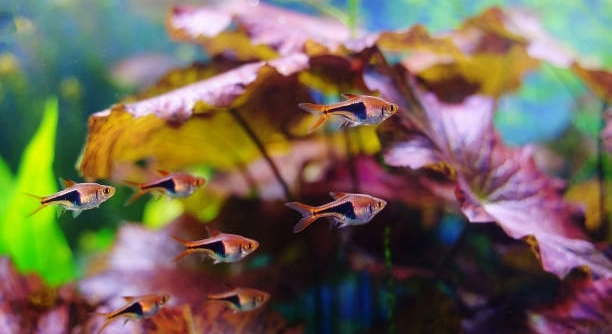
Many aquarists notice sudden stress in rasboras when unfamiliar sounds enter the room, affecting feeding, schooling, and color. Environmental noise often goes unnoticed, yet it plays a quiet role in daily tank stability overall health.
Rasboras are highly sensitive to vibrations and sharp sounds, which disrupt their sense of safety. Household noises, equipment hums, and sudden impacts trigger stress responses, leading to hiding, erratic swimming, reduced appetite, and weakened immune function over time in fish.
Recognizing these noise sources helps protect your fish, improve tank harmony, and create a calmer environment they can thrive within.
Loud Household Appliances
Common household appliances are a major source of stress for rasboras kept in home aquariums. Washing machines, dryers, vacuum cleaners, and blenders create low frequency vibrations that travel through floors and walls. Even when the tank is in another room, these vibrations reach the glass and water. Rasboras rely on subtle environmental cues to feel secure, so repeated exposure can keep them in a constant alert state. I have noticed schooling patterns break during long appliance use. Fish may hover near the bottom or hide behind plants. Over time, this ongoing disturbance can affect digestion, immune strength, and overall behavior, making the aquarium feel unstable rather than safe for sensitive species like rasboras. This type of noise exposure often goes unnoticed by owners, yet it quietly shapes daily stress levels and reduces the sense of consistency that small schooling fish depend on to remain calm within their enclosed aquatic environment.
Placing tanks near laundry areas or kitchens increases this risk. Even short cleaning sessions can disturb rasboras. Creating distance between tanks and heavy appliances greatly reduces repeated vibration exposure. I learned this after relocating a tank and observing calmer swimming within days without any other changes to care routines made.
To manage appliance noise, choose a stable tank location away from high traffic areas. Solid stands help absorb vibration before it reaches the water. Foam mats under aquariums provide added insulation. Running appliances during feeding times should be avoided. I prefer scheduling cleaning tasks when lights are off and fish are resting. These small adjustments create predictable quiet periods. Over time, rasboras respond with tighter schooling, steadier movement, and improved appetite, showing that a calmer sound environment supports both physical health and natural behavior patterns. This approach has consistently reduced visible stress signs in my own aquariums over many months.
Tank Equipment and Vibrations
Filters, air pumps, and heaters produce constant noise that rasboras cannot escape. When equipment vibrates against glass, stress levels rise steadily, even if the sound seems minor to us. Over time, this background disturbance interferes with resting, feeding, and natural schooling rhythms observed in many home aquarium setups today overall.
Tank equipment is essential, but improper placement can amplify unwanted sound. Air pumps resting directly on hard surfaces send vibrations through stands and into the aquarium frame. Internal filters that rattle or shift create sharp, repetitive noise pulses. Rasboras detect these changes instantly. I have seen fish dart suddenly when a loose filter tube knocks against glass. Using soft pads under pumps limits vibration spread. Securing hoses and cords prevents movement during operation. Choosing quieter equipment designed for small tanks also makes a difference. Flow rate should match rasbora needs, avoiding excessive turbulence. Turning equipment off briefly during maintenance helps reset normal behavior. A stable, low noise setup allows rasboras to settle into routines. Consistency matters more than silence. When sound levels remain steady and gentle, fish adapt well. This stability supports stronger immune response, better coloration, and more confident schooling. Thoughtful equipment management creates an environment where rasboras feel secure without sacrificing filtration or oxygenation. This approach reduces long term stress accumulation and allows aquarists to observe natural behaviors without constant disruption caused by mechanical noise within enclosed living spaces where sound waves travel quickly through water and glass surfaces and affect sensitive fish daily in subtle persistent ways.
Foot Traffic and Sudden Movements
Heavy foot traffic near the aquarium sends repeated vibrations through floors and stands. Quick steps, running children, and pets brushing past the tank create sudden motion. Rasboras often scatter or freeze, showing clear signs of unease during these frequent disturbances over time this pattern disrupts normal behavior and resting periods.
I have noticed rasboras remain tense in tanks placed near busy hallways. Constant passing keeps them alert, reducing time spent grazing or schooling. Fish may stay low, cling to plants, or hide behind decor. Over weeks, this stress weakens immunity and dulls coloration. Minimizing movement around the aquarium makes a visible difference. Simple changes like rerouting walking paths or adding barriers reduce sudden shadows. Consistent surroundings help rasboras predict their environment. When foot traffic slows, they regain confidence, swim openly, and respond better during feeding, reflecting improved comfort within the tank and supports calmer daily routines long term for fish.
Positioning the aquarium away from main walkways is the most effective solution. Solid stands with padded feet absorb vibration before it reaches the glass. I prefer placing tanks against interior walls where movement is limited. Encouraging slower movement near the tank also helps. Teaching children to avoid tapping or running nearby protects fish from repeated stress. Over time, rasboras adjust to quieter surroundings and display stable schooling patterns. These adjustments require little effort but create a noticeable improvement in overall tank harmony and long term fish well being that supports health behavior and reduced anxiety across daily aquarium life cycles.
Televisions and Audio Systems
Televisions, speakers, and gaming systems create unpredictable bursts of sound that pass easily through water. Bass vibrations are especially stressful for rasboras. Sudden volume changes trigger darting and hiding. Tanks placed near entertainment areas often experience these disturbances daily, leading to prolonged alert behavior and difficulty resting even when lights are dimmed. I have seen fish scatter repeatedly during evening use, disrupting feeding and normal routines for hours within shared living spaces at home environments.
Managing sound from media devices requires planning and consistency. Lowering bass settings reduces vibration transfer through floors and stands. Increasing distance between tanks and speakers helps immediately. I avoid placing aquariums in living rooms where televisions run for long periods. Using sound absorbing materials, such as rugs and wall panels, further dampens vibration. Scheduling louder activities away from feeding times protects natural behavior. Rasboras respond best to predictable noise levels. When audio use becomes consistent and controlled, fish stop reacting to every change. Over time, they resume open swimming, feed calmly, and maintain stronger coloration. These steps preserve tank stability without limiting normal household activity and help reduce chronic stress that often goes unnoticed in shared indoor environments over extended periods of daily exposure overall.
Construction and Renovation Noise
Construction sounds such as drilling, hammering, and heavy machinery send intense vibrations through walls and floors. These noises feel sudden and overwhelming to rasboras. Fish often bolt, crash into decor, or hide for long periods, showing immediate stress responses within enclosed aquarium spaces during unexpected renovation activity nearby at home.
Repeated exposure to construction noise causes lingering anxiety in sensitive species. Rasboras may stop schooling and refuse food even after the noise ends. I have seen tanks take days to recover, with fish remaining withdrawn, pale, and less responsive to routine care and maintenance tasks during prolonged home improvement periods.
Slamming Doors and Dropped Objects
Door slams and dropped objects create sharp, sudden sound spikes that rasboras interpret as danger. These noises are brief but intense, triggering startle reactions. Fish may dash wildly, collide with glass, or dive into plants. Repeated incidents condition fish to expect threats, keeping stress levels high. I notice this most in apartments with heavy doors. Soft closing hardware reduces impact noise. Using rugs and pads dampens sound transmission. Encouraging gentle handling of nearby items helps. Over time, reducing these abrupt sounds allows rasboras to remain calm, feed normally, and maintain steady swimming patterns throughout the day within shared living spaces.
Knocking and Cabinet Noise
Even routine door knocking or cabinet closing can unsettle rasboras when repeated frequently. Consistency matters more than volume. I found that slowing movements and cushioning contact points reduced visible stress. Fish responded with tighter schooling, better appetite, and fewer sudden dashes, restoring balance within the aquarium environment over time naturally.
How can I tell if my rasboras are stressed by noise?
Rasboras show stress through changes in behavior and appearance. Common signs include darting suddenly, hiding behind plants or decorations, and clustering tightly near the tank bottom. You may notice reduced feeding, paler coloration, or slower movement compared to normal behavior. Erratic swimming, bumping into tank walls, or constant hovering near shelter indicates ongoing discomfort. Over time, prolonged stress can weaken the immune system and increase susceptibility to illness. I’ve seen subtle signs in my own tanks, such as slight changes in schooling patterns, that hinted at excessive noise before any severe reactions appeared. Observing daily routines closely is key, as minor disturbances often precede more serious stress effects.
What types of household noises are most disturbing to rasboras?
Low-frequency vibrations from washing machines, dryers, and vacuum cleaners are particularly stressful. Sudden, sharp sounds like door slams or dropped objects create instant startle reactions. Televisions, speakers, and gaming systems produce unpredictable bass vibrations that travel through floors and glass. Construction noises, hammering, and drilling generate intense vibrations that can cause prolonged anxiety. Even repeated foot traffic or quick movements near the aquarium triggers stress. I’ve found that rasboras respond strongly to consistent vibrations rather than just one-off events. Ensuring that tanks are placed away from these common noise sources greatly reduces chronic stress and helps maintain natural behavior and coloration.
Can tank equipment contribute to noise stress?
Yes, filters, air pumps, and heaters generate constant vibrations that rasboras can detect. Equipment that rattles against glass, hoses that move during operation, or pumps resting on hard surfaces amplify stress levels. I noticed my fish reacted strongly to a loose filter tube that tapped against the glass, causing frequent darting. Using foam padding under pumps, securing cords and hoses, and choosing quieter models significantly reduces these disturbances. Proper flow rates and positioning also matter, as overly turbulent water can compound stress. A well-managed, stable setup allows rasboras to feel secure without compromising filtration, aeration, or temperature regulation, which are essential for healthy tank life.
How can I reduce noise from household activity?
Placement is critical. Tanks should be away from main walkways, kitchens, and laundry areas. Solid stands with vibration-absorbing feet prevent transmission of minor shocks through glass. I’ve found that adding rugs or pads under the aquarium and nearby surfaces dampens sound effectively. Slowing foot traffic and avoiding slamming doors or dropping objects near the tank further protects fish. Consistency is essential—rasboras adjust best to predictable surroundings. Limiting loud activities around feeding times also prevents interruptions in normal routines, helping fish maintain regular schooling, feeding, and resting behaviors over time.
Are there ways to make rasboras more resilient to unavoidable noise?
While reducing exposure is ideal, small adjustments help fish tolerate occasional disturbances. Providing dense plant cover, hiding spots, and decorations creates safe zones that allow rasboras to retreat. I’ve observed fish using these areas frequently during short-term loud events and returning to open swimming once calm returns. Maintaining stable water parameters, feeding schedules, and lighting further supports resilience. Gradually introducing mild, consistent background sounds may help fish adapt over time without causing panic. However, sudden, high-intensity noise should still be minimized whenever possible to avoid stress accumulation that negatively affects long-term health.
Can stress from noise affect rasbora health long-term?
Yes. Prolonged stress weakens immunity, slows growth, and may lead to disease susceptibility. Color fading, erratic swimming, and reduced feeding are early indicators. I’ve seen tanks where persistent noise exposure led to lingering behavioral issues, even after relocating the aquarium. Consistent, calm environments help prevent chronic stress and allow rasboras to display natural schooling behavior and bright coloration. Long-term well-being depends on both environmental stability and careful management of daily noise sources.
Creating a calm and stable environment for rasboras is essential for their overall well-being. These small fish are naturally sensitive to sounds and vibrations that we often overlook. Household appliances, foot traffic, construction, and even common tank equipment produce noise that travels through floors, walls, and water, causing stress. When rasboras experience repeated or sudden disturbances, they may hide, dart around, or display irregular schooling patterns. Over time, constant exposure can weaken their immune systems and affect their appetite, growth, and coloration. Observing daily behaviors and recognizing signs of stress allows you to address potential issues before they escalate. Even minor adjustments to the tank environment can make a noticeable difference in how comfortable and secure your fish feel. Maintaining a predictable, low-noise environment ensures that rasboras can display natural behaviors and remain healthy, energetic, and vibrant within the aquarium.
Managing household noise involves both proactive planning and practical adjustments. Placement of the aquarium plays a key role in minimizing stress. Tanks positioned away from high-traffic areas, kitchens, and laundry spaces experience fewer vibrations. Solid stands with foam padding or rubber feet help absorb shocks that would otherwise transmit through the glass. Equipment like filters, air pumps, and heaters should be secured and checked regularly to prevent rattling or vibrations. Simple actions, such as lowering the volume on speakers, avoiding slamming doors, and reducing sudden movements around the tank, help maintain a calmer atmosphere. Even small measures, like adding dense plants or hiding spots, provide areas where rasboras can retreat when they feel startled. By consistently monitoring and controlling the environment, owners can create a supportive space where fish feel safe, allowing them to feed properly, swim confidently, and enjoy a stable daily routine.
Long-term care for rasboras requires attention to both environmental and behavioral factors. Noise is just one of many variables that impact their health, but it is often underestimated. Consistent observation, preventive strategies, and thoughtful adjustments contribute significantly to a fish’s comfort and longevity. Rasboras thrive best when stress is minimized, and their surroundings remain steady and predictable. Maintaining water quality, feeding schedules, and tank structure alongside noise control reinforces their natural behaviors and overall well-being. In my experience, small, deliberate changes to reduce stressors produce visible improvements in behavior, coloration, and vitality over weeks and months. Prioritizing a calm environment supports healthier, happier rasboras and allows you to enjoy observing their natural, graceful swimming patterns without the disruptions caused by avoidable noise.

Hello,
If you enjoy the content that we create, please consider saying a "Thank You!" by leaving a tip.
Every little bit helps us continue crafting quality advice that supports the health, happiness, and well-being of pets around the world, for pets of all shapes, sizes, and species.
We really appreciate the kindness and support that you show us!